Living in 'Anti-AI' Clothing: Can It Evade Facial Recognition in 2026?
- Security, Lifestyle, Technology
- Exienent
- · Updated
Anti-AI clothing can confuse the computer vision systems that track people in public, but it is not an invisibility cloak. Adversarial patterns and infrared glasses can disrupt detection and facial recognition, yet they make you conspicuous to the people around you, break down wherever buildings require face scans, and can be patched out of surveillance algorithms by an update. They work best as an occasional tool and a visible protest.
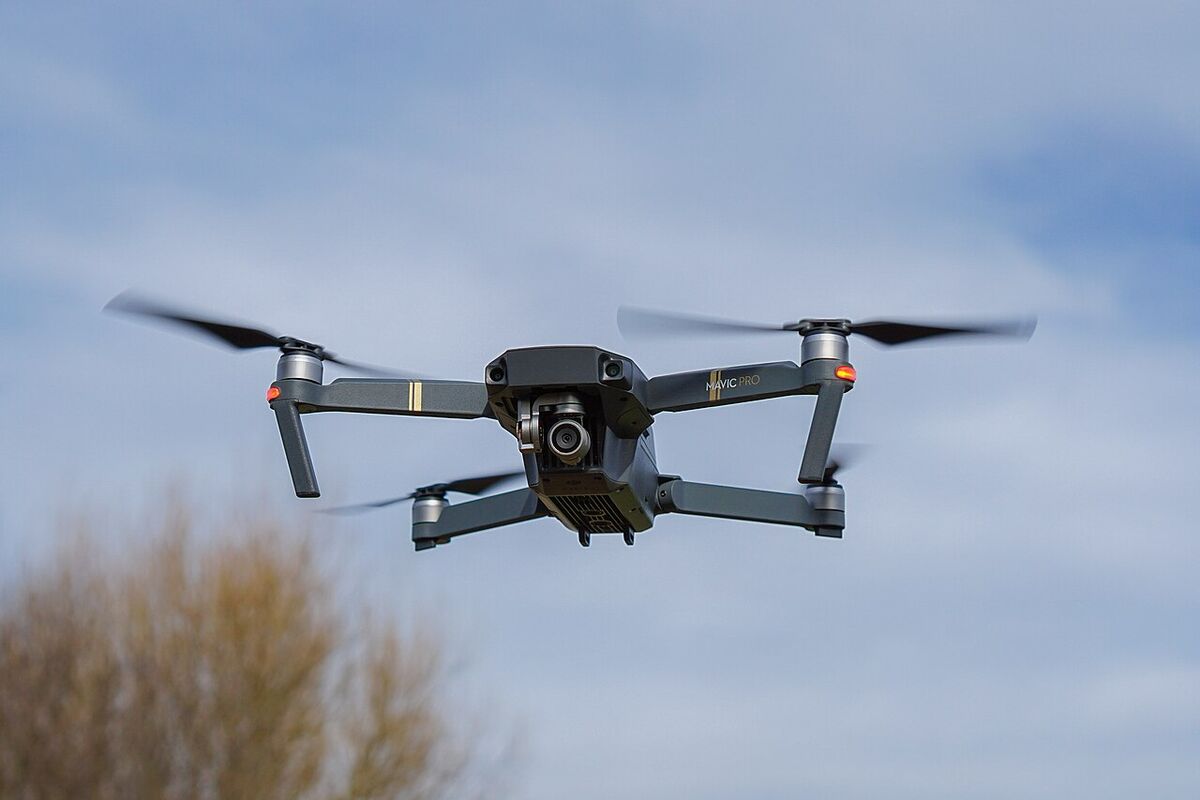
A few years ago, if you talked about wearing clothes specifically designed to confuse cameras, people would assume you were either a cyberpunk novelist or extremely paranoid. But it's 2026, and walking down any major city street means your face, gait, and brand preferences are being logged by dozens of autonomous retail cameras, police drones, and smart billboards.
The idea of blending in has fundamentally changed. Today, true anonymity doesn't mean wearing all black and keeping your head down; it means wearing patterns so loud and chaotic that a machine learning model literally cannot comprehend you. This is the world of Adversarial Fashion, and the question is whether living as a walking glitch in the matrix actually reclaims some digital privacy in physical spaces.
What Exactly Is Adversarial Fashion?
Adversarial fashion is clothing printed with engineered patterns that exploit how computer vision algorithms—specifically object detection systems like YOLO (You Only Look Once)—identify humans. These garments aren't magical invisibility cloaks.
When a smart camera looks at you, it doesn't see a person; it sees an assembly of shapes, edges, and contrast patterns that it has been trained to recognize as a "person." Anti-AI clothing is printed with highly specific, engineered patterns that break those rules.
Three main types of pieces illustrate the approach:
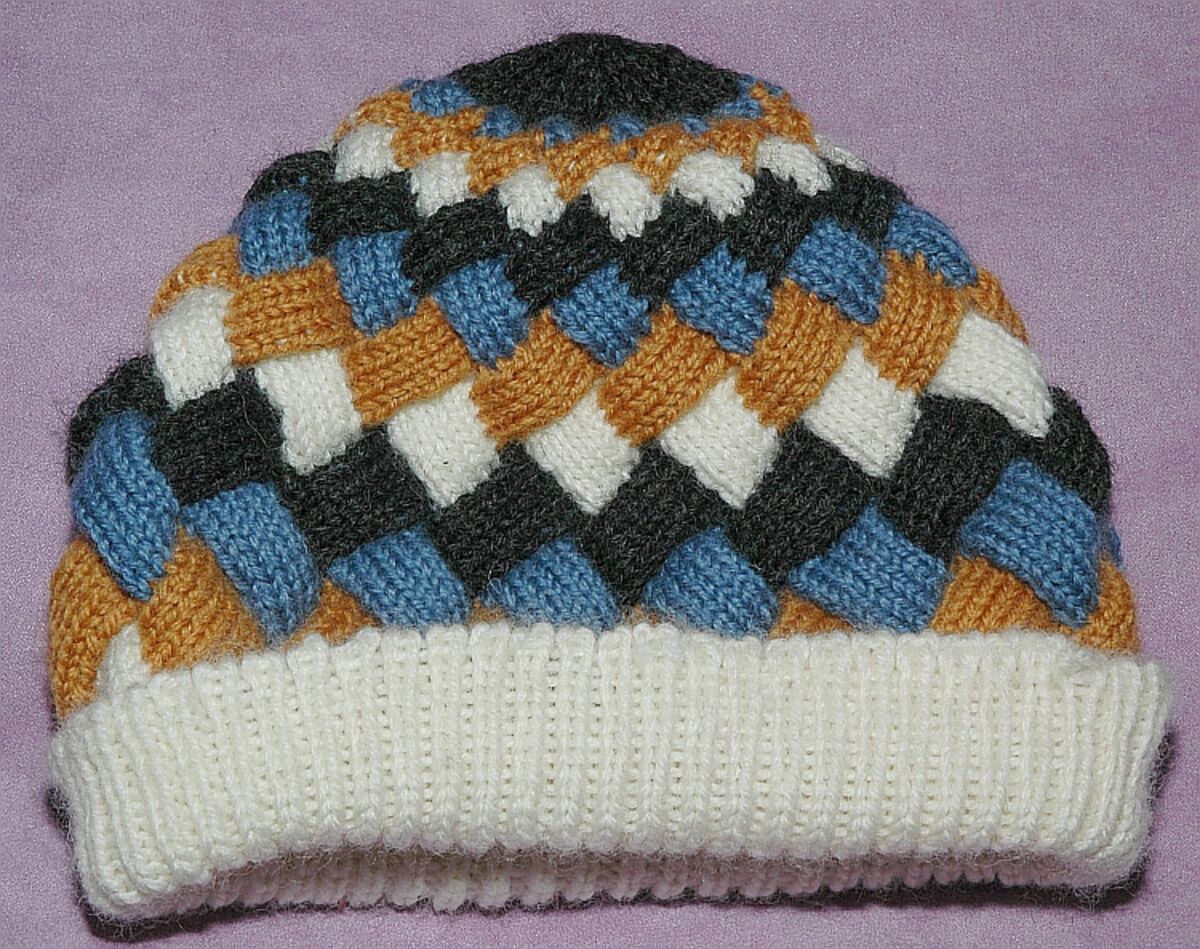
- The 'License Plate' Hoodie: This looks like a jumbled mess of distorted license plates. To the human eye, it's just ugly streetwear. To an Automatic License Plate Reader (ALPR), it reads as a chaotic traffic jam, flooding the system with junk data.
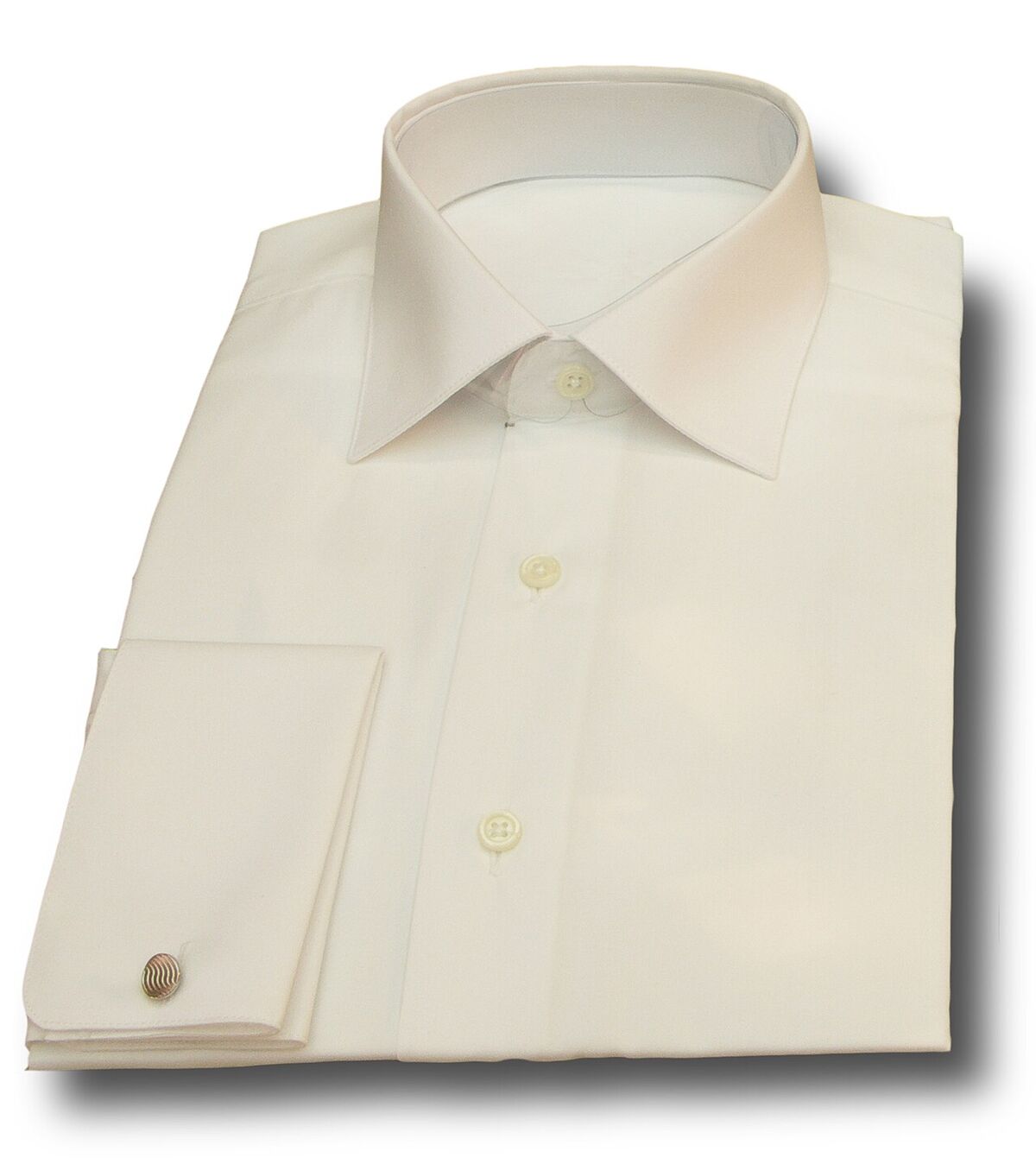
- The 'Phantom' T-Shirt: This shirt features a sprawling, abstract pattern of eyes and asymmetrical shapes. It is designed to trigger thousands of false positive "face" detections, overwhelming the facial recognition system so it completely ignores your actual face.
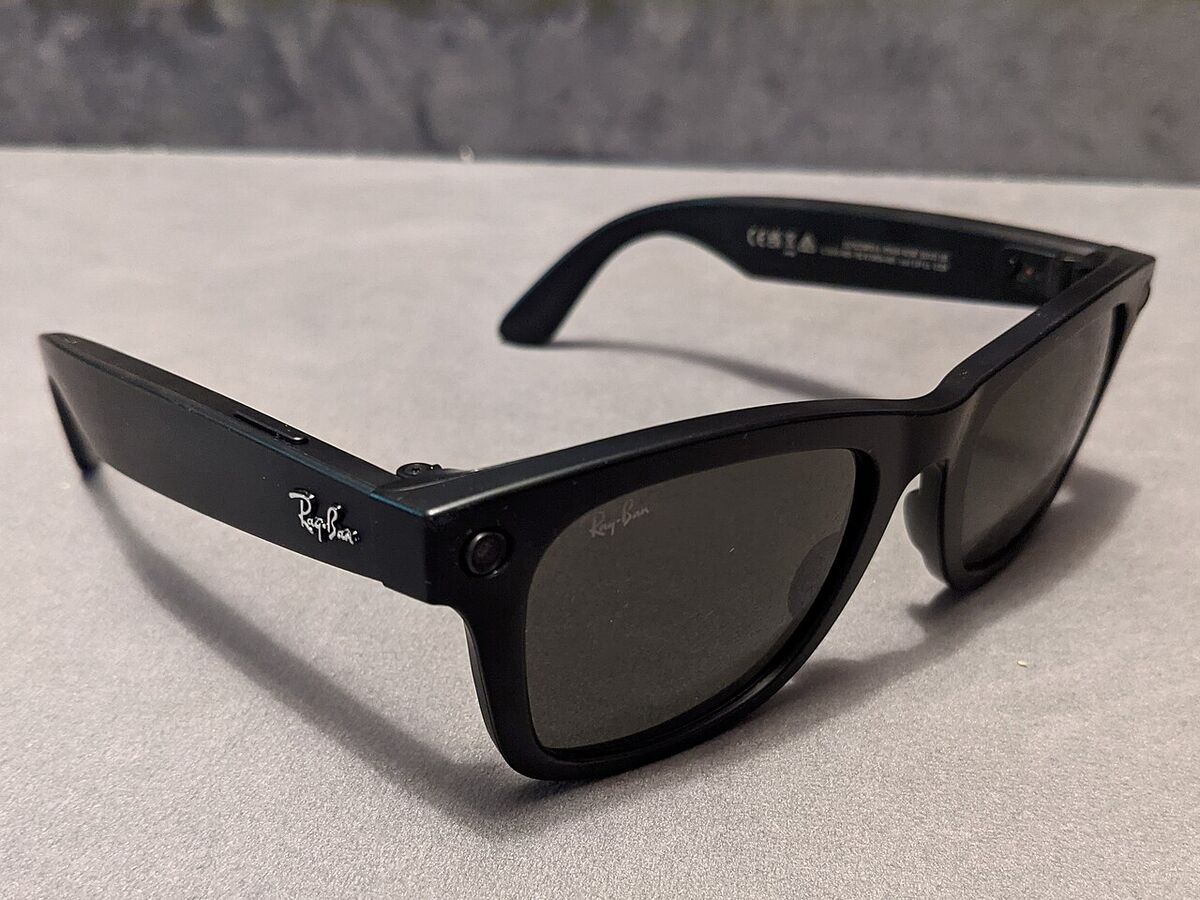
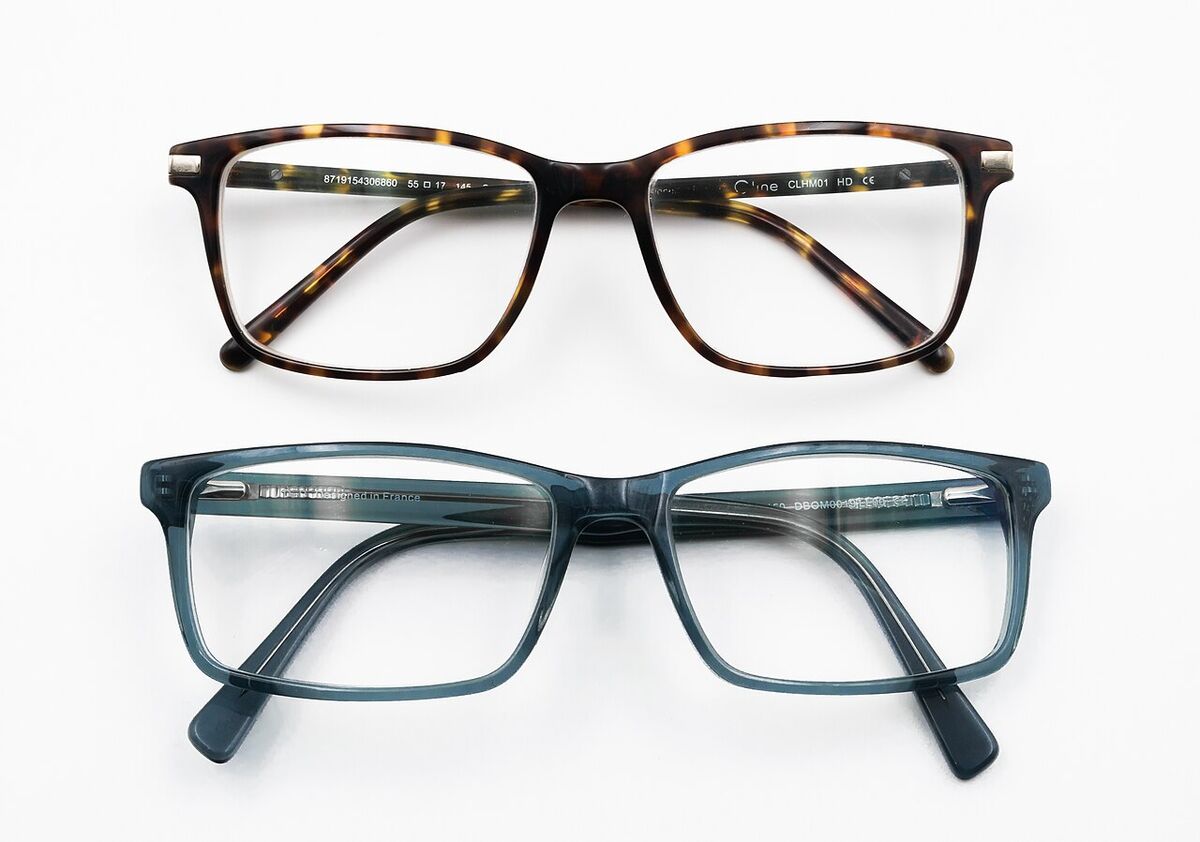
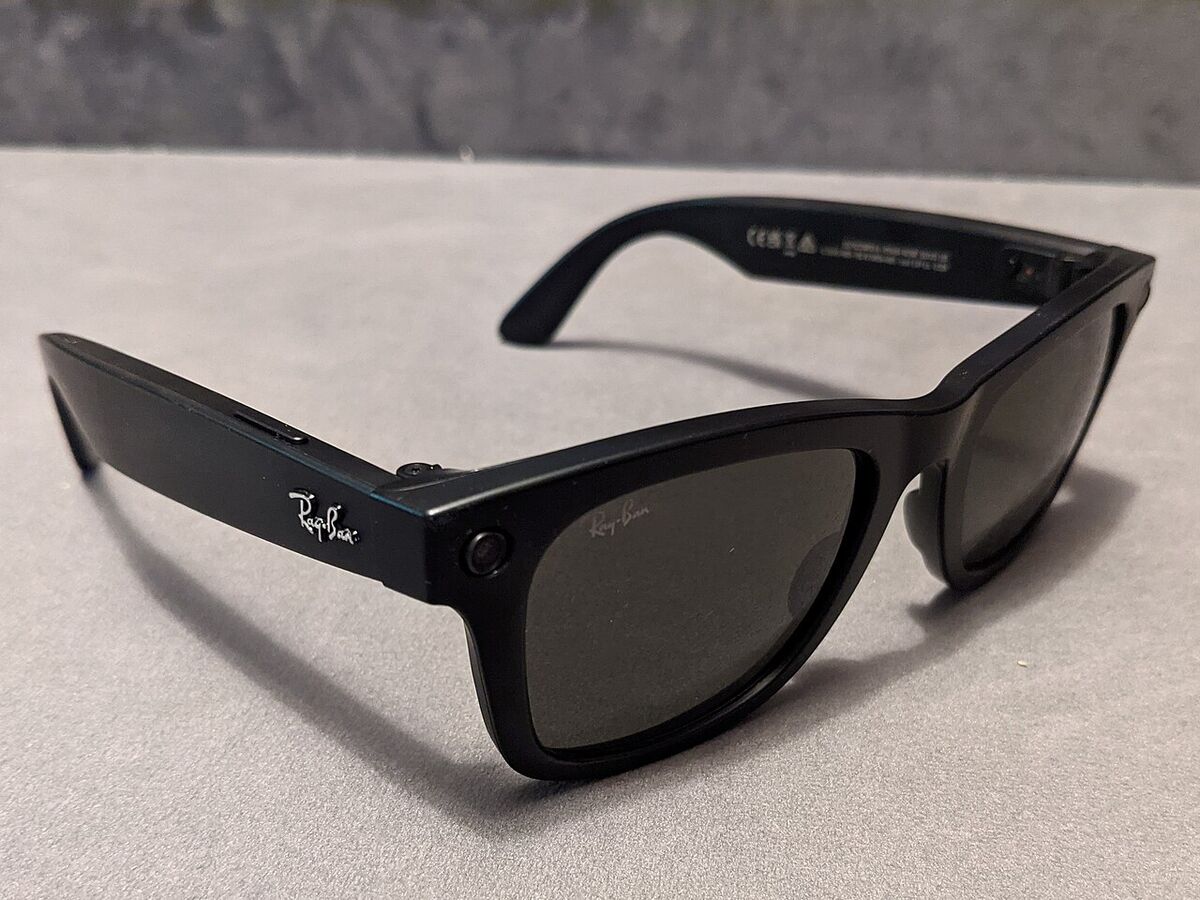
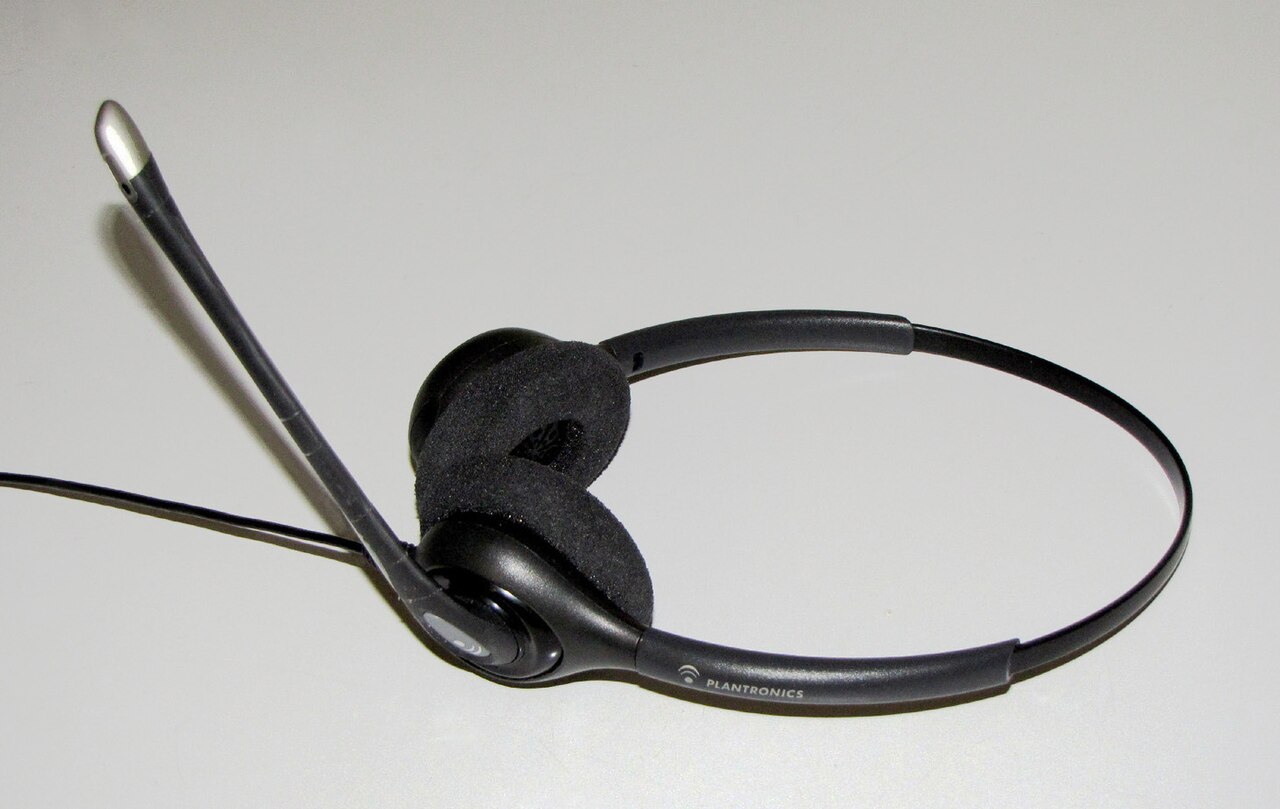
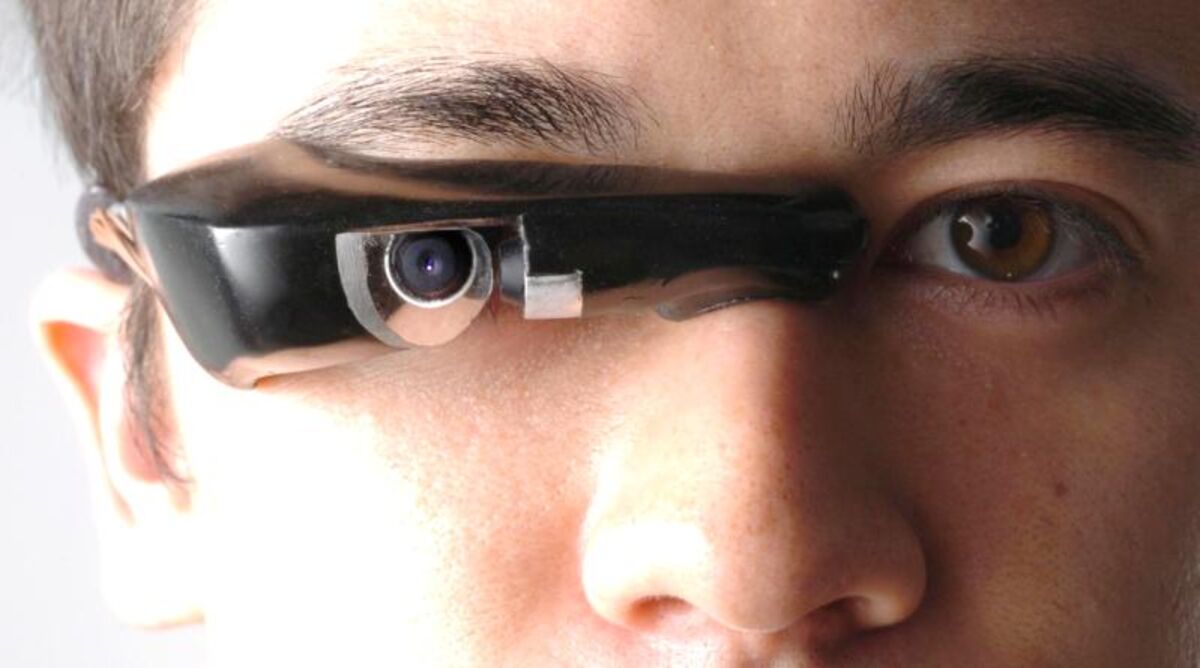
- Infrared-Blocking Sunglasses: These look like slightly bulky Ray-Bans, but the frames are embedded with LEDs that emit infrared light. It's invisible to the human eye, but on a security camera, it creates a massive lens flare that completely blows out your facial features.
What Happens in a Checkout-Free Smart Store?
In a checkout-free "smart" grocery store, adversarial clothing can make the tracking system itself stumble. These stores have become ubiquitous: you scan an app to get in, put things in your bag, and cameras track your every move, charging you automatically when you walk out.
Human employees are unlikely to react to a Phantom T-Shirt and infrared glasses—weird fashion is just Tuesday in a big city. The store's AI is a different story. If the cameras can't map a continuous bounding box around you, you may "flicker" in the system's eyes, and the app could start adding items you never touched to your virtual cart, then removing them.
Leaving can become the hardest part. If the system can't confidently verify that the person leaving is the same person who entered, the exit gate may stay shut until a human clerk manually checks your bag and lets you out.
Score: Privacy 1, Convenience 0.
What Is the Social Cost of Anti-AI Clothing?
The social cost is attention: clothes that hide you from machines make you stand out to people. Once the novelty wears off, a subtle social friction takes its place.
The clothes are built to work against machines, but they draw an uncomfortable amount of attention from humans. Adversarial fashion is inherently loud. When you wear a jacket covered in distorted eyeballs to a casual coffee meeting, you look unhinged.
You may find yourself explaining your outfit choices to friends and colleagues. Some may see a fascinating art project; others may assume you are wearing a tin-foil hat. The paradox of anti-surveillance clothing is that to hide from the AI, you have to make yourself hyper-visible to the people around you.
Does Anti-AI Clothing Work Against Smart City Infrastructure?
Against street cameras it may scramble some signals, but you usually can't verify the effect. A License Plate hoodie worn near a busy intersection with aggressive traffic enforcement cameras is designed to flood ALPR systems, but nobody outside the police database can see what was actually recorded. At most, you might notice reactive speed limit signs (the ones that flash your speed as you walk or drive by) behaving erratically.
There is something empowering in that, in a strange way. We've been conditioned to accept that our physical movements are constantly tracked and monetized by data brokers. Wearing clothing that actively fights back can restore a sense of agency that is easy to forget we've lost.
The practical limitations are severe, though. Many modern apartment complexes and office buildings now use facial recognition instead of key fobs. Every time you come home, you would have to take off the glasses, zip down the jacket, and stare into a little screen just to get into your own building, effectively negating the privacy you were trying to preserve on the street.
Is Anti-AI Clothing Worth It?
As an everyday wardrobe, no; as an option and a statement, yes. The social friction is too high for daily wear, and the clothes are, frankly, quite ugly. Furthermore, the AI companies are locked in an arms race with the fashion designers. An adversarial pattern that works perfectly today might be patched out of the surveillance algorithms via an over-the-air update tomorrow.
Still, I think it's good that these clothes exist.
They serve as a vital, physical protest against the unchecked expansion of surveillance capitalism. They make the invisible tracking mechanisms of our "smart cities" visible. In 2026, we might not all be walking around looking like glitch art, but knowing we have the option to scramble the signal is a real comfort.