Leaving Your Phone at Home: How Biometric Palm Payments Work in 2026
- Technology, Fintech, Everyday Life
- Exienent
- · Updated
Biometric Palm Payment lets you pay by hovering your hand over a scanner that reads the unique vein pattern underneath your skin—no card, phone, or wallet required. In 2026 these systems have officially moved from "creepy sci-fi concept" to an everyday convenience at retail checkouts, and their security design stores an encrypted token rather than a picture of your hand.
What Does Paying with Your Palm Look Like?
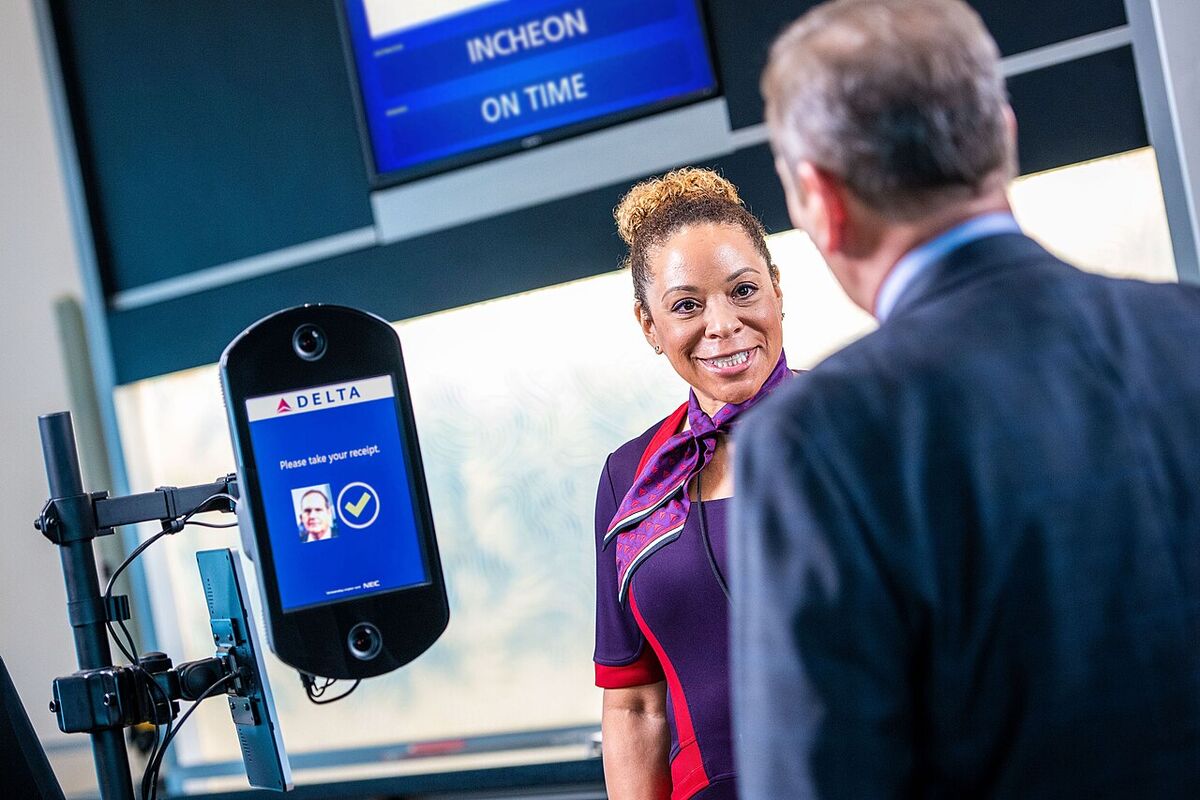
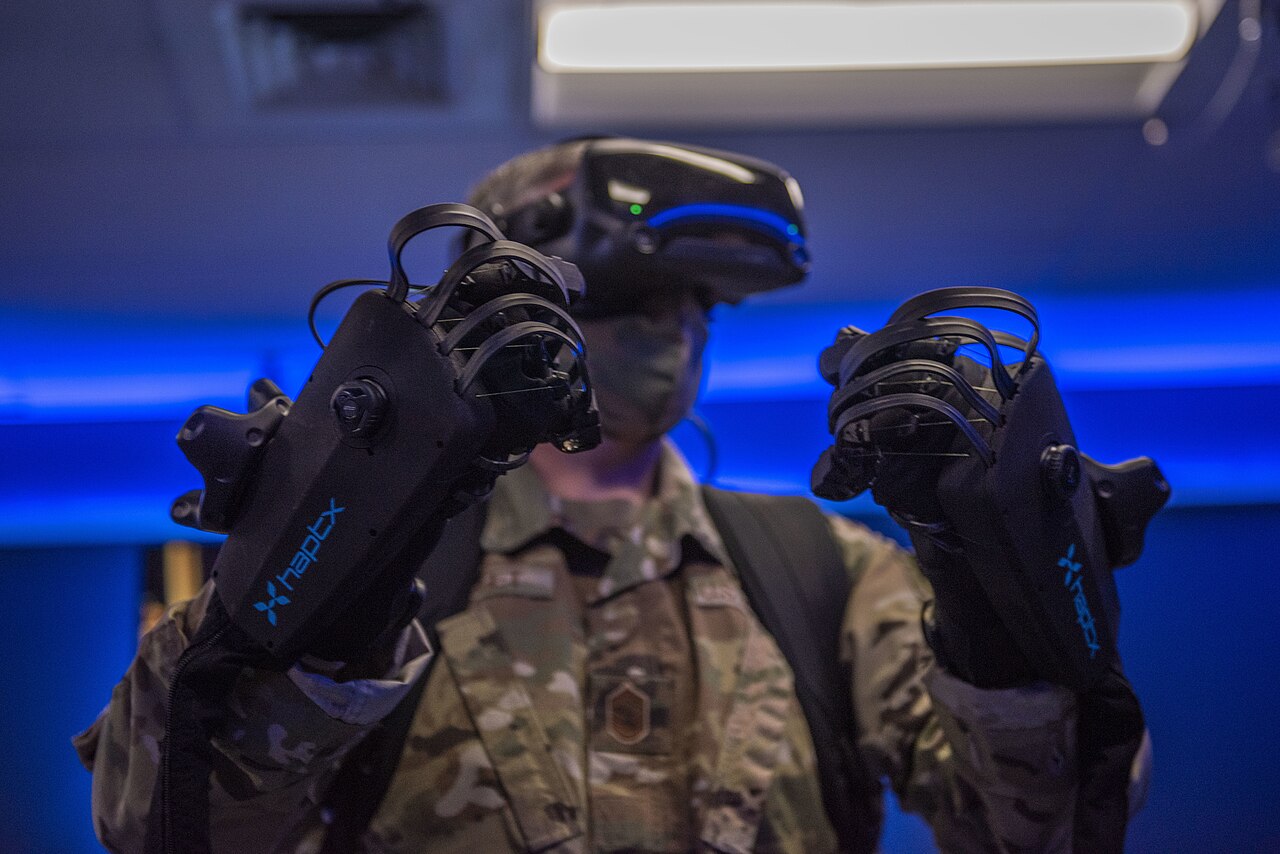
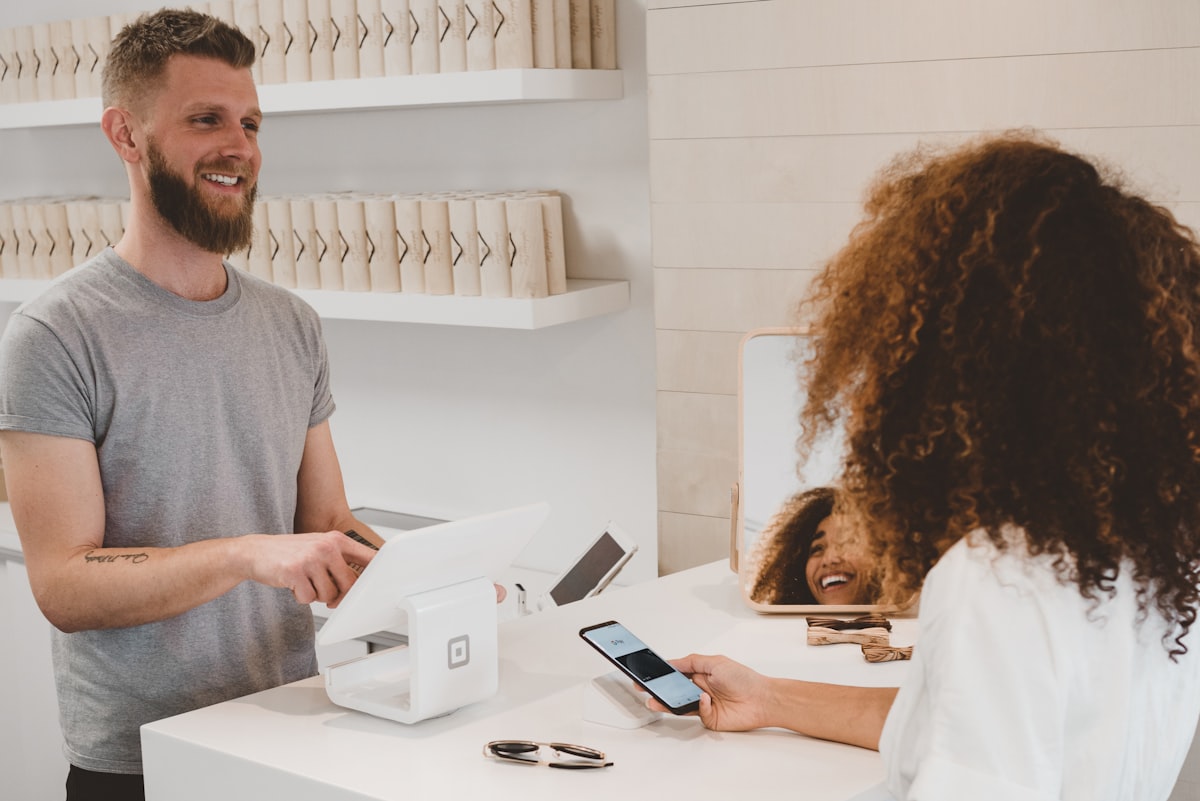
Paying with your palm looks like simply holding your hand over a reader. Picture arriving at the grocery register with your arms completely full of bags, a coffee in one hand, and your smartphone sitting on the kitchen counter at home. A few years ago, this would have meant abandoning your cart in the aisle and doing a walk of shame. With a palm scanner, you can just hover your right hand over the reader, hear a friendly beep, and walk out.
For a long time, we thought the ultimate evolution of payments was tapping our phones or smartwatches. But the tech industry quickly realized that even pulling out a device introduces friction. The sections below cover how Palm Scanning technology works, why it is suddenly everywhere, and the elephant in the room: privacy.
How Do Palm Payment Systems Actually Work?
Palm payment systems work by mapping the veins under your skin with infrared light, not by photographing your fingerprints. If you are imagining a high-resolution camera storing images of your hand in some massive, hackable database, you can relax. The technology (pioneered by systems like Amazon One and now adopted widely by major banking networks) is actually much more sophisticated.
When you hover your hand over a scanner, it uses infrared light. It isn't just looking at the surface lines of your palm; it is actually mapping the unique vein patterns underneath your skin.
- It's Highly Unique: Your vein structure is incredibly complex and entirely unique to you—even identical twins have different palm vein maps.
- It Requires a Living Human: Unlike a fingerprint on a glass, which can theoretically be lifted and copied, palm vein scanners require active blood flow. You can't fool it with a photograph or a silicone mold.
Why Is Palm Payment Taking Over Retail?
The adoption curve for Biometric Payments has been staggering this year, and it comes down to a few core reasons:
- Absolute Zero Friction: Whether you are holding a screaming toddler, juggling gym bags, or your phone battery just died, your hand is always with you.
- Speed at the Checkout: Retailers love it because it shaves precious seconds off every single transaction. You don't have to wait for someone to dig through a purse, unlock a phone, open a wallet app, and double-click a side button. You just hover and go.
- Age Verification Built-In: Buying a bottle of wine? The system knows you are over 21 because your ID was verified when you set up your biometric profile. No more waiting for a cashier to check your driver's license.
Is Your Biometric Data Safe with Palm Payments?
Palm payment systems are designed so that no image of your hand is ever stored. Still, the first reaction for anyone hearing about this is understandable: "I am not giving a massive corporation my biometric data."
It is a completely valid concern, and the security architecture is the best answer to it. When you register your palm, the system does not save an "image" of your hand. It takes the vein map, encrypts it, and turns it into a complex alphanumeric token—a mathematical hash.
Even if a hacker were to breach the payment servers, they wouldn't find pictures of your palm. They would find strings of useless code that cannot be reverse-engineered back into a physical hand. Furthermore, most systems in 2026 use distributed ledger technology to ensure that your biometric signature is never held centrally in one single honey-pot database.
Is Palm Payment Worth It Over Cards?
For everyday purchases, I think the convenience is hard to argue with. I am usually pretty skeptical of tech that tries to fix things that aren't broken, and tapping a credit card wasn't exactly hard. But once paying for a morning coffee or a grocery run takes nothing more than a hand, carrying a physical wallet can start to feel almost archaic.
We are moving towards a world where our physical presence is our credential. Have you tried a biometric checkout yet? Does the convenience outweigh the privacy concerns for you? Let's chat in the comments!