Standing Desk Reality Check: Does It Cure Back Pain or Kill Focus?
- Technology, Health, Review
- Exienent
- · Updated
A motorized standing desk is worth it only if you use it to move: the benefit comes from switching between sitting and standing, not from standing all day. It is not a cure for back pain, but it can break up long, rigid sitting sessions, and it may suit energetic "busy work" better than deep, focused work. Persistent back pain is a reason to see a doctor or physical therapist, not just to buy furniture.
Why Do Desk Workers Consider a Standing Desk?
Desk workers consider a standing desk because of the phrase "Sitting is the new smoking." It's catchy, it's alarming, and if you work a desk job, it's guilt-inducing. A typical day can move from bed, to car seat, to office chair, to couch—hours spent folded in half.
That pattern can show up as a throbbing lower back, tight hamstrings, and a posture that resembles a boiled shrimp. When bending over to tie your shoes starts to hurt, a heavy-duty, motorized standing desk starts to look like the answer. Whether it miraculously fixes your back, makes you more productive, or is just an overpriced table depends on how you use it.
What Happens If You Stand All Day Right Away?
If you go from sitting 10 hours a day to standing 8 hours a day, your body will punish you.
An ambitious plan—stand for the entire morning and sit only after lunch—is exactly what not to do. Within days, lower back pain can actually get worse, and your feet can feel as if they've been beaten with hammers. Standing completely still on a hard floor is surprisingly exhausting.
The key to a standing desk isn't standing; it's movement. The human body isn't designed to be locked into one position—seated or standing—for hours on end. Setting a timer to switch frequently, with longer stretches of sitting broken up by shorter stretches of standing, is what turns the desk from torture into relief.
Is Standing or Sitting Better for Deep Work?
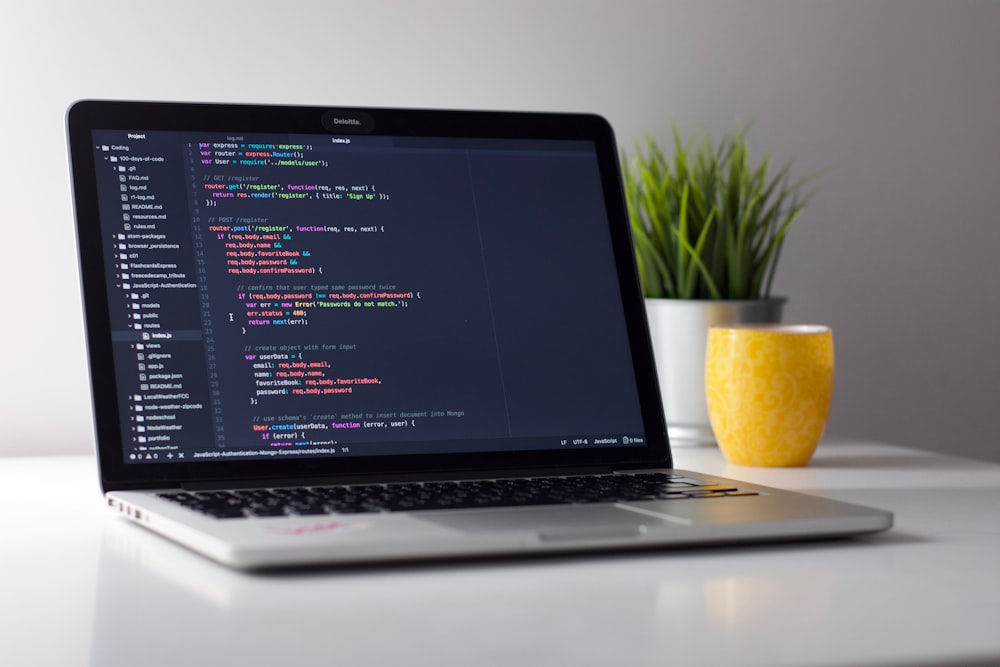
For deep work, sitting can be the better choice; standing may help more with busy work. A software engineer's day, for example, splits into two modes: "busy work" (answering emails, attending Zoom meetings, code reviews) and "deep work" (architecting complex systems, hunting down elusive bugs). A standing desk can change how you tackle each.
- Standing is for Energy: Standing can be a cheat code for boring tasks. With blood flowing and energy higher, you may feel a slight sense of urgency that makes tearing through a flooded inbox or staying engaged in a long status meeting easier. Taking video calls standing can also improve voice projection and keep you actively engaged.
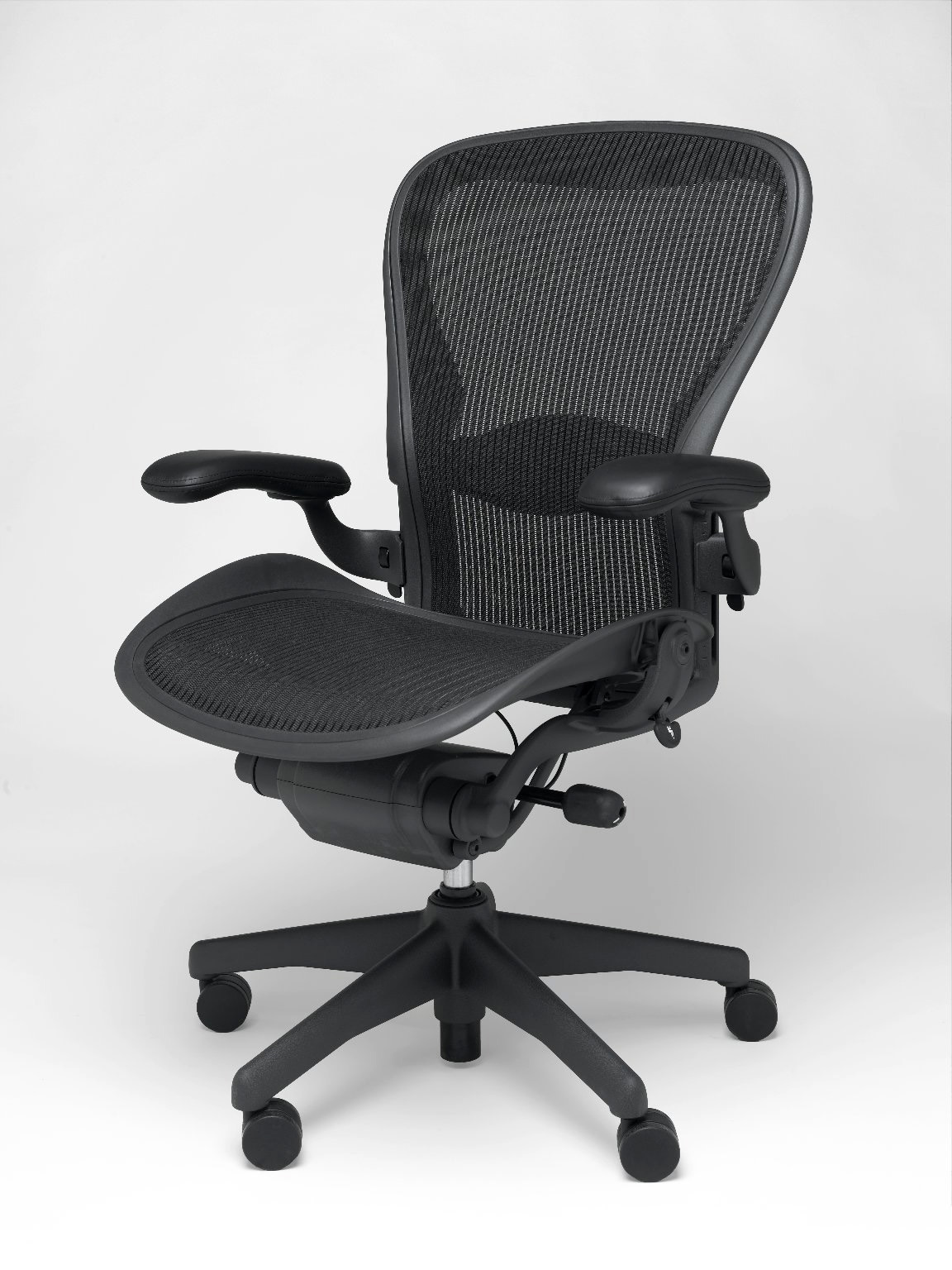
- Sitting is for Focus: For deep, focused coding, sitting may work better. When you're holding a complex mental model of an application in your head, you want zero physical distractions. While standing, part of your attention can drift to balancing, shifting your weight, or how tired your heels are getting. For deep work, a supportive ergonomic chair is still hard to beat.
Can a Standing Desk Fix Back Pain?
A standing desk alone won't fix back pain. Pressing a button to raise your monitor will not instantly reverse years of poor posture and weak core muscles.
What it can do is act as a physical catalyst. Shifting between sitting and standing means your hip flexors aren't constantly shortened. Standing also invites you to stretch your calves and twist your torso. It breaks the cycle of being locked into a rigid C-curve shape for eight hours straight.
Combined with strengthening your back at the gym, a standing desk can be a useful tool for keeping your spine moving during the workday. If pain persists, get it checked by a professional.
Is a Standing Desk Worth the Price?
A standing desk is worth the price if you use it every day. Motorized standing desks are not cheap: a good one with dual motors (so it doesn't wobble when you type) will run you several hundred dollars.
But consider how few other pieces of furniture or technology you use for most of every working day. Spread over a year of daily use, the 'cost per use' of a standing desk drops dramatically. It changes your physical relationship with your work environment.
If you have the budget and suffer from the classic "office worker aches," I think one is worth buying. Just remember: the goal isn't to never sit again. The goal is to never be trapped in one position.