Ergonomic Chairs and the Saddle Chair: A Practical Review for Long Sitting Hours
- Tech Lifestyle, Health
- Exienent
- · Updated
The short answer: a quality ergonomic chair with solid lumbar support and adjustable seat depth gives you a good base posture, and a saddle chair can add the movement that a single chair can't. Neither one cures back pain, but alternating between them may reduce the strain of long sitting hours. If your pain is persistent, see a doctor or physical therapist rather than relying on furniture alone.
If you're a developer, designer, or remote worker who spends over 10 hours a day glued to a monitor, you've probably experienced that stiff neck and lower back pain. The classic advice is simple: "Invest in a good chair. And sit up straight." It sounds like a cliché, but when the back pain becomes hard to ignore, those clichés start to feel like the truth. This guide looks at what makes an ergonomic chair worth the money and where a saddle chair fits in.
Are Expensive Ergonomic Chairs Really Worth the Money?
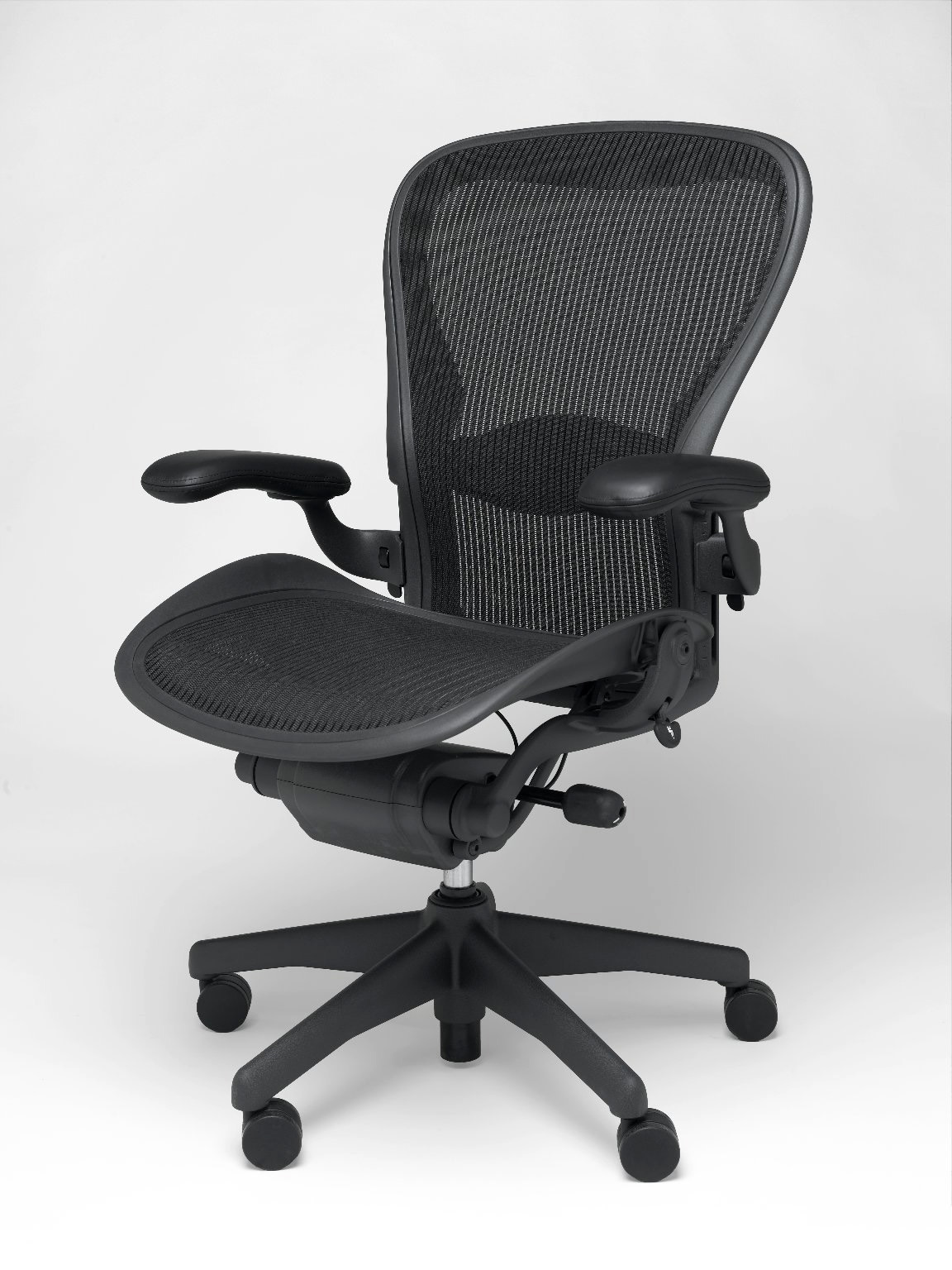
An expensive ergonomic chair can be worth it if you sit for long hours, because it supports the parts of your body that ordinary chairs leave unsupported. Chairs from renowned brands like Herman Miller Aeron, Humanscale, or Steelcase have notoriously steep price tags, and it's tempting to think, 'I'd rather buy another high-end monitor with that money.' However, once you weigh potential medical bills and the cost of lost productivity, investing properly in a chair can be more economical in the long run.
What Features Matter Most in an Ergonomic Chair?
- The Critical Role of Lumbar Support: With standard chairs, the lower back often floats without support. The core of an ergonomic chair lies in how firmly and custom-fit it supports this lumbar region based on your body shape.
- Adjustable Seat Depth: You need to be able to adjust the depth of the seat pan to match your leg length. This reduces pressure on your thighs, ensuring proper blood circulation, which is vital for long hours of concentration.
- Breathable Mesh Material: Even during sweaty summer months, a high-quality mesh material keeps you cool and comfortable.
A high-end mesh ergonomic chair that fits your body can disperse the pressure on your tailbone and lower back and may ease the stiffness that builds up over a workday. Yet something is still missing. No matter how good the chair is, staying in the same posture for a long time inherently puts a strain on the back.
What Is a Saddle Chair and How Does It Work?
A saddle chair is a backless seat shaped like a bicycle or horseback riding saddle, designed for a more active approach to posture correction. It has recently become a trend as a complement to a main ergonomic chair.
At first glance it is bewildering: there is no backrest, and the seat looks exactly like a saddle. "Can I actually get work done on this?" is a natural first reaction. The answer depends on how you use it—as a part-time alternative to your main chair rather than an all-day seat.
How Can a Saddle Chair Help Reduce Back Strain?
When you sit on a saddle chair, your legs naturally splay open, and your knees drop lower than your pelvis (usually creating an angle of about 135 degrees). This is identical to the posture of riding a horse, and it encourages your spine to maintain its natural S-curve.
- Forced Core Workout: Because there's no backrest, you have to use your core muscles (abs and erector spinae) to keep your upper body upright. The first days may bring some soreness in the lower back and abs from using muscles that usually go ignored, and your back may feel stronger once you adapt.
- Opening the Pelvis: Sitting at a strict 90-degree angle on a regular chair causes the pelvis to tilt backward, concentrating the load on the lower back. A saddle chair opens up the pelvis, naturally distributing the pressure exerted on the spine down through the legs.
- Freedom of Movement: Equipped with casters and allowing for easy shifting of body weight, it's fantastic for rolling around the desk and working dynamically.
Who Should Use a Saddle Chair?
A saddle chair suits people who want to break up long sitting sessions and engage their core, but it isn't a magic bullet. Sitting exclusively on a saddle chair for 8 hours straight puts too much strain on your core muscles. In my view, the best approach is alternating between a standard ergonomic chair and a saddle chair at roughly a 7:3 ratio.
- When writing long blocks of code or doing deep-focus writing, sit back deeply in the ergonomic chair.
- When the post-lunch food coma hits, or when your back starts to feel a bit stiff, switch to the saddle chair. Combining it with a standing desk allows for flexible height adjustments, and the two work well together.
If your core strength has weakened due to a prolonged sedentary lifestyle, a saddle chair can be a useful supplementary tool. If you have early symptoms of a herniated disc, ask a doctor or physical therapist whether it suits you before relying on one.
What Matters More Than Finding the Perfect Chair?
Postural variation matters more than any single chair. For us living in 2026, there is no single perfect chair. Even a multi-thousand-dollar luxury chair can hurt your spine if you sit in it completely motionless all day.
The most important thing is to establish a good base posture with a quality chair that fits you, and to frequently change your body's position using tools like a saddle chair or a standing desk. If you are suffering from back pain, before blindly searching for the most expensive chair, take a moment to evaluate your work environment and sitting habits, and get professional advice if the pain persists. And if you get the chance, why not try out this strange and fascinating saddle chair? It might just be the relief pitcher that helps you keep your S-curve.