Smart Indoor Hydroponic Gardens: An Honest 2026 Review
- Tech Lifestyle, Smart Home
- Exienent
- · Updated
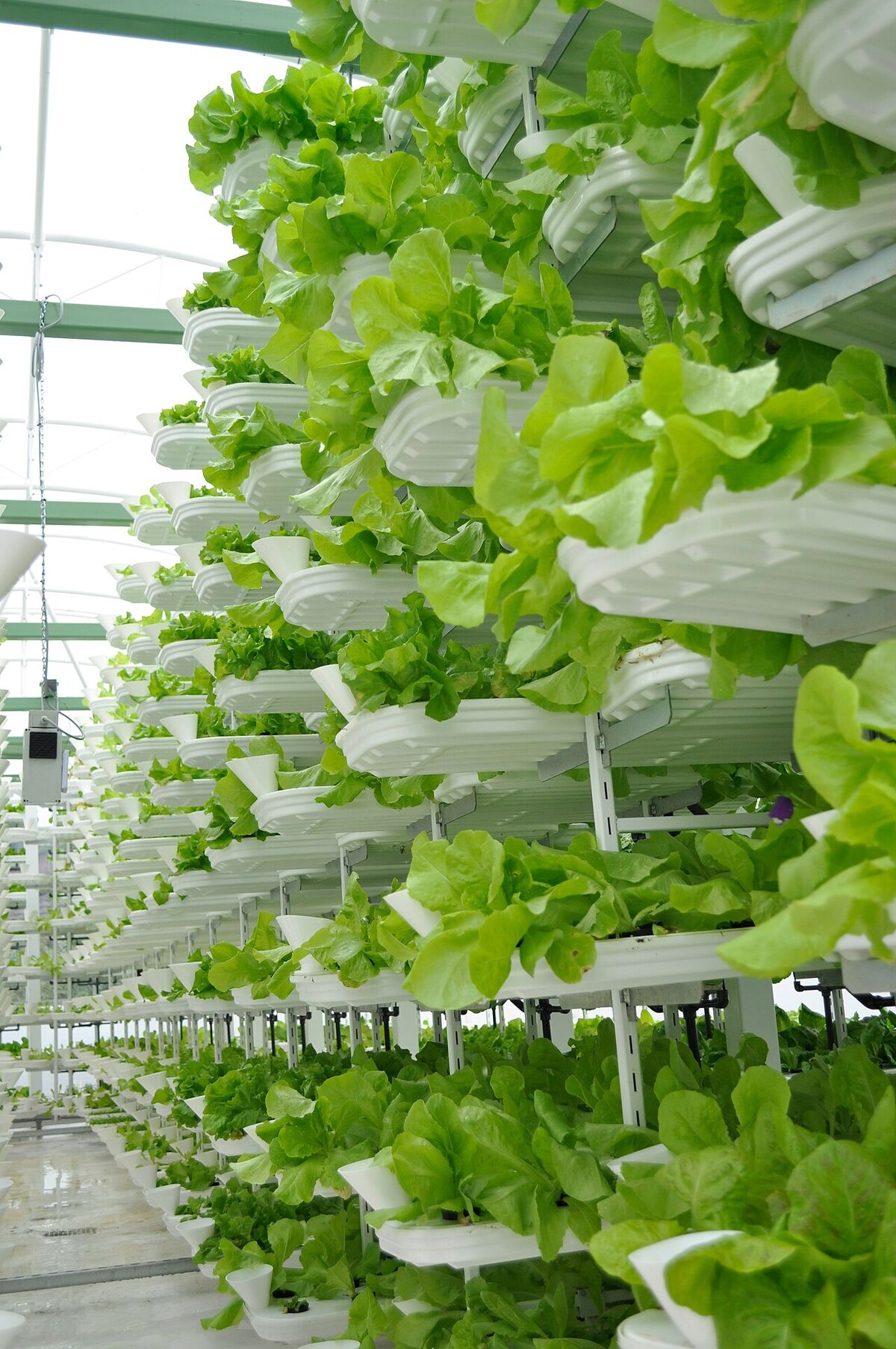
A smart indoor hydroponic garden is an automated, soil-free system that lets apartment dwellers grow leafy greens, herbs, and even cherry tomatoes indoors. The short answer to "is it worth it?" is yes for tech-minded people who value fresh food and the hobby itself, but not if you are judging it purely on grocery savings.
Grocery prices keep climbing, and not everyone has a backyard or a reliable green thumb. That is the gap these glowing vertical towers aim to fill. If you have seen them all over social media and wondered whether they actually work (or are just expensive lava lamps for plant nerds), here is what the setup, harvest, hidden costs, and long-term value look like in 2026.
What Is a Smart Hydroponic System?
A smart hydroponic system grows plants in nutrient-rich water instead of soil, with sensors and software handling most of the routine work. Traditional gardening relies on soil to deliver nutrients to roots. Hydroponics skips the dirt entirely: the roots hang directly into water mixed with a nutrient solution.
The "smart" part is the automation. A typical tower setup combines a water pump, an array of full-spectrum LED grow lights, and a small Wi-Fi-connected controller. That controller monitors the water level and pH balance and schedules the lights to mimic a 14-hour summer day, every day of the year.
How Hard Is It to Set Up an Indoor Hydroponic Garden?
Assembling the physical tower is the easy part. When the boxes arrive, the pile of parts can look like a small satellite kit, but putting it together is closer to grown-up Lego.
The real learning curve is the chemistry. Plain tap water is not enough. You need to measure the TDS (Total Dissolved Solids) and adjust the pH so the plants can actually absorb the nutrients you give them. The first week can feel less like gardening and more like mixing neon liquids in tiny vials. Once the smart controller is calibrated and linked to its app, though, it can send push notifications telling you exactly when to add a capful of 'Nutrient A' or 'Nutrient B'.
Does Hydroponic Produce Actually Taste Better?
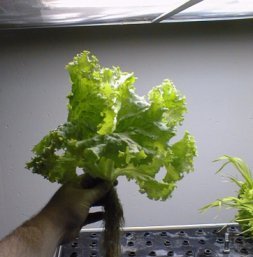
Freshness is the biggest advantage, and it can make a noticeable difference in taste and texture. The plants grow in a controlled environment without pesticides, and the time from harvest to salad bowl can be under a minute.
That freshness can show up as crisp butterhead lettuce that practically snaps and basil with an intense, room-filling fragrance. Towers like these can handle a mix of leafy greens, cherry tomatoes, and various herbs, and fast-growing greens such as arugula can be ready to harvest within a few weeks of planting, potentially faster than in soil.
What Are the Hidden Downsides and Maintenance?
A smart garden is not entirely set-it-and-forget-it. Before buying, plan for these realities:
- The Light Is Intense: Full-spectrum LED grow lights are exceptionally bright. In a living room, that means a blazing purple-white sun shining for 14 hours a day. You may need a partition or careful placement to keep the glare away from your TV.
- The Noise: Expect a constant, gentle trickle of water and the occasional hum of the pump kicking on. Some people find the sound soothing, like an indoor waterfall, but if you need dead silence, keep the tower out of the bedroom.
- Regular Cleaning: The system needs periodic flushing (for example, monthly) to prevent algae buildup. That means draining the tank, wiping down the root chambers, and refilling with fresh balanced water. It is not hard, but it is a chore.
Is a Smart Indoor Garden Worth the Investment?
Financially, a smart garden is a slow payback. The costs to budget for are the upfront hardware, seeds, and sensors, plus ongoing monthly electricity for the LEDs and pump and a steady supply of nutrient solution.
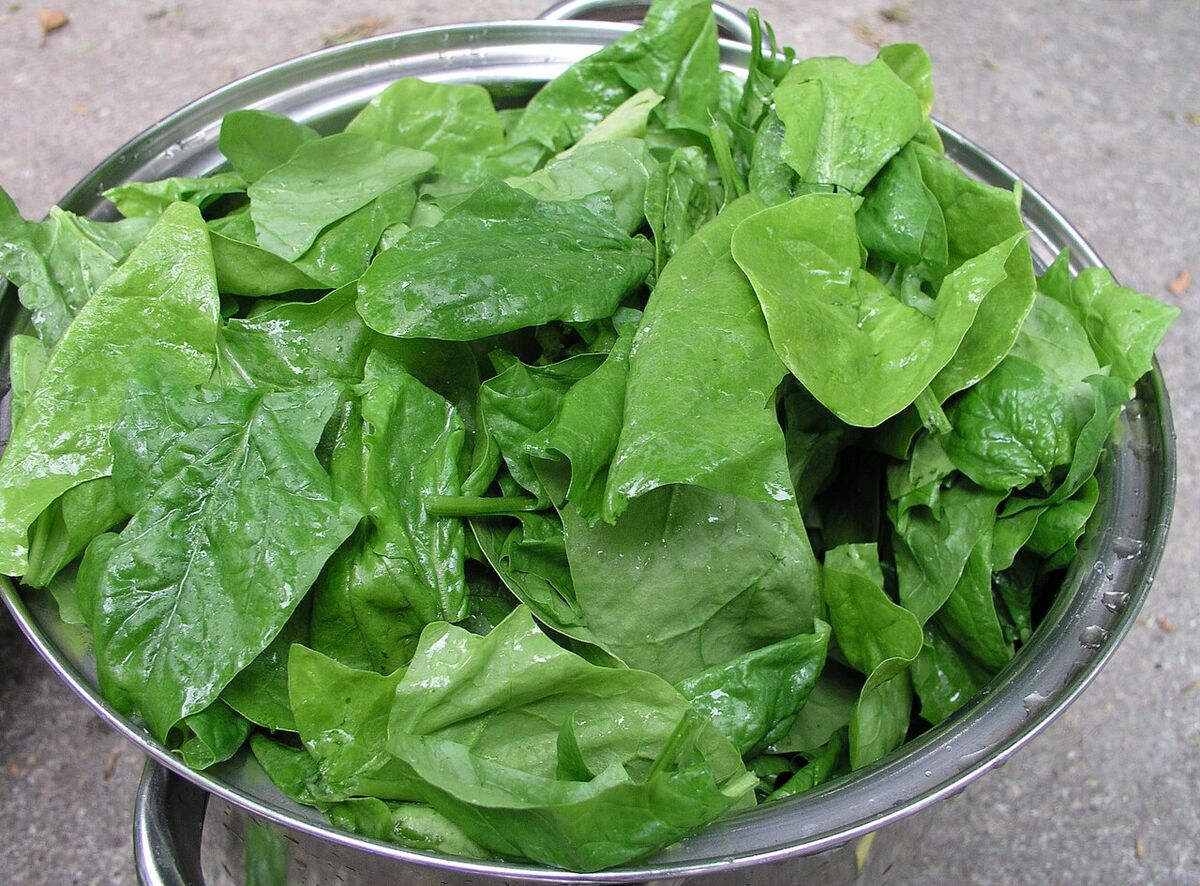
Measured only against buying bags of spinach at the grocery store, the payback period can stretch out for a long time, potentially years.
Judging it strictly on financial ROI misses part of the point, though. In my view, the real draw is the experience: a room filled with vibrant greenery during gray winter months, and the satisfaction of eating something you grew from a seed in your own living room. Those benefits are hard to put a price on.
If you are a tech lover who wants a high-yield, low-friction entry into growing your own food, a smart hydroponic setup in 2026 can be a fantastic project. Just keep a pair of sunglasses handy for the living room.