Water-Cooling Smart Mattress Pads: Does Active Cooling Really Improve Sleep?
- Health, Technology, Review
- Exienent
- · Updated
An active water-cooling smart mattress pad circulates temperature-controlled water under you all night, physically pulling heat away from your body. For chronic hot sleepers it may help prevent the 3 AM overheating that breaks up sleep, but the bedside hub makes noise, needs monthly cleaning, and the price runs from $800 to over $2,000.
We have all been there. You wake up at 3 AM, kicking off the blankets because you are suddenly boiling hot, only to pull them back up an hour later when the chill sets in. It's easy to blame fragmented sleep on stress or too much screen time, but the culprit can be something much simpler: core body temperature.
That's the problem these pads target. You might have seen them popping up online—they are essentially thin mattress toppers with a network of tiny silicone tubes running through them. A bedside hub pumps water through these tubes, constantly regulating the exact temperature of your bed. Are they the ultimate biohacking tool for deep sleep, or just an overly expensive waterbed?
Why Does Temperature Matter So Much for Sleep?
Temperature matters because your body's core temperature needs to drop by about two to three degrees Fahrenheit to initiate and sustain deep sleep.
Traditional memory foam mattresses are notoriously terrible at this. They trap your body heat, acting like a giant thermal oven. You fall asleep fine, but a few hours later, that trapped heat forces your body to wake up to cool down.
An active cooling pad solves this by physically removing the heat. Instead of relying on passive "cooling gels" that just absorb heat until they become warm too, the constant flow of water actively pulls heat away from your body and exhausts it out of the bedside hub.
How Do You Set Up a Water-Cooling Mattress Pad?
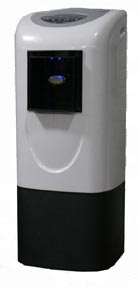
Setup is surprisingly straightforward, though a bit quirky. You strap the thin pad over your mattress, connect a braided hose to a bedside unit that looks like a sleek PC tower, and fill the reservoir with distilled water (and a drop of hydrogen peroxide to keep the tubes clean).
The app integration is where things get interesting. You don't just set one temperature for the whole night. The real magic happens with automated temperature scheduling.
Here is an example of what a thermal profile can look like:
- Bedtime (11:00 PM): A cozy 75°F (24°C) to help you fall asleep quickly.
- Deep Sleep Phase (1:00 AM - 4:00 AM): Drops to a brisk 64°F (18°C) to support deep sleep.
- Wake Up Phase (6:30 AM): Warms up to 80°F (26°C), acting as a gentle thermal alarm clock.
What Are the Benefits of Active Cooling?
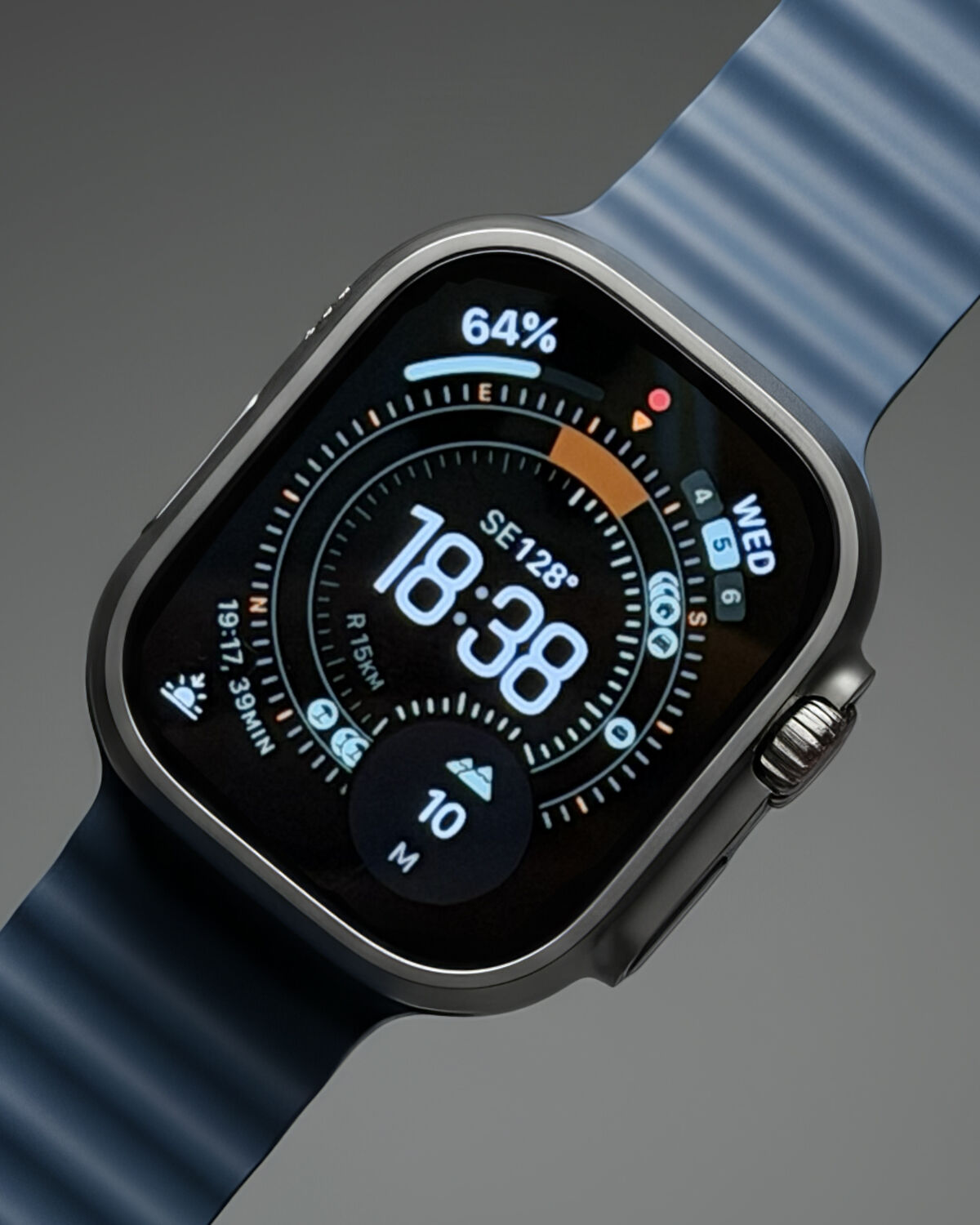
The main benefit is keeping a hot sleeper's bed from heating up over the night, and a wearable sleep tracker can show whether it changes your own sleep data.
- Fewer Night Sweats: For naturally hot sleepers who regularly wake up sticky in the middle of the night, constant heat removal may stop overheating from waking them.
- Potentially More Deep Sleep: Because deep sleep depends on a cooler core temperature, a dialed-in cold profile may help some people get more of it. Results vary, so track your own numbers before and after.
- Waking Up Can Be Pleasant: Using heat as an alarm clock is a game-changer. Being gently warmed awake can feel far more natural than being jolted out of sleep by a blaring alarm tone.
What Are the Downsides: Noise, Maintenance, and Price
No piece of technology is perfect, and there are some serious caveats to consider before buying one of these systems.
- The Hub Makes Noise: The bedside unit houses a pump and fans to cool the water. It sounds like a computer running a heavy task or a loud white noise machine. If you need absolute silence to sleep, this will bother you. Fans of white noise may not mind, but it is noticeably louder than a quiet room.
- Routine Maintenance: You can't just set it and forget it. Every month, you have to flush the system with a cleaning solution to prevent algae or bacteria from growing in the warm water tubes. It's an annoying chore that takes about 30 minutes.
- It Is Not Cheap: High-quality dual-zone smart mattress pads cost anywhere from $800 to over $2,000. It is a massive investment.
Is an Active Cooling Mattress Pad Worth It?
If you occasionally sleep a little warm, a simple fan or switching to breathable linen sheets is probably all you need.
However, if you are a chronic hot sleeper or a data-driven biohacker obsessed with maximizing recovery, an active water-cooling pad is arguably one of the strongest sleep tech options available. Persistent night sweats can have medical causes, so they are worth raising with a doctor rather than solving with gadgets alone.
By controlling your bed's temperature regardless of the room, it can remove one common source of thermal disruption. While the maintenance is a chore and the price tag is steep, waking up refreshed instead of in a 3 AM heat-induced panic is worth a lot.