2026 Lab-Grown Meat Review: Is It Finally Ready for the Dinner Table?
- Technology, Lifestyle
- Exienent
- · Updated
Lab-grown (cultured) meat in 2026 is close to dinner-table ready in some formats but not yet in others. Cultured chicken and ground meat can closely mimic the real thing, whole-cut beef still struggles to replicate the richness of marbled fat, and price remains the biggest barrier to everyday shopping.
Lab-Grown Meat (or Cultured Meat) has been constantly popping up in the news and across social media. In the past, it felt like something out of a sci-fi movie, or an outrageously expensive experiment confined to a laboratory. By 2026, however, it is finally moving beyond exclusive high-end test kitchens into pilot commercial restaurants. For dedicated meat lovers who have been disappointed by plant-based alternatives—their sometimes crumbly texture or distinct soy aftertaste—cultured meat made from actual animal cells holds real promise. Here is what is known about how it compares.
What Does Lab-Grown Meat Look Like?
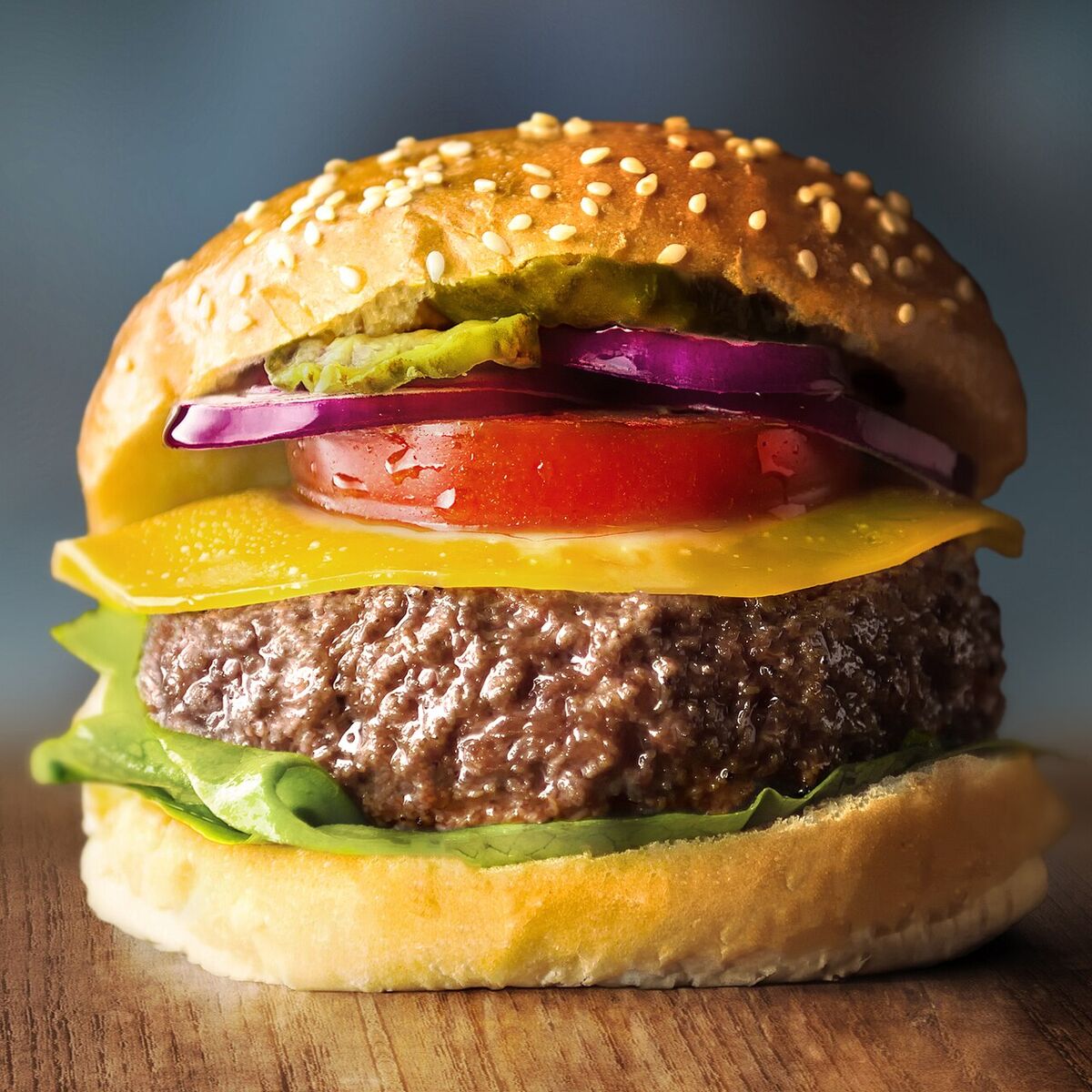
Visually, lab-grown chicken nuggets and burger patties can look identical to the meat you’d find at any fast-food joint or supermarket. The glossy surface, the browned crust from the Maillard reaction, and the juices that ooze out when it is cut are all part of how cooked cultured meat presents.
No animals are slaughtered to produce it. Instead, stem cells are safely extracted and nurtured in a bioreactor, fed with amino acids, vitamins, and nutrients until they grow into muscle and fat tissue. Knowing you are looking at an assembly of lab-grown cells is one thing; the visual cues and rich, savory aroma of the cooked product are another, and they can make it hard to tell apart from conventional meat.
How Does Cultured Chicken Compare to Real Chicken?
Cultured chicken is where the technology is most convincing. A cultured chicken nugget can deliver the crunch of the breading followed by the distinct, fibrous texture of real chicken breast, without the dryness or artificial aftertaste that often plagues plant-based substitutes.
The savory umami and stringy, muscular mouthfeel of chicken can come through intact. In a blind setting, it may be very difficult to tell whether the chicken came from a farm or a bioreactor. That reflects how far the technology of co-culturing muscle and fat cells has advanced by 2026.
There is one possible difference. Because cultured chicken can be flawlessly tender and uniform, it may lack the slight, unpredictable irregularities of real chicken (like the occasional bit of gristle or tougher fiber). That near-perfection can lend it a slightly processed feel. For use in a sandwich, a salad, or a nugget, however, that uniformity is hardly a drawback.
Can Lab-Grown Beef Replicate the Fat?
Not yet, at least not fully. Beef is notoriously much harder to cultivate than chicken because its flavor relies heavily on a complex muscle structure and intramuscular fat (marbling).
A cultured beef patty can deliver an undeniably beefy first impression—the charred, smoky taste from the grill and the inherent meatiness. The harder part is what comes after that first bite.
The complex, melt-in-your-mouth richness of fat marbling in premium cuts like Wagyu or high-grade Angus has not yet been fully replicated. The muscle texture can be good, but the fat flavor may come across as one-dimensional and flat. As a ground beef patty for a heavy, sauce-laden burger or taco, it can work well. As a whole-cut steak, there are clearly some technological hurdles left to clear.
What Is the Value of Cellular Agriculture Beyond Taste?
The case for cultured meat goes beyond grading its flavor. No animals have to die for the meal, which can offer real psychological satisfaction. The method can practically eliminate greenhouse gas emissions, water pollution, and the risks of livestock diseases (and antibiotics), which makes its appeal hard to deny.
However, the price barrier remains steep. Cultured meat dishes still cost well above a premium artisan burger meal. While production costs have plummeted to a fraction of what they were a decade ago, we are still a long way from the average consumer casually grabbing a pack of this off a supermarket shelf.
Is Lab-Grown Meat Worth Buying in 2026?
The short answer: "Yes, but only when the price drops."
Lab-grown meat in 2026 has crossed a critical technological threshold. It replicates much of the authentic texture and flavor that plant-based meats have historically failed to capture. Chicken breast and ground meat formats could plausibly slot into fast-food menus without many diners noticing.
Ultimately, the future of this food depends on two things: achieving economies of scale to drive down the price, and overcoming the public's 'ick factor' regarding lab-grown food. Right now, it's an expensive novelty for early adopters. But I believe this technology will fundamentally reshape our dinner tables in the near future. If you care about the environment and animal welfare but refuse to give up the joy of eating meat, keep a close eye on this space. The day may come when seeing a "Slaughter-Free" label on meat at the grocery store is the new normal.