The Day a Robot Grabbed a Rocket: Why SpaceX's IFT-5 Changes Everything
- Technology, Hardware, Review
- Exienent
- · Updated
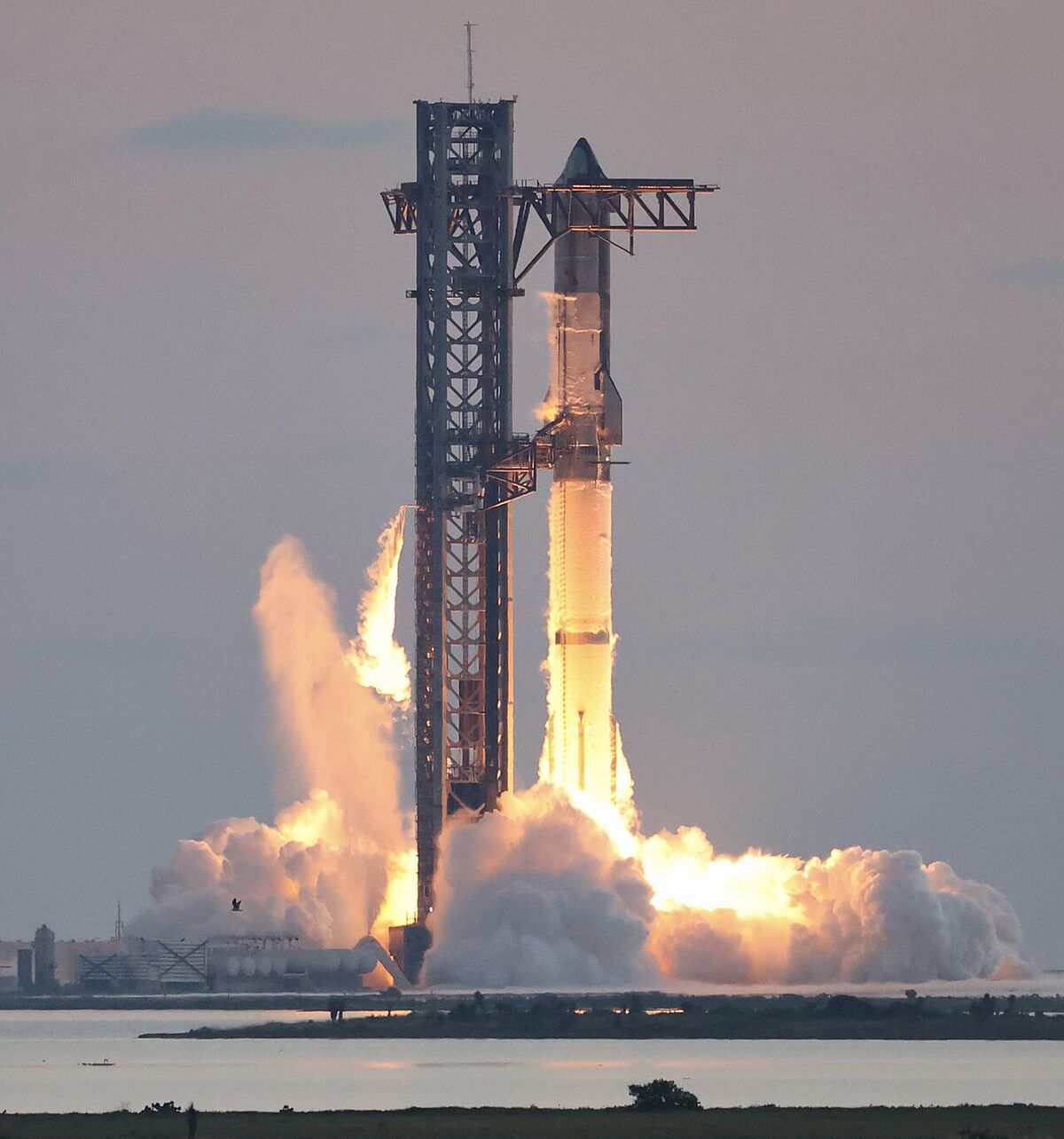
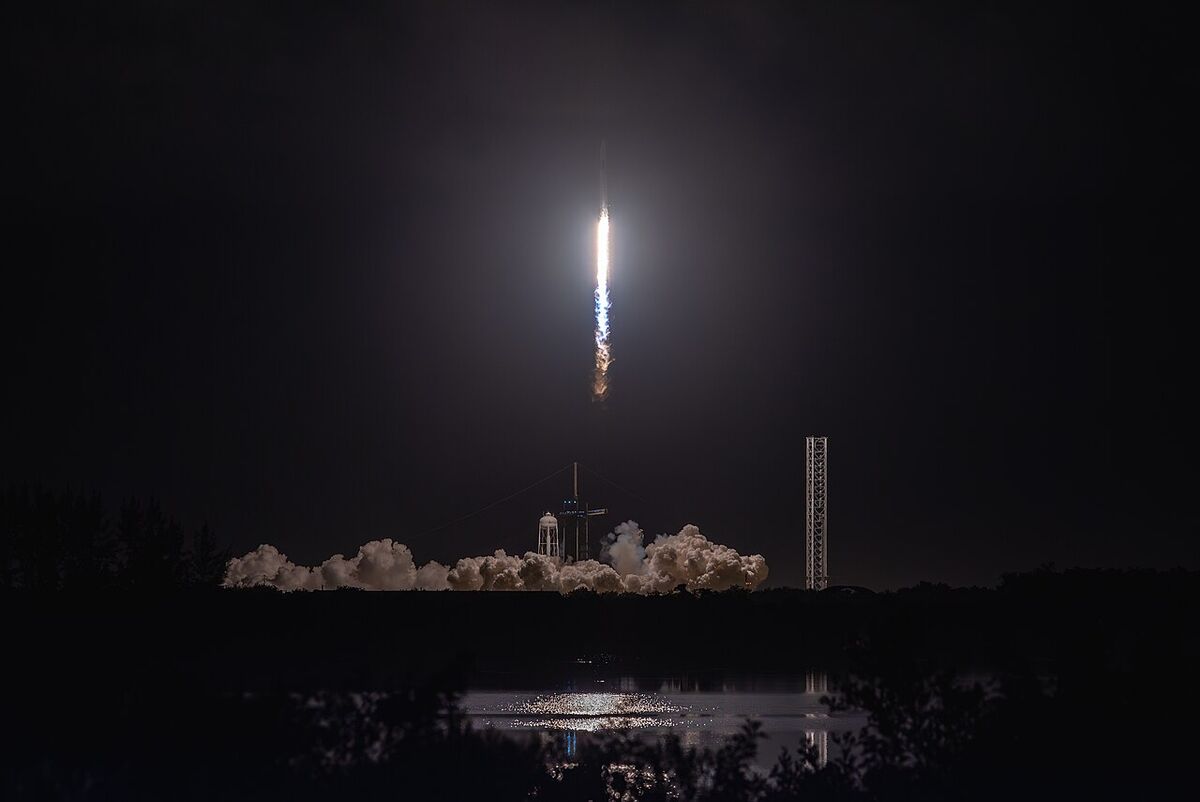
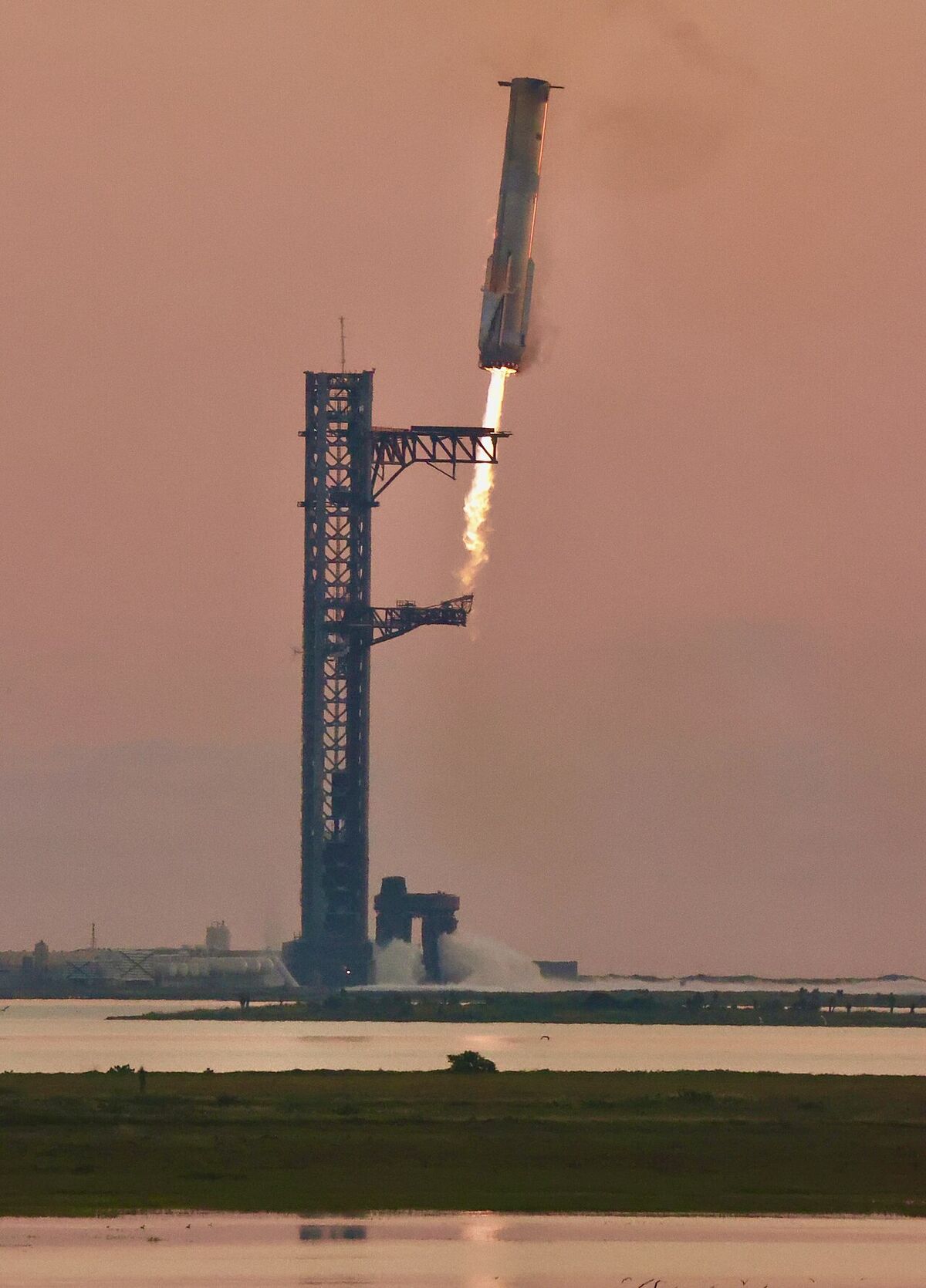
On October 13, 2024, during SpaceX's Starship Flight 5 (IFT-5), the launch tower's mechanical arms caught a returning Super Heavy booster in mid-air. I genuinely believe it is the most significant moment in aerospace history since the Apollo 11 moon landing, because catching the booster on the launch mount makes rapid, aircraft-like rocket reuse possible.
Did you watch it? On the live stream, a 71-meter-tall steel building fell out of the sky at supersonic speeds, ignited its engines at the very last possible second, hovered, and gently slid into the massive mechanical arms of the launch tower—affectionately known as Mechazilla.
It looked like bad CGI from a 1950s sci-fi movie. But it was entirely real.
Why Does Catching a Rocket Matter?
Catching the booster matters because of the economics and speed of reusability. SpaceX already lands its Falcon 9 rockets on drone ships all the time, so you might ask, "Okay, that's a neat party trick, but what makes this so special?"
When a Falcon 9 lands on a ship in the ocean, it takes days to sail it back to port, unload it with massive cranes, transport it to a refurbishment facility, inspect it, and eventually get it back to the launch pad. It's reusable, but it's a slow, cumbersome process.
Starship is designed to operate like an airplane. By catching the Super Heavy booster directly on the launch mount using the Mechazilla arms, SpaceX eliminated the need for landing legs (saving crucial weight and increasing payload capacity). More importantly, the booster is instantly back where it needs to be. In theory, SpaceX could inspect it, stack a new upper stage on top, refuel it, and launch it again in hours, not weeks.
How Risky Was the Mechazilla Catch?
Extremely. Think about the sheer audacity required to even attempt it.
An incredibly complex, highly explosive vehicle is plummeting back to Earth. Instead of landing it in an empty field or the middle of the ocean, where a failure only hurts the fish, SpaceX actively steered it back to its own multi-billion dollar launch infrastructure.
If the navigation had been off by just a few meters, or if the engines hadn't ignited precisely when commanded, the booster would have annihilated the launch tower, setting the entire Starship program back by years. The confidence SpaceX engineers had in their software, their telemetry, and their Raptor engines is frankly mind-blowing.
What Does IFT-5 Mean for the Future of Spaceflight?
It changes what we can do in Low Earth Orbit right now, not just the path to Mars, although Mars remains Elon Musk's ultimate goal.
- Mega-Constellations: Deploying next-generation Starlink satellites (which are too large for Falcon 9) becomes radically cheaper.
- Space Stations: We could lift massive, fully assembled modules into orbit in a single launch, making the construction of commercial space stations vastly more practical.
- Deep Space Science: Imagine what telescopes or planetary probes we could build if launch mass and volume were practically unlimited.
The sci-fi future just became reality. The era of single-use rockets is effectively over, and the era of rapid, aircraft-like spaceflight has begun. I can't wait to see what SpaceX does for Flight 6.