Can an AI Generate an Entire Podcast in 2026? Here's What It Sounds Like.
- AI & Data, Review
- Exienent
- · Updated
Yes: in 2026, AI podcast generators can turn a few documents into a complete, two-host podcast episode with no microphone, no voice, and no script. The audio quality is studio-grade and the delivery is surprisingly human, but over a full episode the illusion cracks, and the format is far more valuable as a way to absorb information than as a replacement for human shows.
A few years ago, starting a podcast meant buying a decent studio microphone (like the classic Neumann U87 you see in every behind-the-scenes video), learning how to edit out heavy breathing in Audacity, and trying desperately to find a co-host who wouldn't flake on you. Today, you don't even need a voice.
How Does an AI Podcast Generator Work?
An AI podcast generator works by turning your source material into a scripted conversation and then voicing it. The latest tools are heavily inspired by the early days of Google's NotebookLM.
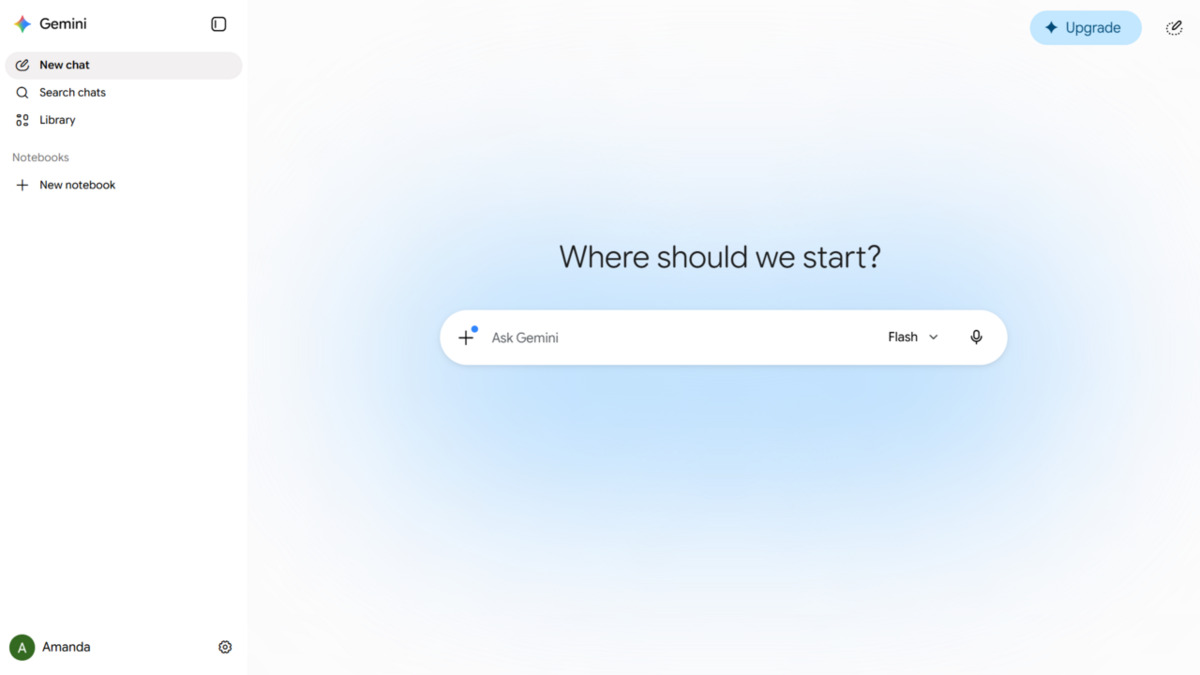
The process is almost insultingly easy. There is no recording booth. You drag and drop your source material, such as PDFs about the history of mechanical keyboards or a link to your own blog, into the web interface. A niche topic you know well is a good test, because it shows whether the AI hallucinates facts or gets nuanced debates, like linear versus tactile switches, right.
Then you click "Generate Audio Overview."
Behind the scenes, a large language model synthesizes the documents, writes a conversational script between two distinct "hosts," and feeds that script into a text-to-speech engine with advanced emotional modeling.
Does AI-Generated Podcast Audio Sound Human?
For the first few minutes, AI-generated podcast audio can sound remarkably human, to the point of landing in the uncanny valley. Picture two hosts, call them "Alex" and "Sam," casually bantering about Topre switches.
The audio quality can be flawless, like an NPR production recorded in a sound-treated room. But the real trick, and the source of the uncanny valley, is the pacing.
These AI hosts don't just read the text; they perform it. When "Alex" explains the actuation force of a Cherry MX Blue, "Sam" can interject with a perfectly timed, "Oh, wow, so that's why they are so loud." There are audible breaths before long sentences, slight stumbles with immediate self-corrections ("...the PCB, or rather, the printed circuit board..."), and chuckles.
It can genuinely sound like two friends geeking out over hardware, and a casual listener in the car might never guess it was synthesized.
Where Does the Illusion Break?
The illusion breaks as a longer episode wears on and patterns start to show.
- The "Agreeable" Trap: AI hosts are designed to be agreeable and enthusiastic. Every point can be met with, "That is such a great point," or "Absolutely, I couldn't agree more." It lacks the natural friction or gentle pushback of real human conversation and can feel almost like a corporate infomercial.
- Emotional Mismatch: If the source document complains about the high cost of custom artisan keycaps, the AI may summarize it correctly but deliver it in an oddly upbeat tone, as if spending a lot on a single piece of plastic were exciting. The emotional tone doesn't always match the context.
- The "Fake Laugh" Echo: The chuckles are impressive at first, but a host can end up reusing the exact same synthesized laugh. Once you hear the pattern, you can't unhear it.
What Is the Real Value of Generative Audio?
The real value of generative audio is as a tool for consuming information, and there it is revolutionary.
Dry academic papers and technical whitepapers are hard to get through. Turning those PDFs into a short, casual podcast you can listen to while doing the dishes changes that. It is a powerful study hack.
For creators, the implications are massive. You can offer an "Audio Version" of your newsletter or blog without hours in a booth, and you can translate written content into fully produced audio in 20 different languages, complete with culturally appropriate banter.
Can an AI Podcast Replace Human Hosts?
Not yet. An AI-generated podcast about keyboards will probably never win a Webby award, because it lacks the raw, unpredictable soul of human connection that makes the best podcasts compelling.
However, as an information synthesis tool, I think the AI podcast generator in 2026 is nothing short of magic. Audio content is no longer just recorded; it is rendered. Just be prepared for your next favorite podcast hosts to be made of code.