Can You Rely on Robot Delivery for a Month? The 2026 Reality
- AI & Data
- Exienent
- · Updated
Autonomous sidewalk robots can now handle small local errands, such as single meals, forgotten ingredients, and pharmacy runs, more cheaply and predictably than human couriers. They still can't climb stairs, ride out heavy snow, or carry a big grocery haul, so the realistic future is robots for short, simple trips and humans for the complex ones.
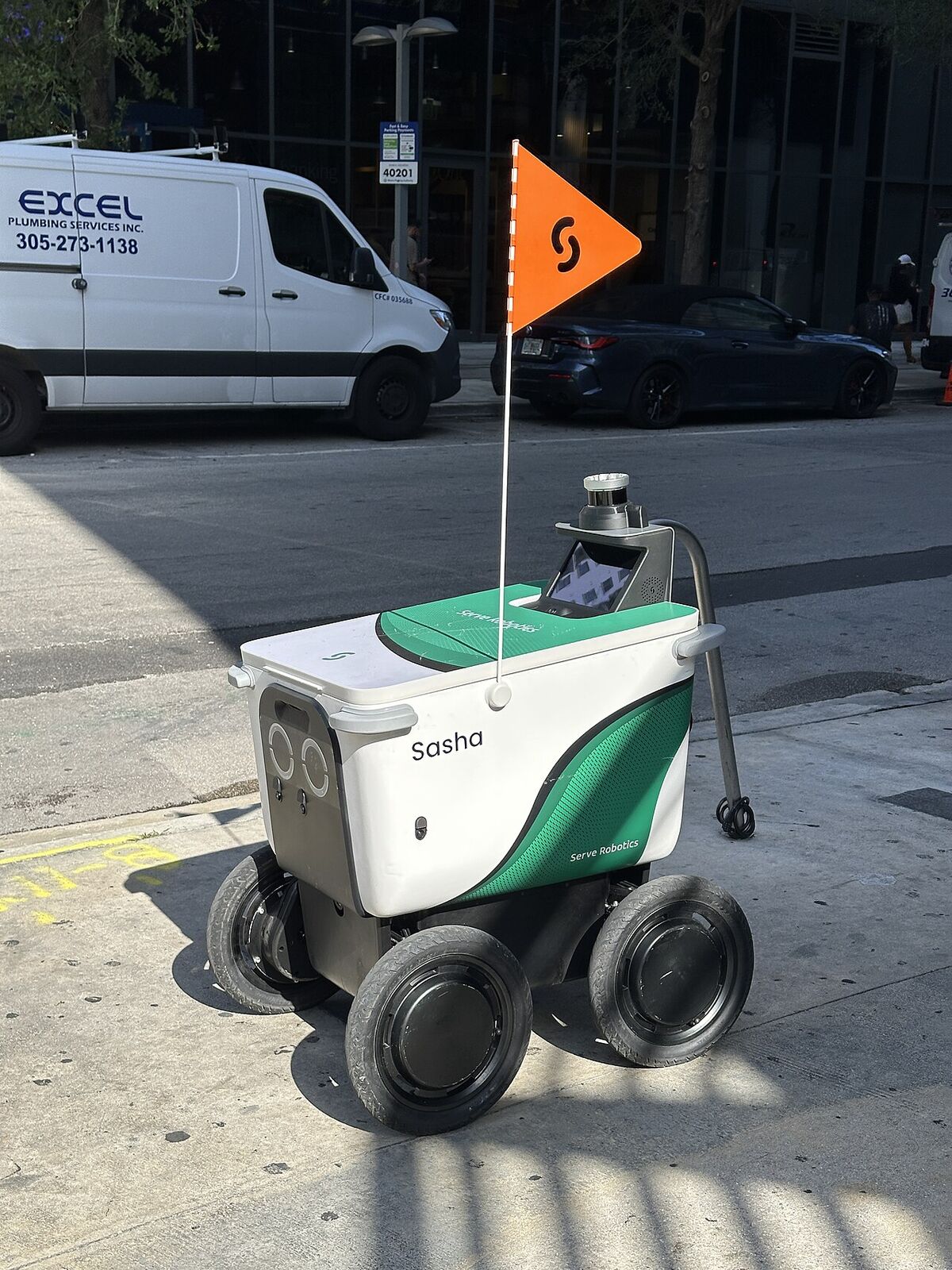
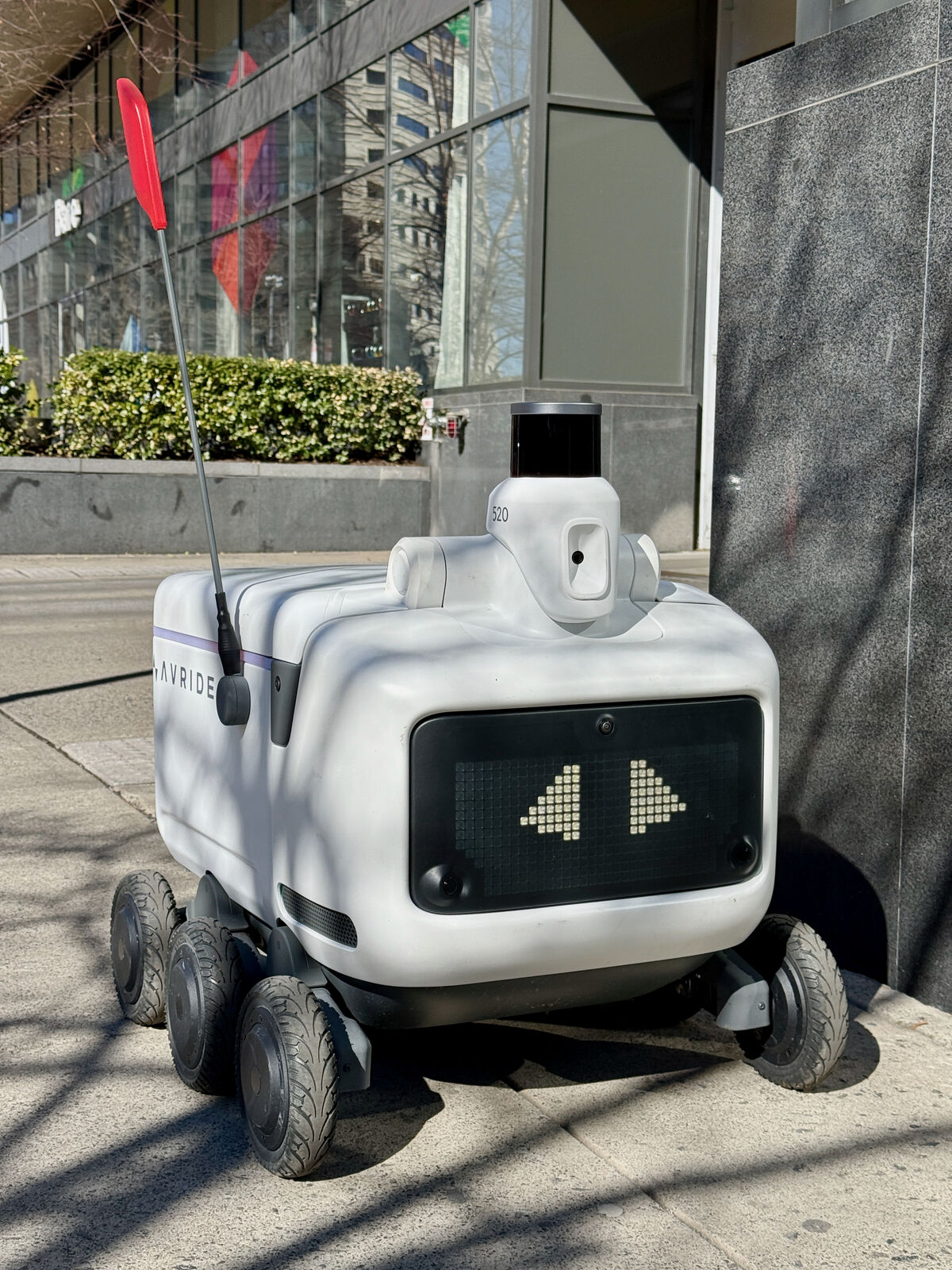
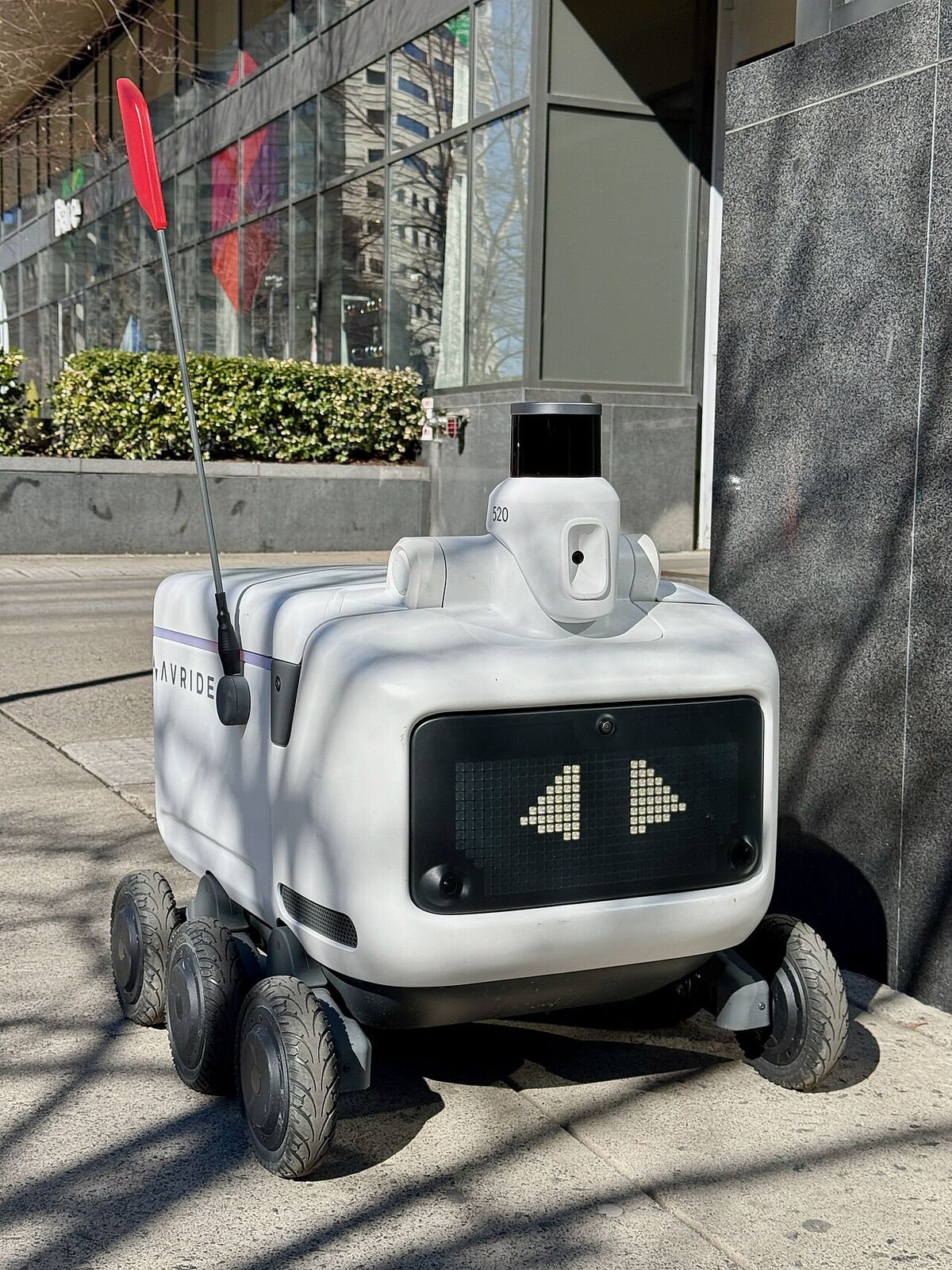
A few years ago, spotting a small, six-wheeled cooler rolling down the sidewalk was a viral novelty. People would stop, stare, and take videos for social media. By 2026, in some mid-sized suburban cities, these autonomous delivery rovers have become as commonplace as mail trucks. That rapid expansion of "last-mile" infrastructure raises a practical question: could you skip the car for every local errand for 30 days, with no grocery runs, no takeout pickups, and no quick pharmacy trips, and rely on robots instead?
How Does Robot Delivery Work in 2026?
Robot delivery works through the same delivery apps people already use. The landscape has evolved well past the clunky prototypes of the early 2020s, and several major platforms now dominate the sidewalks.
Ordering is frictionless. At checkout, you see a "Robot Delivery" option. It is almost always cheaper than human delivery because you aren't paying a tip, and the base fee is lower.
Once dispatched, you track the rover via GPS just like a human driver. When it arrives at your driveway, it sends a notification. You walk out, tap an unlock button on your phone, the lid pops open, you grab your Pad Thai, and the little machine politely turns around and hums away.
What Do Delivery Robots Do Well, and Where Do They Struggle?
Delivery robots are strongest on predictability, cost, and temperature control, and weakest on doorstep access, bad weather, and capacity. Orders can range from hot pizzas and cold groceries to emergency cold medicine.
The Pros:
- Predictability: Unlike a human driver who might get lost, take a wrong turn, or stop for gas, the robots follow mathematically optimized paths, so the arrival time shown in the app can be very accurate.
- Cost Savings: Skipping the $5-$10 tip on every coffee or takeout order adds up fast. Over a month of frequent orders, the savings on delivery fees and tips compared to traditional human couriers can be substantial.
- Temperature Control: The newer models have actively climate-controlled compartments, so ice cream can arrive frozen and burgers can arrive hot. That beats a lukewarm paper bag sitting on a passenger seat.
The Cons:
- The "Last 50 Feet" Problem: This is the biggest friction point. A robot cannot walk up the stairs to a third-floor apartment, nor can it leave a package on your porch. You must be home, awake, and willing to put on shoes to walk to the curb to retrieve your items.
- Weather Vulnerability: They handle light rain fine, but a moderate snowstorm can ground an entire robot fleet for days. If you rely on them during extreme weather, you may go hungry.
- Capacity Limits: They are designed for one or two bags of groceries. You cannot order a week's worth of bulk items from Costco and expect it to fit in a single rover.
How Do People Treat Sidewalk Robots?
People can come to treat sidewalk robots as part of the neighborhood, and the robots are built to handle them politely. The AI vision systems on these rovers are advanced: if a dog walks by, they stop, and if a group of kids blocks the sidewalk, they wait or attempt to route through the grass.
If someone deliberately blocks a robot, it can simply pause, play a gentle pre-recorded "Excuse me, I'm on a delivery" chime, and wait. If the obstruction continues, a human oversight team can take over remotely and speak through the rover's speaker.
Vandalism isn't necessarily the problem many expect. Residents can come to accept the robots as part of the neighborhood infrastructure, much like a fire hydrant or a streetlamp.
Should You Switch to Robot Delivery?
For single meals, forgotten ingredients, or pharmacy runs, I think robot delivery is the better choice. It is cheaper, environmentally cleaner (electric vs gas cars), and reliable. The technology has moved from "gimmick" to "utility."
However, robots aren't replacing human drivers entirely anytime soon. For large grocery hauls, terrible weather, or complex drop-off locations (like high-rise apartments), human couriers remain essential. The future of delivery isn't robots replacing humans; it's a tiered system where robots handle the simple, short-range trips, freeing up humans for the complex ones.