Robot Barista vs. Your Local Cafe: An Honest Look at Automated Coffee
- Technology, Lifestyle
- Exienent
- · Updated
A robot barista is a fast, highly consistent way to get functional caffeine, but it is not a replacement for a good local cafe. It excels at the science of coffee—identical tamping, temperature and timing every time—while falling short on customization, human warmth and coping with simple problems like an empty milk carton. And it is not necessarily cheaper.
Why Are Robot Cafes Suddenly Everywhere in 2026?
Robot cafes have moved from novelty to everyday infrastructure. A few years ago, a robotic arm spinning a paper cup behind a glass pane was something you filmed at an airport or a tech convention, posted on social media, and forgot.
In 2026, fully automated, human-less robot cafes are popping up in office building lobbies, train stations, and even on regular street corners. The marketing promises perfection: no messed up orders, no long wait times, and a perfectly extracted cup of coffee every single time. For anyone who spends a lot at an indie coffee shop, the obvious question is whether a glowing robot in a co-working lobby could replace that habit entirely.
What Does a Robot Barista Do Well?
The real appeal comes down to two things: speed and consistency.
If you are running late for a morning meeting, the last thing you want is to stand behind someone ordering a half-caff, oat milk, sugar-free vanilla latte with extra foam while the barista looks visibly stressed.
With a robot barista, the transaction can be beautifully frictionless. You order on the companion app while walking to the building, the app gives you a precise ready time, and the drink is waiting when you arrive.
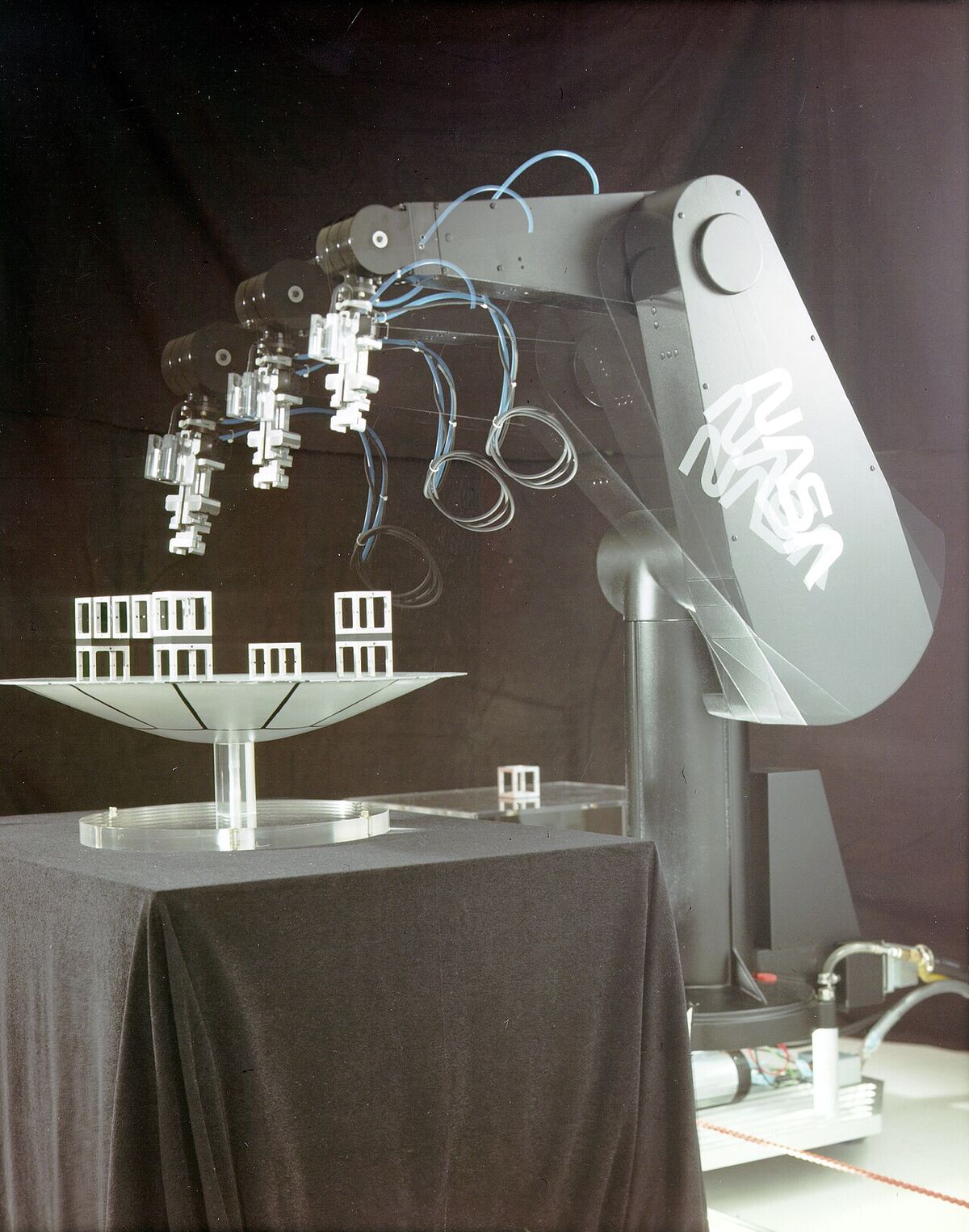
The consistency of the extraction is genuinely impressive. These aren't the cheap vending machines of the 2010s that dispensed brown water. A modern robot barista is essentially operating a commercial-grade espresso machine. It tamps the grounds with the exact same pressure every time and pulls the shot at the exact same temperature, so a Tuesday morning flat white can taste identical to a Friday afternoon one. For a creature of habit, that level of predictability is comforting.
Where Does a Robot Barista Fall Short?
Robot baristas master the science of coffee but not the art of it, and the novelty can wear off quickly.
Customization is rigidly limited. You can adjust the syrup pumps or switch to oat milk via the app, but you can't ask a robot to make your drink "just a little less sweet than usual." If the preset algorithm decides a caramel macchiato gets three pumps of syrup, you are getting three pumps. There is no room for nuance.
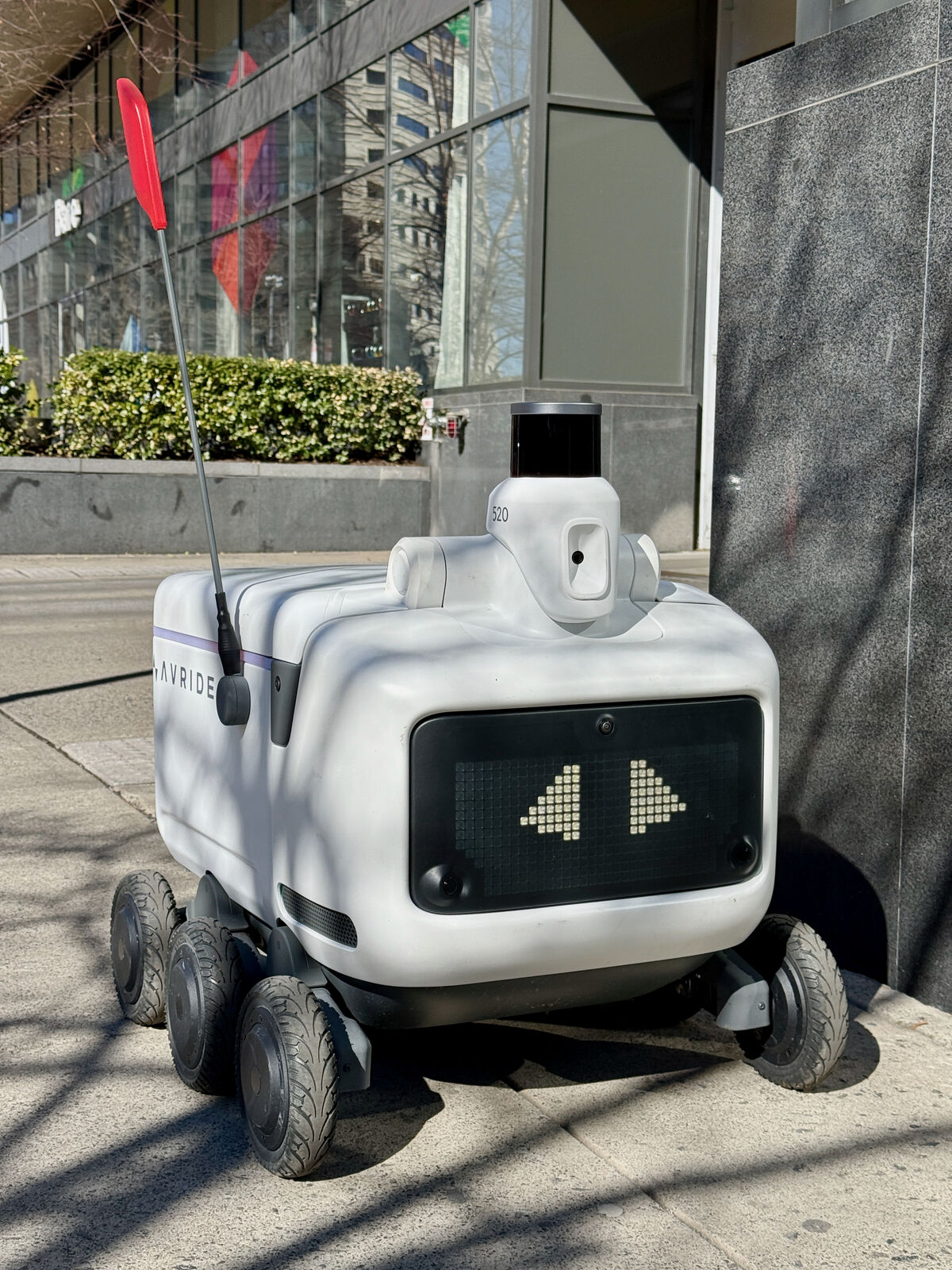
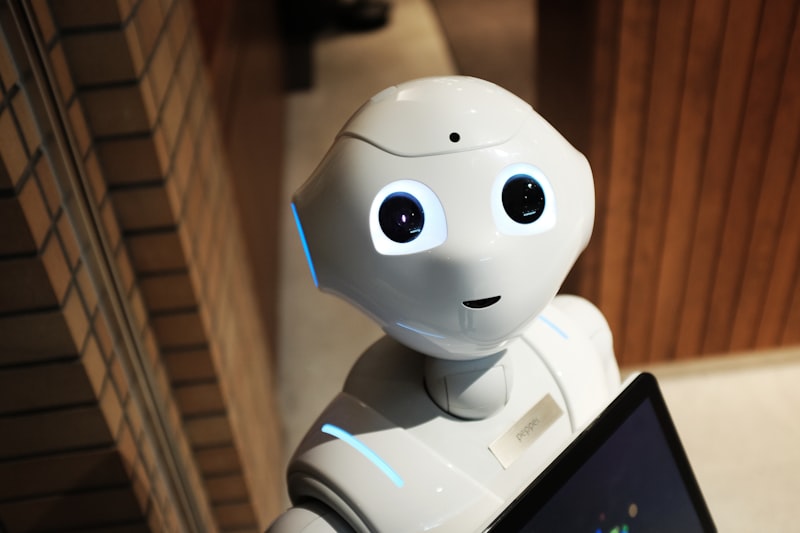
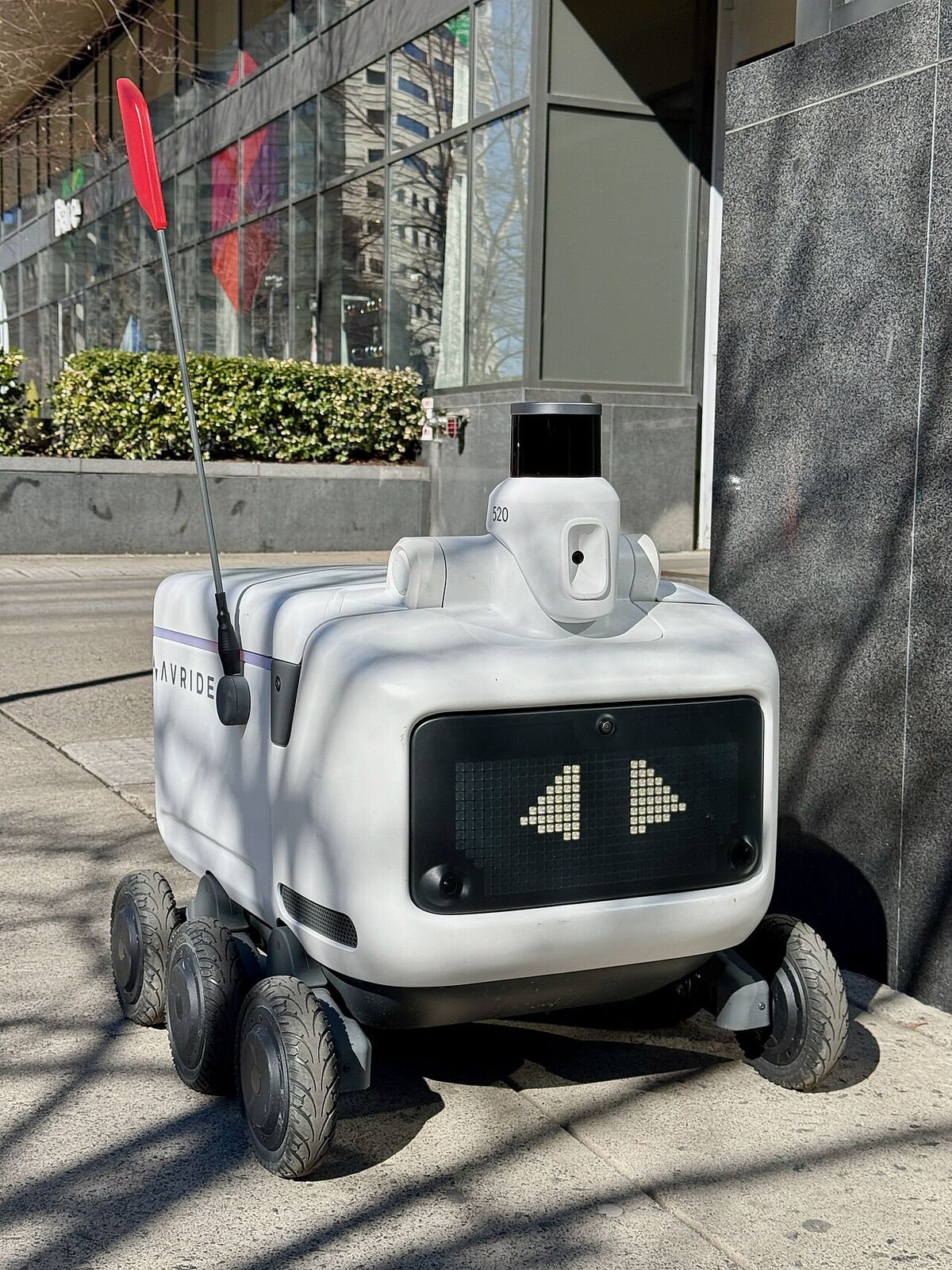
More importantly, the robot cannot read the room. A human barista may notice that a regular looks exhausted, offer a sympathetic smile, and hand over the cup with a little extra care. A robot will flash a cheerful LED smiley face, announce something like "ENJOY YOUR PERFECT BEVERAGE, HUMAN!", and push the cup through the pickup slot regardless of your mood. On a bad day, that can feel dystopian and isolating.
Furthermore, maintenance is a hidden weakness. When a human-run cafe runs out of oat milk, someone opens a fridge and grabs another carton. A robot that runs out of an ingredient can simply stop working, showing an "OUT OF SERVICE" screen until a human technician arrives to refill the internal hoppers—which could take hours.
Is Robot Barista Coffee Cheaper?
Not necessarily. You would think that eliminating human labor would drastically lower the price of coffee, but that is a myth.
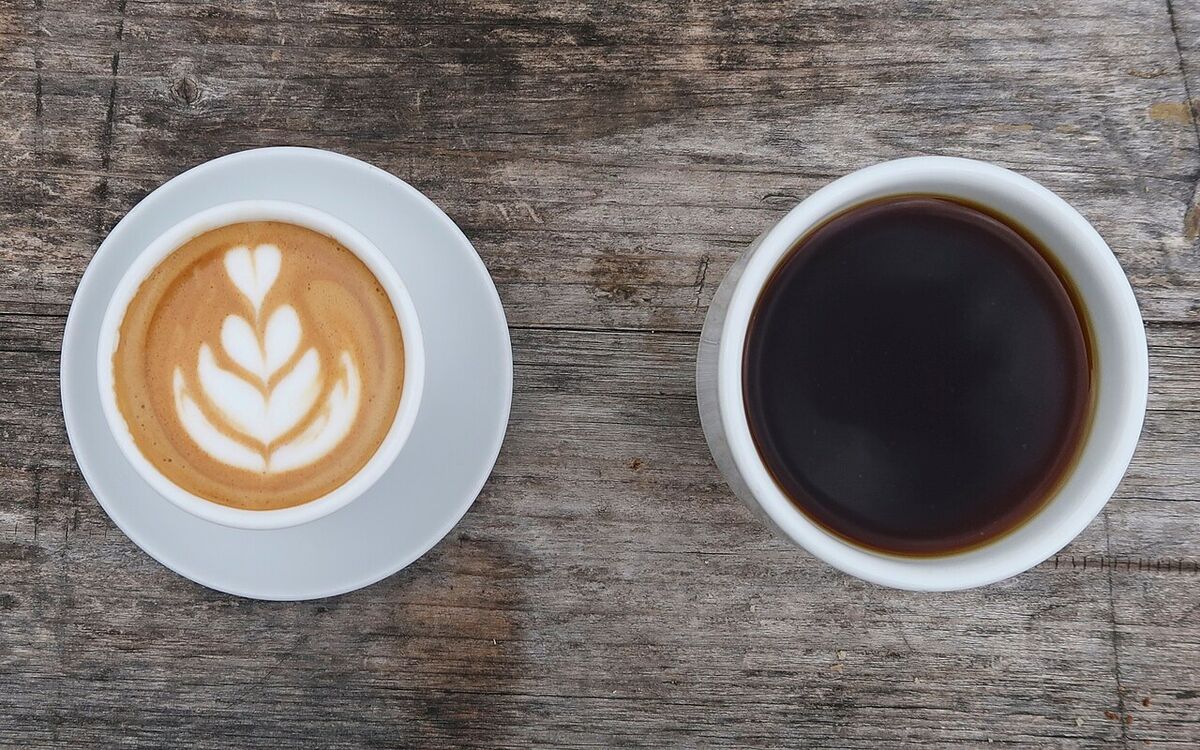
A basic black coffee may be slightly cheaper, but a standard oat milk latte can cost almost the same as at an artisan coffee shop down the street. The companies operating these robots are amortizing the massive upfront cost of the hardware and the specialized maintenance technicians. You aren't paying for human labor; you are paying for the novelty of robotic automation.
Will Robot Baristas Replace Your Local Cafe?
Absolutely not—at least not for everyone.
If you view coffee purely as functional caffeine—a necessary fuel to get you through a busy workday without wasting 15 minutes in a line—the robot barista is a brilliant piece of technology. It is fast, reliable when stocked, and remarkably consistent.
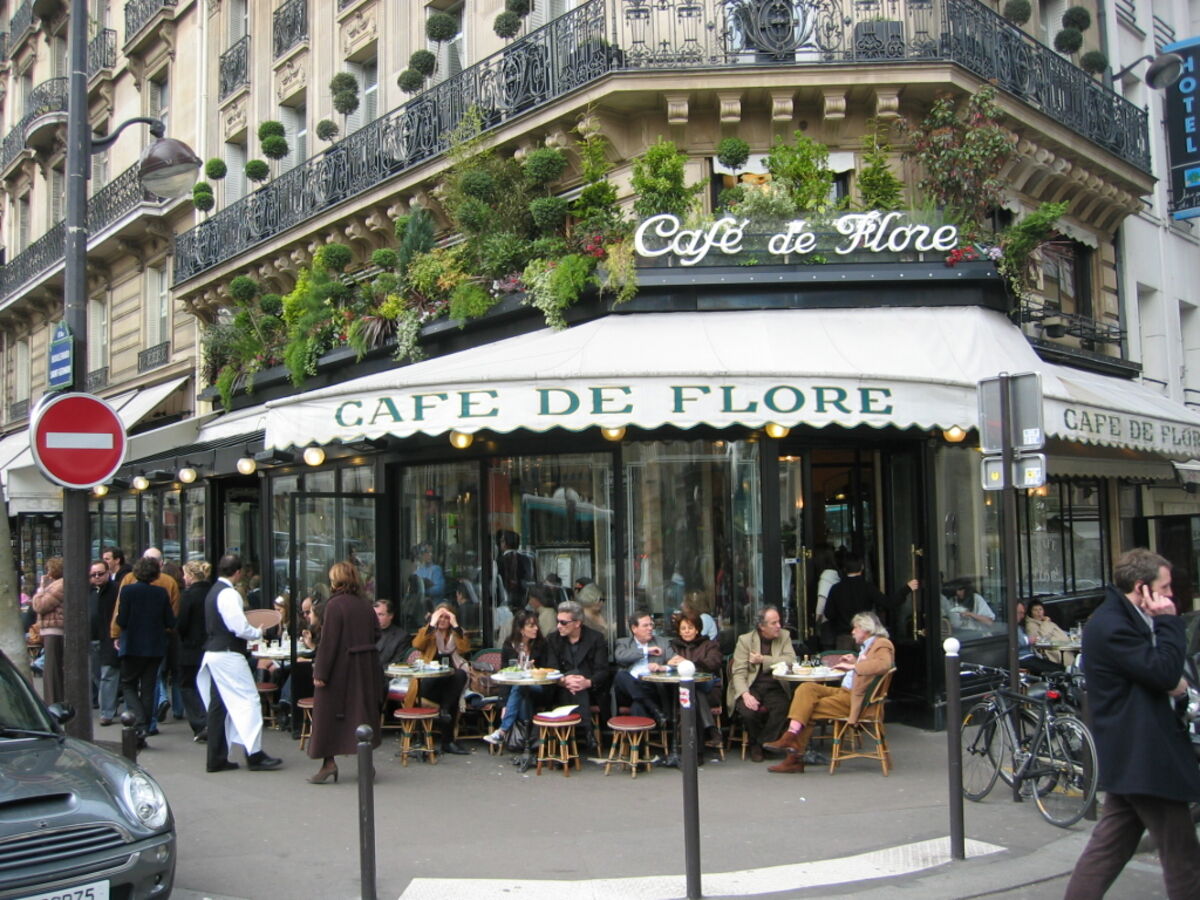
However, if you view coffee as a ritual—a brief moment of human connection, the comforting ambient noise of a busy cafe, and the craftsmanship of a skilled barista—a glass box with a robotic arm is likely to leave you feeling empty.
In my view, the best use of a robot barista is as a backup for rushed mornings. For everything else, paying a real human being to make your coffee may not be mathematically perfect, but it delivers something the robot can't.