Why Premium Compact Cameras Are Replacing Smartphone Cameras in 2026
- Lifestyle
- Exienent
- · Updated
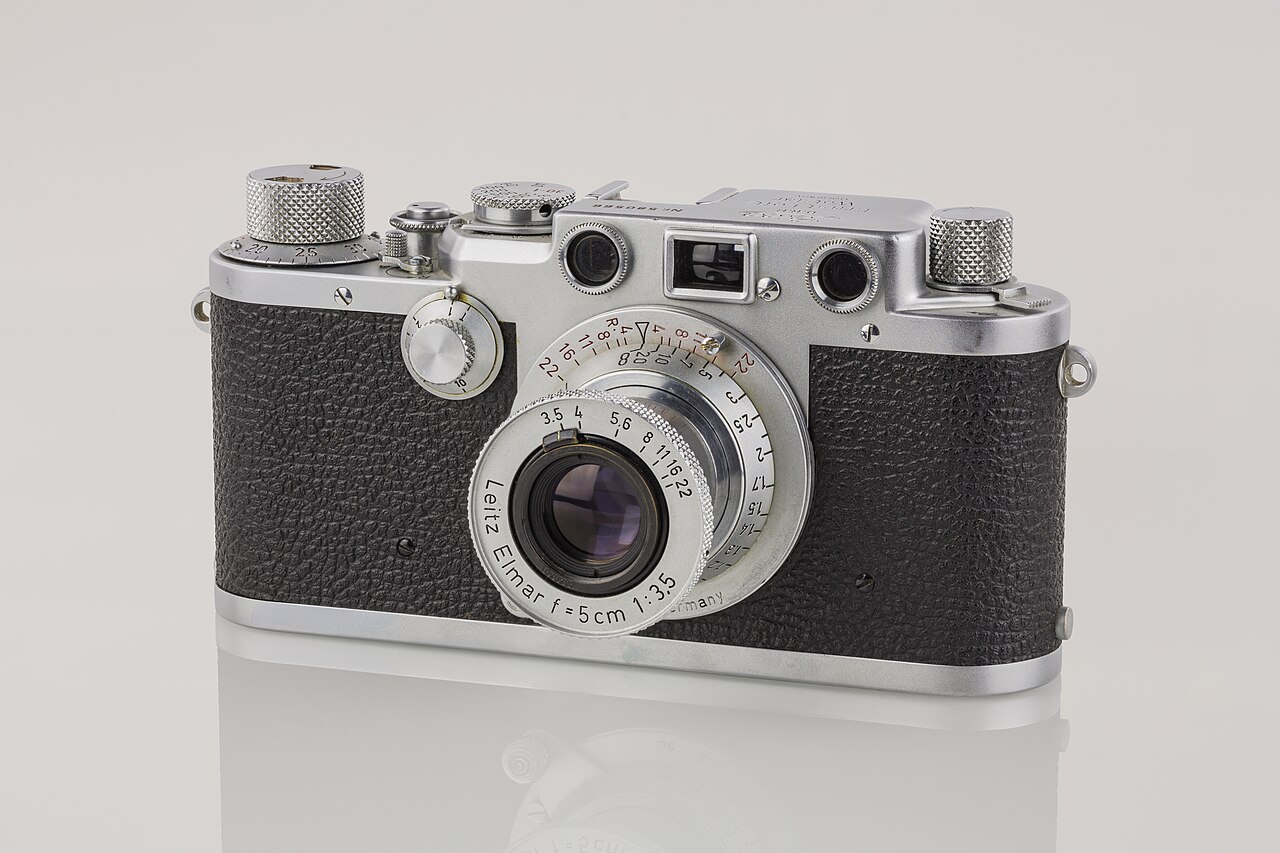
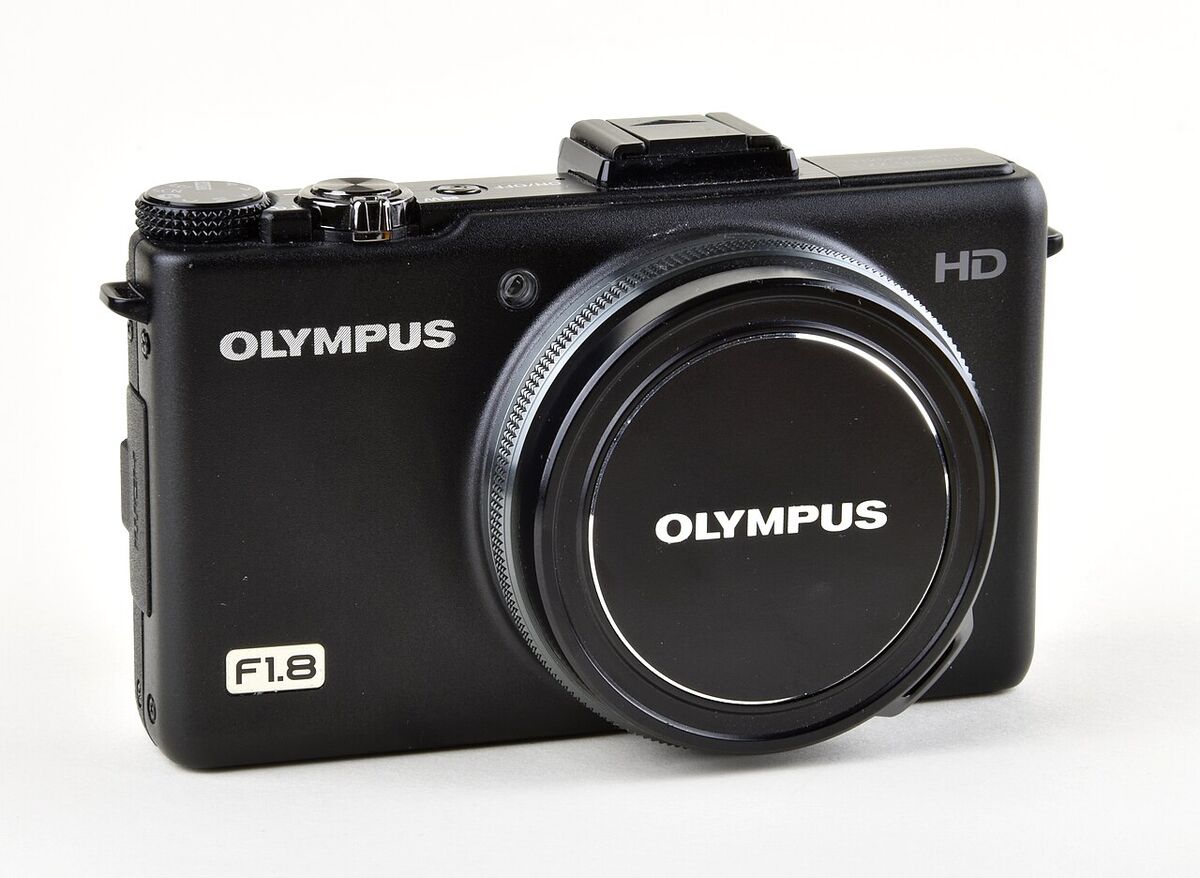
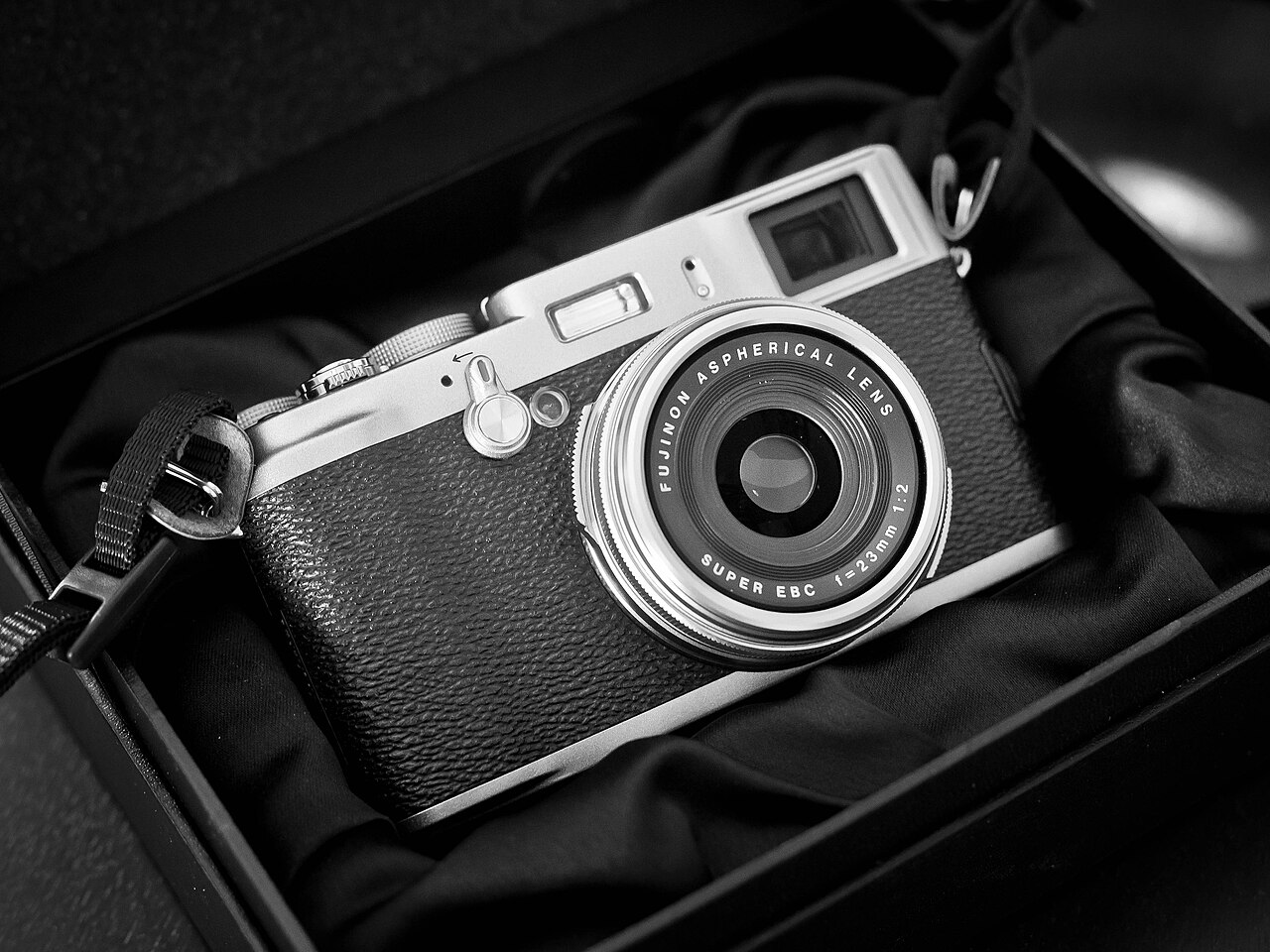
The premium compact camera—a fixed-lens, APS-C sensor camera in the vein of the Fujifilm X100 series or the Ricoh GR—is having a massive revival in 2026. The reason is not image quality on paper: it is that "perfect" AI-processed smartphone photos are slowly killing the joy of photography, and a dedicated camera brings back feel, character and focus.
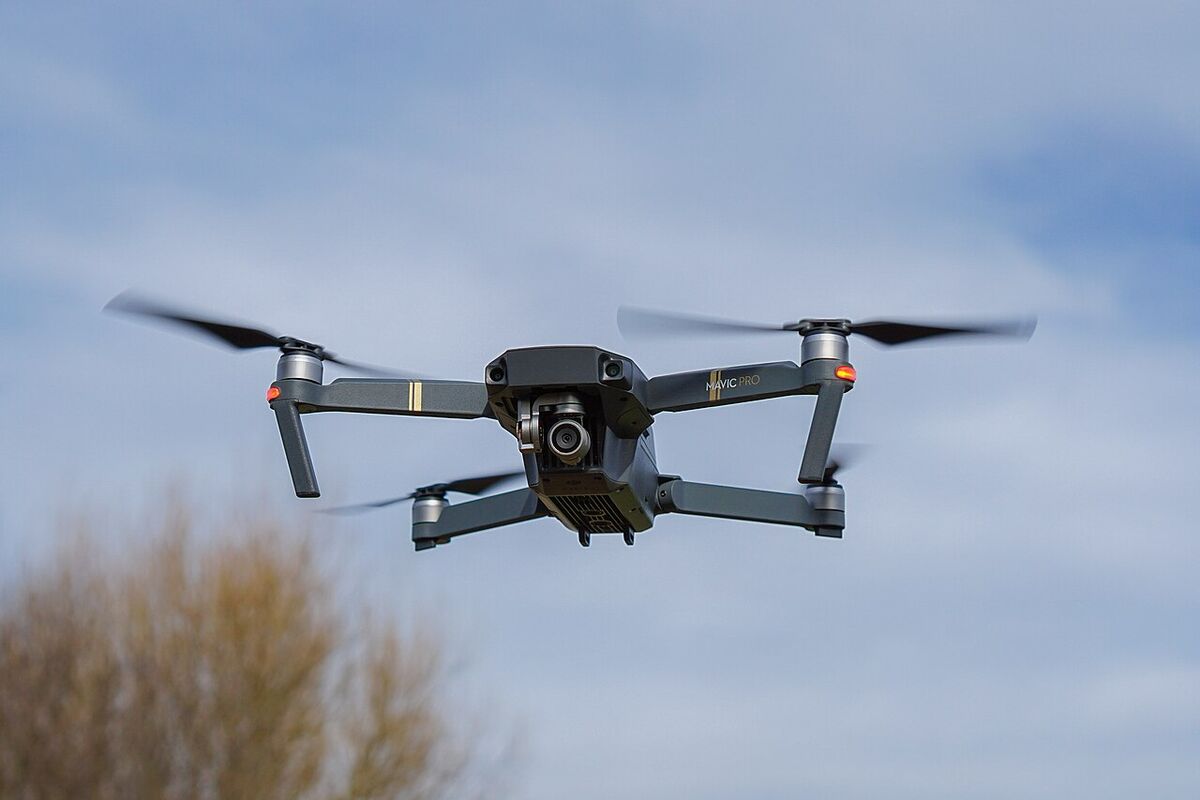
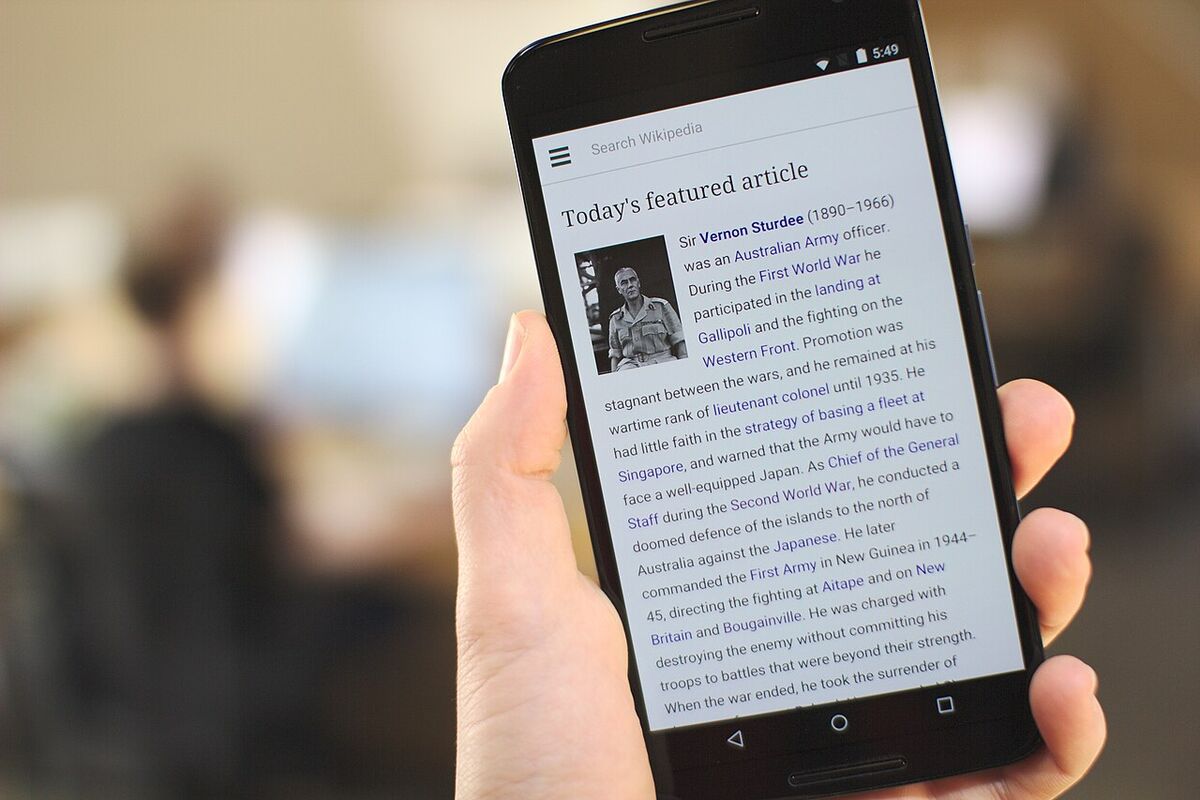
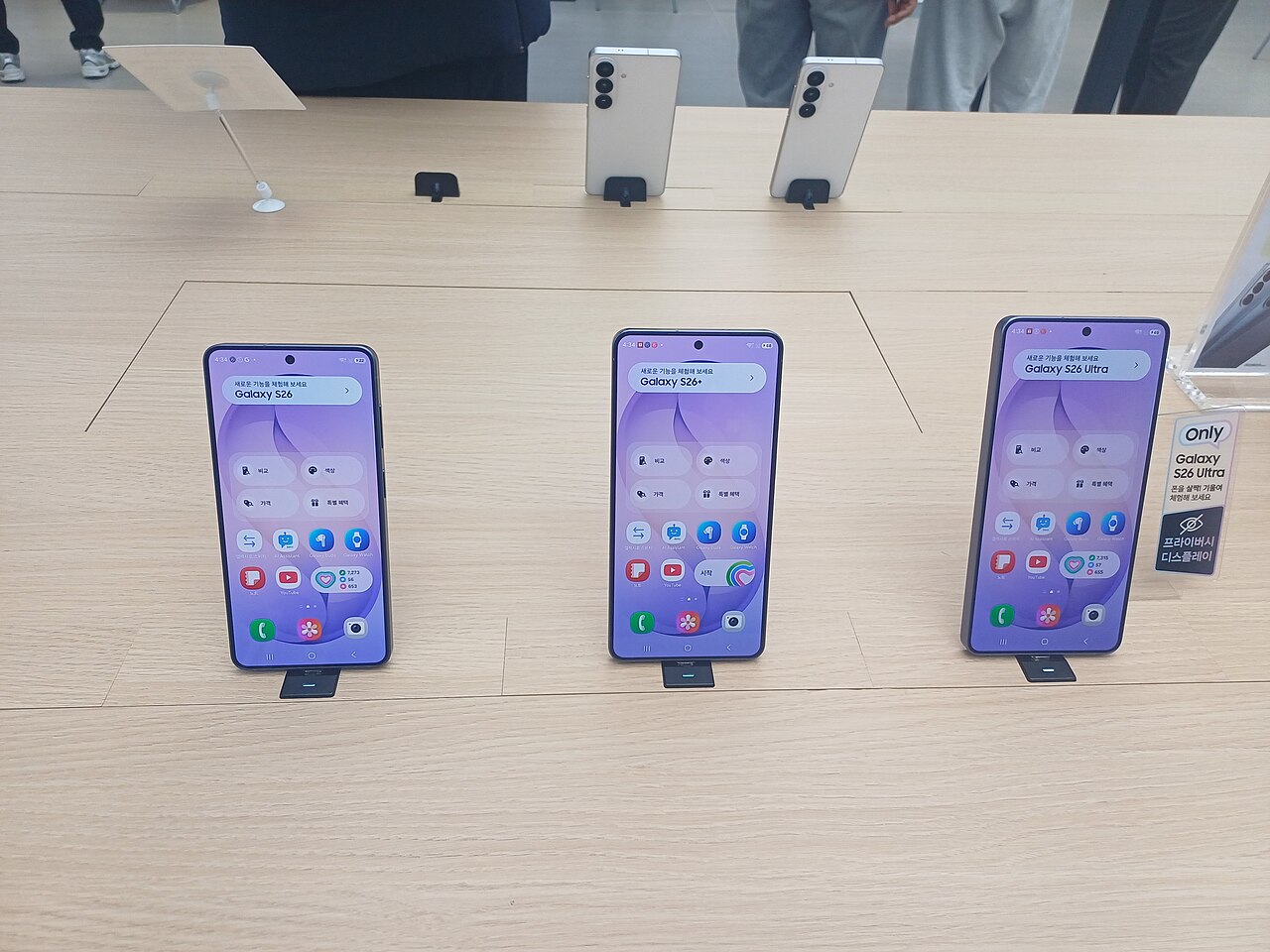
A modern flagship smartphone has three lenses on the back. It can shoot in uncompressed RAW, zoom in on the moon, and use a dedicated neural engine to perfectly expose a face even in a pitch-black alley. It is, objectively, a miracle of modern engineering.
So why carry a second, expensive device that basically does what your phone already does? The sections below explain what a premium compact offers that a phone doesn't.
What Is Wrong with "AI Perfection" in Smartphone Photos?
The problem with smartphone photos is that they reflect an algorithm's idea of an ideal image rather than the scene itself. Every time you take a photo with a modern high-end smartphone, you aren't just capturing light. You are triggering an aggressive pipeline of computational photography.
The phone takes a dozen frames before you even press the shutter, merges them, HDR-boosts the shadows, smooths out the noise, aggressively sharpens the edges, and sometimes even uses generative AI to fill in details it thinks should be there (like the texture of the moon).
The result is a photo that is undeniably sharp, bright, and colorful. But it also looks... sterile. There is a specific "smartphone look"—a hyper-processed, plastic reality where shadows don't exist and every sky is a perfectly even gradient of blue. It doesn't look like what your eyes saw; it looks like what an algorithm thinks an ideal photo should look like.
Why Does a Dedicated Camera Feel Different to Use?
A dedicated camera feels different mainly because of its tactile feedback.
- Physical dials: Premium compacts have dedicated, physical dials for aperture, shutter speed, and ISO. There is no swiping through menus on a glass screen. Changing settings is a deliberate, mechanical action.
- The viewfinder: Putting the camera up to your eye shuts out the rest of the world. Instead of a screen competing with glare and notifications, you see a framed composition.
- Intentionality: With only one fixed focal length (usually a 35mm or 28mm equivalent), you can't just stand still and zoom in. You have to "zoom with your feet," thinking about position, framing, and subject. Photography becomes an intentional act, not just a casual swipe-and-tap.
Why Are Film Simulations So Popular?
Film simulations are popular because they give photos character straight out of the camera. They are one of the biggest reasons cameras like the X100 series have exploded in popularity.
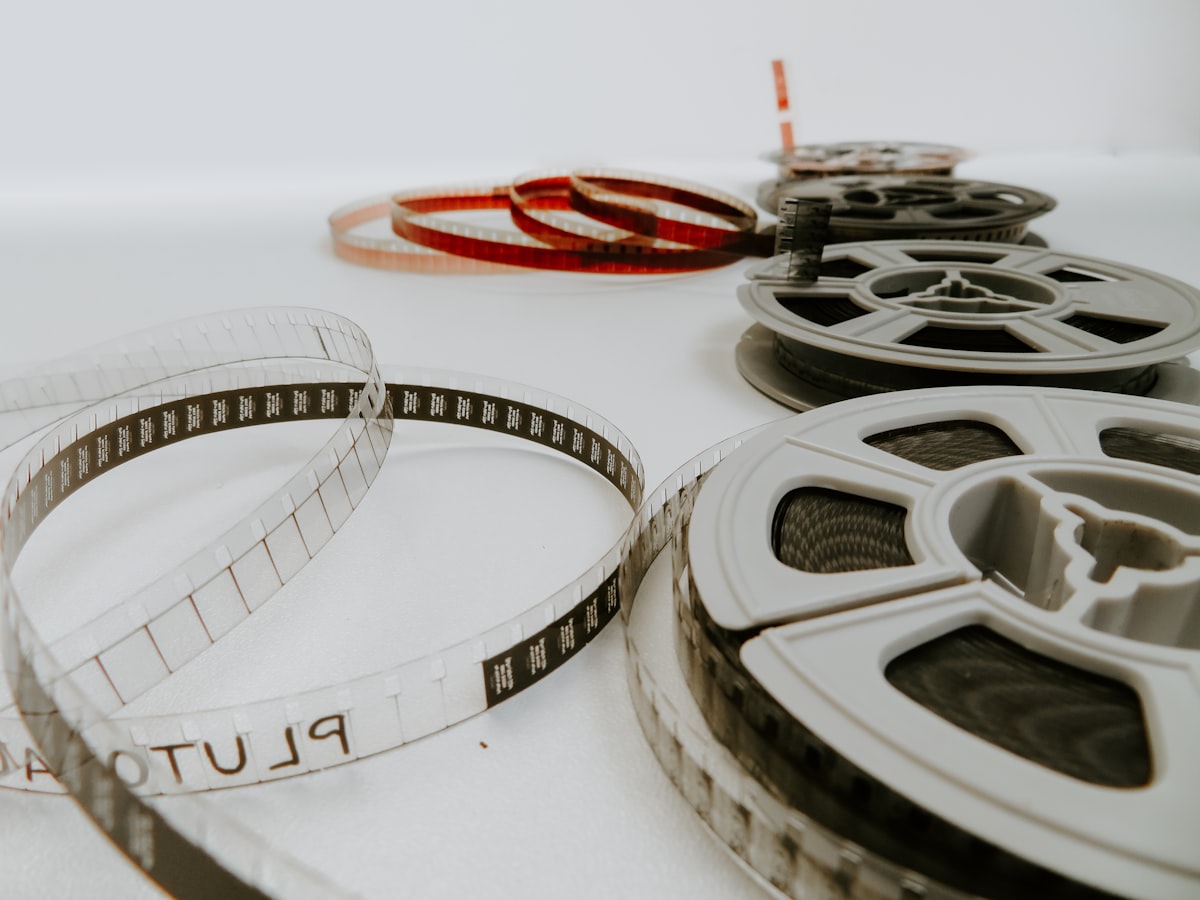
Shooting entirely in JPEG becomes practical. The camera applies color profiles modeled after classic analog film stocks right at the moment of capture. It adds organic grain, shifts the color grading, and embraces imperfections like crushed shadows or slightly blown-out highlights.
That can mean no more hours in Lightroom moving sliders to make clinical RAW files look interesting. The photos can have character, mood, and a distinct aesthetic right out of the camera, and you can transfer them to your phone via Wi-Fi and post them immediately.
Can a Compact Camera Help with Digital Detox?
A compact camera can help with digital detox because it does only one thing. Perhaps the most profound difference is its effect on mental presence.
When you take photos with a phone, you are one notification away from checking email, replying to a text, or mindlessly scrolling Instagram. The phone is a portal to stress.
A camera is just a camera. Walking with one, you look for light, shadows, and interesting moments. It can keep you present in the real world and nudge you to disconnect.
Is a Premium Compact Right for You?
A premium compact is right for you if photography itself, not just documentation, is the goal. If you simply want to capture a receipt or take a quick selfie to prove you were at a concert, stick to your smartphone. It is unbeatable for utility.
But if you are feeling uninspired by your photos, if you are tired of the aggressive AI processing, or if you miss the tactile feeling of actually creating an image rather than just capturing data, I think a premium compact camera is well worth considering. It can bring the fun back into photography.