AI Smart Mirrors in 2026: The Future of Home Fitness & Fashion
- Technology, Lifestyle
- Exienent
- · Updated
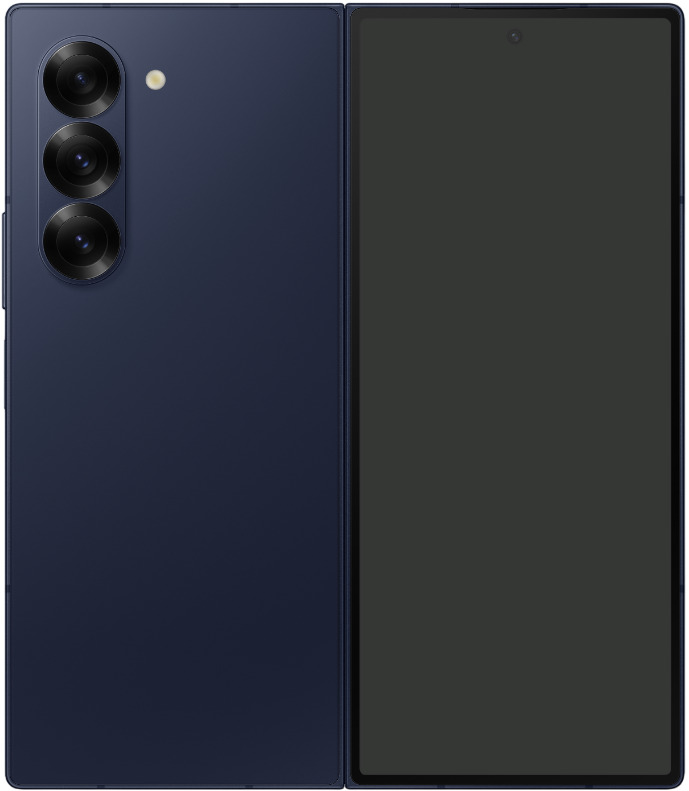
An AI Smart Mirror is a full-length mirror with a hidden transparent display and vision AI camera that can correct your workout form in real time, let you virtually try on clothes, and act as a smart home hub. In my view it is worth its $1,500–$2,500 price only for people who seriously work out at home or shop for clothes online often; for everyone else it risks becoming very expensive furniture.
Imagine catching the weather forecast on your mirror while brushing your teeth, then coming home after work to have a personal trainer correct your squat form right in your living room—all using the same mirror. That is the pitch behind arguably the hottest smart home trend of 2026. When turned off, the mirror blends into your decor. Turned on, it becomes a massive smartphone and a capable healthcare and lifestyle device. Is it an overpriced gimmick, or a genuine lifestyle revolution? Here is a breakdown.
Can an AI Smart Mirror Replace a Personal Trainer for Home Workouts?
An AI smart mirror can cover the feedback that YouTube workout videos lack, though it is not a perfect substitute for an in-person trainer. The biggest drawback of trying to get fit by following videos is that no one checks your form. Ten squats with perfect form beat 100 with terrible form, but without someone watching, it is easy to hit a plateau.
When you boot up the fitness mode, an AI instructor appears on the top half of the screen to demonstrate the movement. Meanwhile, on your reflection, the mirror overlays a digital skeleton that tracks your joints in real time.
- Real-Time Posture Correction: During squats, if your knees go too far past your toes or your lower back rounds, the mirror flashes red lines on the screen and a voice prompts: "Straighten your back a bit more, and shift your weight to your heels!"
- Automatic Rep and Calorie Tracking: You don't have to count reps. The camera tracks your movements and only counts the reps where you achieve a full range of motion.
What It Feels Like: Having something actively watching and correcting you can provide a real motivational boost, without the awkwardness or expense of an in-person personal trainer. The depth sensors on the camera are precise enough to catch misalignments not only from the side but also from the front.
What Are the Limitations for Workouts?
The mirror has two notable limitations. During floor exercises like planks or crunches, the camera's angle can struggle to track you accurately. And because the camera needs to see your whole body, you need at least 6 to 10 feet of clear space in front of the mirror. If you live in a tiny studio apartment, this is a dealbreaker.
How Does Virtual Fitting on a Smart Mirror Work?
Virtual fitting works by scanning your body into a 3D avatar and overlaying clothes onto your reflection. The 'Styling & Fitting' mode is just as impressive as the fitness features.
You stand in front of the mirror and slowly rotate 360 degrees. The camera scans you and generates a highly accurate 3D avatar that matches your body shape and measurements. By linking the mirror to partnered e-commerce apps (like Zara or ASOS), you can virtually "try on" clothes overlaid onto your reflection in real-time.
- Texture Rendering: This isn't like the clunky AR Snapchat filters of the past. The 2026 vision AI uses a physics engine to render how different fabrics behave—from the drape of silk to the heavy stiffness of corduroy. It even simulates how the fabric will wrinkle across your specific body shape.
- Personal Color Analysis: If you stand in front of the mirror in natural lighting with no makeup, the AI will analyze your skin tone. It then gives you a "color match score" for the virtual outfit you're trying on, letting you know if the hue washes you out or makes you glow.
Why It Matters: Seeing where a hemline would fall or how a shoulder seam would fit can help cut down on online shopping returns. When getting ready in the morning, you can also swipe through a digitized wardrobe on the mirror instead of tearing apart your closet, which may save time.
Does a Smart Mirror Work as a Smart Home Hub?
Yes, beyond fitness and fashion the smart mirror acts as an IoT hub. In the mornings, it can display a quick news briefing, your calendar, and the weather forecast in the corner of the glass while you brush your teeth. Not having to pick up your phone with wet hands is a small but real luxury. Built-in speakers also make it handy for playing music while you shower or clean.
Is an AI Smart Mirror Worth $2,000?
A high-end AI smart mirror costs anywhere from $1,500 to $2,500, so it is absolutely a luxury purchase.
My conclusion is this: "If you are serious about home workouts, or if you are a fashion enthusiast who shops online frequently, it can be worth the money." It can be a strong accountability partner for anyone who struggles to stay motivated exercising alone at home.
That being said, if you don't have the floor space to dedicate to it, or if you rarely work out at home and don't care much about fashion, it will quickly become a ridiculously expensive piece of furniture. The technology is phenomenal, but its value depends entirely on how actively you integrate it into your daily routine. If you want to experience the future of the connected lifestyle today, the smart mirror is one of the most compelling pieces of tech on the market.