The Magic Trick for Reviving Rock-Hard Stale Bread in 5 Minutes
- Lifestyle
- Exienent
- · Updated
You can bring a rock-hard loaf back to life by running its crust under cold tap water and baking it on the oven rack at 300–325°F (150–160°C) for about 5 to 10 minutes. The water turns to steam that softens the hardened starches inside, while the heat re-crisps the crust. The trick works on whole loaves and large chunks—not on sliced bread or anything moldy.
Why Throw Away Stale Bread When You Can Fix It?
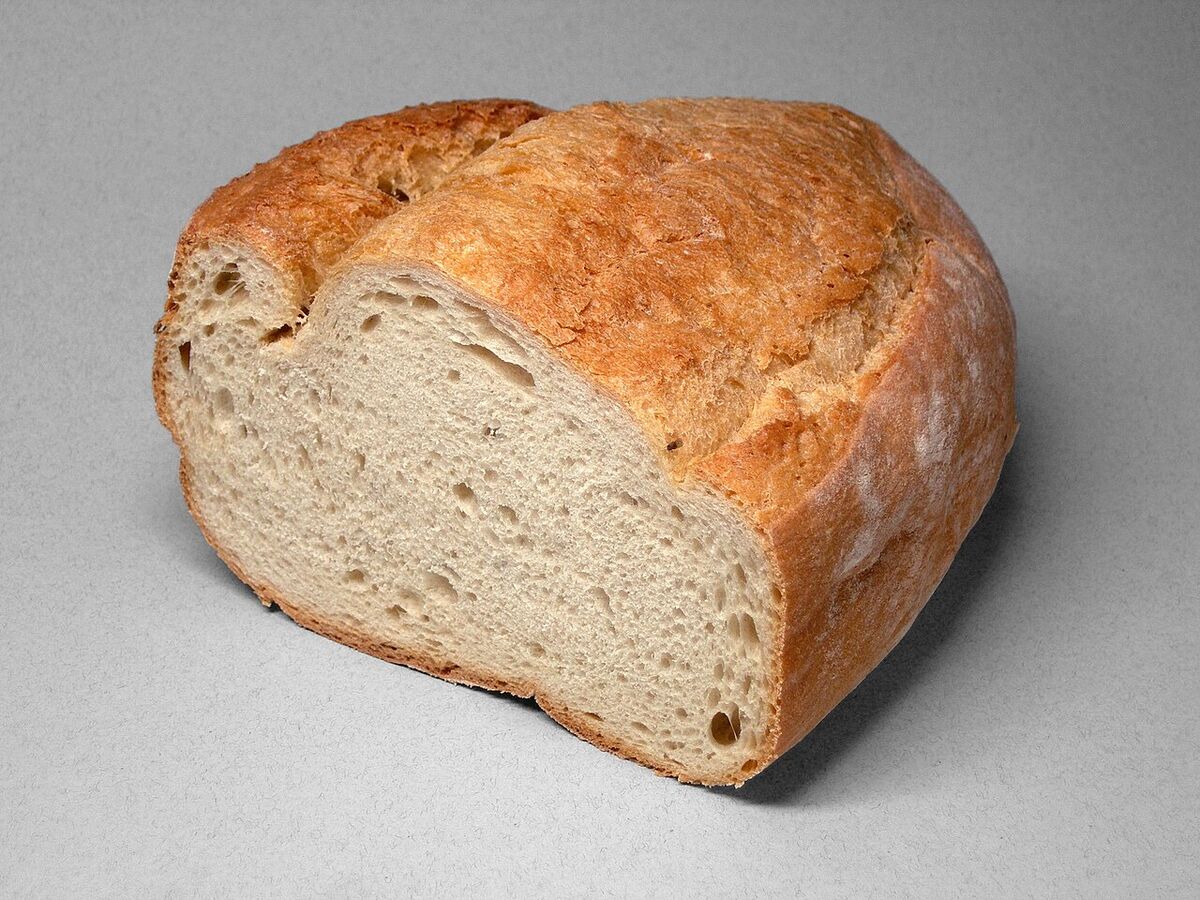
Stale bread is not a lost cause, even though it feels like one. You buy a beautiful, crusty artisan baguette or a gorgeous loaf of sourdough from the local bakery, eat a few slices with dinner, leave the rest in a paper bag on the counter, and forget about it. Two days later, the loaf has turned into an absolute weapon—so hard you could probably use it to drive a nail into the wall.
It is tempting to toss it straight into the trash (or into the compost bin out of guilt), on the assumption that bread drying out is a one-way street. The fix sounds so counterintuitive that it is hard to believe at first: run your stale bread under the kitchen sink.
Yes, you read that right. Water. On bread.
It can work even on a stubborn, rock-hard ciabatta left out on the counter. If you are tired of wasting good food and money, here is the exact, step-by-step method to revive your stale bread so it tastes close to fresh from the oven.
Why Does Bread Go Stale?
Bread goes stale mainly because of a process called retrogradation, not just because it dries out. A lot of people assume stale bread has simply lost its moisture to the air. While that is partly true, retrogradation is the main culprit.
When bread is baked, the starches in the flour absorb water and puff up. As the bread sits out, those starch molecules slowly crystallize, squeezing the water out and becoming rigid again. So, the moisture isn't entirely gone; it's just trapped in the wrong place. The goal of this hack is to force that moisture back into the starches.
How Do You Revive Stale Bread, Step by Step?
Step 1: The Water Treatment
Take your rock-hard loaf of bread and turn on your kitchen faucet. You don't need warm or hot water; regular cold tap water works perfectly fine.
Hold the bread under the running water. You want to get the entire crust wet. Don't just mist it—actually run it under the stream. If you are reviving a baguette, run it back and forth so the whole surface is damp.
The Crucial Warning: Try to avoid getting water directly on the cut, exposed interior of the bread. You want the crust to be wet, but you don't want a soggy, mushy crumb inside. If water splashes on the cut side, it's not the end of the world, but try to focus on the crust.
Step 2: The Oven Bake
While your bread is getting a quick shower, preheat your oven to a low temperature—around 300°F (150°C) to 325°F (160°C).
Place the wet loaf of bread directly on the middle rack of the oven. You don't need a baking sheet; placing it right on the wire rack allows the hot air to circulate evenly all around it.
Now, wait for about 5 to 10 minutes. The exact time will depend on the size of the loaf and how much water you used. Keep an eye on it.
Step 3: The Miracle
Inside the oven, the water on the crust turns into steam. This steam penetrates the rigid, crystallized starches inside the loaf, forcing them to reabsorb the moisture and soften up.
Simultaneously, the heat from the oven toasts the outside, drying off the excess water and recreating that crackly, crispy crust you thought was lost forever.
When you pull the bread out (use oven mitts, obviously!), give it a gentle squeeze. It should feel springy and soft on the inside, with a satisfying crunch on the outside.
When Doesn't the Water Trick Work?
The trick won't save bread in two situations: when it is moldy, and when it is already sliced. It's not a time machine.
- Mold: If there are fuzzy green or white spots growing on your bread, it belongs in the trash. The water trick cannot save moldy bread, and it's not safe to eat.
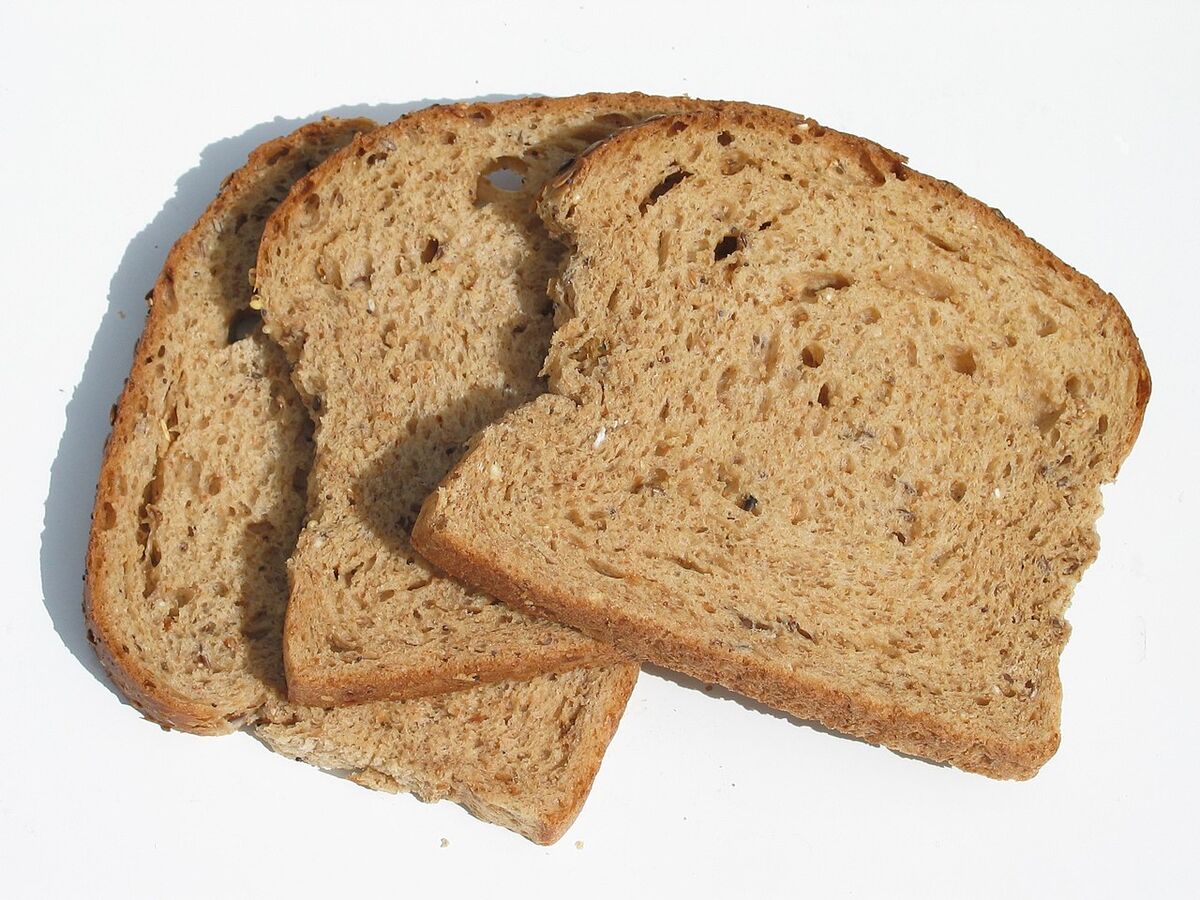
- Sliced Bread: This trick is designed for whole loaves or large, unsliced chunks of bread (like a half baguette). If you try to run individual slices of sandwich bread under the sink, you will end up with a disintegrating, mushy mess. For slightly stale sliced bread, your best bet is the toaster.
Is the Stale Bread Trick Worth Trying?
Yes. This simple water trick is an easy way to cut food waste in the kitchen. It takes less than ten minutes, requires zero special equipment, and can bring a hopelessly hard loaf of bread back to life, warm, soft, and ready for butter. Try it next time you abandon a baguette on your counter.