The Inverted Fridge Setup: Why Veggies Belong Where Condiments Go in 2026
- Lifestyle
- Exienent
- · Updated
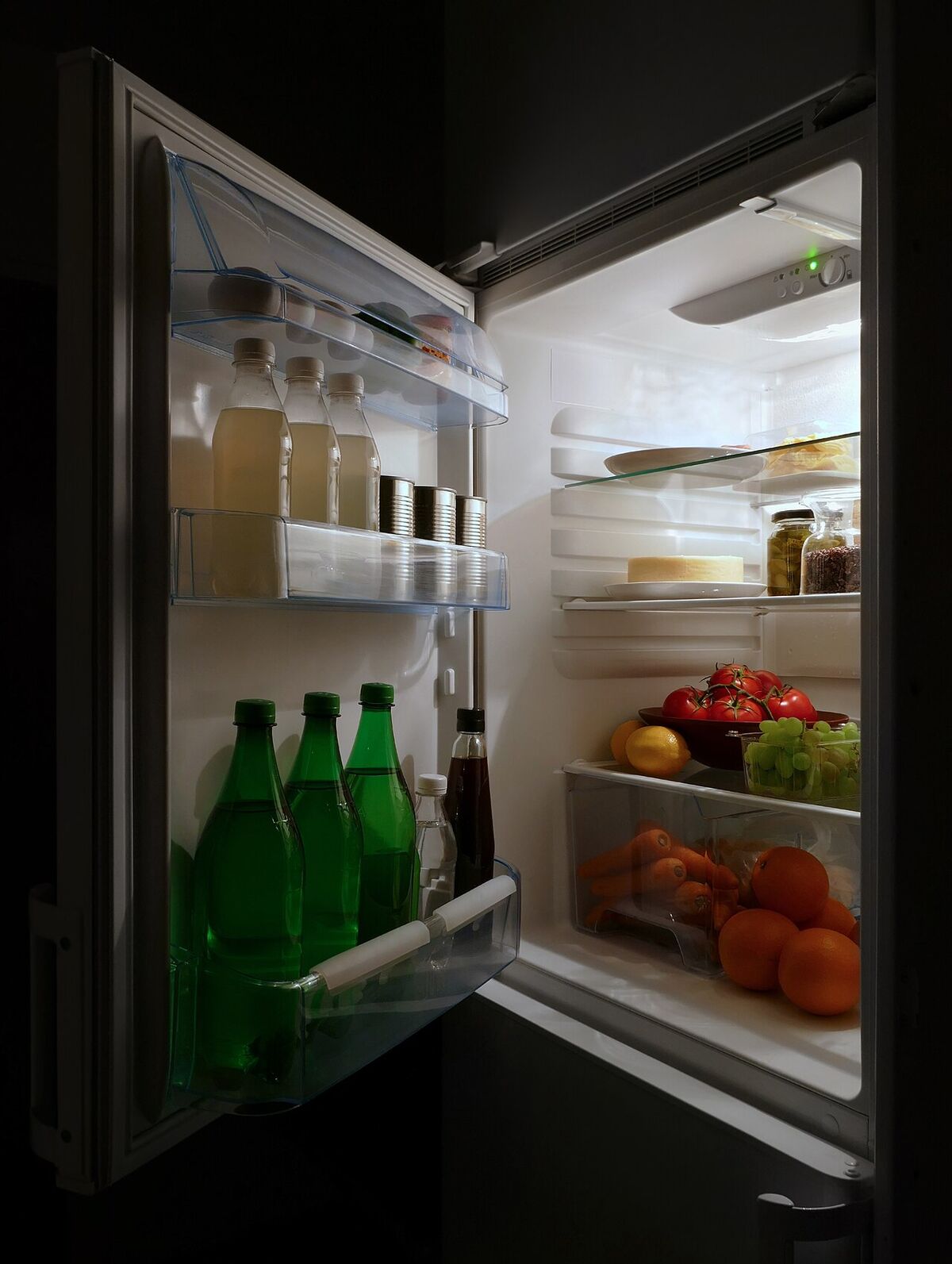
What is the "ADHD fridge," or Inverted Crisper Method? It's a simple swap: condiments go into the hidden crisper drawers, and highly perishable produce moves to the eye-level shelves. Because you see the fresh food every time you open the door, you are more likely to eat it before it spoils.
How many times have you opened your crisper drawer only to discover a bag of gooey cilantro, a sad, withered lemon, or a cucumber that has essentially turned to liquid? Into the trash it goes, yet another victim of the classic "out of sight, out of mind" phenomenon. It's easy to accept this as a normal part of adulthood, or to blame it on bad meal planning. The trend that has been taking over the internet suggests the layout itself is part of the problem.
Why Does the Traditional Fridge Layout Waste Food?
The standard layout hides the food that spoils fastest. Think about how a typical refrigerator is designed. The crisper drawers are meant to regulate humidity, which theoretically extends the shelf life of your fruits and vegetables. But there is a massive flaw in this design for how human brains actually work.
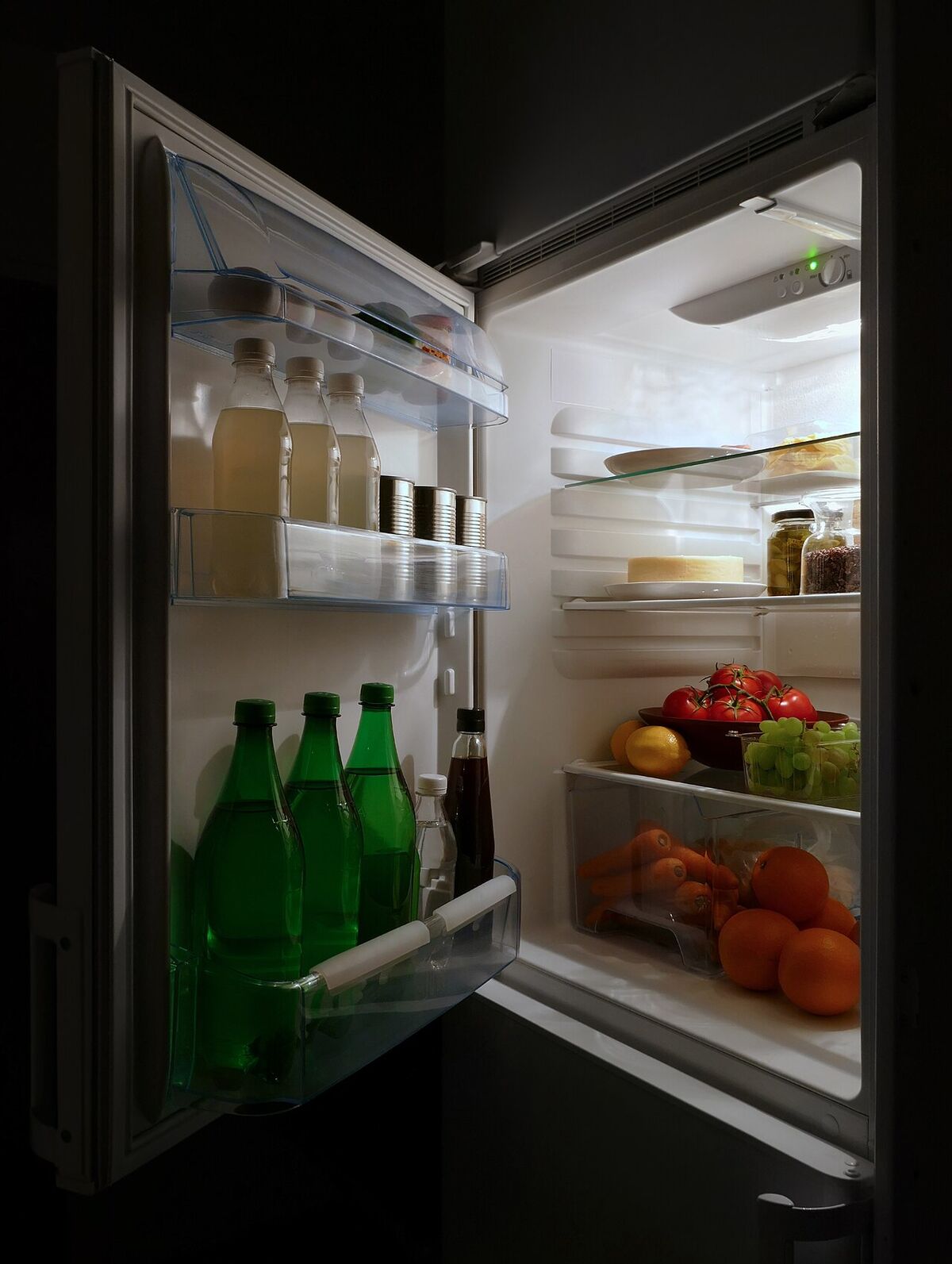
When you hide fresh produce in a low, opaque (or even semi-translucent) drawer, your brain can simply forget it exists. Meanwhile, the eye-level shelves are usually filled with ketchup bottles, mustard, hot sauces, and jars of pickles.
Let's think about that logically. A bottle of ketchup will easily last for six months in the fridge. A bunch of fresh spinach will turn to sludge in six days. Why are we giving prime, eye-level real estate to the items that are least likely to go bad?
How Do You Set Up an Inverted Fridge?
Move your condiments into the crisper drawers and place your fresh produce on the eye-level shelves.
The logic is simple. Condiments keep for months, so hiding them in a drawer costs you almost nothing. Fresh produce keeps for days, and if you can't see it the second you open the door, it is effectively gone.
The switch itself is quick:
- Pull everything out of the fridge.
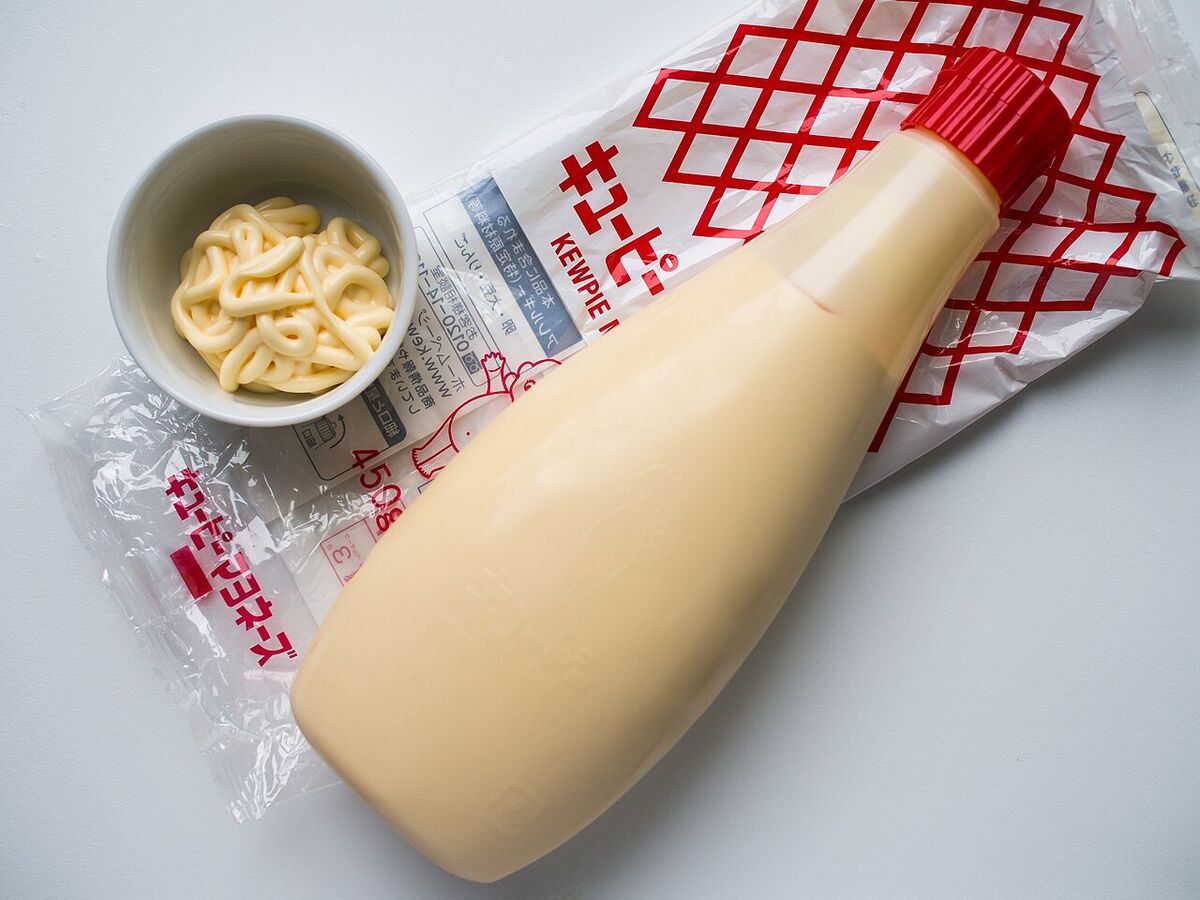
- Put jars of jam, soy sauce, and salad dressing straight into the bottom drawers.
- Wash your fresh fruits and vegetables and place them in clear, open bins right on the top shelf.
Does the Inverted Fridge Actually Help You Eat More Produce?
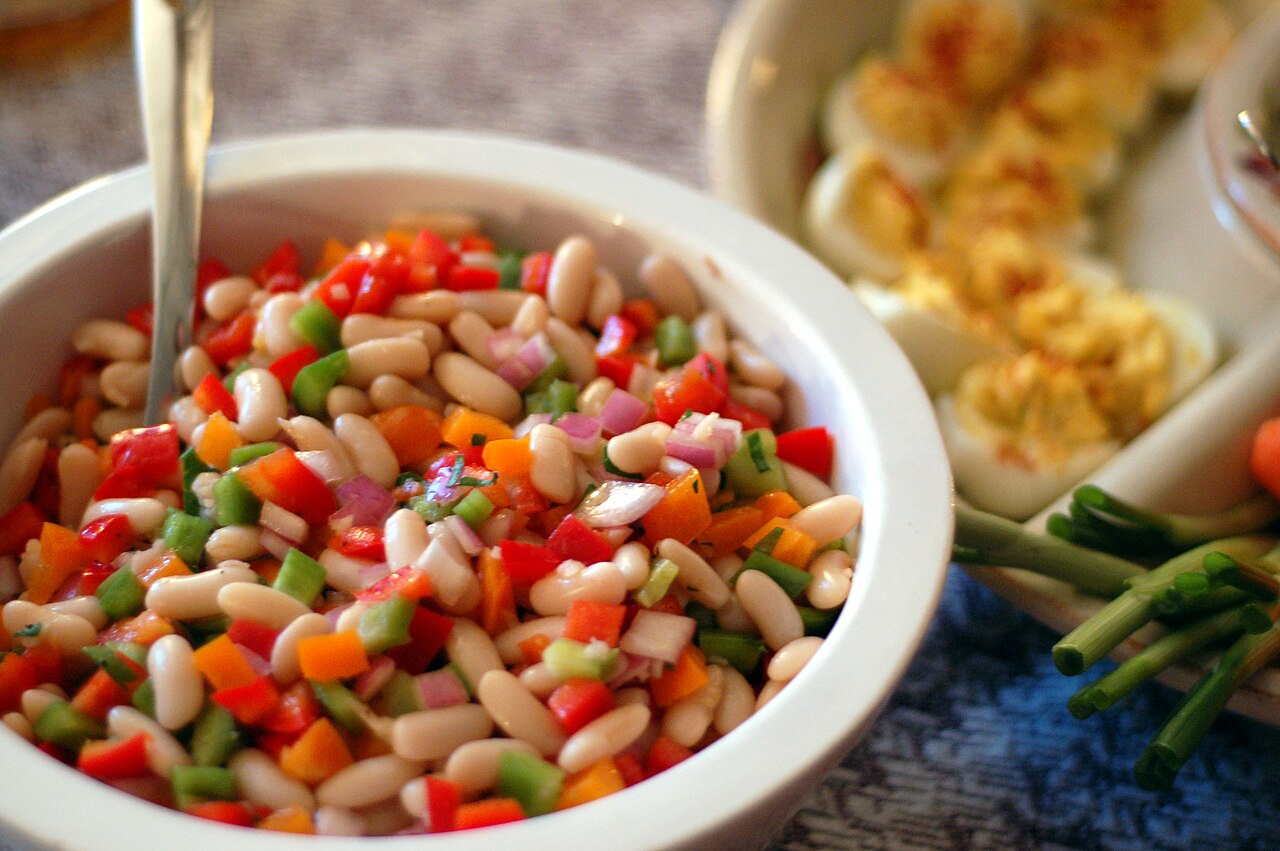
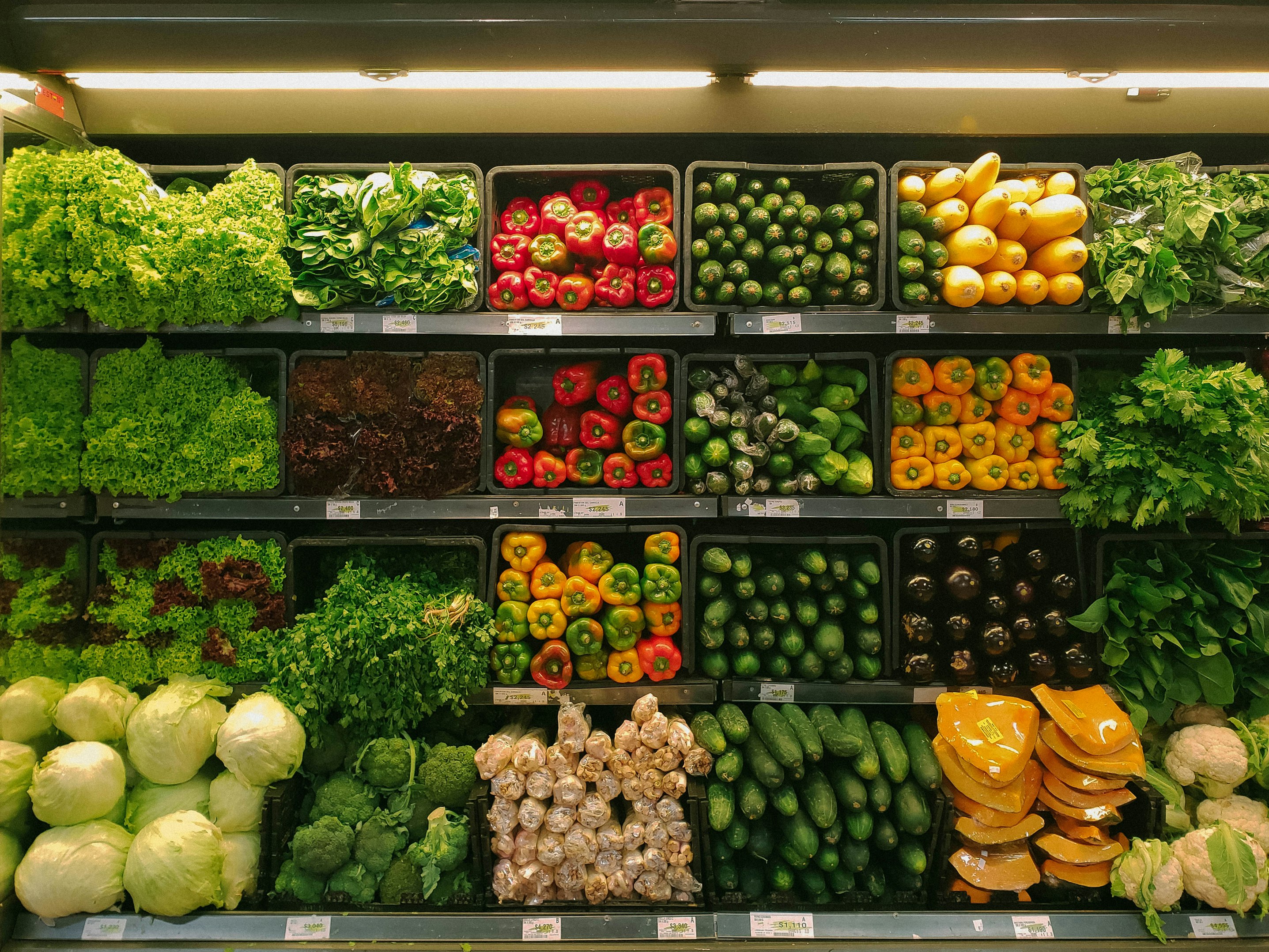
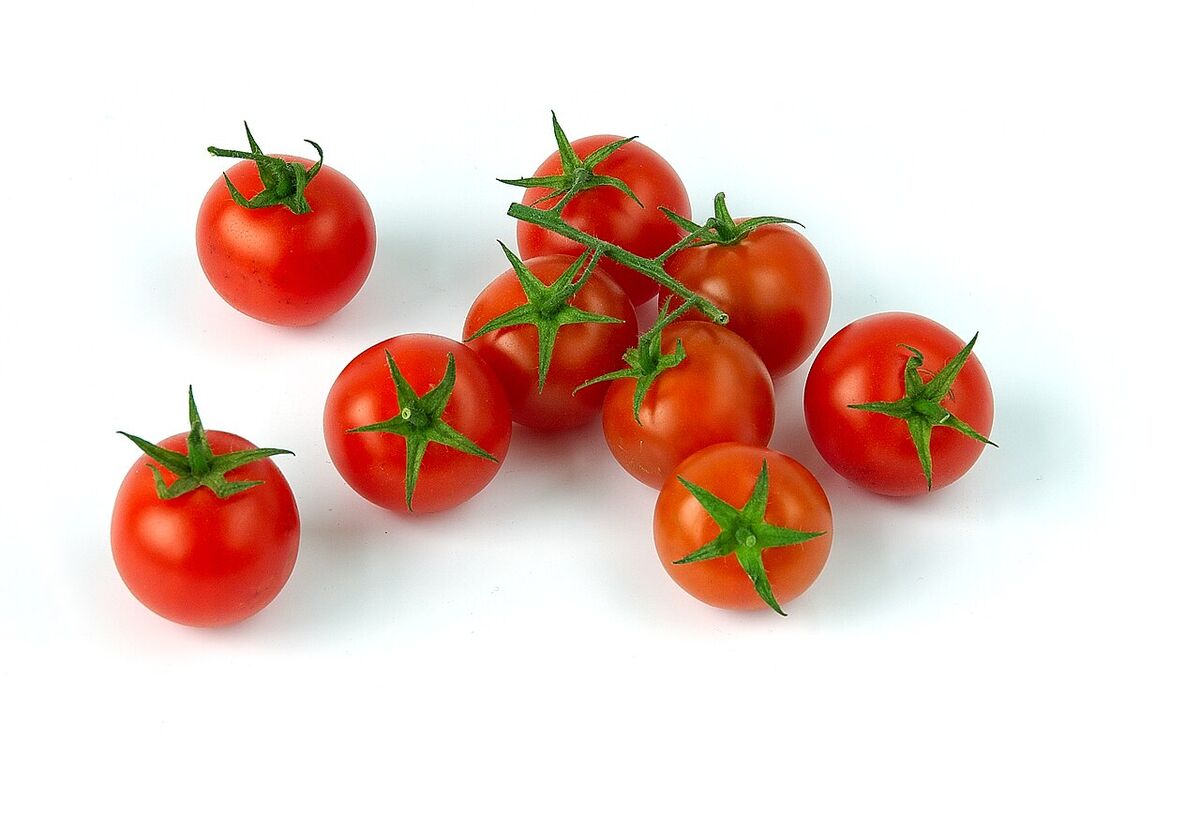
It can, because visibility changes what you reach for. When you open the fridge looking for a snack, the first thing you see isn't a block of cheese or a jar of mayonnaise; it's bright red bell peppers and crisp grapes. When you can actually see the vegetables, it becomes easier to work them into meals more often.
The same visibility can cut food waste. Produce that sits in plain sight is less likely to be forgotten until it rots, so less of it may end up in the trash.
How Do You Keep Produce From Drying Out on a Shelf?
Use clear, lidded bins. One limitation of this method is that crisper drawers do hold humidity, so produce left bare on an open shelf might dry out a bit faster.
Clear, lidded storage bins on your eye-level shelf solve this. They maintain the visibility—which is the most crucial part of this hack—while returning most of the moisture control you'd get from a crisper drawer.
If you keep finding science experiments in the bottom of your refrigerator, it's worth taking a little time today to flip your layout. It might seem weird to reach into a drawer for mayonnaise, but in my view, actually eating the fresh food you buy—and wasting less of it—is well worth the adjustment.