Why Cash Is Back in 2026: The Cash Stuffing Trend Explained
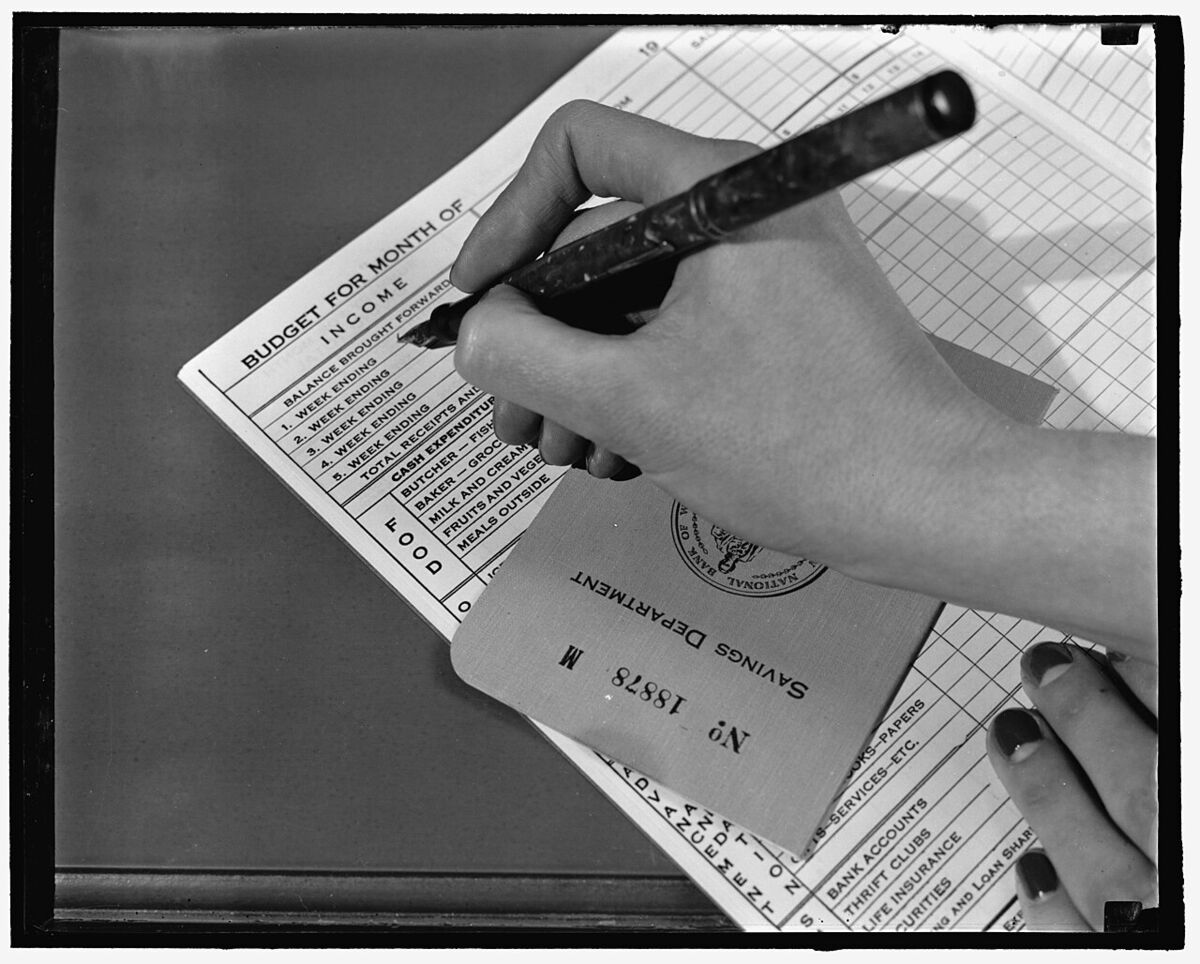
Cash stuffing is a budgeting method where you withdraw your spending money as physical cash and divide it into envelopes by category. When an envelope is empty, spending in that category stops for the month. It works because handing over cash feels more like a loss than tapping a card, and that friction is exactly what most people's digital spending lacks.
What exactly is cash stuffing?
Cash stuffing is a social-media rebrand of the classic envelope system. Montana State University's student finance guide describes the method step by step: build a budget, label an envelope for each spending category, fill it with the budgeted amount, and stop spending in a category once its envelope is empty. The same guide suggests swapping the cash for receipts as you spend and carrying only the one or two envelopes you need that day.
Why is cash budgeting getting attention now?
Because cash has quietly become rare. According to Pew Research Center's analysis of Federal Reserve payment diaries, cash fell from 33% of US payments in 2015 to 14% in 2025, while credit cards rose from 18% to 34%. When almost everything is a tap, a budget enforced by physical bills stands out.
Why does paying with cash feel different?
Paying with cash triggers what behavioral economists call the "pain of paying": the negative feeling of parting with money, which makes people less likely to buy when it is stronger. Research summarized under that concept links card payments to higher spending and weaker recall of what was spent, including Prelec and Simester's 2001 auction study "Always Leave Home Without It," in which people bid more when told they would pay by credit card.
A visible envelope adds a second effect: you don't have to open an app to know what's left. If the "Eating Out" envelope is empty on Thursday, the decision is already made.
How do you start cash stuffing?
- Build the budget first. List your monthly income and fixed costs before deciding what goes in envelopes.
- Keep fixed bills digital. Rent, utilities, insurance and loan payments stay on auto-pay through your bank.
- Pick two or three problem categories. Groceries, dining out and entertainment are common choices. Only withdraw cash for those.
- Use plain envelopes. A labeled paper envelope works as well as a binder.
- Track as you go. Keep receipts in the envelope so you can see where the money went at month's end.
What are the risks of keeping budget cash at home?
The main risk is loss. The FDIC notes that cash that isn't in a deposit account isn't protected by FDIC insurance, it earns no interest, and a home safe is easier for a burglar to open than a bank's safe deposit box. Withdraw only the month's spending money for your chosen categories, and keep savings in an insured account.
Is cash stuffing worth the inconvenience?
For people who overspend on taps and swipes, it can be. It takes ATM trips and slows you down at checkout, but that friction is the point. It's a spending-control habit, not a fix for debt or larger money problems; if you're struggling with those, a nonprofit credit counselor is a better first step.