Replacing Cleaning Products With Homemade Hypochlorous Acid Water (2026 Review)
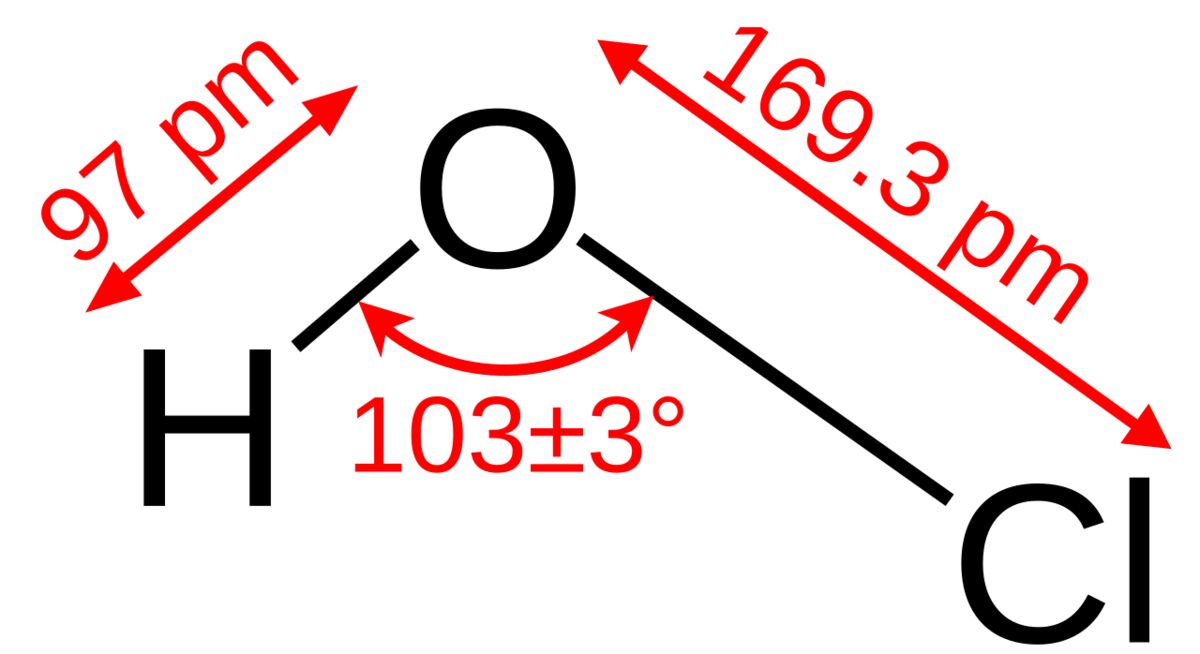
Hypochlorous acid water (HOCl) is a mild, low-odor sanitizer you can make at home by running an electric current through water, salt and a little vinegar in a small electrolyzer. It's the main germ-killing ingredient in chlorine disinfectants, and research shows it kills bacteria and viruses well on clean surfaces. Its limits: it weakens quickly in contact with dirt, it loses strength within about two weeks even when stored well, and a home device doesn't tell you exactly how strong each batch is.
What is hypochlorous acid?
It's the same compound that does most of the work in chlorine disinfectants. The CDC's disinfection guideline says chlorine's germ-killing activity is attributed largely to undissociated hypochlorous acid, which turns into the weaker hypochlorite ion as pH rises. Your own white blood cells also produce HOCl to destroy microbes, which is why it's sometimes marketed as "natural."
How do you make hypochlorous acid water at home?
With an electrolyzer: a pitcher or bottle with electrodes in the base. A 2020 review of HOCl describes the typical home process as mixing water, non-iodized salt and vinegar in a 1-liter unit and electrolyzing it for about 8 minutes, with some devices letting you select 50 to 200 ppm. The vinegar lowers the pH, which keeps more of the chlorine in the stronger HOCl form; the same review says HOCl dominates between pH 3 and 6.
- Fill the unit with water and add salt and vinegar in the amounts the manufacturer specifies.
- Run the cycle.
- Pour into an opaque spray bottle and label it with the date.
- Use it within the time the manufacturer recommends, and make fresh batches rather than stockpiling.
How well does hypochlorous acid kill germs?
Well, when the surface is already clean and the concentration and contact time are right. The 2020 review reports that 200 ppm HOCl inactivated norovirus on hard surfaces in one minute and that virucidal activity appears above about 50 ppm; at 50 ppm, avian influenza virus needed at least three minutes of contact.
The catch is organic matter. The CDC notes that freshly made electrolyzed water rapidly kills many pathogens without organic material present, but its activity drops substantially in the presence of organic matter. So it's a sanitizing step after cleaning, not a replacement for soap and scrubbing. Wash the raw-chicken cutting board first, then spray.
How long does homemade hypochlorous acid last?
Not long. The 2020 review says HOCl solutions break down faster with sunlight or UV, air exposure and temperatures above 25 °C, and that under ideal storage they stay effective for up to about two weeks. In one study, chlorine levels started dropping on day 4 in sunlight, and after day 14 when kept out of the sun. Store it cool, dark and tightly capped, and if you want to know the strength, use chlorine test strips.
Is hypochlorous acid safe to use around the house?
At the low concentrations used for sanitizing, it's much gentler than household bleach, which the CDC lists as 5.25–6.15% sodium hypochlorite. The review's authors describe HOCl as nontoxic and noncorrosive at those levels, and solutions of 100 to 200 ppm have been used for hand sanitizing. Two precautions still apply:
- Don't mix it with other cleaners. The CDC warns that chlorine disinfectants can release toxic chlorine gas when mixed with acids or ammonia.
- Follow the device's instructions for salt and vinegar amounts rather than adding extra vinegar to "boost" it.
Can hypochlorous acid replace your other cleaners?
It can replace some sanitizing sprays, but not cleaners that remove grease and grime. Here's how it compares:
| Job | HOCl water | Better choice |
|---|---|---|
| Sanitizing a clean counter or cutting board | Works, at the right ppm and contact time | — |
| Cutting through grease or caked-on dirt | Weak, and dirt neutralizes it | Detergent or soap first |
| Long-term storage | Loses strength in about 2 weeks | A registered disinfectant with a shelf life |
Is making it at home cheaper?
Usually, if you'd otherwise buy ready-made HOCl spray. The review cites home systems costing under $275 and argues that making HOCl on site is far cheaper than buying premixed solution or disinfecting wipes. Salt and vinegar cost very little per batch, so the device is most of the expense.