Never Guess the Gas Tank Side Again: The Hidden Dashboard Secret
- Lifestyle
- Exienent
We all know that mild panic when driving a rental car on vacation or borrowing a friend's vehicle, and it is time to fill up the tank. You pull into the gas station and suddenly wonder, "Wait, is the gas cap on the left or the right side?" Every driver has experienced that awkward moment of rolling down the window and straining their neck to check.
Pulling up to the pump only to realize the gas tank is on the opposite side is incredibly frustrating. But there is absolutely no need to get out of the car or even roll down your window. Car manufacturers have actually put a perfect cheat sheet right in front of your eyes!
The Little Arrow Next to the Fuel Gauge
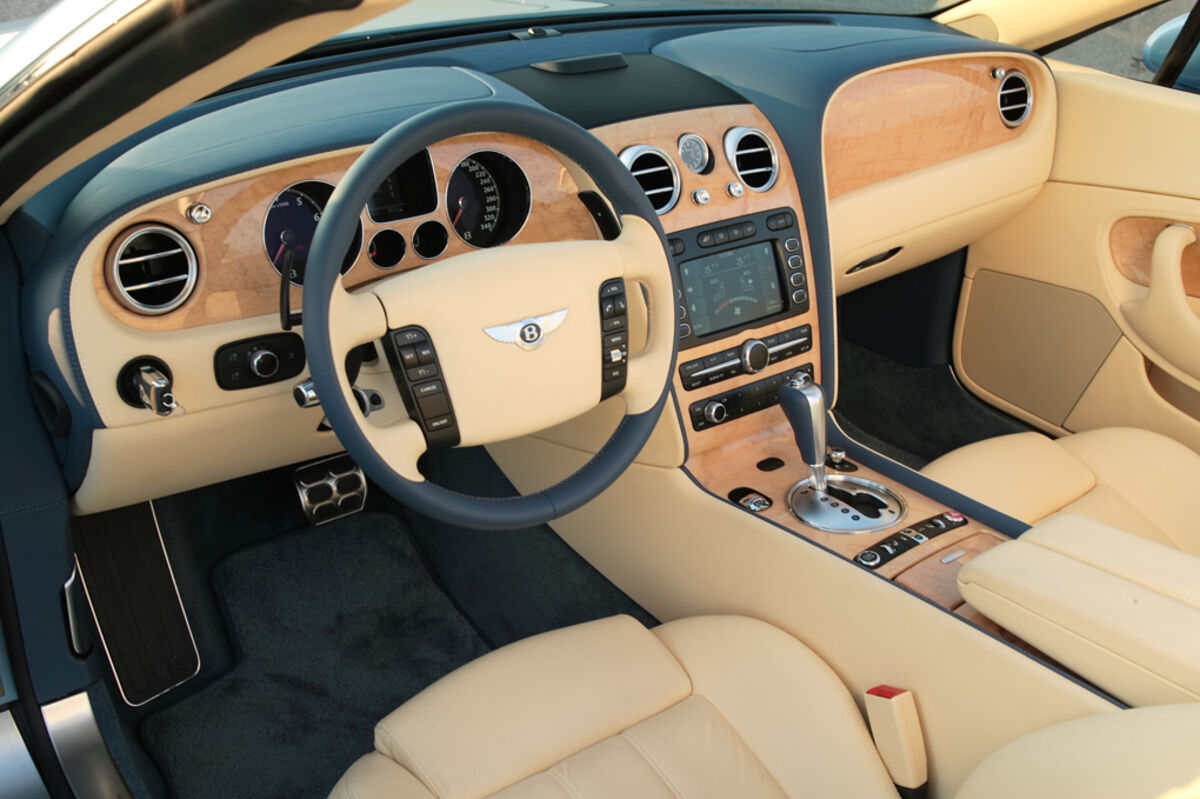
Take a look at your car's dashboard right now. Find the fuel gauge (the one with the little gas pump icon). If you look closely at that gas pump icon, you will notice a tiny triangle arrow (◀ or ▶) right next to it.
That little arrow is your built-in navigation telling you exactly where the gas cap is!
- If the arrow points left (◀): Your gas tank is on the driver's side (left).
- If the arrow points right (▶): Your gas tank is on the passenger's side (right).
Why Aren't They All on the Same Side?
You might wonder why automakers don't just standardize it. It often comes down to the home country of the car manufacturer and their historical driving rules.
- Asian Cars (Japanese, Korean): Historically influenced by right-hand drive configurations, many of these cars have the gas cap on the left side so drivers could fuel up safely away from traffic on the road.
- American and European Cars: Designed primarily for left-hand drive and driving on the right side of the road, they often place the gas cap on the right side for the same safety reasons.
While modern global platforms and shared engineering mean this isn't a strict rule anymore, brands still tend to favor certain layouts based on their heritage.
So next time you are driving a rental car on your road trip, you won't have to guess. Just a quick glance at the dashboard before you pull into the station gives you all the information you need. Isn't that a brilliant piece of everyday driving knowledge?