3D Food Printers at Home: Is This the Future of Cooking?
- Lifestyle, Technology
- Exienent
- · Updated
A home 3D food printer in 2026 is a creative tool, not a time-saver. It extrudes pureed ingredients and doughs into shapes that would be hard to make by hand, but it doesn't cook anything, and the prep and cleaning add a lot of work. For hobby bakers and people who treat cooking as an experiment, it's fascinating; for the average home cook, it's still an expensive toy.
Where Did Home 3D Food Printing Come From?
Sci-fi shows long imagined machines where you push a button and a perfectly cooked meal appears out of thin air. We aren't at the Star Trek replicator stage yet, but the gap is narrowing.
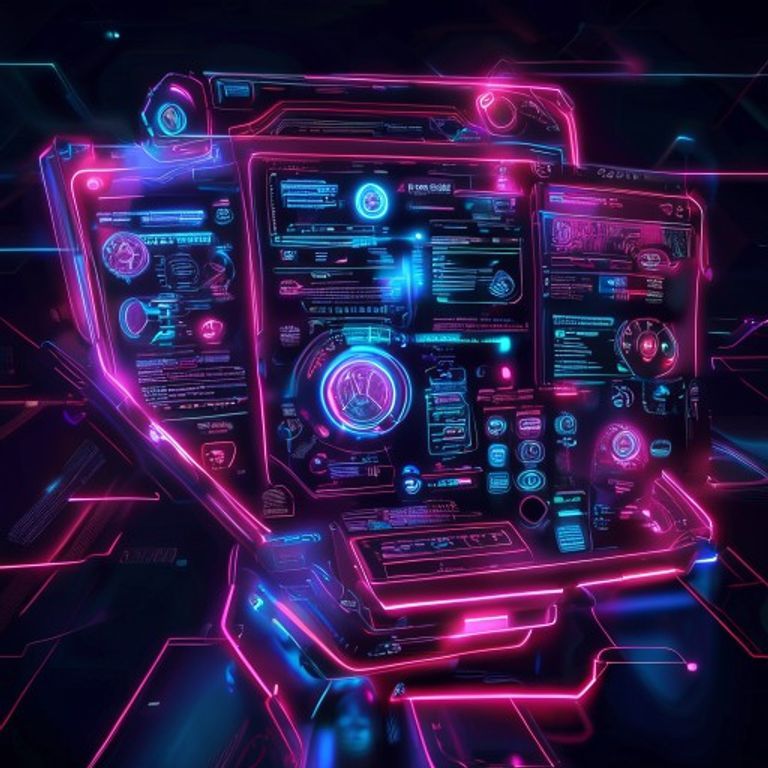
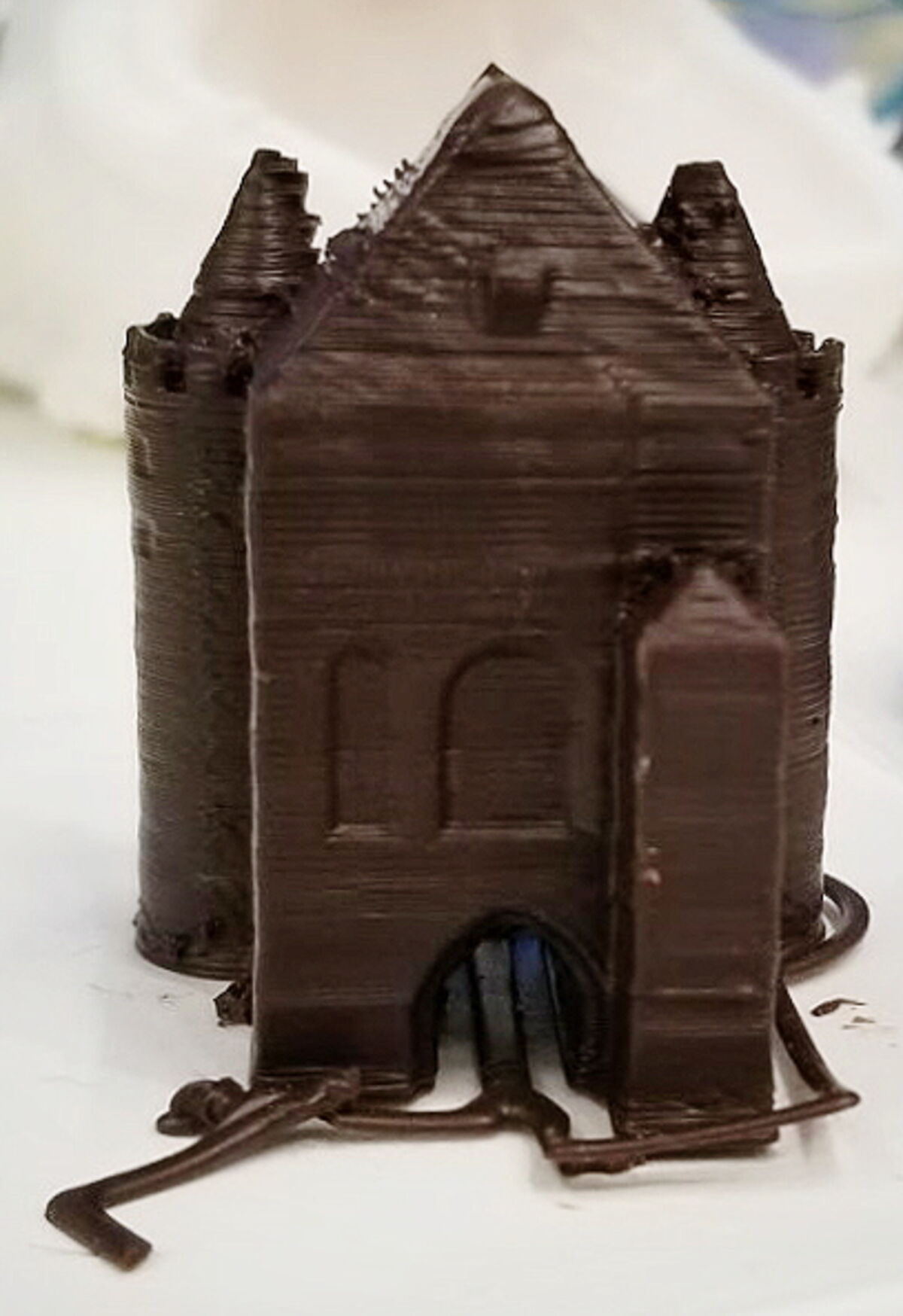
For years, 3D food printing was a gimmick reserved for high-end experimental restaurants or pastry chefs making intricate chocolate sculptures. Recently, consumer-grade tabletop models designed for everyday kitchens have started appearing online, promising to change home cooking. They can handle everything from intricate cookie dough shapes to multi-layered savory purees.
How Does a 3D Food Printer Actually Work?
A home 3D food printer works by extrusion, not by turning powdered chemicals into a steak. The principle is simple, if messy.
Here is the basic breakdown of the process:
- The Cartridges: You load reusable food-safe capsules (syringes, basically) with pureed ingredients. This could be dough, mashed potatoes, meat paste, chocolate, or fruit jellies.
- The Software: You select a design from an app on your tablet or upload your own 3D model.
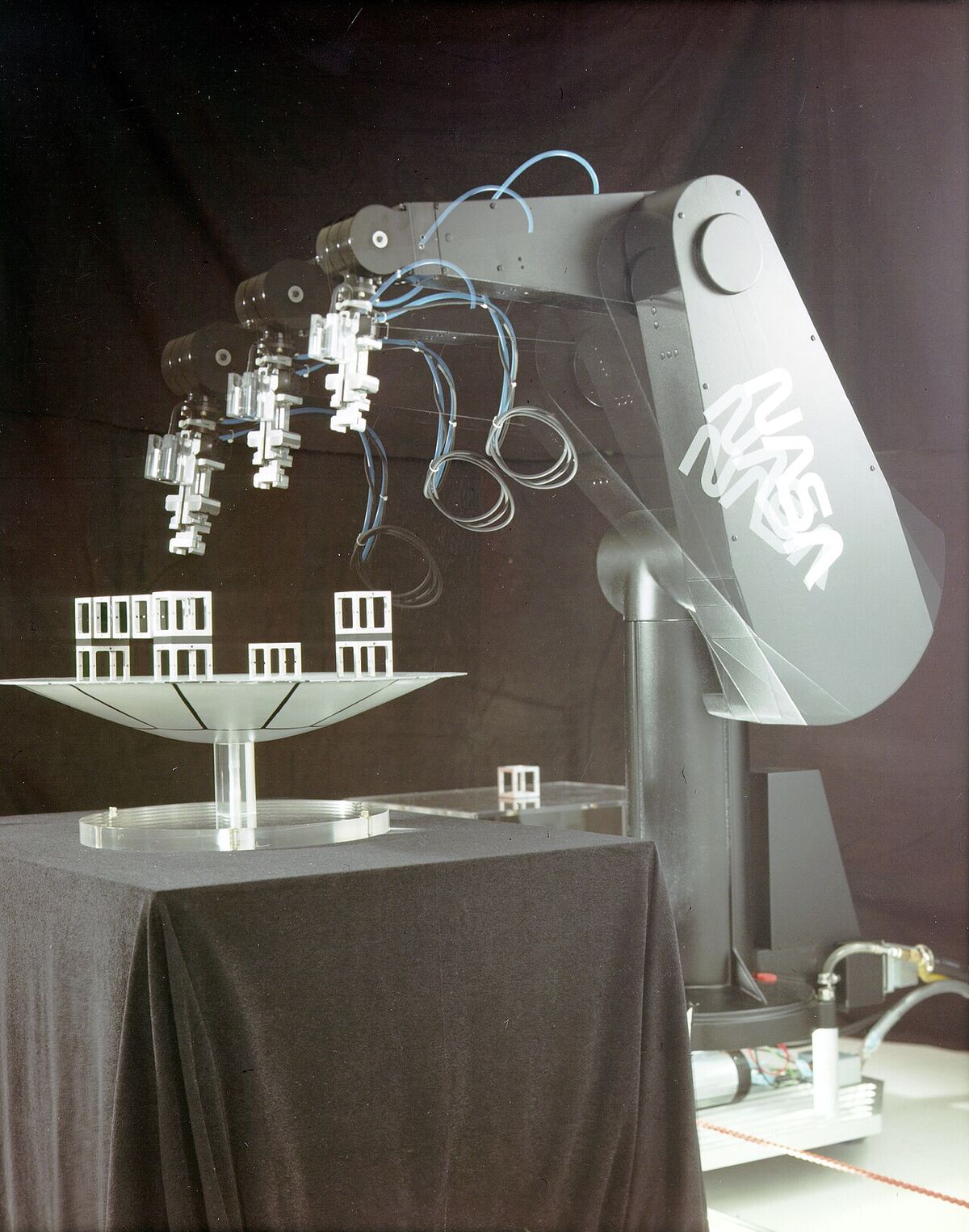
- The Print: The machine's robotic arm moves on three axes, slowly extruding the ingredient layer by layer to build the programmed shape.
The most important thing to know is that these machines generally do not cook the food. They only assemble it. If you print a pizza crust, you still have to take the finished print and put it in your oven.
Is a 3D Food Printer Hard to Use?
Setting up the machine is the easy part; preparing the food to go inside it is the hard part. The consistency of the ingredients has to be just right—too thick and the nozzle clogs, too thin and an intricate castle of mashed potatoes collapses into a puddle.
What Is a 3D Food Printer Best For?
- Baking and Pastry: This is where the machine truly shines. Printing intricate, geometric shapes out of shortbread dough or chocolate that would be impossible to pipe by hand is satisfying, and it can make decorated cakes or cookies look professionally done without piping skills.
- Hiding Vegetables from Kids: Pureed broccoli and carrots can be printed into fun shapes like dinosaurs. The novelty of the shape may help some kids get past their suspicion of a green puree.
- Custom Nutrition: The companion app lets you set specific macros, telling the machine how much protein and carb puree to use for something like a post-workout snack.
What Are the Downsides?
A 3D food printer won't replace a stove anytime soon, for three main reasons.
- The Prep Time is Intense: Every ingredient has to be blended, strained, and seasoned before loading the capsules. Prep work can take far longer than the print itself.
- The Cleaning Process: Cleaning pureed chicken out of a tiny plastic nozzle requires tiny brushes, hot water, and a lot of patience.
- Texture Limitations: Because everything has to be extruded through a nozzle, everything you eat has a similar, soft texture. You can't print a crispy edge or a chewy crust. It's a lot of pastes, doughs, and purees.
Is the 3D Food Printer Worth the Hype?
A 3D food printer is not worth it if you want to save time on a busy Tuesday night; it adds hours to the cooking process rather than removing them.
However, if you view cooking as an art form, a hobby, or a science experiment, the gadget is endlessly fascinating. It allows you to create shapes and presentations that are very hard to achieve by hand.
For the average home cook in 2026, it's still an expensive toy. But tasting a chocolate sculpture that was "downloaded" and printed on a countertop does feel like a glimpse of the future.