Living with Smart Glasses: Ray-Ban Meta and the Promise of Orion
- Hardware, Review, Technology
- Exienent
- · Updated
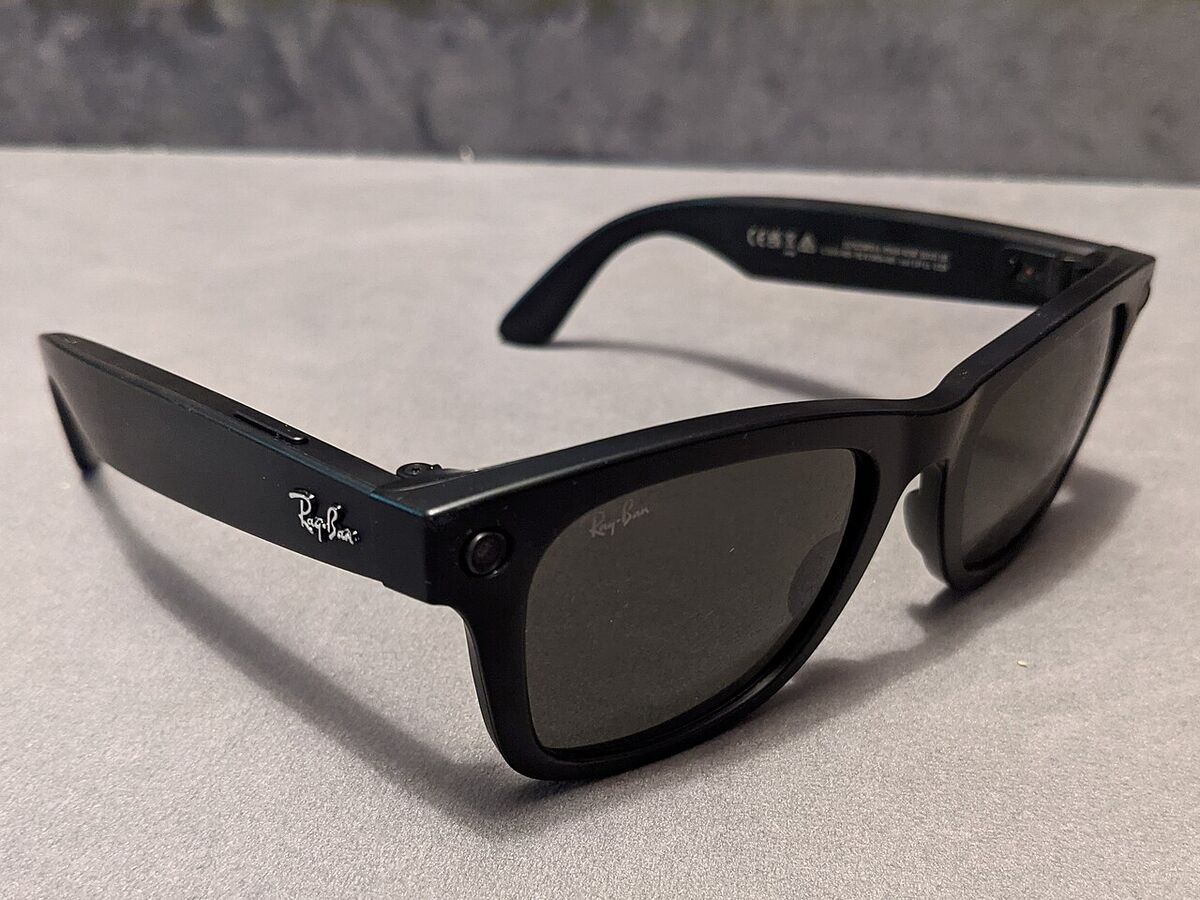
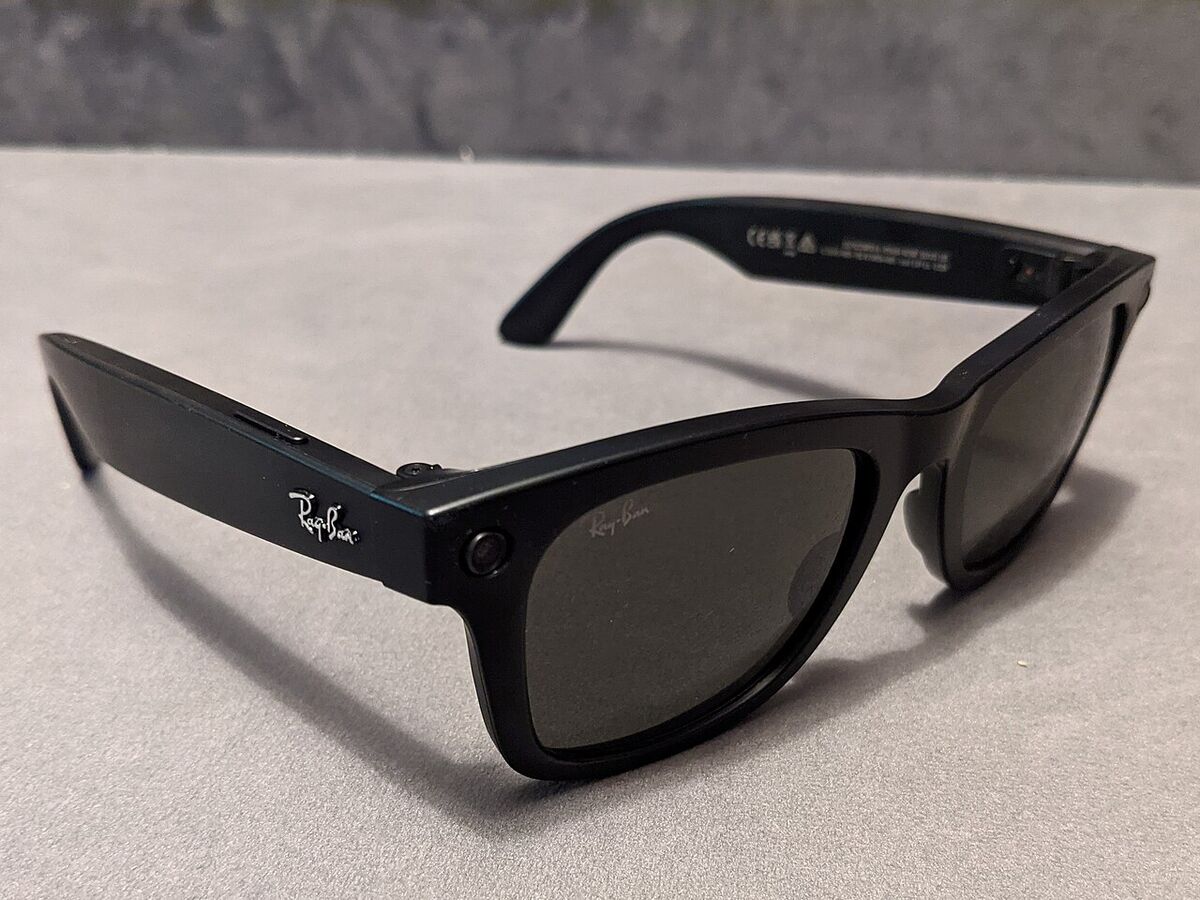
The Ray-Ban Meta smart glasses show that a face computer can be practical in 2024: they look like ordinary Ray-Bans, work as a hands-free camera, and can answer questions about whatever you're looking at. Battery life and privacy are still real problems, but with Mark Zuckerberg recently unveiling the mind-bending holographic "Project Orion" prototypes, I think the smartphone's days might finally be numbered.
A decade ago, the idea of wearing a computer on your face was a surefire way to get bullied. We all remember the Google Glass era—the awkward stares, the privacy panic, the term "Glassholes." It felt like a dystopian technology that society collectively rejected. Today, someone can wear a computer on their face almost every day without anyone even noticing.
Why Do Ray-Ban Meta Glasses Go Unnoticed?
Ray-Ban Meta glasses go unnoticed because they just look like Ray-Bans. They aren't bulky, they aren't heavy, and they don't have a glowing sci-fi prism sitting in front of your pupil.
Out of the box, they work exactly as marketed: as an effortless POV camera. Walking the dog, going to concerts, or just cooking dinner—when a moment happens, there's no need to pull out a phone and ruin the vibe. A tap on the arm of the glasses or "Hey Meta, take a video" is enough.
But the real shift came when the AI features were updated.
What Can "Look and Ask" Do?
"Look and Ask" lets the voice assistant see what you see, which is a fundamental paradigm shift compared with a voice assistant that only hears you.
Picture standing in front of a completely illegible restaurant menu in a foreign city. Instead of pulling out Google Translate, pointing a phone awkwardly, and waiting, you can simply look at the menu and say, "Hey Meta, what are the vegetarian options here?"
The built-in camera snaps a picture, the AI analyzes the text, and a few seconds later a voice in your ear might answer with something like: "There are three vegetarian options: a mushroom risotto, a margherita pizza, and a seasonal salad."
There's no need to break eye contact with the world or look down at a screen. It's like having a quietly brilliant, invisible companion sitting on your shoulder.
- Cooking: Look inside the fridge and ask, "What can I make with these ingredients?"
- Shopping: Pick up a weird gadget at a hardware store and ask, "What exactly is this used for?"
- Navigation: No screen is needed to know where to walk; the open-ear speakers can guide you while keeping you aware of your surroundings.
What Are the Limitations and Privacy Concerns?
The glasses are not perfect. Battery life on the Ray-Ban Metas is mediocre—heavy AI use can drain them well before the day is over. And the AI, while incredibly smart, still hallucinates occasionally.
Then there is the privacy aspect. A tiny LED lights up when the camera is active, but it's easy to miss. Wearing a stealth camera into a private conversation or a public restroom feels inherently wrong. Society hasn't fully worked out the etiquette for this yet, and taking the glasses off in sensitive situations is the sensible default.
Why Does Project Orion Change Everything?
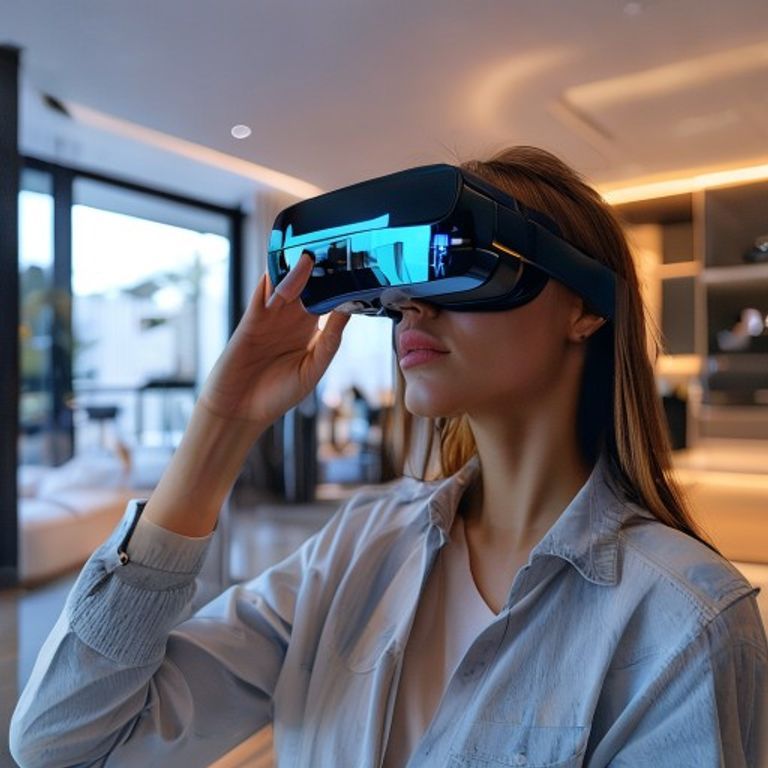
Project Orion matters because it adds the display that the Ray-Ban Metas lack. While the Ray-Ban Metas are mostly an audio and camera experience, Meta's recent reveal of Project Orion shows where this is all heading.
Orion brings true, wide field-of-view holographic displays into a pair of thick, but normal-looking glasses. Imagine the AI not just whispering the translation in your ear, but projecting the translated text perfectly over the foreign menu in real-time. Imagine having multiple virtual monitors floating above your desk, or seeing a holographic arrow painted on the sidewalk guiding you to your destination.
We are currently in the transition phase. The Ray-Ban Metas prove that humans are willing to wear technology on our faces, provided it doesn't make us look ridiculous.
Glasses like these can cut down how often you reach for a smartphone for quick, transactional tasks, because the friction is gone. If this is what the primitive, audio-only version of smart glasses feels like, I cannot wait to see what happens when the holograms of Orion finally hit the mainstream. The screenless future isn't a fantasy anymore; it's already sitting on the bridge of the nose.