The Reality of Using a Gimbal for Vlogging in 2026: Too Heavy for Everyday Use?
- Review, Technology, Hardware
- Exienent
- · Updated
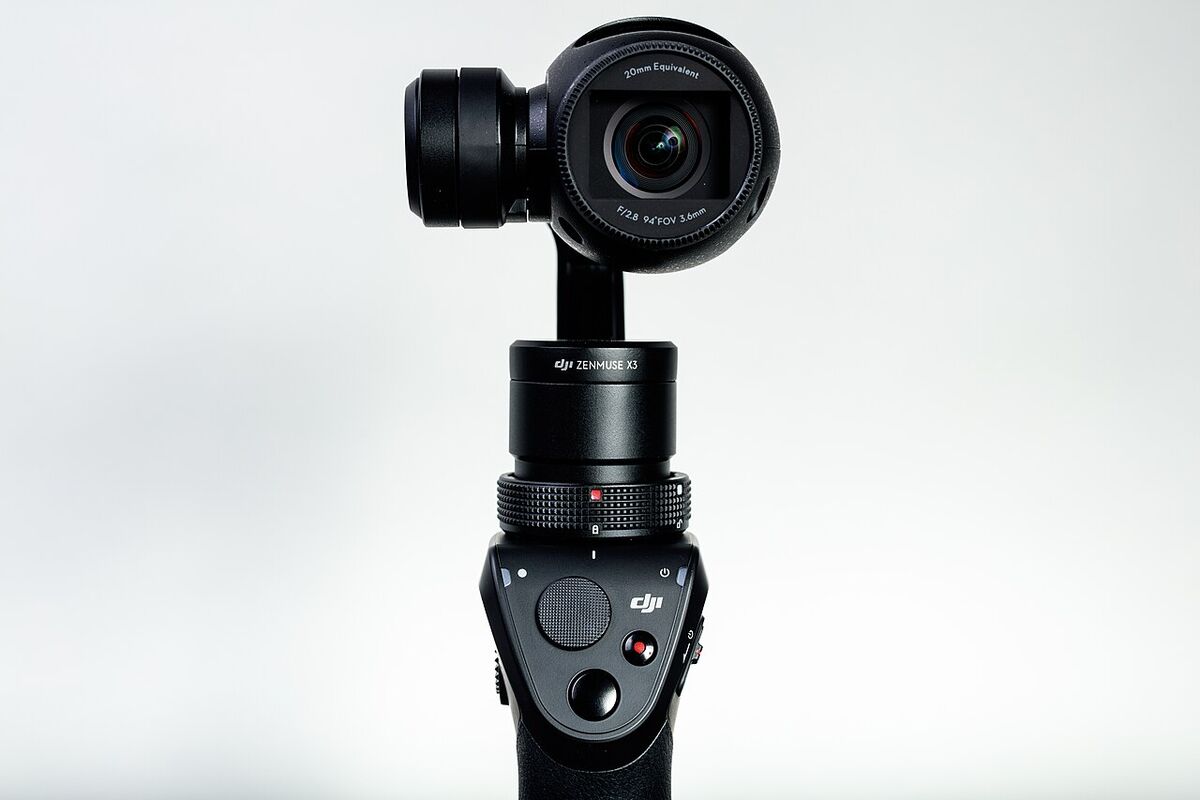
A modern smartphone gimbal delivers noticeably smoother video than any phone's built-in stabilization, but it is heavy, bulky, and slow to set up. In my view, that makes it a strong buy for planned travel or YouTube shoots and a likely drawer-filler for casual everyday clips.
Cinematic vlogs on YouTube with those incredibly smooth, gliding camera movements make a lot of people think, 'I wish I could shoot like that.' A smartphone gimbal shows up on almost every creator's gear list, and rock-steady footage instantly makes a video look more professional.
It is easy to buy one expecting to become a filmmaker overnight. Carrying it every day, though, surfaces a few realities that polished YouTube reviews tend to gloss over. Below is a breakdown of what a gimbal does well, where it falls short for everyday shooting, and who it actually suits.
How Much Better Is Gimbal Footage Than Phone Stabilization?
The results are undeniably different. While the built-in optical and electronic image stabilization (OIS/EIS) on modern smartphones is fantastic, it simply cannot compare to the physical stabilization provided by a 3-axis gimbal.
- Smooth Walking Shots: Walking over uneven cobblestones can look like a drone shot. The buttery-smooth panning is incredibly satisfying.
- Low-Angle Convenience: Filming at eye level with a dog or a child is much easier when you can drop the camera close to the ground using the gimbal's extension rod and underslung mode.
- AI Subject Tracking: With the gimbal on a tripod, AI tracking automatically follows your face and keeps you framed. For a solo creator, this feature alone is almost worth the price of admission.
Is a Smartphone Gimbal Too Heavy to Carry Every Day?
It can be, especially for casual shooting—portability is the biggest hurdle. Manufacturers love to advertise that their gimbals "fold up to fit in your pocket," but that is stretching the truth.
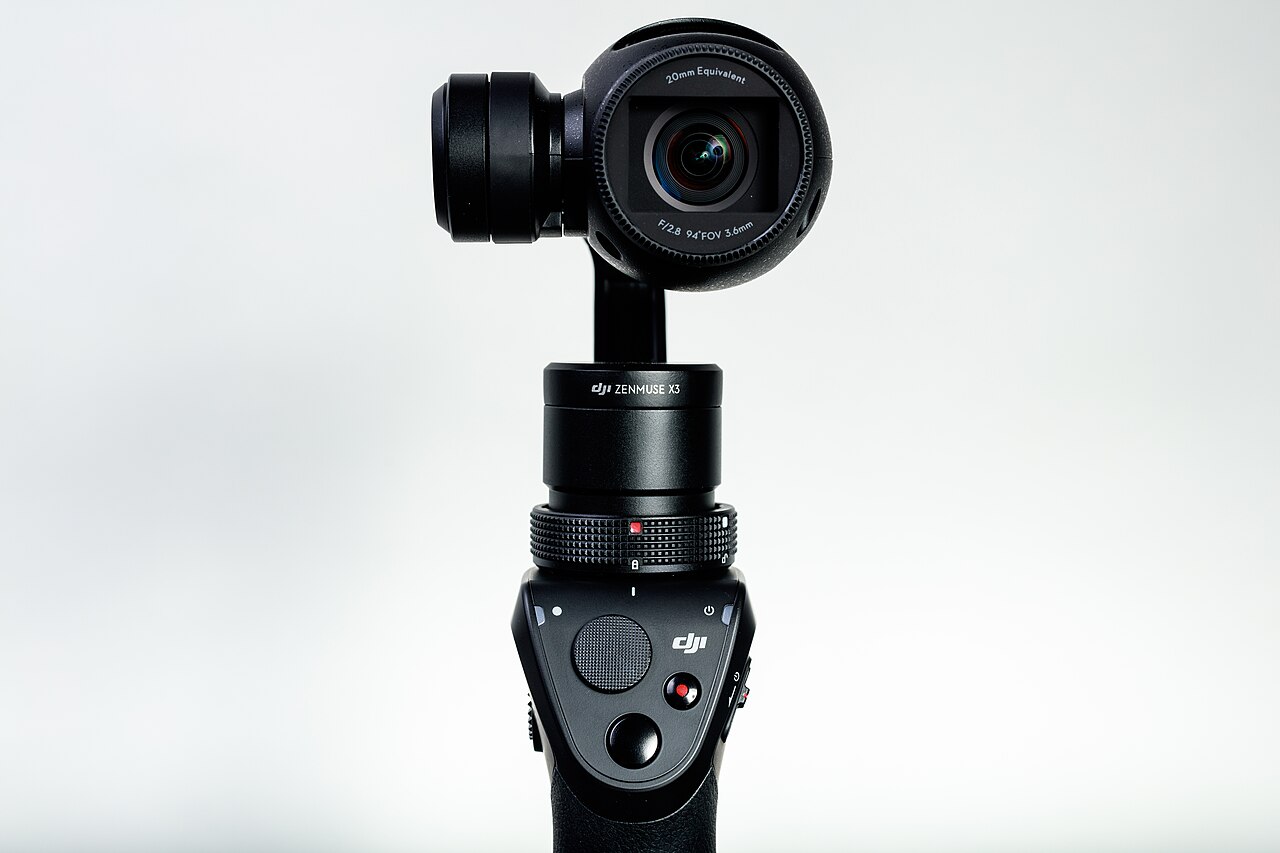
A modern smartphone already weighs well over 200g. Add a gimbal (typically 300-400g), and holding it with one hand for extended periods puts real strain on your wrist. Moreover, even when folded, the bulk is significant. It will not fit in a small sling bag or a pants pocket, so you can end up carrying a larger backpack just to accommodate the gimbal.
- "Ugh, too lazy to take it out." This is the fatal flaw. When you suddenly see a gorgeous sunset, whipping out your phone takes two seconds. To use the gimbal, you have to dig it out of your bag, attach the magnetic clamp to your phone, power it on, and let it balance. By the time you're ready, that fleeting moment may be gone.
Does a Gimbal Drain Your Phone Battery?
It can drain the phone quickly, even though the gimbal's own battery is massive and will easily last all day. Running the dedicated camera app over Bluetooth while shooting continuous high-res video can melt your smartphone's battery, so you may need to carry a heavy power bank as well.
Another downside is easy to underestimate: using a gimbal in public draws a lot of attention. People may stare as if you're a television crew filming a documentary, and introverts in particular can feel too self-conscious to pull it out in crowded cafes or restaurants.
So, Who Is a Gimbal Actually For?
Here is my honest conclusion.
If you are shooting "planned travel content" or "scripted YouTube videos," a gimbal is a phenomenal investment, and the jump in production value is easy to see.
However, if your goal is just "casual daily documentation" or "quick Instagram stories," I'd recommend skipping it. Because it's so cumbersome to carry every day, it can easily end up gathering dust in a drawer. For casual use, you are better off with a tiny, lightweight action camera, or simply a solid MagSafe grip on your phone for better handheld stability.
What kind of content are you planning to shoot? Think carefully about your workflow before making the leap!