The Sodium-Ion Battery Revolution: Why 2026 is the End of the Lithium Monopoly
- Technology, Hardware, Environment
- Exienent
- · Updated
Sodium-ion batteries are breaking lithium's monopoly in 2026 by winning the cheap end of the market: affordable city EVs, e-bikes, and grid-scale storage. With commercial cells now reaching 160-200 Wh/kg, they compete directly with lithium iron phosphate (LFP) batteries while using a material you can extract from seawater.
If you follow tech news even a little bit, you've probably been hammered with headlines about "solid-state batteries" for the last five years. Yes, solid-state is amazing, and yes, it's finally hitting the premium EV market. But while everyone was looking up at the high-end sports cars, a quiet, massive revolution was happening at the bottom of the market. Affordable electric vehicles and new grid-storage projects are increasingly running on salt instead of lithium, which is why 2026 has become the breakout year for sodium-ion technology, and why it might be a bigger deal for the average person than solid-state will ever be.
Why Move Away From Lithium-Ion Batteries?
The lithium supply chain is a nightmare. For decades, lithium-ion has been the undisputed king of batteries. It powers your phone, your laptop, and almost every electric car on the road. But:
- The Cost Factor: Lithium is relatively rare and incredibly expensive to mine and refine. As the world tries to electrify everything, the demand (and the price) for lithium has been aggressively unstable.
- Geopolitical Headaches: The vast majority of lithium processing is concentrated in a few specific regions, leading to intense geopolitical friction and supply chain vulnerabilities.
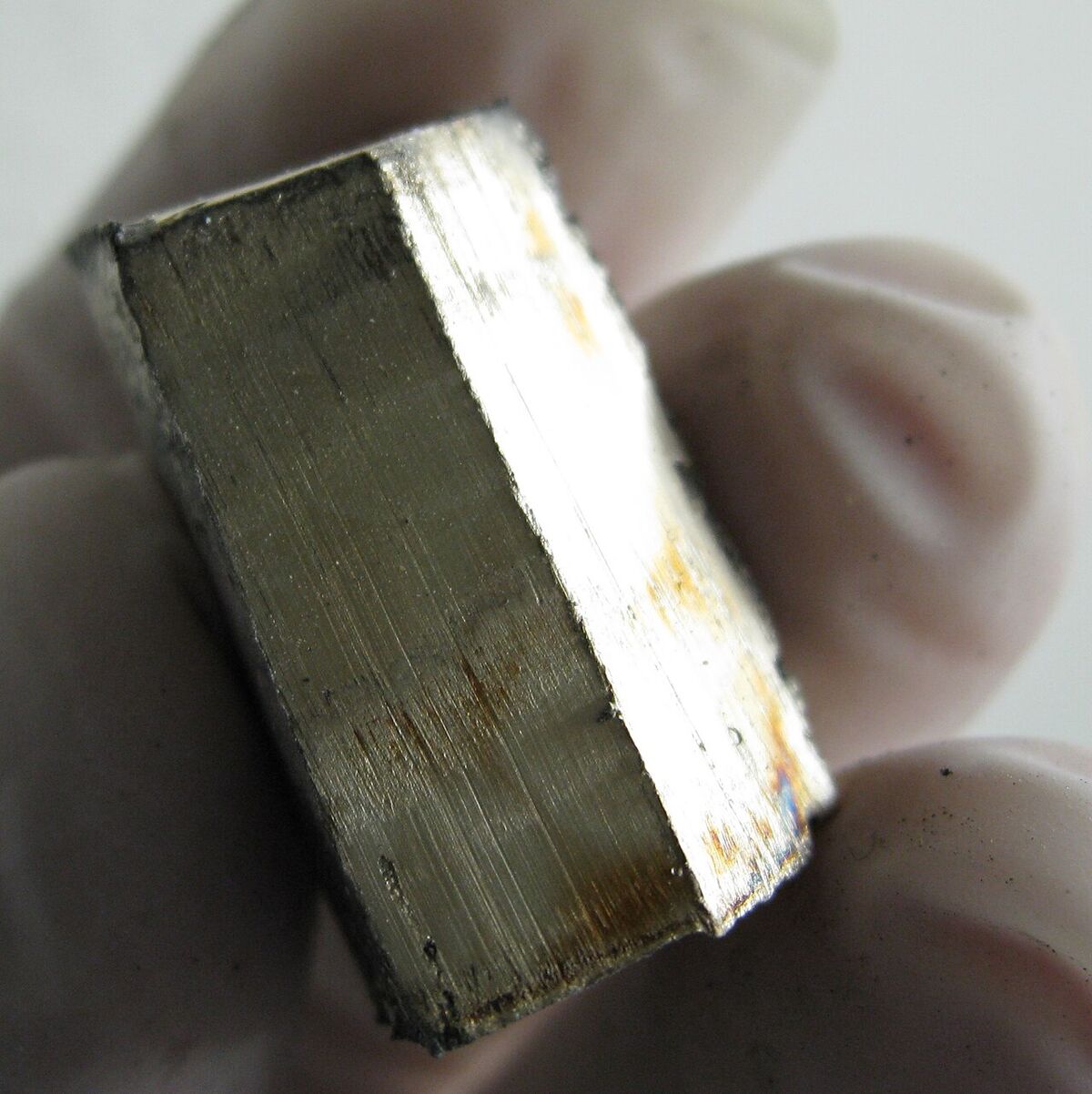
We needed a battery that was "good enough" but made out of materials that are cheap, abundant, and available literally everywhere. Enter sodium. It is the sixth most abundant element on Earth. You can extract it from seawater.
Why Wasn't Sodium-Ion Used Sooner?
The problem was always energy density. A sodium atom is physically larger and heavier than a lithium atom. For a long time, a sodium-ion battery was just too heavy and bulky to put into a car. It was only good for stationary things where weight didn't matter.
The engineering leaps made leading up to 2026 have flipped the script. Thanks to new cathode materials and hard carbon anodes, the energy density of commercial sodium-ion cells has finally crossed the crucial threshold of 160-200 Wh/kg.
That makes them directly competitive with the cheaper lithium iron phosphate (LFP) batteries used in standard-range EVs.
Where Are Sodium-Ion Batteries Winning Right Now?
Sodium is winning where extreme range isn't the priority, but extreme cost savings are.
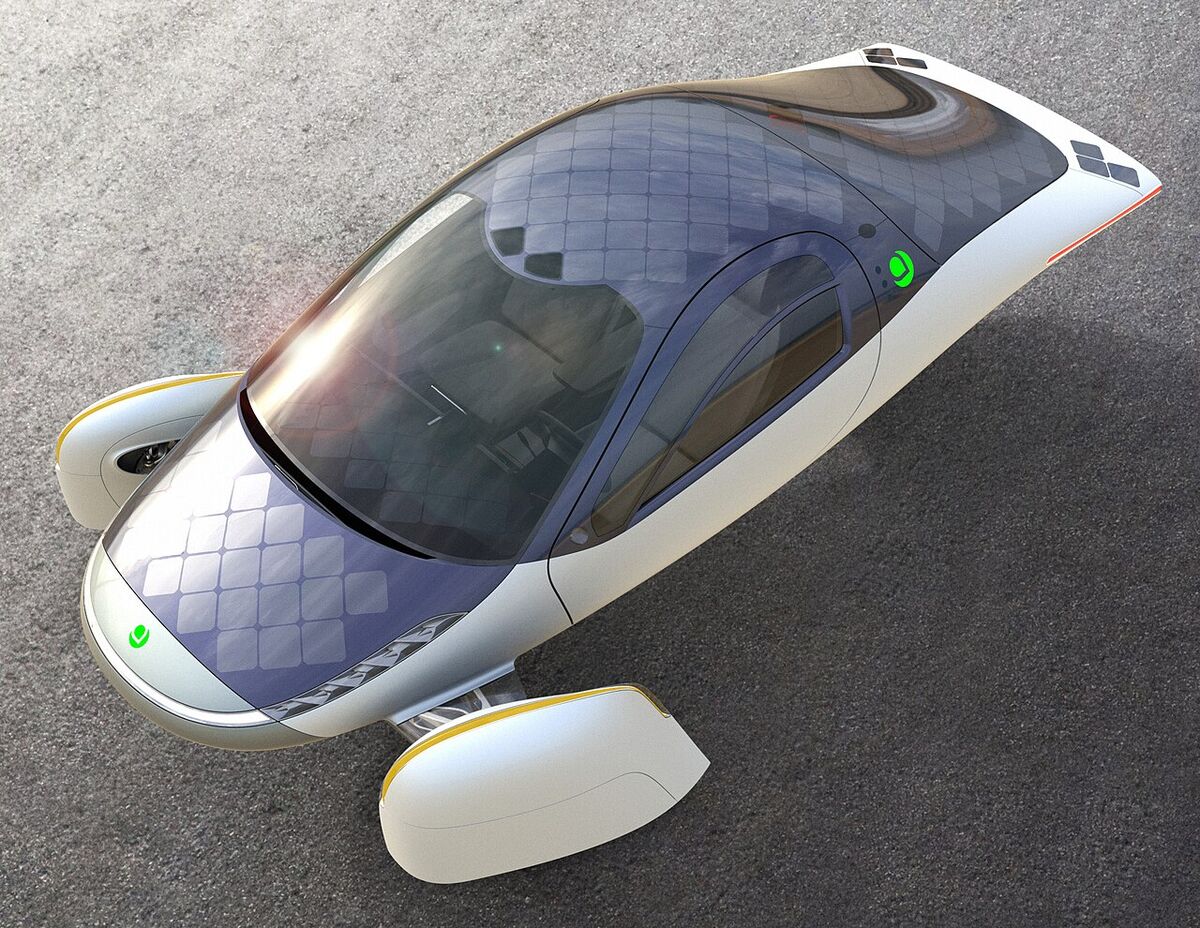
- Affordable City EVs: We are finally seeing the promise of the truly affordable $15,000 electric car. Automakers are swapping out lithium for sodium in their compact city cars. You might only get 150 miles of range, but for 80% of daily commuters, that is more than enough.
- Incredible Cold Weather Performance: This is my favorite feature. If you live in a place that freezes, you know lithium batteries die quickly in the cold. Sodium-ion batteries retain almost 90% of their capacity even at -20°C (-4°F). They practically ignore the cold.
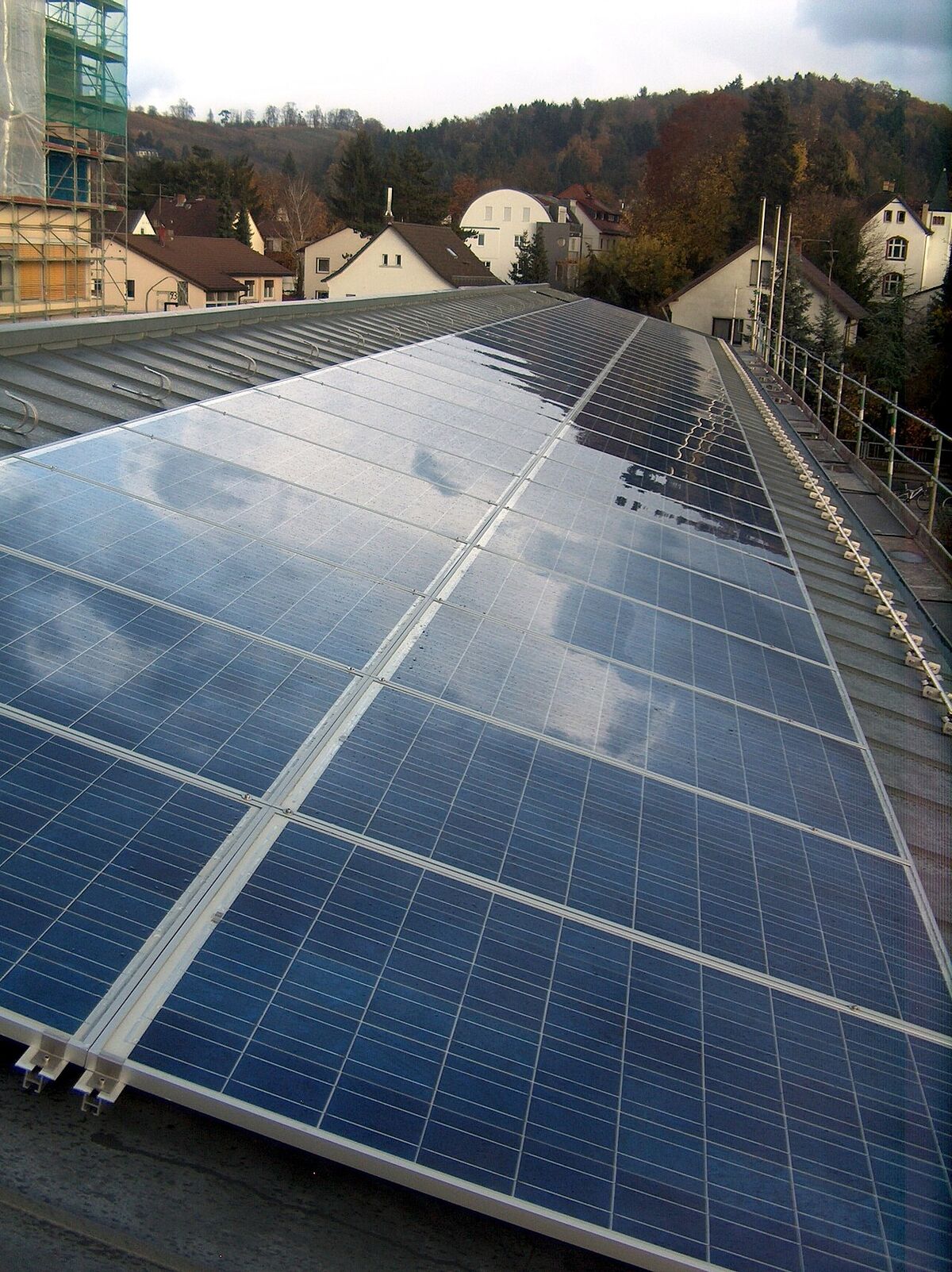
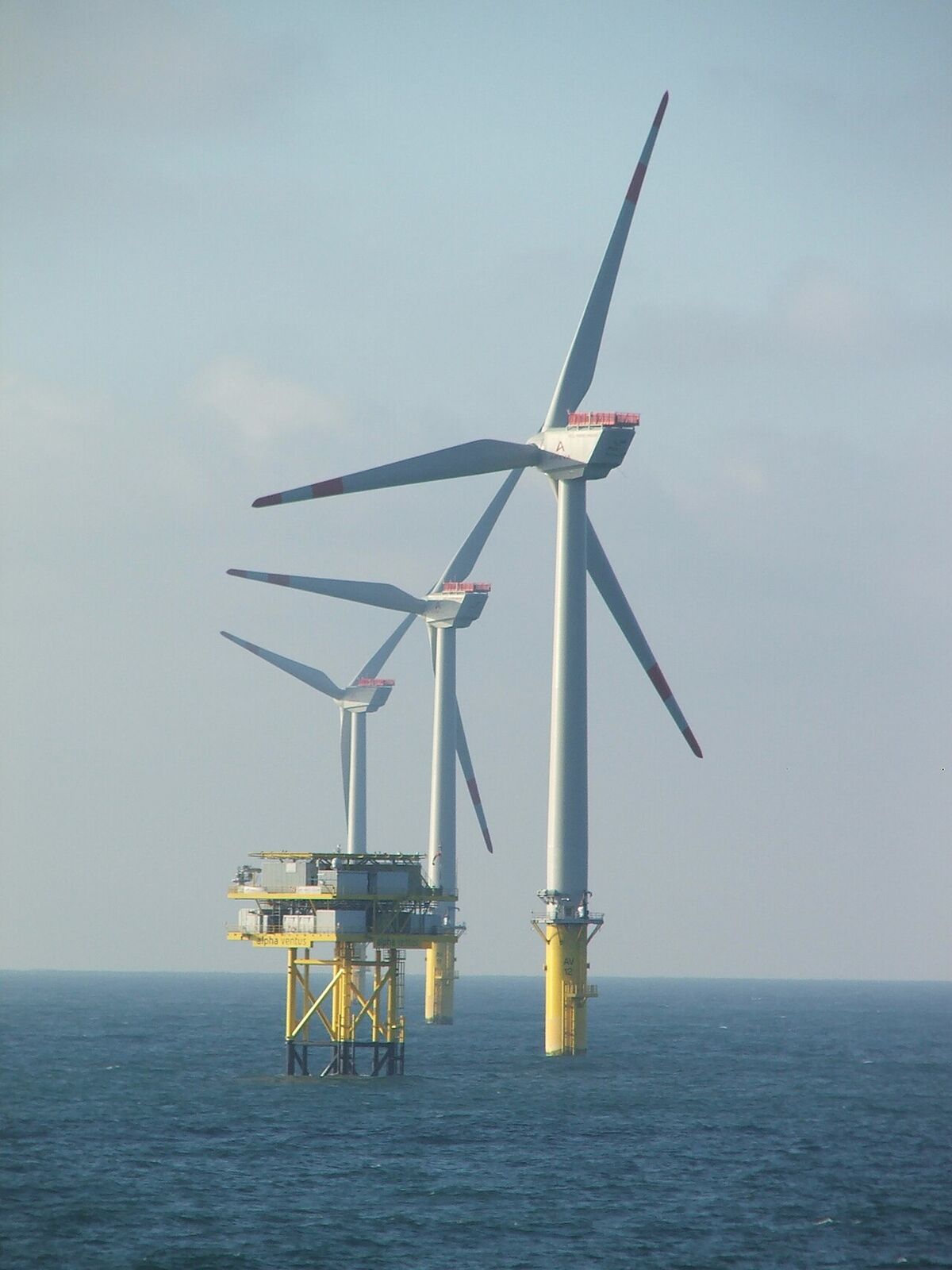
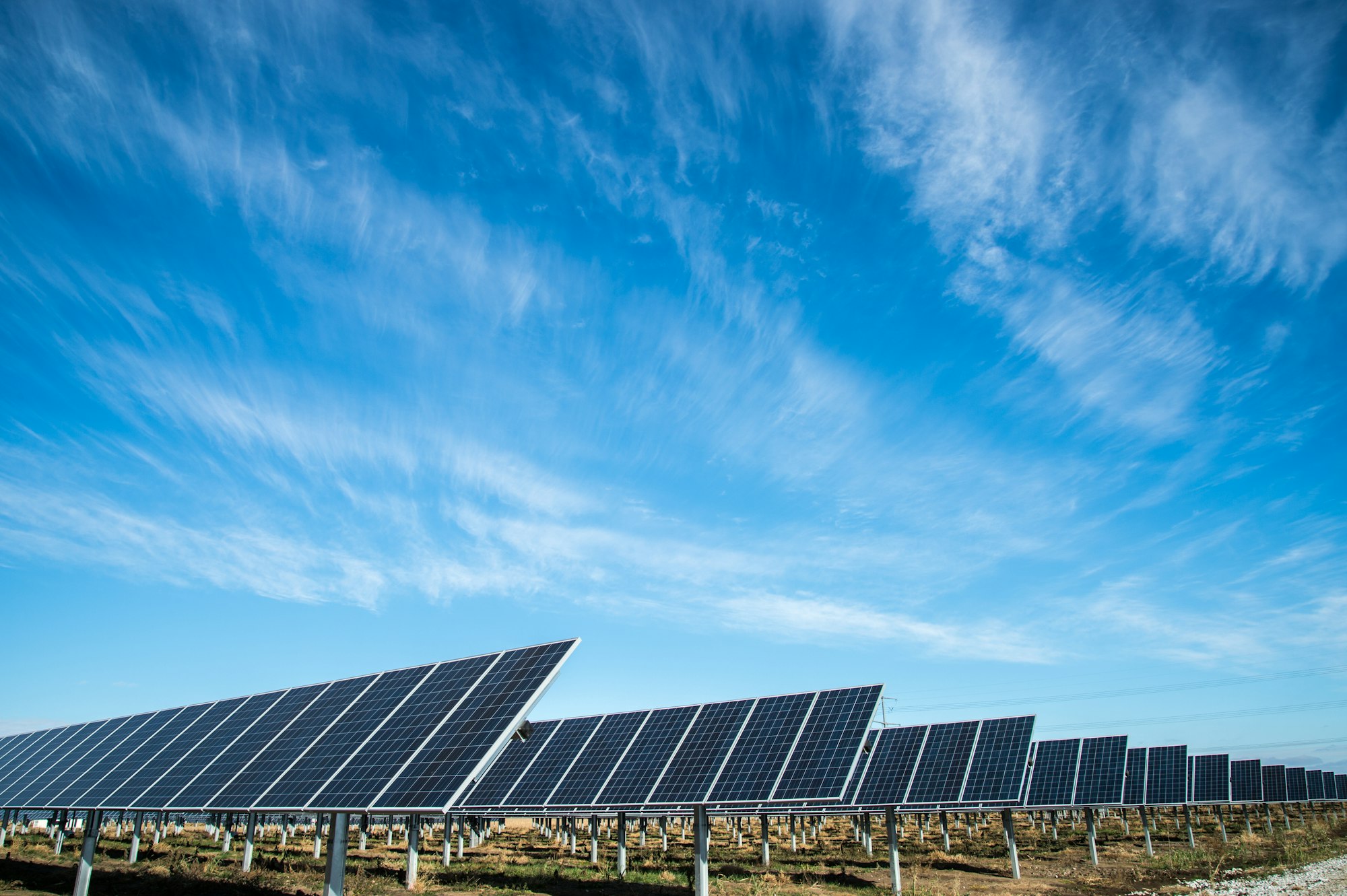
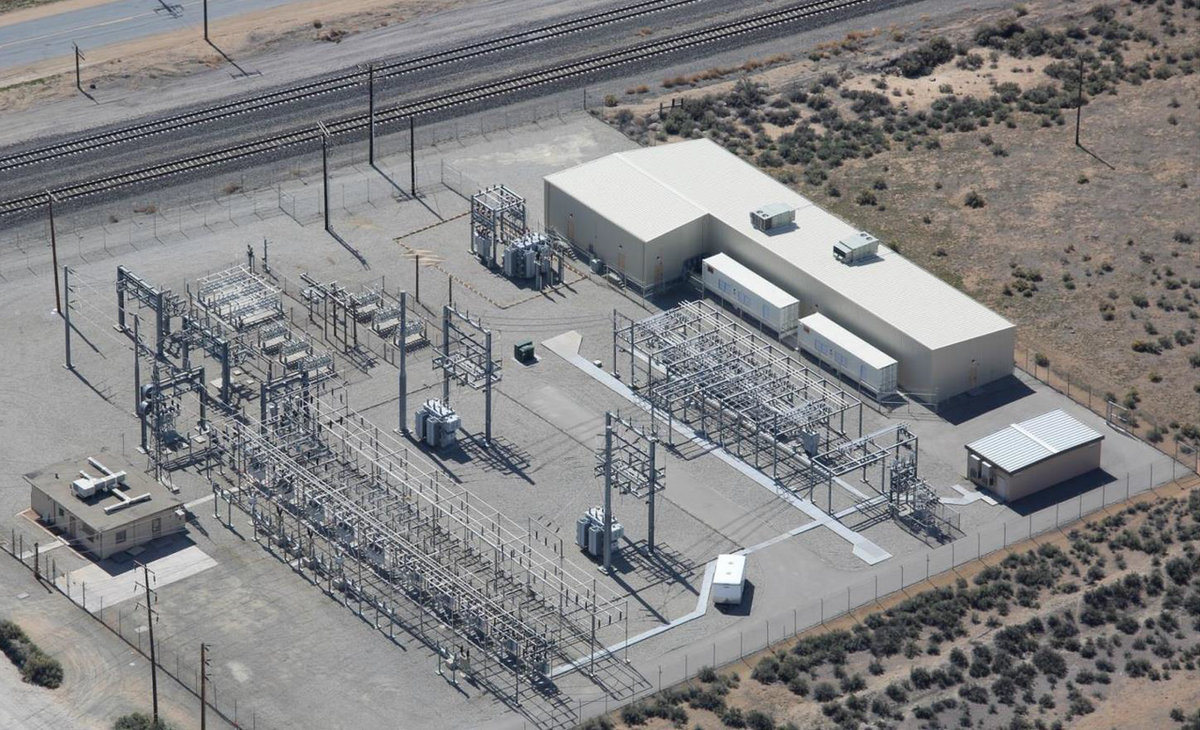
- Grid-Scale Energy Storage: As we build more solar and wind farms, we need massive batteries to store that energy for when the sun goes down. Because sodium batteries are incredibly cheap to manufacture at scale and are highly fire-resistant, they are rapidly becoming the backbone of national grid storage projects.
Will Sodium-Ion Replace Lithium Completely?
No. The future is a two-tier battery market. If you are buying a $100,000 luxury EV that needs to travel 600 miles on a single charge, or a premium ultrabook, you will still be buying lithium (specifically, solid-state lithium).
But for everything else—the affordable commuter cars, the e-bikes, the electric scooters, and the massive batteries backing up our electrical grid—sodium is taking over. It is the ultimate blue-collar battery: cheap, durable, and getting the job done without the drama. The era of the lithium monopoly is officially over.