Odor-Free Composting in an Apartment: A Guide to Bokashi and Zero Waste
- Environment, Lifestyle
- Exienent
- · Updated
Bokashi composting lets you process food waste inside a small apartment with almost no odor: scraps ferment in a sealed bin with microbe-rich bran for two weeks, then break down into soil in less than a month. It needs no electricity or filters, which makes it a natural fit for a 'Zero Waste' lifestyle.
Summer brings fruit flies and the stench of rotting food waste. High-tech 2026 food waste dehydrators are one answer, but they consume electricity constantly and need filter replacements. Bokashi is an entirely natural alternative that works on a narrow apartment balcony.
What Is Bokashi and How Is It Different from Regular Composting?
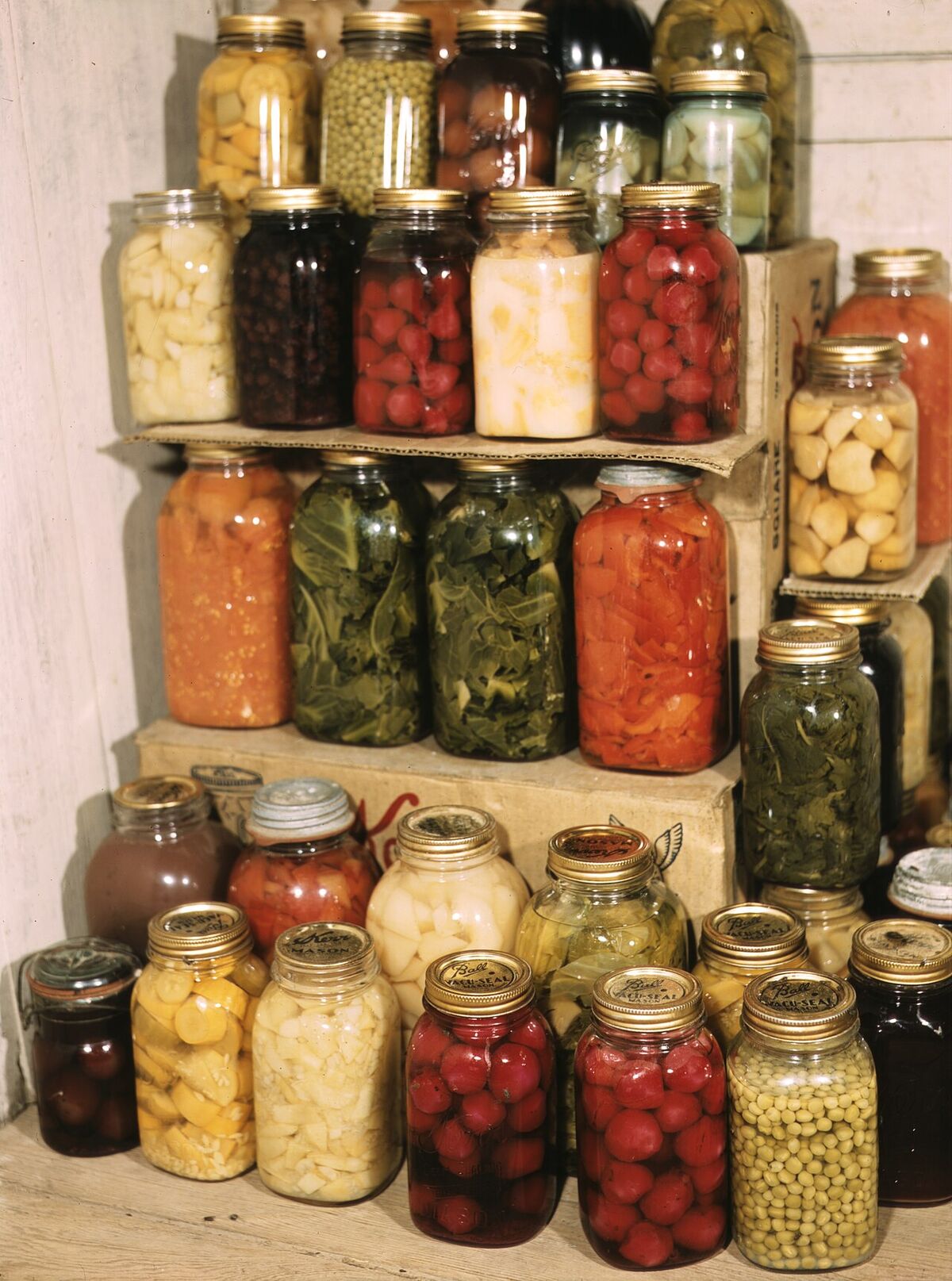
Bokashi ferments food waste instead of letting it rot. When you hear "composting," it's easy to imagine a rotting pile of vegetable scraps in the corner of a yard, swarming with flies. That's traditional "aerobic composting," which requires oxygen. Originating from a Japanese word meaning "fermented organic matter," Bokashi is a method that uses beneficial microbes (EM - Effective Microorganisms) to 'ferment' food waste in an oxygen-deprived (anaerobic) environment, rather than letting it 'rot'.
It works on the exact same principle as fermenting kimchi or yogurt.
The Advantages of Bokashi:
- Practically Odorless: Instead of the sickening smell of rotting garbage, it emits a sour, slightly sweet, fermented scent similar to pickles or apple cider vinegar. As long as the lid is tightly sealed, you wouldn't even know it's in your living room.
- Meat and Dairy are Welcome: Unlike traditional indoor composting (like worm bins) where meat, fish, dairy, and oily cooked foods are strictly forbidden, you can throw almost any organic matter into a Bokashi bin.
- Lightning Fast: Once the fermented contents (after two weeks in the bin) are buried in soil, they completely break down and transform into nutrient-rich soil in less than a month.
How Do You Start a Bokashi Bin?
Starting takes only an airtight Bokashi bin and a bag of EM (Effective Microorganisms) bran, both easy to buy online. The process is surprisingly simple.
- Chop it Up: Cut large vegetable scraps like watermelon rinds into smaller pieces. This increases the surface area for the microbes to work faster.
- Layering: Place a layer of food scraps into the bin and sprinkle a handful of the sawdust-like EM bran evenly over the top.
- Compress and Seal: Using a tool like a potato masher, press down firmly to squeeze out as much air as possible, then seal the lid tight to block out oxygen. Repeat this daily until the bin is full.
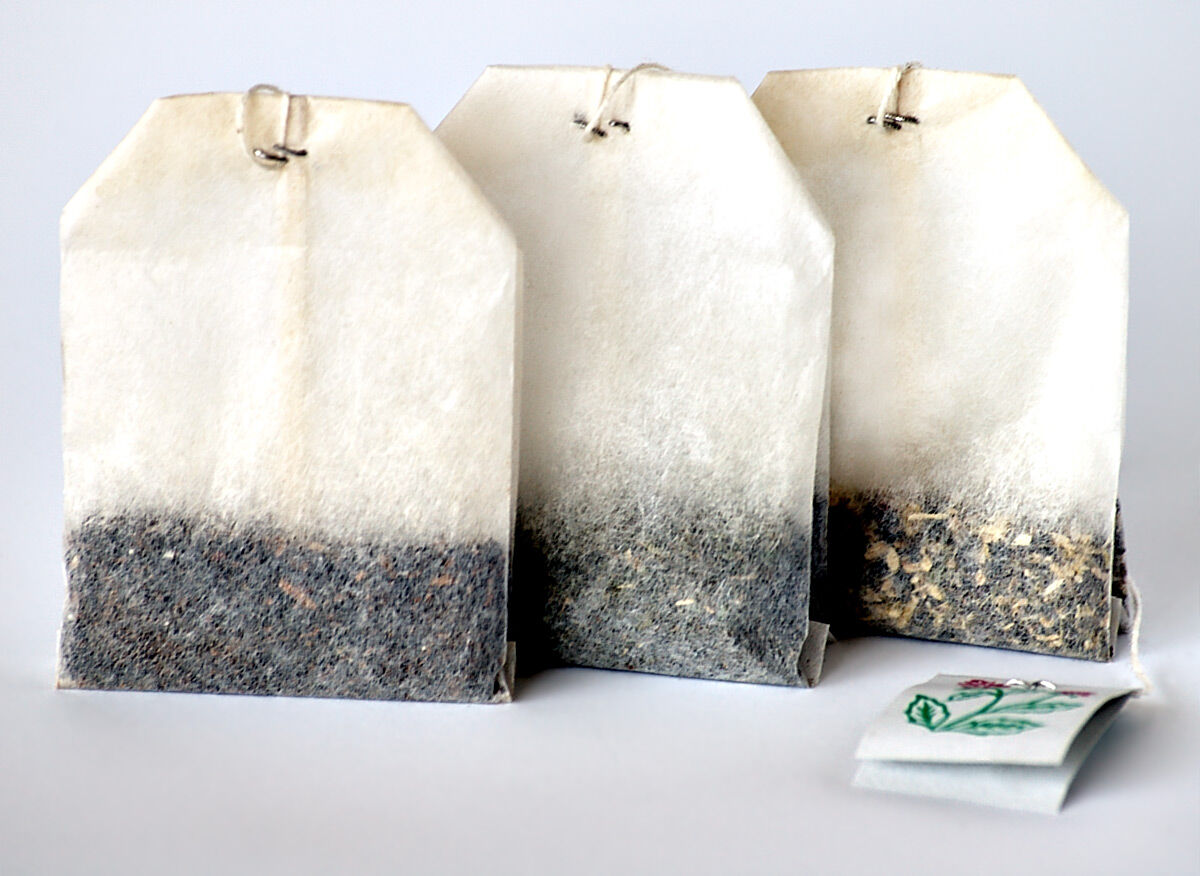
- Draining the 'Bokashi Tea': After a few days, liquid starts to collect at the bottom. Drain this "Bokashi tea" through the spigot. Diluted 1:100 with water, it can serve as a liquid fertilizer for houseplants. Poured straight down the drain, the microbes can act as a natural cleaner for grime and odors.
Once the bin is completely full, leave the lid sealed for two straight weeks so the contents can fully ferment.
What Happens After Two Weeks of Fermentation?
After two weeks, the food still looks like food, but it should be covered in white mold (a sign of beneficial bacteria) and have a strong pickled smell. Those are signs that fermentation succeeded.
The next step is mixing it with soil to create actual compost. In an apartment, a large planter box on the balcony can act as a "Soil Factory."
- Put a base layer of regular potting soil at the bottom, mix the fermented Bokashi contents thoroughly with more soil, and then cover the whole thing with a thick top layer of soil.
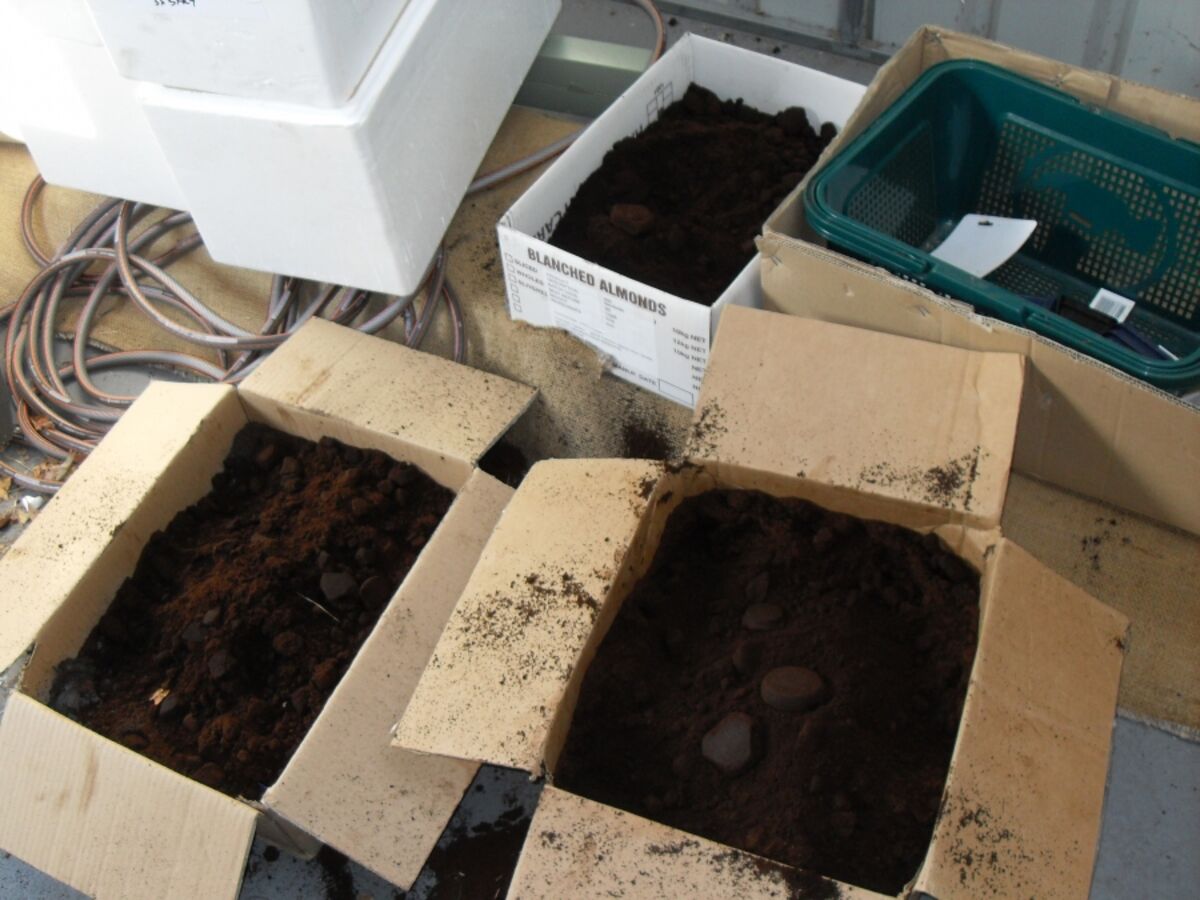
- Within the following weeks, the food scraps can disappear completely, leaving dark, crumbly, nutrient-rich black earth.
That soil can then be used to repot houseplants or herbs such as Monstera and basil. Seeing the waste you threw away turn into soil that grows the plants in your home is one of the most rewarding parts of the cycle.
What Are the Downsides of Bokashi?
Bokashi has real inconveniences. The effort of chopping food scraps, the ongoing cost of buying EM bran, and the need for a soil container (and space) to bury the fermented matter can be barriers to entry.
On the other hand, it can end the stress of carrying a dripping, smelly food waste bag onto the elevator. There is also the psychological fulfillment of contributing directly to a circular resource economy and reducing carbon emissions, a value that expensive home appliances don't offer.
Does a Zero Waste Life Have to Be Perfect?
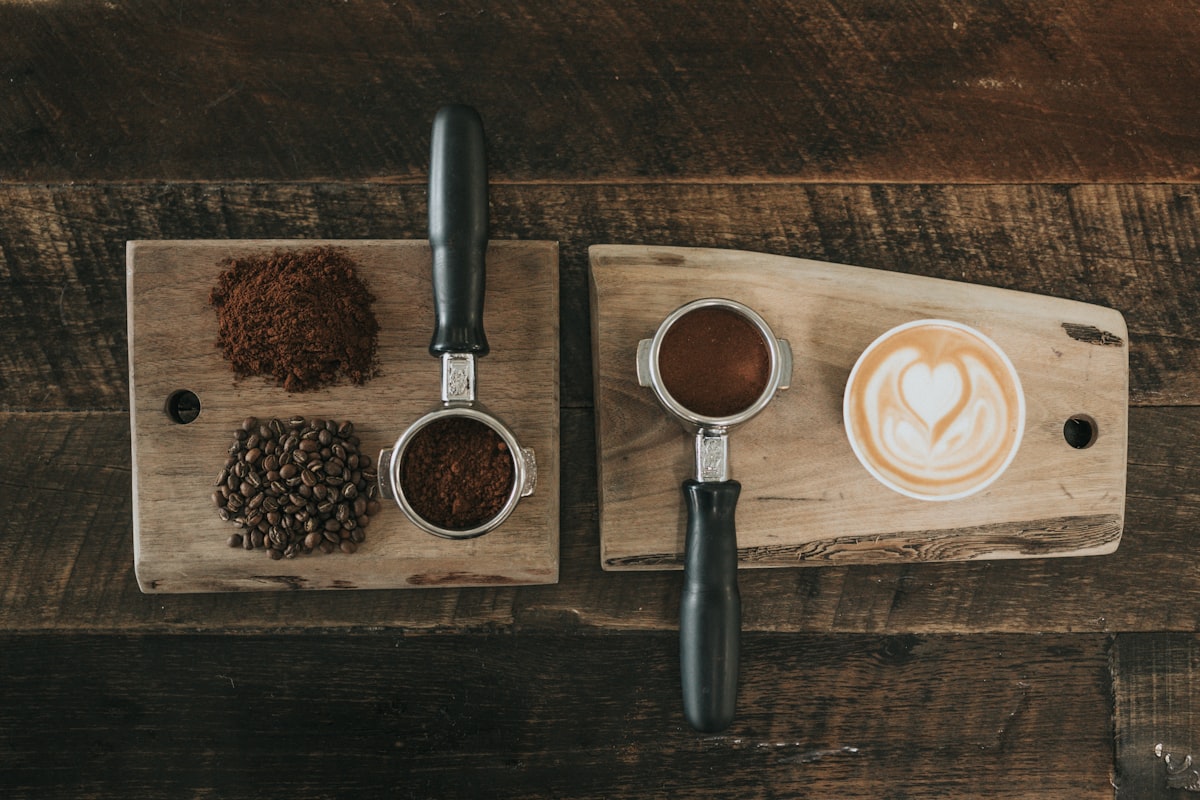
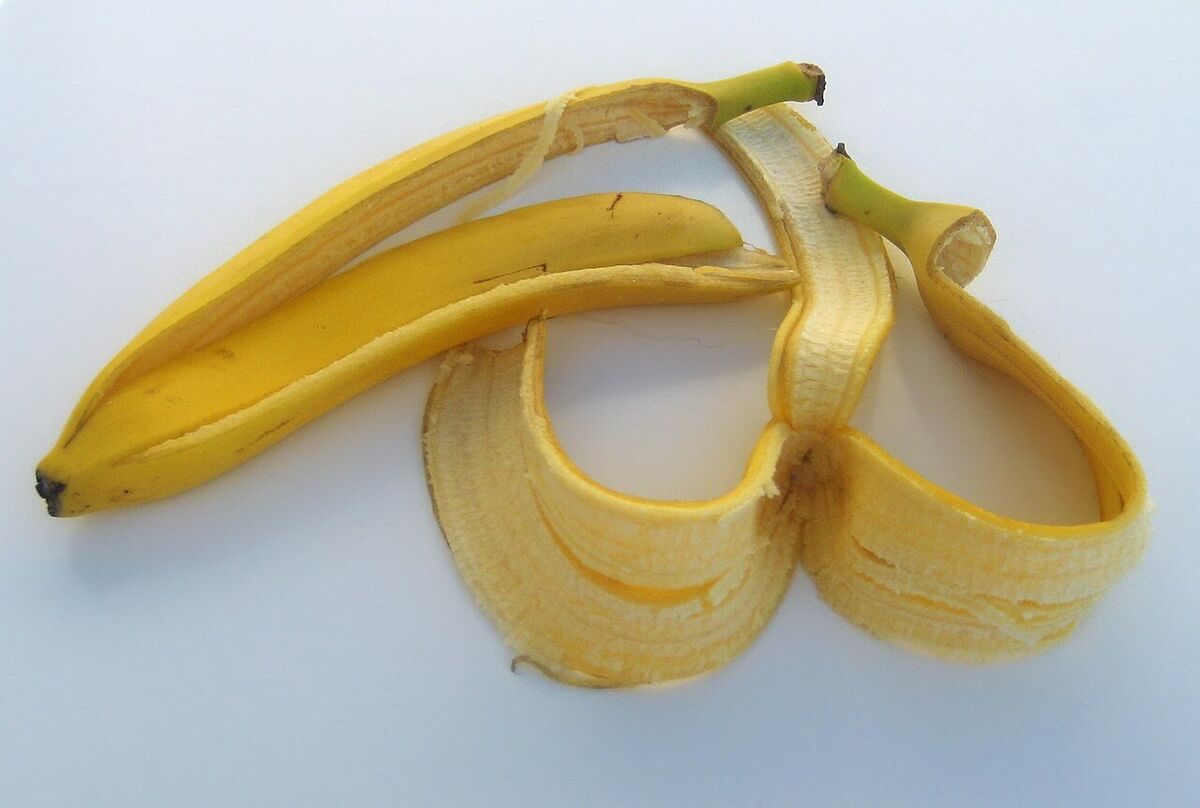
No. You don't need to return every single piece of trash to nature. Just try processing your daily coffee grounds and fruit peels with Bokashi. That small action is the first step toward turning your balcony into a miniature forest where life continuously cycles. In 2026, why not start your own small indoor composting project?