The Modern Workplace Tug-of-War: Why 'Quiet Vacationing' and 'Coffee Badging' Are the New Norm
- Work Culture, Lifestyle
- Exienent
- · Updated
Coffee Badging is swiping into the office just long enough to register attendance, and Quiet Vacationing is working from a trip without officially taking time off. Both are quiet ways employees are pushing back against strict Return-to-Office (RTO) mandates while still meeting the letter of the rules.
If you've casually swiped your ID badge at the office just to grab a quick coffee, chat with a coworker for twenty minutes, and then sneak back home to finish your workday in sweatpants, you aren't alone. There's a name for what you did.
Over the past few years, a massive, invisible tug-of-war has played out between corporate executives demanding a strict RTO and employees who refuse to give up the autonomy they gained during the remote work boom. While the headlines often focus on rigid mandates and threatened layoffs, the reality on the ground is far more nuanced—and honestly, quite clever.
Here is how the modern workforce is quietly rewriting the rules of the office through these two trends, and what this means for the future of how we actually get things done.
What Exactly Is "Coffee Badging"?
Coffee Badging is the act of showing up to the office for the bare minimum amount of time required to register your attendance. It is arguably the most hilarious, yet highly effective, byproduct of corporate bureaucracy. As companies began tracking building badge swipes to enforce in-office attendance (usually mandating 2 or 3 days a week), employees quickly realized a loophole. The mandates often tracked if you showed up, not how long you stayed.
In practice, you badge in, grab a coffee, make sure your manager sees your face, perhaps attend one in-person meeting, and then promptly commute back home before the rush hour traffic hits.
Why are employees coffee badging?
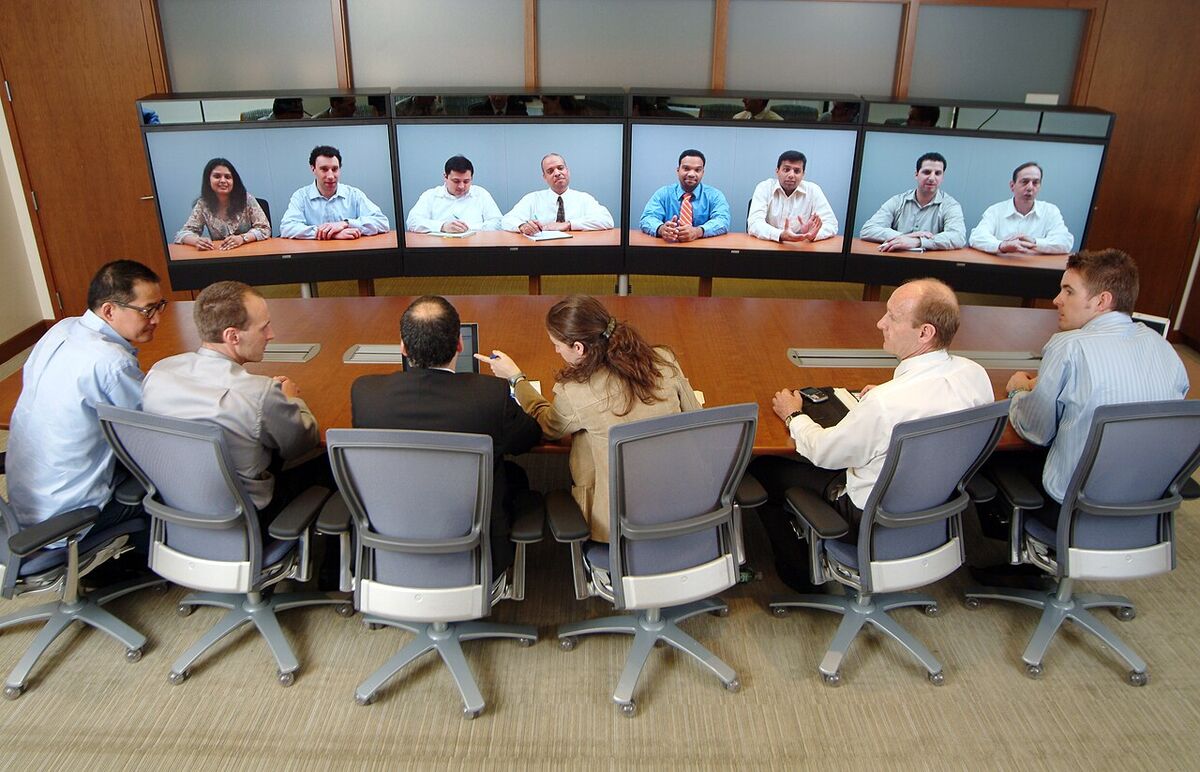
Coffee Badging is a direct response to what many workers feel is "performative attendance." If your entire day consists of sitting in a cubicle on Zoom calls with people in different states, the physical commute feels entirely pointless. Employees are fulfilling the technical requirement of the mandate while protecting their deep-focus time and mental energy at home.
What Is "Quiet Vacationing"?
Quiet Vacationing happens when remote or hybrid employees take a trip or a vacation without officially logging Paid Time Off (PTO). If Coffee Badging is about minimizing office time, Quiet Vacationing is about maximizing life without asking for permission.
We all know about "Quiet Quitting" (doing only the bare minimum of your job description), but Quiet Vacationing takes a different angle. Employees bring their laptops to a beach house, a mountain cabin, or even an international resort, and continue to work their normal hours.
How are people pulling off Quiet Vacationing?
- Virtual Backgrounds: Blurring out the background or using a standard corporate backdrop on video calls to hide the fact that they are dialing in from a hotel balcony in Mexico.
- Mouse Jigglers: Using hardware or software tools to keep their status active on Slack or Teams while they step away for a midday swim.
- Scheduled Emails: Writing emails in advance and scheduling them to send at regular intervals to create the illusion of constant, real-time productivity.
Why take a quiet vacation instead of real PTO?
Quiet Vacationing stems from a deeper issue in modern work culture: the stigma around taking actual PTO. Many employees feel immense pressure not to fall behind on projects or fear looking "uncommitted" if they take a real break. So, instead of unplugging entirely, they compromise by changing their scenery while remaining tethered to their inbox.
Why Are Companies Struggling to Stop This?
Companies can technically catch these behaviors—IT departments can track IP addresses or monitor laptop activity—but in practice it's a massive headache that often backfires.
When companies implement draconian surveillance software (often dubbed "tattle-ware"), they instantly destroy trust. In an era where specialized talent is highly competitive, top performers will simply leave a company that treats them like untrustworthy children.
Furthermore, middle managers are exhausted. Most direct supervisors care about output and results, not policing whether their team member sent an email from their living room in Chicago or an Airbnb in Colorado. As long as the work gets done and the client is happy, many managers are choosing to look the other way.
What Is the Real Problem Behind These Trends?
The root cause of both Coffee Badging and Quiet Vacationing is that many traditional corporations are still trying to manage a 2026 workforce using 1995 metrics. We are still obsessed with "hours at a desk" rather than "value created."
If an employee can finish their tasks flawlessly in four hours from a beach, why should they be forced to pretend to look busy in a gray cubicle for eight hours? These trends aren't just employees being lazy; they are a form of silent protest against an outdated system of measuring productivity.
Where Does the Office Go From Here?
The tug-of-war isn't ending anytime soon, but the rope is definitely slipping through corporate hands. Companies that insist on rigid, location-based tracking will continue to see their employees find creative loopholes.
The businesses that will thrive in this new era are the ones transitioning to purely asynchronous, outcome-based work models. They won't care if you Coffee Badge because they won't have a mandate in the first place. Until then, the silent rebellion continues. Keep your virtual backgrounds ready, and maybe I'll see you at the office coffee machine for exactly five minutes next Tuesday.