Can an AI Agent Replace a Human Language Tutor?
- AI & Data, Lifestyle
- Exienent
- · Updated
A real-time AI voice agent can't fully replace a human language tutor, but it is an excellent place to build speaking volume and confidence. It offers judgment-free, always-available conversation practice with personalized vocabulary; what it lacks is cultural nuance, precise pronunciation coaching, and the friction of real debate. The strongest approach is a hybrid: AI for daily practice, a human tutor for nuance.
Learning a new language is inherently frustrating. You memorize vocabulary on your commute, you ace the grammar quizzes on your phone, and then the moment a native speaker actually talks to you, your brain completely flatlines.
Why Consider an AI Language Tutor at All?
AI tutors fill the gap that language apps have long left open: unscripted, real-time conversation practice. Hiring a human tutor on platforms like iTalki is fantastic, but it's expensive, requires scheduling, and can be incredibly intimidating when you're a beginner fumbling for basic words.
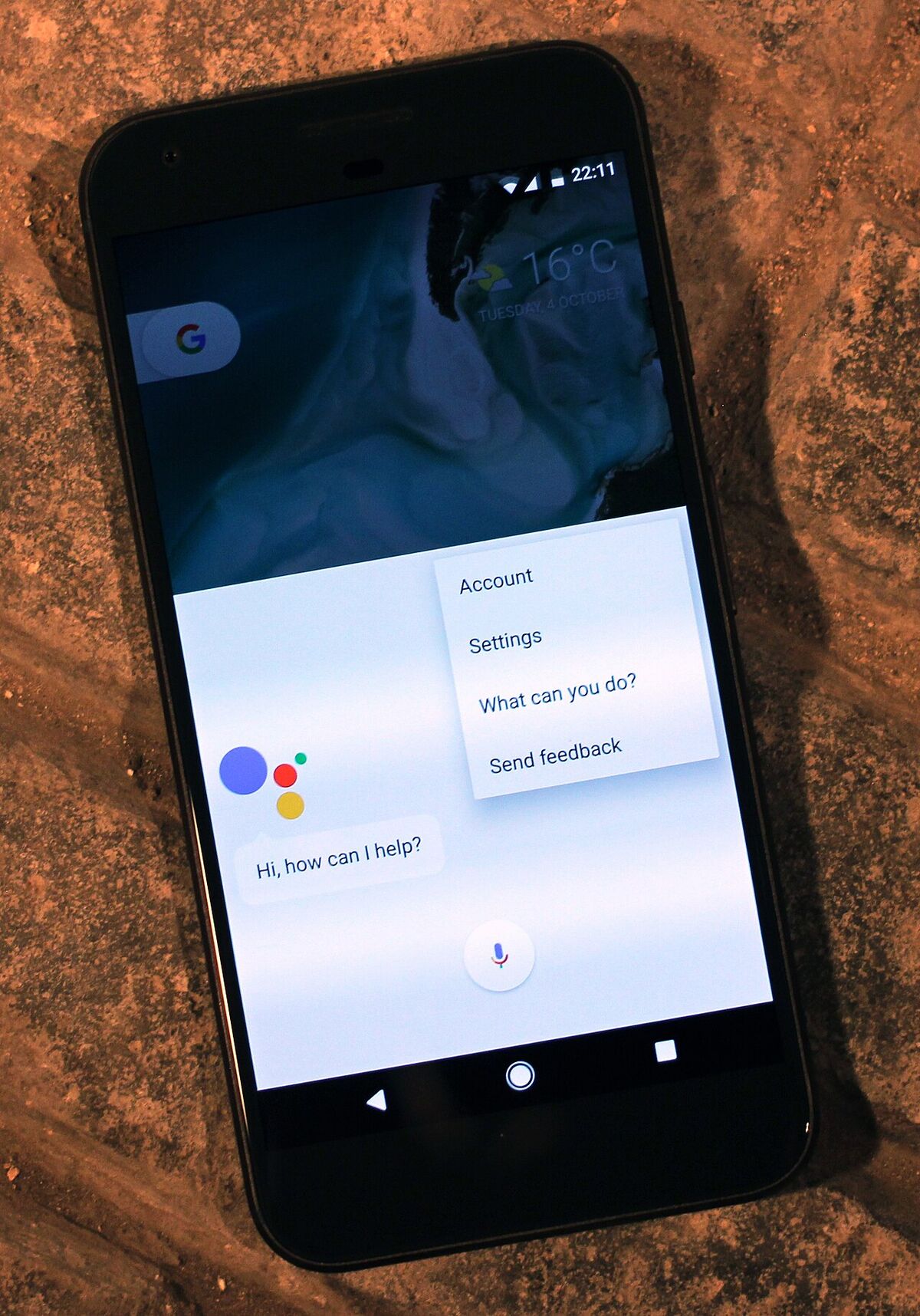
Real-time conversational AI models have made massive leaps—think low-latency voice agents that can interrupt, parse accents, and respond instantly. That makes them a realistic stand-in for a speaking partner, for example when practicing conversational Spanish.
How Do You Set Up an AI Language Tutor?
You can set one up with specialized language AI apps, customized prompts on advanced LLMs with voice capabilities, or a combination of both. The goal isn't just to have it read text aloud, but to act as a strict yet patient conversational partner.
It helps to give the AI specific parameters before you start, for example:
- Level: Intermediate (B1).
- Rule 1: Only speak to me in Spanish.
- Rule 2: Interrupt me gently if I make a major grammatical error, but let minor mistakes slide to maintain the flow of conversation.
- Rule 3: Ask me follow-up questions to force me to elaborate.
What Are the Benefits of Practicing with an AI?
The advantages tend to show up quickly.
Zero Judgment Anxiety
Fear of judgment is a major hurdle for adult learners. Speaking to a human tutor can make your heart rate spike as you worry about sounding stupid. With an AI, that social anxiety can largely disappear. If you need a long, awkward pause to remember the word for "dishwasher," the AI simply waits, without a sympathetic, pitying smile. Less pressure can make you far more willing to just open your mouth and try.
Infinite Availability and Patience
A human tutor in another country means scheduling around time zone differences. An AI is ready in the middle of the night or for a quick chat while you wait for water to boil. You can also ask it to repeat the same phrase as many times as you need, and it never gets annoyed.
Hyper-Personalized Vocabulary
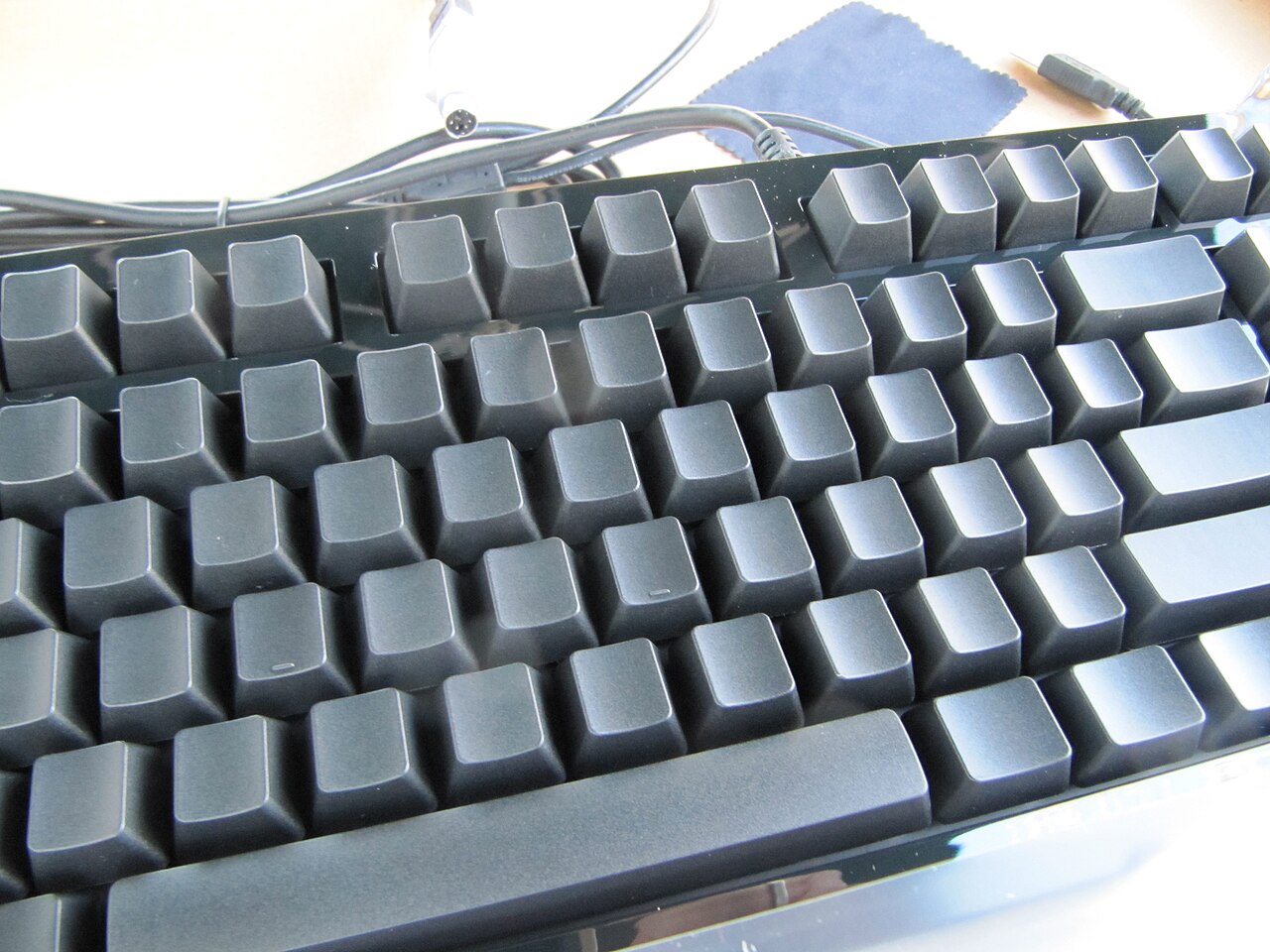
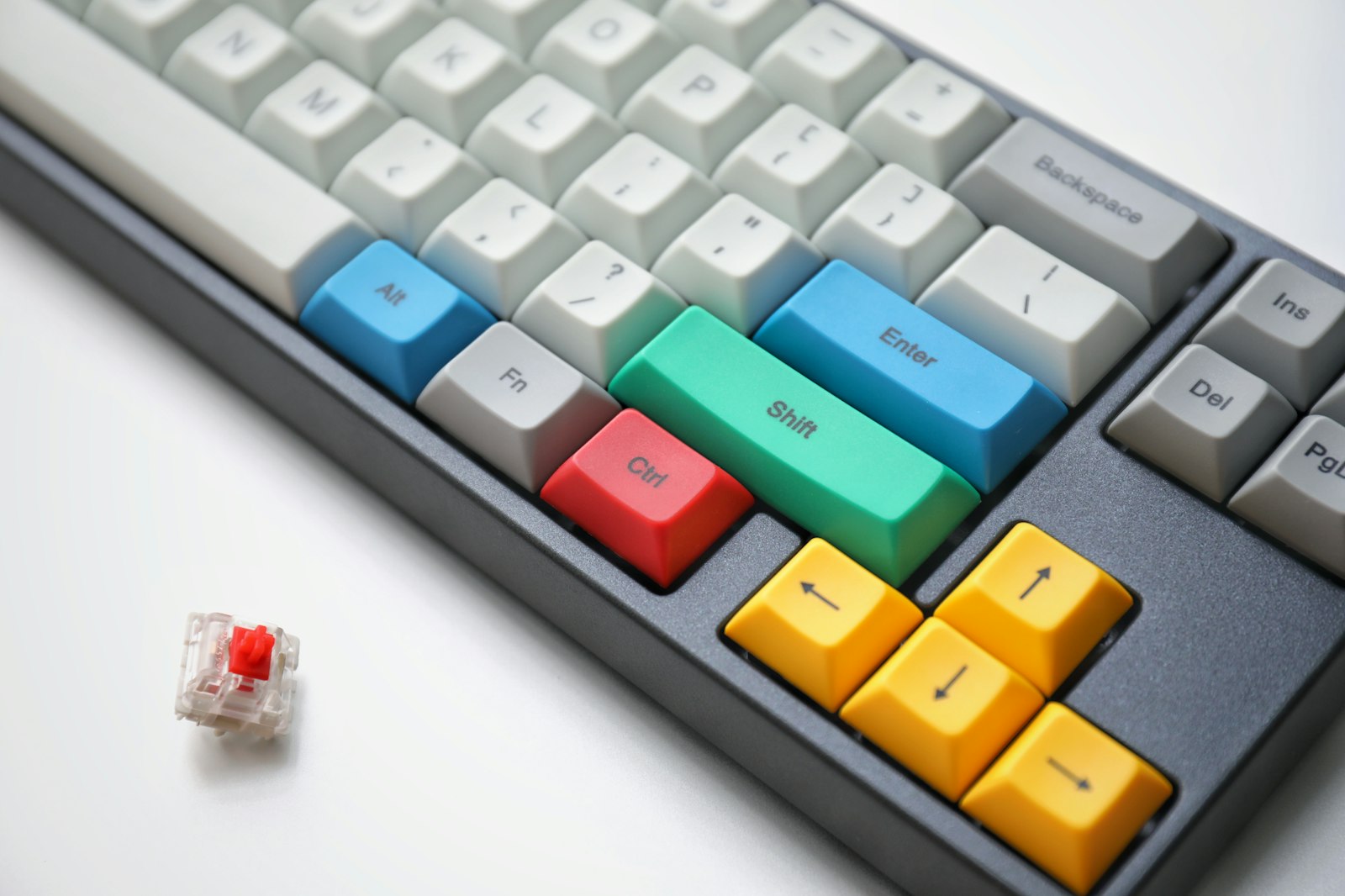
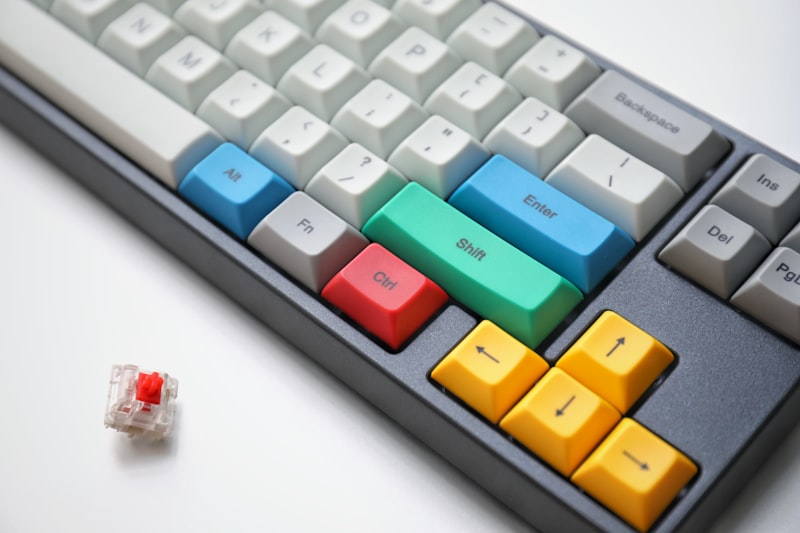
Want to talk about mechanical keyboards? Good luck finding a textbook chapter on that. An AI can pivot to discussing switch types and keycaps in Spanish, providing niche, customized vocabulary that actually matters to your life.
Where Do AI Language Tutors Fall Short?
AI tutors still have distinct limitations that remind you you're talking to a server rack.
The Lack of Cultural Nuance
Language is deeply tied to culture. A human tutor from Mexico City will teach you local slang, joke about current events, and react with genuine human emotion. The AI is polite, grammatically perfect, and entirely sterile. It lacks the spontaneous humor and cultural context that make speaking a foreign language actually fun.
Inconsistent Pronunciation Feedback
While AI can be great at catching grammar mistakes, its handling of pronunciation can be frustrating. Depending on the model, it may misunderstand your accent completely and hallucinate a different word, or accept a butchered pronunciation as correct because it is "smart" enough to guess what you meant. A human tutor is much better at identifying the exact mouth movement you are doing wrong.
The "Polite Agreement" Loop
AI models are heavily trained to be agreeable. If you state an opinion, the AI may simply agree and validate your point rather than challenge you or start a debate. Real-world conversations involve friction, disagreements, and defending your point of view—skills that are crucial for advanced fluency but hard to practice with a sycophantic AI.
Verdict: Can AI Replace Human Tutors?
No—but it can dramatically increase how much you speak. The sheer volume of speaking practice you can get from an AI would be costly to match with a human tutor.
Think of an AI language agent as the ultimate batting cage. It is the perfect place to practice your swing, build muscle memory, and make a thousand mistakes without embarrassment. It is an incredible tool for moving from the "I know the words" phase to the "I can form a sentence out loud" phase.
However, playing in the batting cage isn't the same as playing in an actual baseball game. To truly master a language, you eventually need the messy, unpredictable, culturally rich experience of speaking with another human being.
A sensible strategy is a hybrid approach: use the AI agent most days of the week for raw speaking practice and vocabulary building, and reserve a weekly human session for cultural nuance, slang, and unscripted debates. If you are learning a language right now, I think ignoring these voice AIs leaves a lot of potential progress on the table.