The Explosion of Robotaxis: Why 2026 is the Turning Point for Autonomous Vehicles
- Technology, Autonomous Vehicles
- Exienent
- · Updated
2026 is officially the turning point for autonomous vehicles. Robotaxis have moved from isolated pilot programs to commercial-scale fleets, driven largely by Vision-Language-Action (VLA) AI models that replace HD maps and rigid rules with real-time visual understanding. The result is faster city launches, cheaper hardware and falling operating costs.
Just a few short years ago, spotting a driverless car navigating city streets felt like catching a glimpse of a rare sci-fi prototype. These vehicles tentatively handled intersections, sometimes getting confused by traffic cones or unexpected pedestrians. Today, we are no longer talking about pilot programs in a handful of sun-drenched cities. The industry is experiencing explosive growth, with global fleets projected to expand exponentially.
What Does Commercial-Scale Robotaxi Service Look Like?
Commercial scale means the era of Transport as a Service (TaaS) is firmly here, according to industry analysts. Companies like Waymo, Tesla, Xpeng, and others aren't just testing anymore; they are aggressively scaling.
In practice, that scale shows up in three ways:
- Widespread City Launches: Major providers are rolling out services across dozens of major metropolitan areas simultaneously, cutting down the launch time from years to mere months.
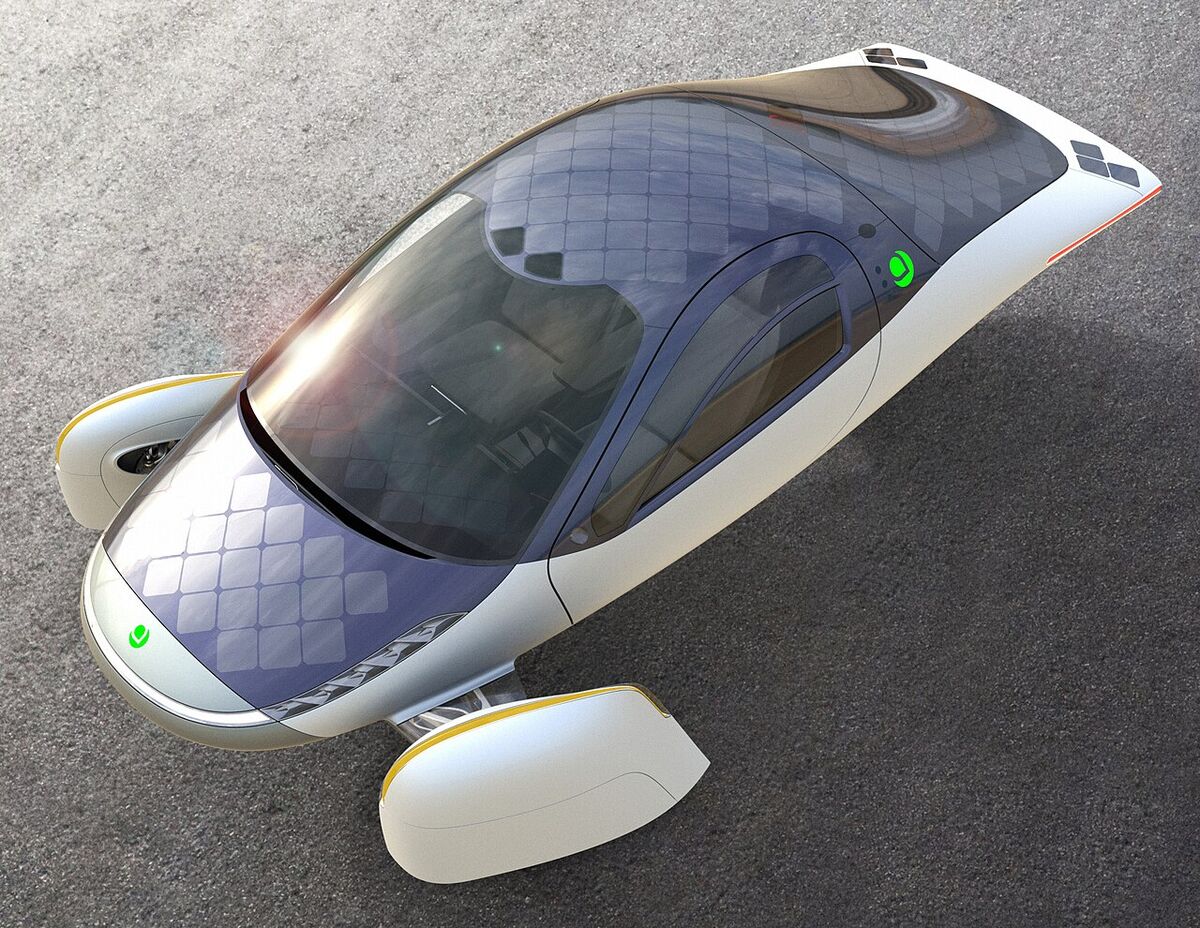
- Mass Production Factories: We are seeing dedicated robotaxi factories churning out purpose-built automated electric vehicles (AEVs) designed specifically for ride-hailing, rather than retrofitting standard consumer cars.
- Surging User Adoption: Weekly paid robotaxi orders are seeing triple-digit percentage growth year-over-year, especially during holidays and peak commute times, proving that public trust and demand are soaring.
Why Did Autonomous Driving Progress Suddenly Accelerate?
Progress accelerated because of a fundamental shift in how the AI inside these vehicles "thinks."
In the past, autonomous driving relied heavily on HD mapping (highly detailed, pre-recorded maps) and rigid, rule-based algorithms. If a car encountered a situation that wasn't explicitly coded into its rules or mapped out perfectly, it struggled.
Now, the industry has aggressively pivoted to Vision-Language-Action (VLA) technology.
How Do VLA Models Change Self-Driving?
VLA models are end-to-end AI systems that work much more like a human brain. Here is why they are revolutionary:
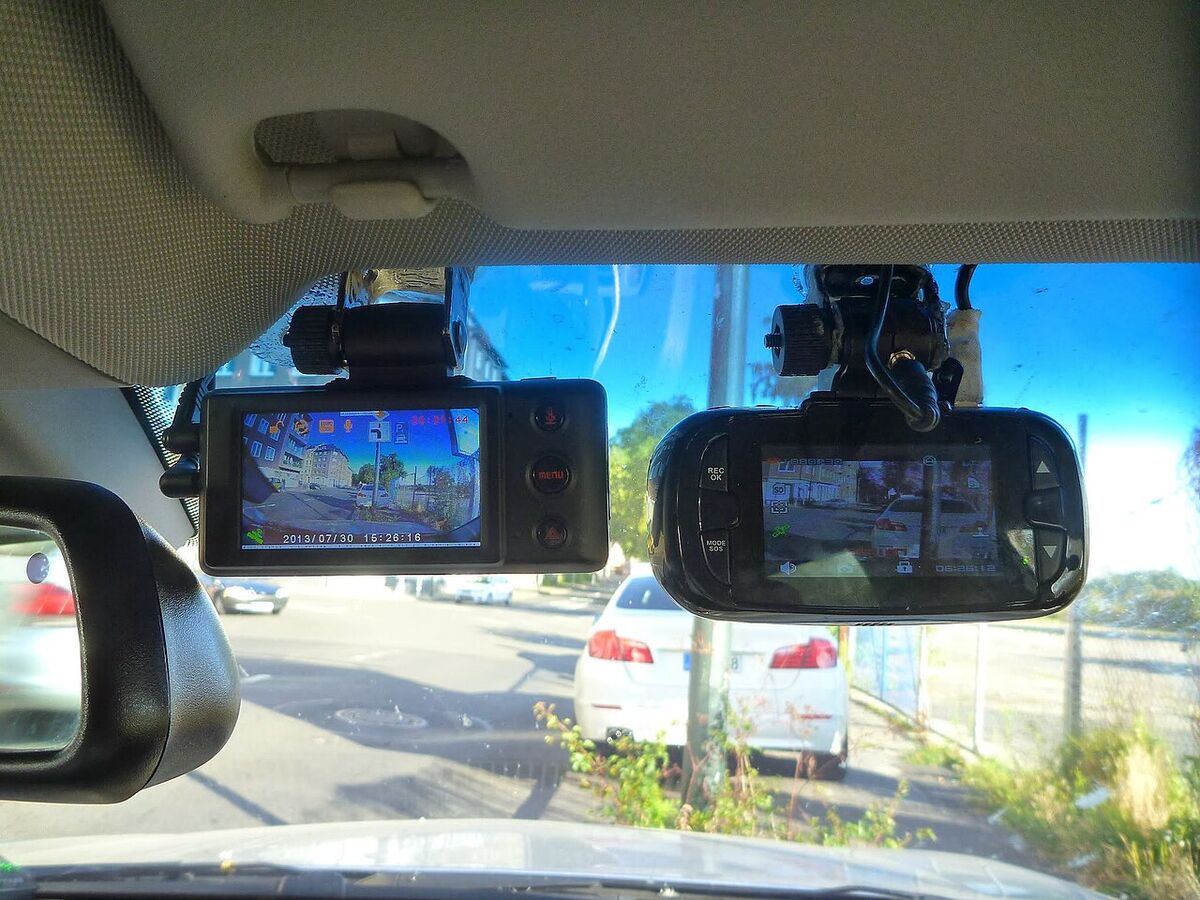
- Camera-and-Video Perception: Instead of relying entirely on expensive, bulky LiDAR systems and pre-mapped routes, VLA leans heavily on real-time visual data processing.
- Contextual Understanding: By incorporating language models, the AI doesn't just "see" an object; it understands the context. It can interpret complex scenes, read temporary road signs, and anticipate the erratic behavior of human drivers or pedestrians much more naturally.
- Rapid Adaptation: Because the system learns from visual data and generalized logic rather than hardcoded rules, launching in a completely new city now takes a fraction of the time. The car can essentially figure out the new environment on the fly, just like a human driver visiting a new town.
How Does VLA Lower Robotaxi Costs?
VLA technology is not just making the cars smarter; it is transforming the economics of deployment.
By relying on VLA technology, manufacturers can utilize lower-cost solid-state LiDAR and rely more heavily on standard high-definition cameras. Combined with improved charging efficiency algorithms and automated fleet dispatching, the daily operating costs per vehicle are plummeting.
The same tech is spilling over into the freight sector, with autonomous logistics networks projected to slash urban delivery costs by up to 50%.
What Do Robotaxis Mean for Everyday Commuters?
For commuters, robotaxis are likely to become an ordinary option soon, if they aren't already. The experience is undeniably unique: stepping into the back seat of a spacious, quiet vehicle with no steering wheel, selecting your music, and letting the AI handle the stress of rush hour traffic.
As we move deeper into 2026, the question is no longer if autonomous vehicles will become mainstream, but rather how quickly human-driven ride-hailing will become a thing of the past. The technology has matured, the economics make sense, and the global rollout is moving at an unprecedented speed. The autonomous future we've been promised is finally rolling down our streets today.