The Death of the Checkout Line: Smart Shopping Carts in 2026
- Lifestyle, Technology, Review
- Exienent
- · Updated
AI-powered smart shopping carts are not a gimmick: they recognize items as you drop them in, keep a live running total, and let you skip the register entirely by walking out through a fast-lane exit. Their weak spots are items tossed in together, chaotic shopping trips with small kids, and carts that run out of battery mid-trip.
Why Are Supermarkets Replacing Checkout Lines?
For decades, the grocery shopping experience has ended with the exact same universally despised ritual: standing in a checkout line, staring at tabloids, and slowly watching the person in front of you search for exact change.
In recent years, self-checkout kiosks promised to fix this, but mostly just shifted the labor to the customer while shouting "Unexpected item in the bagging area!" at us. In 2026, a new paradigm has rapidly taken over suburban supermarkets: the AI-powered Smart Shopping Cart. Some mega-marts have replaced their traditional metal carts entirely with fleets of these digital chariots, which raises the obvious question of whether they deliver a frictionless future or are just over-engineered tech.
What Is a Smart Shopping Cart?
A smart shopping cart is not just a regular cart with an iPad bolted to the handle. These carts are essentially rolling, self-contained AI vision systems.
Here is how they work in 2026:
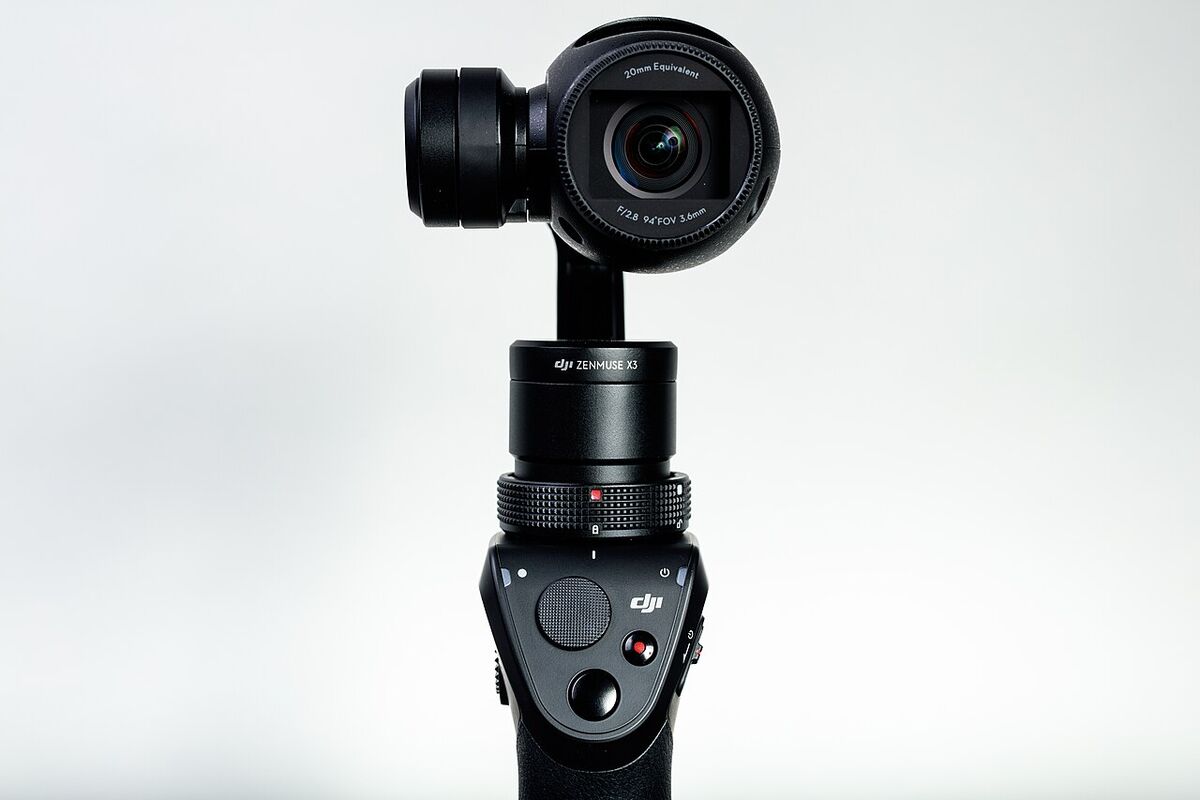
- The Hardware: The cart features a high-definition touch screen near the handle, a built-in barcode scanner (for backup), an integrated scale in the basket, and a halo of micro-cameras pointing down into the basket.
- The Experience: You walk into the store, scan a QR code on the cart's screen with your phone's digital wallet app to unlock it, and just start shopping.
- The Magic: As you toss items into the cart, the overhead cameras use computer vision—similar to the tech in autonomous cars—to instantly identify the item. It automatically adds the price to your running total displayed on the screen.
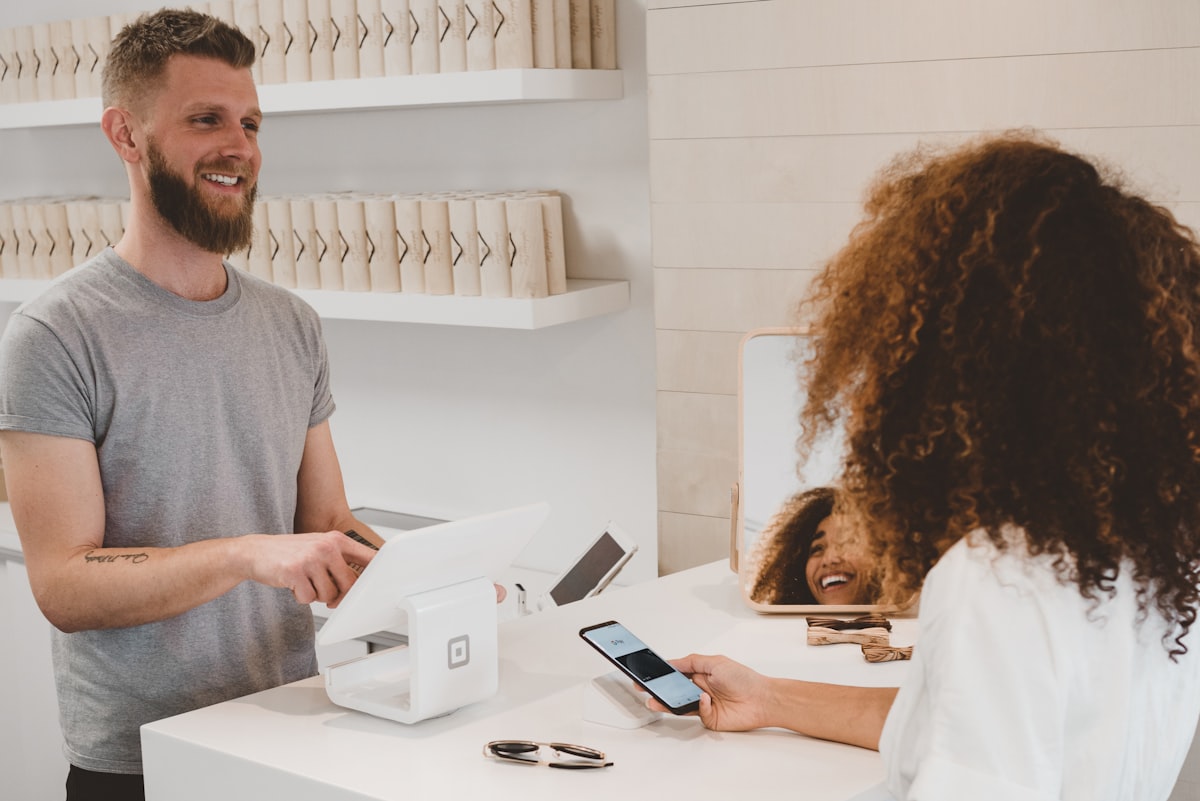
When you're done, you don't go to a register. You just walk your cart through a designated "fast lane" exit, your digital wallet is charged, and you walk straight to your car.
What Are the Benefits of a Smart Shopping Cart?
The biggest benefit is speed, and the running total can make sticking to a budget feel like a game.
1. No More Checkout Anxiety: The anxiety of picking the "fastest" checkout lane is gone. You finish shopping and simply walk out the door, which can shave real time off a weekly grocery run.
2. The Running Total is a Budgeting Superpower: A giant, brightly lit screen showing exactly how much you are spending in real time can change purchasing behavior. Instead of blindly throwing things in the cart and bracing for impact at the register, you can see the total climbing before you even reach the meat aisle and quietly put the premium organic snacks back on the shelf. It gamifies sticking to a budget.
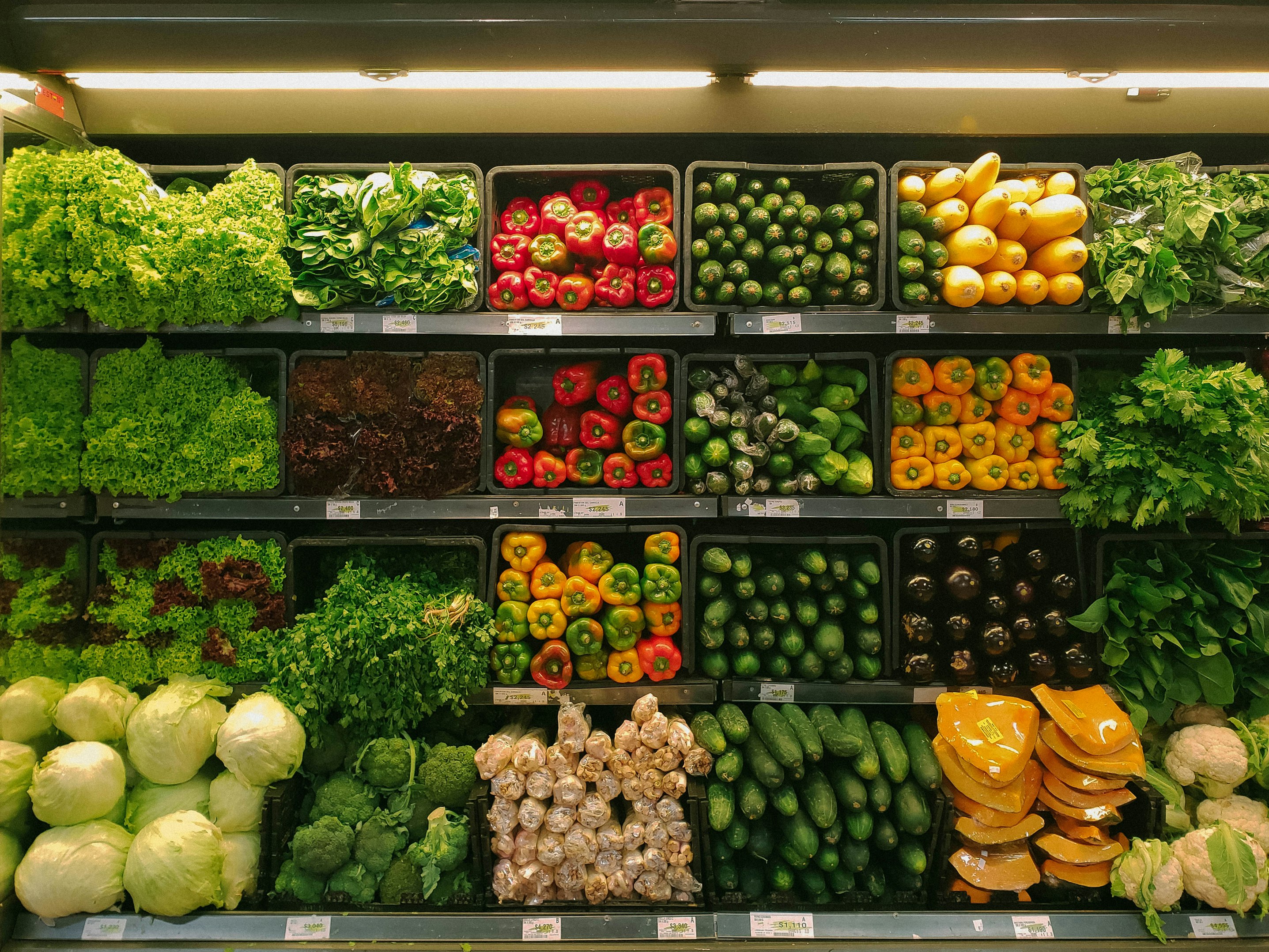
3. Seamless Produce Weighing: This may be the most impressive feature. Put apples into the cart, and the cameras can recognize the variety (Honeycrisp, for instance), the built-in scale weighs them, and the screen displays the price. No printing stickers, no searching through endless menus for the PLU code.
Where Do Smart Shopping Carts Still Fail?
The utopia of frictionless shopping isn't perfect. While the computer vision is incredibly advanced, it still has blind spots.
The Multi-Item Toss: The cart expects you to put items in one at a time. If you grab three cans of soup in one hand and drop them all in simultaneously, the AI gets confused. The screen flashes red, asking you to remove the items and place them in slowly. It forces you to adopt a robotic, deliberate rhythm to your shopping.
The "Kid Factor": If you have a toddler who likes to grab things off the shelf and throw them into the cart, or worse, grab things out of the cart and throw them on the floor, the system has a meltdown. The cart relies on a precise sequence of events (item enters bounding box, weight increases, item is recognized). The chaotic nature of young children shatters that sequence, requiring constant manual overrides on the screen.
The Battery Anxiety: A cart's screen can flash a "Low Battery - Please return to charging bay" warning partway through a trip. That can mean awkwardly transferring all your groceries into a fresh cart in the middle of the frozen food section.
Are Smart Shopping Carts Worth Using?
Despite the occasional software hiccup, I think the answer is yes.
The smart shopping cart in 2026 represents a massive leap forward in retail technology. It removes the single biggest pain point of the grocery store—the checkout line—and replaces it with a system that actually gives the consumer more control and visibility over their spending.
Yes, it forces you to shop a little more deliberately, and yes, it's not ideal for chaotic family shopping trips. But for the average person looking to get in, get their food, and get out, the smart cart isn't a gimmick. It is the long-overdue death of the checkout line.