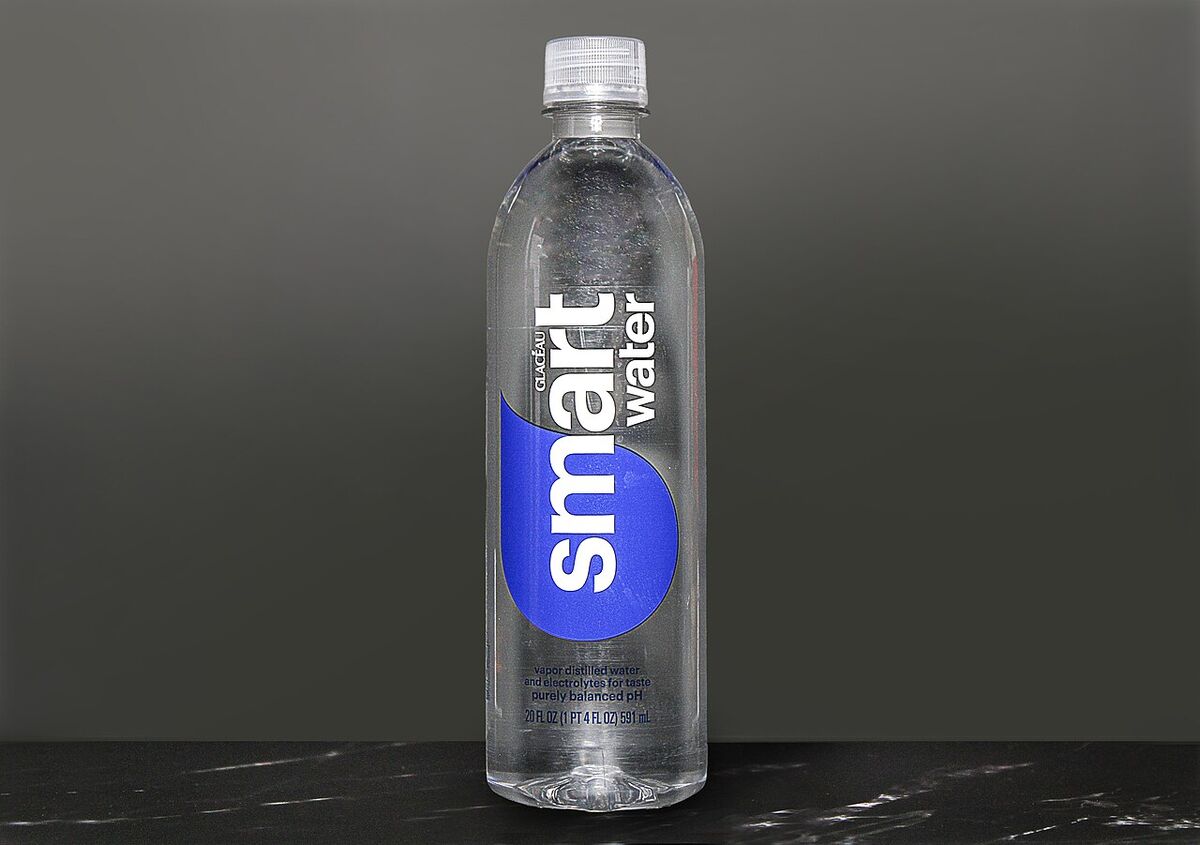
Smart Water Bottle Review: Can Tracking Every Sip Fix Your Hydration?
A smart water bottle is worth it mainly if you keep forgetting to drink water: it tracks every sip automatically, adjusts your daily goal, and nudges you with a glowing light when you fall behind. If you already drink enough, it is an unnecessary luxury, and the $60 to $80 price, charging, and careful washing are real drawbacks.
A familiar pattern goes like this: three cups of coffee before noon, then a single glass of water chugged at 4 PM when a headache sets in. Knowing you should drink more water is one thing, but between back-to-back meetings and deep work sessions, it is easy to forget. Here is how a smart bottle tries to solve that remarkably basic human problem.
How Does a Smart Water Bottle Work?
A smart water bottle works by measuring what you drink with a sensor in its base. At first glance, it looks like a regular, high-end insulated stainless steel flask. The base houses a removable sensor puck. This sensor doesn't just measure the weight of the water; it tracks exactly how many ounces you take with every sip and syncs that data via Bluetooth to your phone in real-time.
But it isn't just a passive tracker. The companion app acts as a personalized hydration coach. It calculates your ideal daily water intake based on your age, weight, and activity level. If you go for a run in the morning and the app is connected to your smartwatch, it automatically increases your water goal for the day.
When you fall behind on your target, the bottom of the bottle softly glows with a customizable LED ring, visually nudging you to take a sip.
What Happens in the First Few Days?
The first few days can feel like a lot of water. If the app's calculated goal is far above what you were drinking before, hitting that target may feel like a part-time job, with frequent bathroom trips and an uncomfortable sense of fullness.
The app's history can also be revealing. Seeing your actual past intake in numbers can show how far below your goal you had been, which is exactly the kind of gap that is hard to notice without tracking.
Can Better Hydration Help With Energy and Brain Fog?
Consistent hydration may help some people feel more alert, but a bottle is not a cure. As your body adjusts to drinking more, the extra bathroom trips can settle down.
Some people may find that an afternoon slump they used to fix with an espresso becomes milder, or that dry skin improves when they drink more steadily. These effects vary from person to person, and moisturizer alone may not fix skin that is dehydrated. If fatigue, headaches, or skin problems persist, talk to a doctor rather than relying on a water bottle.
Is the "Smart" Feature Really Necessary?
You might be thinking, Can't I just use a regular water bottle and set an alarm on my phone?
Technically, yes. The main advantage of the smart bottle is frictionless tracking.
Manual tracking apps require you to unlock your phone, open an app, and enter "8 ounces" every time you take a drink. That routine is tedious, and it is easy to abandon after a few days. The smart bottle removes that friction: you just drink, and the bottle does all the math. The glowing LED at the base can also be an effective, non-intrusive reminder that catches your eye even during intense focus periods.
What Are the Drawbacks of a Smart Water Bottle?
- The Cost: These bottles are not cheap, often ranging from $60 to $80. You are paying a steep premium for the tech.
- Charging: Like everything else in our lives, you have to remember to charge the sensor puck every couple of weeks.
- Durability Concerns: While the stainless steel bottle is tough, you have to be somewhat careful not to submerge the sensor base when washing it.
Is a Smart Water Bottle Worth It?
If you are already great at drinking water, a smart water bottle is an unnecessary luxury. But if you regularly forget to drink, rely on caffeine, and struggle with afternoon fatigue, I think this device can be a useful tool. It gamifies a healthy habit and removes the mental load of tracking, which may make a daily water goal feel much easier to hit.