Why Automated Home Ventilation is the Best Tech Upgrade of 2026
- Technology, Lifestyle
- Exienent
- · Updated
Automated home ventilation connects indoor air quality monitors to smart windows and mechanical ventilation, so your home brings in fresh outdoor air whenever it needs it instead of just re-filtering stale air. In today's airtight, energy-efficient homes, I think it is a more impactful upgrade than another standalone air purifier.
Why Is Indoor Air Getting So Stale?
Modern homes are sealed tighter than ever. We all spent years buying standalone air purifiers and sticking them in the corners of our rooms. But as home designs in 2026 have shifted toward much tighter building envelopes for energy efficiency, a new problem popped up: indoor air can get incredibly stale. That is why automated ventilation has become a major 2026 trend, and why a smart home's most useful feature might turn out to be its windows.
How Is Automated Ventilation Different from an Air Purifier?
An air purifier only filters the air already inside; automated ventilation replaces it. For a long time, the solution to bad indoor air was just filtering it. You buy a HEPA filter, plug it in, and hope for the best. But biophilic design—the concept of connecting our indoor spaces more closely with nature—has evolved. In 2026, it is not just about having a nice view of the garden; it's about actual fresh air exchange.
Automated ventilation connects directly to indoor air quality monitors. It doesn't just filter the same stale air; it actively brings in fresh air from outside based on real-time data.
What Does a Smart Ventilation Setup Look Like?
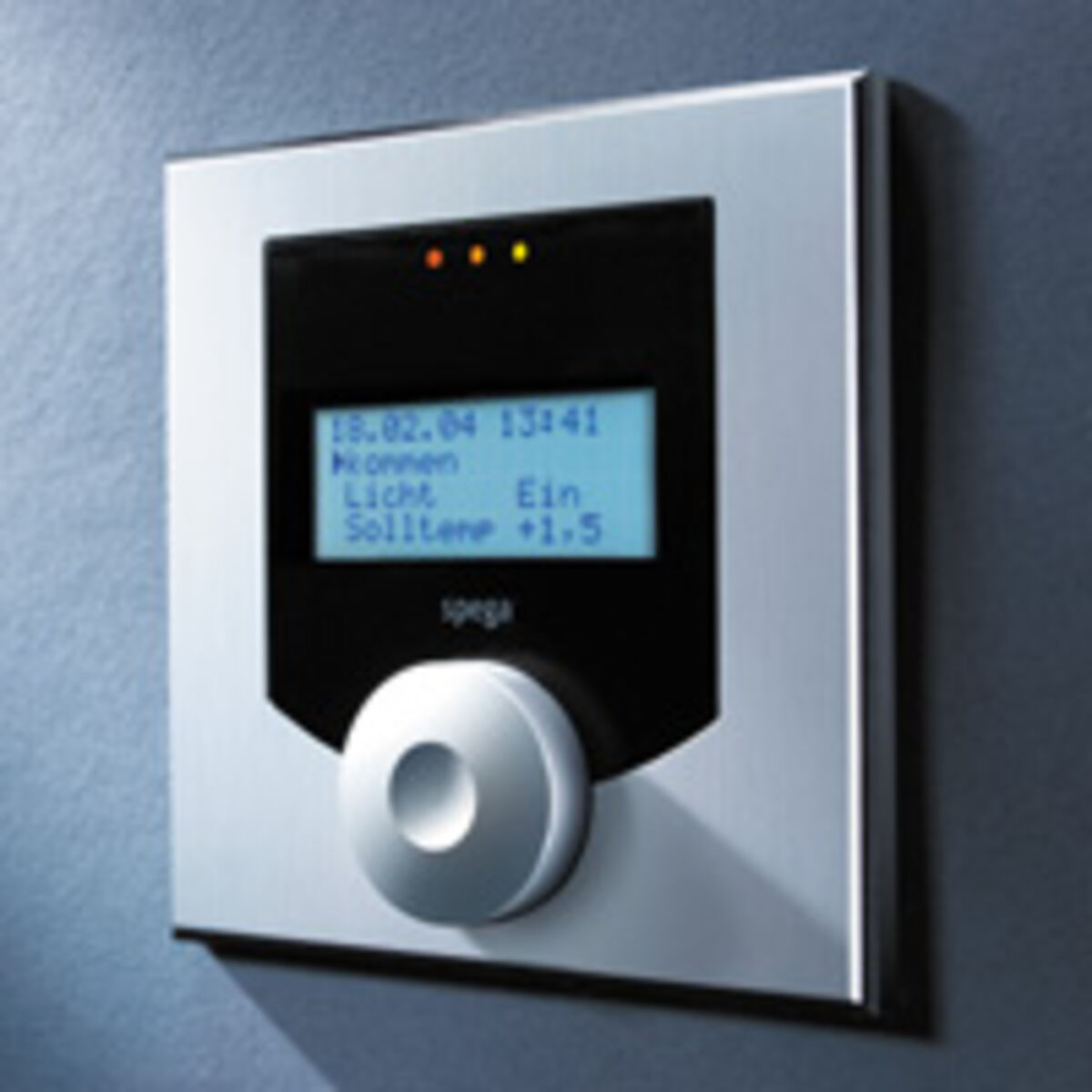
One way to build it is to pair smart window actuators with a central smart home hub.
- CO2 Monitoring: When friends are over and CO2 levels in the living room start to rise (which can make everyone feel sleepy), the system detects it.
- Automatic Drafts: Instead of someone having to get up and open a door, high-up awning windows automatically crack open just enough to create a cross-breeze.
- Weather Aware: It pulls data from local weather stations. If the outdoor air quality is terrible due to smog, or if it's raining heavily, the windows stay shut and the mechanical HVAC filtration takes over instead.
What Difference Can You Actually Feel?
The biggest benefit is how seamless it is. You don't realize how stuffy a room is until a gentle, fresh breeze suddenly clears it out.
Because bedroom air can be cycled overnight without leaving a window wide open in the cold, mornings may feel noticeably fresher. A well-tuned system balances daylight, temperature, and fresh air exchange, so the house feels like it is finally "breathing" on its own.
Is Automated Ventilation Worth It?
If you are planning any home renovations or looking into smart home upgrades this year, look past the flashy lighting setups. In my view, investing in automated ventilation and prioritizing real indoor air quality is the most impactful upgrade you can make right now. Has anyone else made the jump to smart ventilation? Let me know your thoughts!