The Hidden Reason for the Bumps on Your Keyboard's F and J Keys
- Technology, Lifestyle
- Exienent
- · Updated
The tiny raised bumps on the F and J keys are tactile markers for touch typing. They let your index fingers find the home row by feel, so you can position your hands correctly without looking down at the keyboard.
Almost every standard computer keyboard has them, but it is one of those everyday things that most of us completely ignore. Run your index fingers over F and J right now and you will feel them. They may look like a manufacturing quirk, but they serve a very specific, and surprisingly brilliant, purpose.
What is touch typing?
Touch typing is the ability to type on a keyboard without looking down at your hands, and it is the reason the bumps exist.
If you are a fast typist, you probably do this naturally. Your brain knows exactly where the keys are based entirely on muscle memory.
But how do your hands know where they are starting from without looking? That is exactly where the bumps come in.
Why are there bumps on the F and J keys?
The bumps on F and J act as a tactile guide that tells your index fingers where home base is.
In the standard QWERTY keyboard layout, the middle row of keys (A, S, D, F, G, H, J, K, L) is known as the home row.
When you place your hands on the keyboard in the correct touch-typing position:
- Your left index finger rests on the F key.
- Your right index finger rests on the J key.
By feeling for those tiny bumps, you can instantly anchor your hands in the right starting position without ever taking your eyes off your screen. They are essentially little navigation beacons for your fingers.
Once your index fingers find F and J, your brain automatically maps out where every other letter is located relative to those two points.
Who invented the keyboard bumps?
The bumps were invented and patented by a woman named June E. Botich in 2002, which makes them a relatively modern invention.
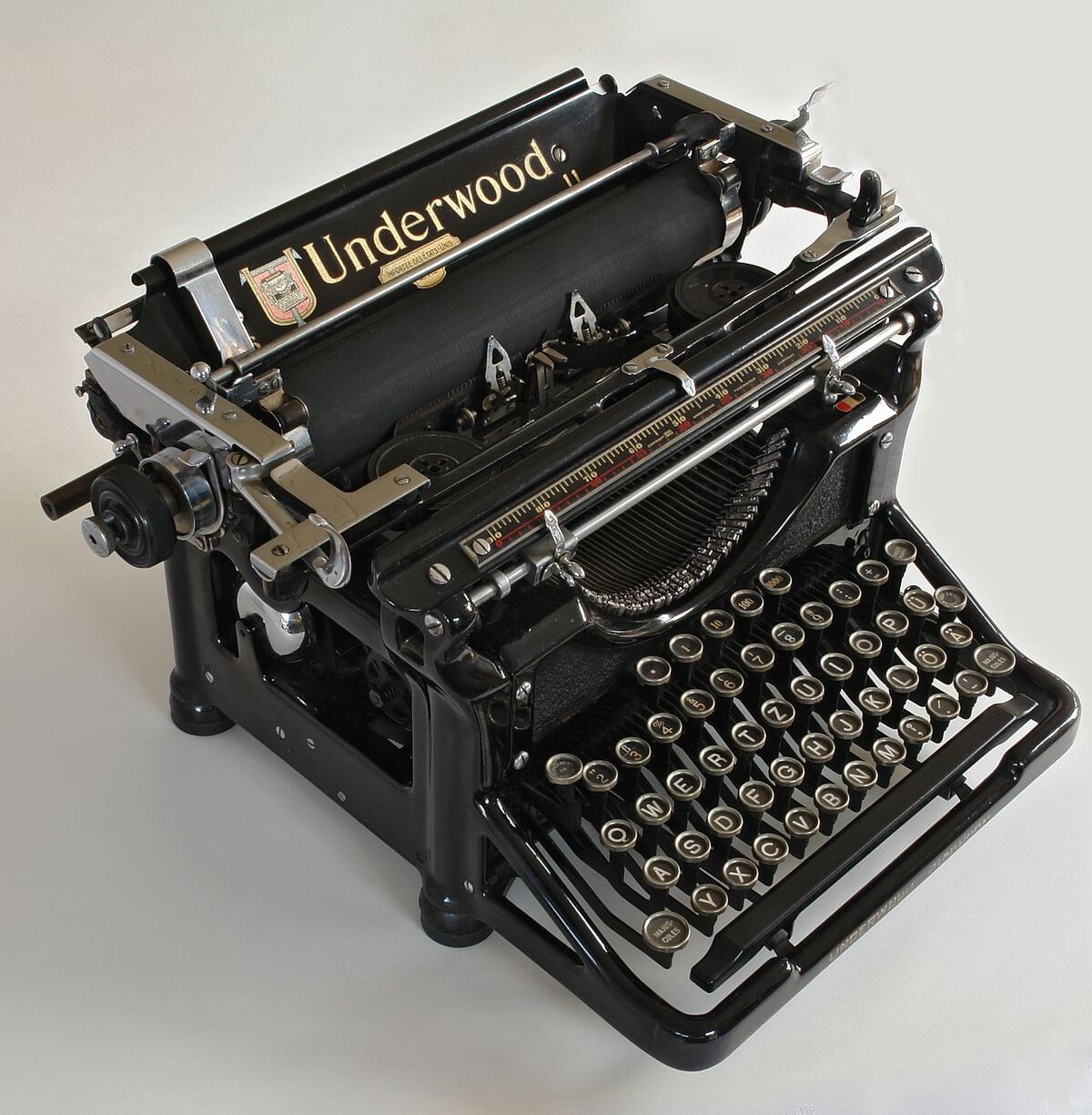
Because keyboards are so old, you might think this feature dates back to the days of heavy, clacking typewriters. Before Botich's invention, however, typists often had to glance down to ensure their hands were properly aligned, which slowed them down and interrupted their workflow. Her simple addition of tactile markers on the F and J keys revolutionized modern keyboard design, making touch typing faster, more accurate, and far more accessible to everyone.
Why do the bumps matter every day?
The bumps quietly keep your fingers in the right place every time you type without looking. So, the next time you fire off a quick email without glancing at your hands, you can thank those two tiny little bumps for keeping your fingers right where they need to be!