Living with an AI Robot Dog: An Honest Look at the Reality
- Technology
- Exienent
- · Updated
An AI robot dog does not replace the soul of a real animal, but it is far more than an expensive remote-controlled toy. Consumer models such as those in the Unitree lineup combine Large Language Models (LLMs), computer vision and LiDAR to act as a conversational companion, a roaming smart home hub and a mobile security camera—while still struggling with noise and short battery life.
A few years ago, robot dogs were strictly the domain of viral internet videos—usually doing backflips or opening doors in a slightly terrifying manner. They were industrial tools, not household companions. The landscape of consumer robotics has since shifted dramatically, and the central question is now whether AI makes these machines feel like genuine companions.
How Do You Set Up an AI Robot Dog?
Setting up a modern AI robot dog feels more like configuring a high-end smartphone crossed with a smart home hub than unboxing a toy that runs on double-A batteries.
- Mapping the House: The first step is mapping. Using its depth sensors and LiDAR, the robot walks the perimeter of rooms like the living room and kitchen, creating a 3D floor plan in its companion app. It learns where the couch is, avoids the stairs, and recognizes its charging dock.
- Voice Recognition: A short training session teaches it to recognize its owner's voice. Because it has an onboard AI model, it doesn't just respond to static commands like "sit" or "stay." You can speak to it conversationally.
What Makes an AI Robot Dog Impressive?
The hardware is only half the story; the real magic is in the software.
1. The Surprising Illusion of "Personality"
Generative AI is what elevates a robot dog from a toy to a companion. If you say, "Hey buddy, I'm feeling a bit stressed today," it doesn't just play a pre-recorded bark. The AI processes the sentiment of the words and reacts physically—perhaps lowering its head, walking over slowly, and nudging your leg with its snout. It can mimic empathy so convincingly that, in the moment, it is easy to forget you are interacting with a machine.
2. An Active Smart Home Assistant
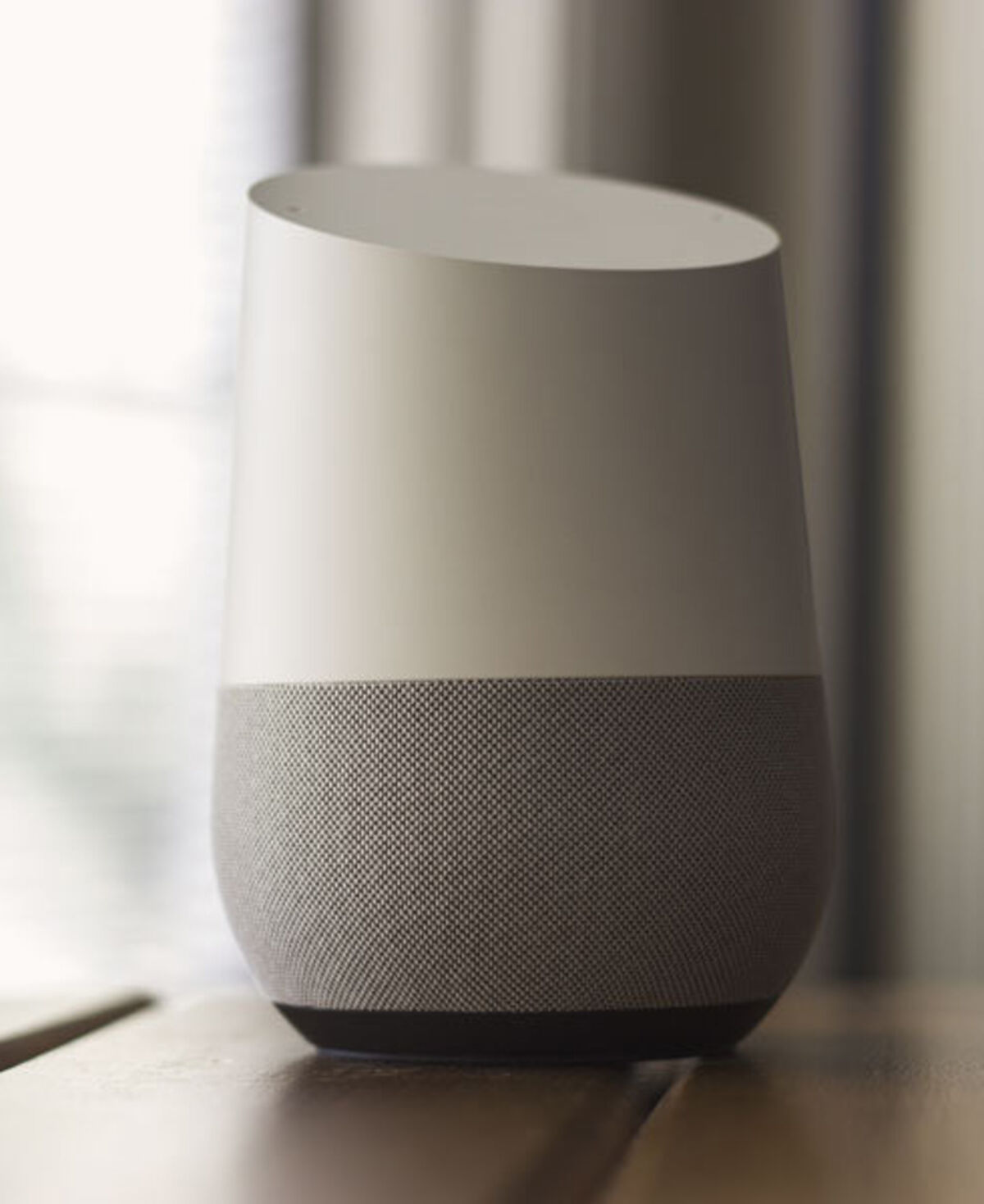
Think of it as an Amazon Echo or Google Home that actually follows you around. Because it's connected to Wi-Fi, you can ask it to turn off the kitchen lights while it's sitting next to you on the couch. Even better, it acts as a roaming security camera. When you are out of the house, you can open the app, take control of the robot, and walk it around to check that the stove is off.
3. Strong Navigation
A common worry is that a robot dog will constantly bump into furniture or get tangled in power cords. The object avoidance is impressive: it can step over sneakers in a hallway and dynamically reroute itself when someone suddenly walks in front of it.
What Are the Downsides of an AI Robot Dog?
Despite the futuristic appeal, it's clear that household robotics is still in its early days.
1. The Noise Factor
The motors are much quieter than industrial models, but by no means silent. The constant whirring and clicking of its joints as it adjusts its balance can be distracting, especially in a quiet room when you are trying to read or work. It lacks the soft, silent padding of a real dog's paws.
2. Battery Anxiety
Owning one is like owning a smartphone with four legs. When it's actively walking around and interacting, the battery lasts only a few hours before it has to autonomously walk back to its charging station. Expect to spend a lot of time watching it sleep (charge) in the corner.
Can an AI Robot Dog Replace a Real Pet?
No, it doesn't replace the soul of a real animal. But it creates an entirely new category of companionship.
If you are expecting the warm, spontaneous affection of a Golden Retriever, you will be disappointed. A robot dog doesn't have a heartbeat, it doesn't actually need you, and the interactions, while incredibly advanced, are still fundamentally programmed responses.
However, calling it just a "toy" feels dismissive. It is a highly capable smart home interface, a fascinating piece of interactive art, and strangely comforting to have roaming the house. In my view, it won't replace man's best friend anytime soon, but AI robot dogs show that the era of interactive household robotics has officially, and impressively, arrived.