Autonomous Robot Food Delivery: What to Expect in 2026
- Technology
- Exienent
- · Updated
Autonomous sidewalk robots are now a practical option for short food deliveries, not just a tech demo. In 2026 they work best for quick lunch orders from restaurants a few blocks away: no tip, temperature-controlled food, and precise tracking. The trade-offs are that you have to meet the robot at street level and that its walking-pace speed limits its range.
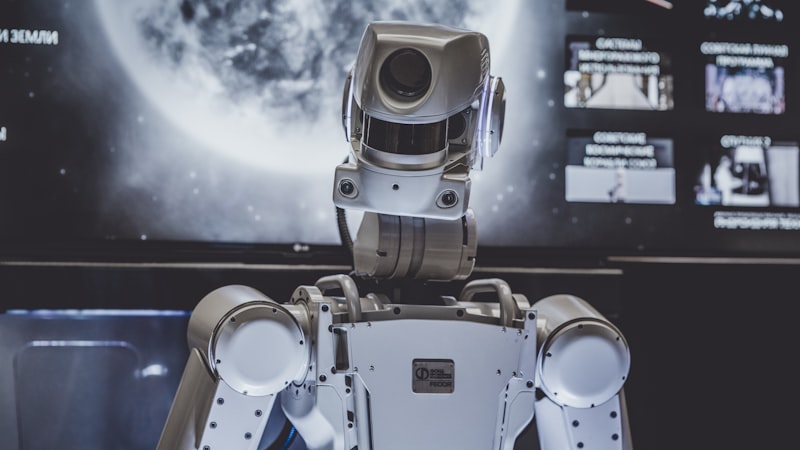
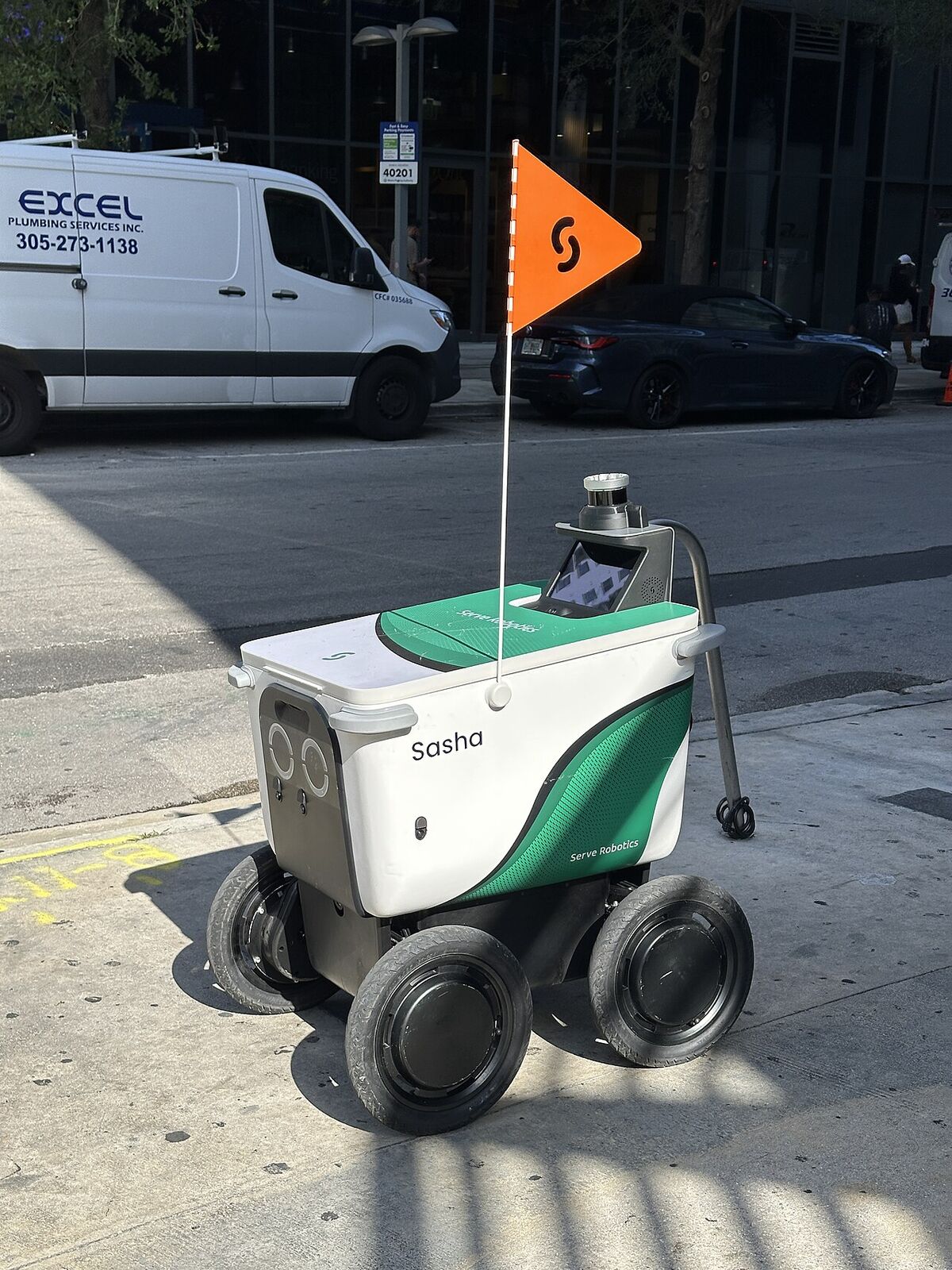
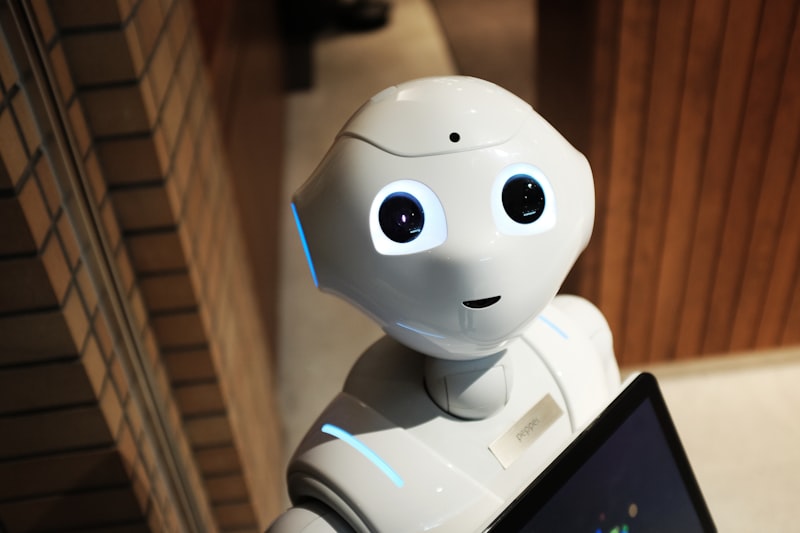
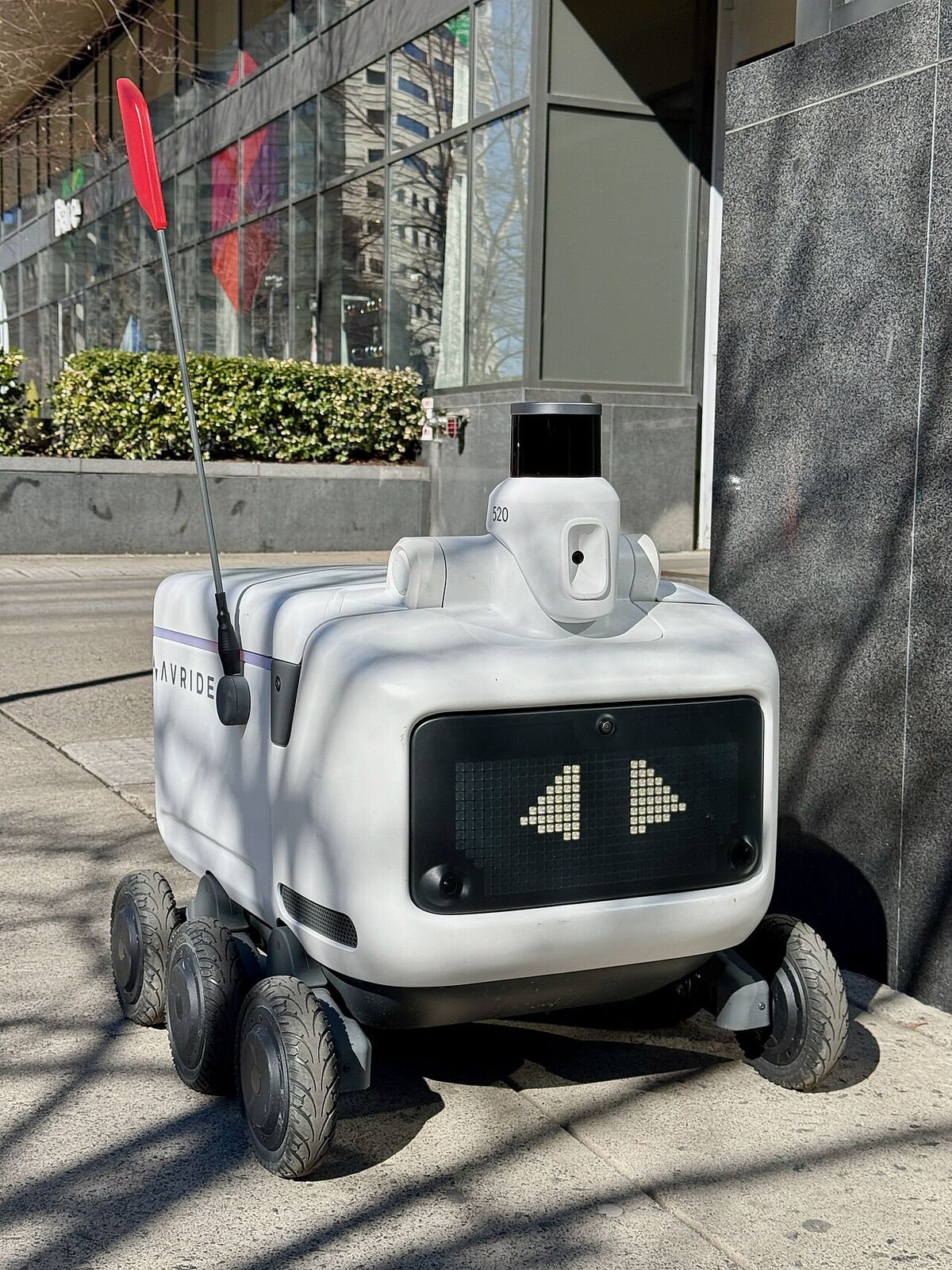
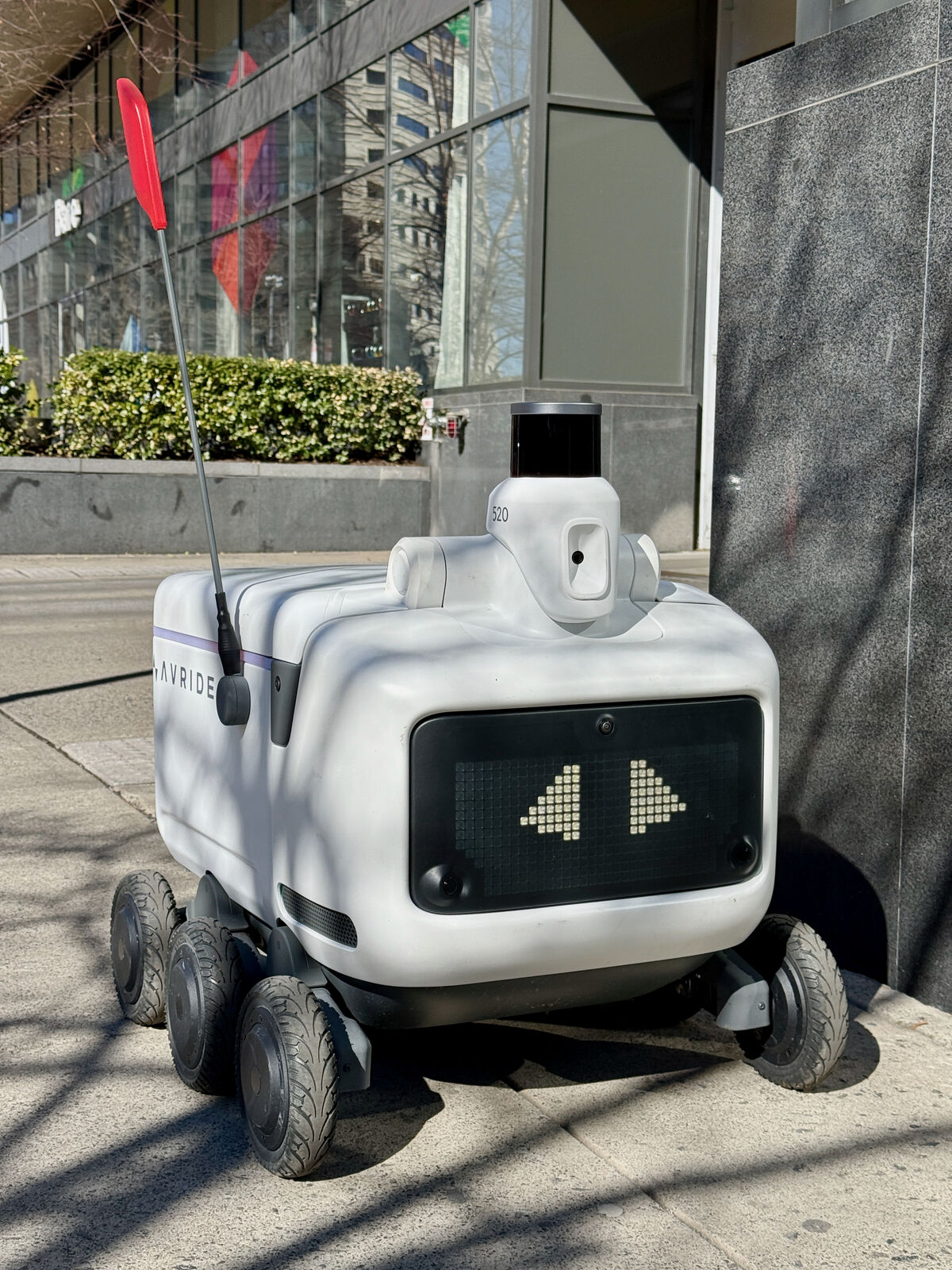
Videos of these cooler-sized robots roaming college campuses and city sidewalks have circulated for years, and they long seemed like a novelty. Now some local delivery apps offer a "Robot Delivery" option for a handful of nearby restaurants, where a small, six-wheeled autonomous robot, such as one from Avride, rolls up to your building instead of a human driver. Here is what the process looks like and whether it beats traditional delivery.
How does robot food delivery work?
Robot delivery works much like the app delivery you are already used to, with a different final step.
- Ordering: You order as usual through the app. At checkout, a robot delivery toggle may appear, and in some cases it can come with a free delivery fee.
- Tracking: Instead of tracking a car on a map, the app shows the robot's location on the sidewalk, with an ETA that can be accurate to the minute.
- The Notification: When the robot arrives, you get a push notification along the lines of "Your robot is outside. Tap here to unlock."
- The Pickup: You walk down to the street where the robot waits on the corner. Tapping the button on your phone pops the top lid open, you grab your food and close the lid, and the robot turns around and rolls away.
What are the advantages of robot delivery?
Robot delivery has a few clear advantages that make it genuinely exciting for the future of "last-mile" delivery.
1. No awkward handoffs or tipping stress
Trying to track down a driver who is lost in your apartment complex, or figuring out exactly how much to tip on a $15 order, can be mildly stressful. With a robot, there is no social friction. You don't have to put on real pants to meet a driver, and there is no expectation of a tip. The price you see is the price you pay.
2. Food arrives in better condition
When food is delivered in a car, it often sits on a passenger seat, slides around, or gets cold while the driver makes other stops. Delivery robots have a specialized, temperature-controlled cargo bay, so food can arrive intact, upright, and hot. Their suspension systems are designed to handle bumpy sidewalks without turning lunch into soup.
3. Predictable, real-time tracking
Human drivers get stuck in traffic, miss turns, or have trouble finding parking. The robot uses LiDAR and advanced GPS to calculate an exact sidewalk route, which makes its ETA far more predictable.
What are the limitations of sidewalk delivery robots?
Sidewalk robots are not flawless yet, and two limitations stand out.
1. You have to go to the robot
A human driver will come up to your front door, or even ride the elevator to your floor. The robot is strictly bound to the sidewalk or street level. If you live in a high-rise or it's pouring rain, having to put on shoes and go down to the corner defeats some of the convenience of delivery.
2. Speed and range
These robots max out at a brisk walking pace (around 4-5 mph) to stay safe on sidewalks. If the restaurant is more than a mile or two away, delivery will take significantly longer than by car. For now they are only practical for very local, hyper-neighborhood deliveries.
Is robot delivery the future of food delivery?
Yes, but not for everything.
I don't think autonomous robots will replace human delivery drivers anytime soon. Human drivers are still essential for large catering orders, long distances, and navigating complex apartment buildings.
For a quick lunch from a place a few blocks away, though, the robot is arguably superior. It's cheaper (no tip required), the food stays temperature-controlled, and the interaction is frictionless. If you live in a dense, walkable neighborhood and see a "Robot Delivery" option in your app, it's worth a try. It's a fascinating glimpse into the near future of urban logistics.