Solid-State Batteries in 2026: The Tech is Finally Here
- Technology
- Exienent
- · Updated
Solid-state batteries are no longer stuck in the lab: in 2026 they are entering commercial production. The new cells reach 400 to 500 Wh/kg, can charge from 10% to 80% in under 10 minutes in testing, and largely remove the fire risk of liquid lithium-ion packs, which makes this year a real turning point for EVs.
For years the "breakthrough" headlines were easy to tune out, because the technology always seemed to be a prototype. That has changed. Below is a breakdown of what the technology is, what is improving, which manufacturers (including Toyota, BYD, and CATL in the wider race) are moving, and what it means for consumers.
What Exactly is a Solid-State Battery?
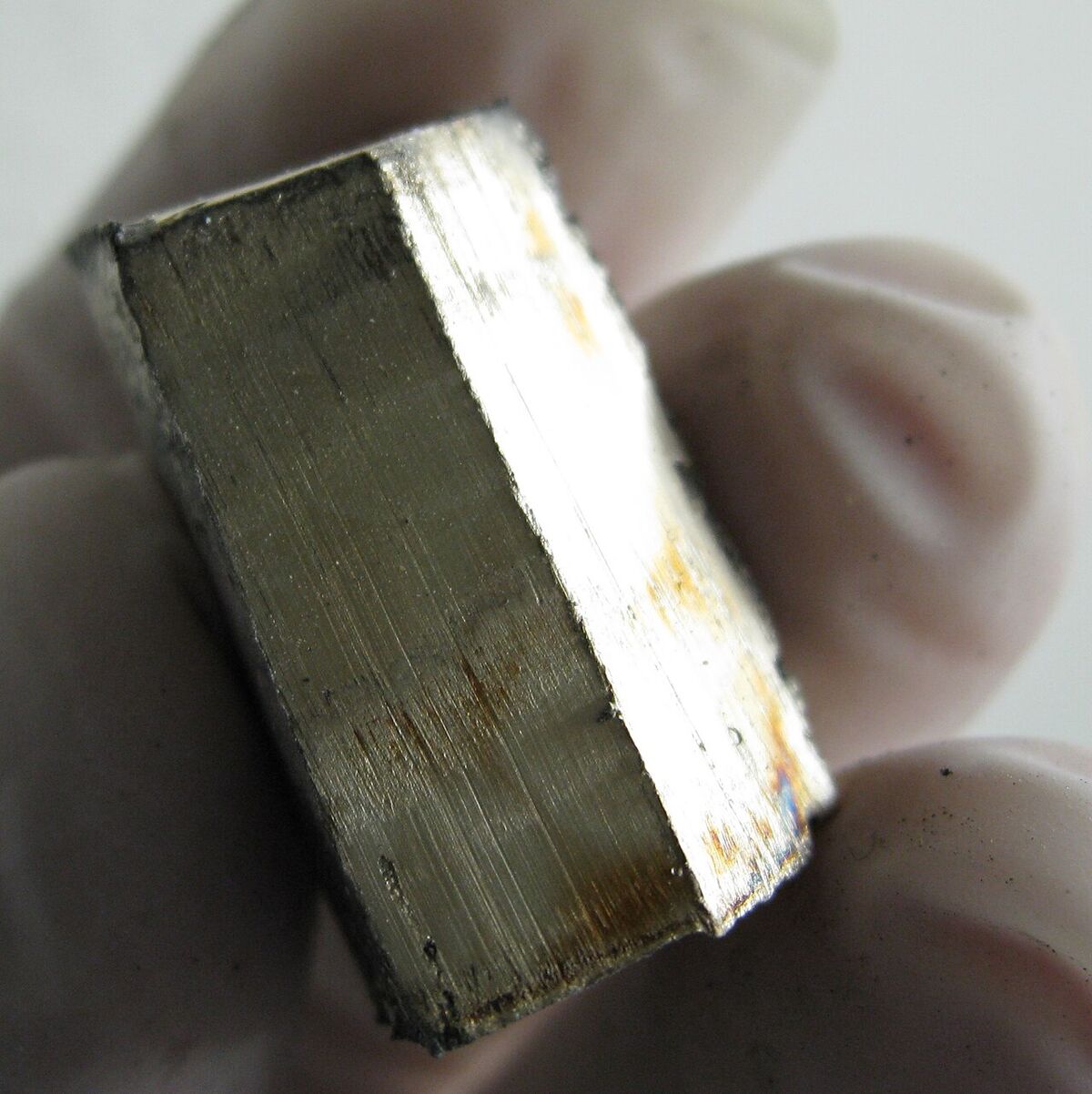
A solid-state battery replaces the liquid electrolyte found in traditional lithium-ion batteries with a solid material—like ceramics, polymers, or sulfides.
Why does that matter? The liquid electrolyte in the lithium-ion batteries powering our phones and current EVs is highly flammable. Switching to a solid electrolyte eliminates that fire risk and unlocks the ability to pack far more energy into the same amount of space.
What Are the Three Big Changes Happening Now?
How Much More Energy Can Solid-State Cells Hold?
Considerably more: new commercial cells reach 400 to 500 Wh/kg, while current top-tier lithium-ion batteries deliver around 250 to 300 Wh/kg (watt-hours per kilogram). That gap matters because range anxiety has always been the biggest bottleneck for EVs.
With solid-state cells rolling off production lines at 400 to 500 Wh/kg, in real-world terms an EV could travel over 1,000 kilometers (about 620 miles) on a single charge without making the car any heavier—enough to change how people think about long road trips in an EV.
How Fast Do Solid-State Batteries Charge?
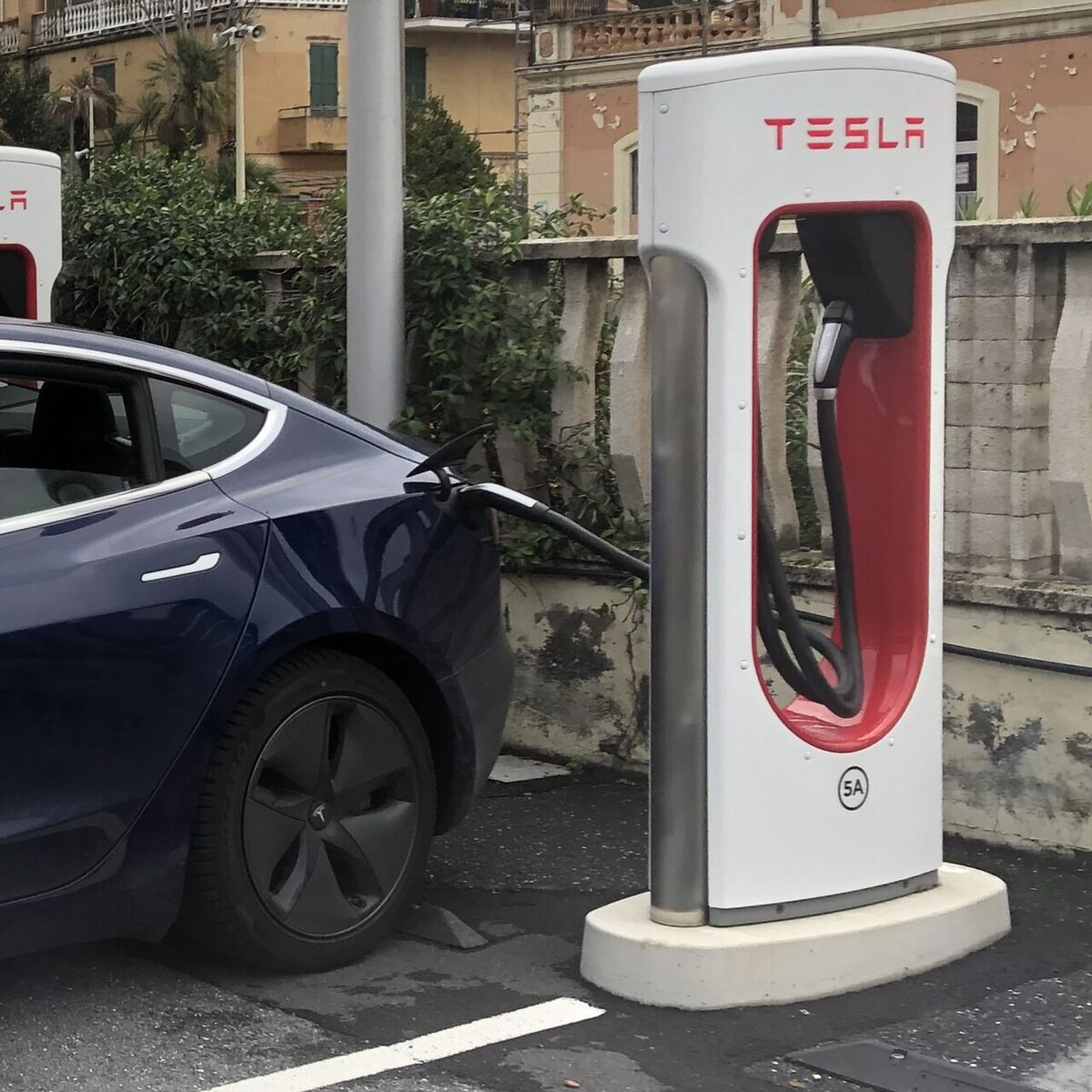
Testing data shows vehicles charging from 10% to 80% in under 10 minutes. Because the internal resistance is lower and the cells don't overheat like liquid batteries, energy can be pumped into them much faster. Compared with the familiar 40-minute wait at a charging station, that is roughly the time it takes to fill a gas tank and grab a coffee.
Are Solid-State Batteries Safer in Extreme Conditions?
Yes. Standard EV batteries lose a large chunk of their range in freezing winters, but solid-state batteries have no liquid component that freezes or becomes sluggish. They perform remarkably well in extreme cold, even down to -40°C.
The thermal runaway issue—where a damaged battery catches fire and is nearly impossible to put out—is also practically eliminated. Thermal events in solid-state systems don't begin until around 250°C, compared to just 90°C for traditional lithium-ion.
Who is Leading the Solid-State Battery Race?
The landscape has become intensely competitive. These are the main players bringing the technology to market:
- ProLogium: The company recently announced it is going public, aiming for a $3.8 billion valuation. More importantly, it operates the world's first publicly demonstrable mass-production line for solid-state batteries in France.
- Chinese Manufacturers: Companies like GBT are launching GWh-level mass production this year. China is also set to release its first solid-state battery standard in July 2026, a strong signal that the industry is standardizing for scale.
- Legacy Automakers: Toyota has been the loud giant in this space for years, and it is now putting these batteries into early-stage commercial vehicles.
When Will Solid-State Batteries Reach Everyday Buyers?
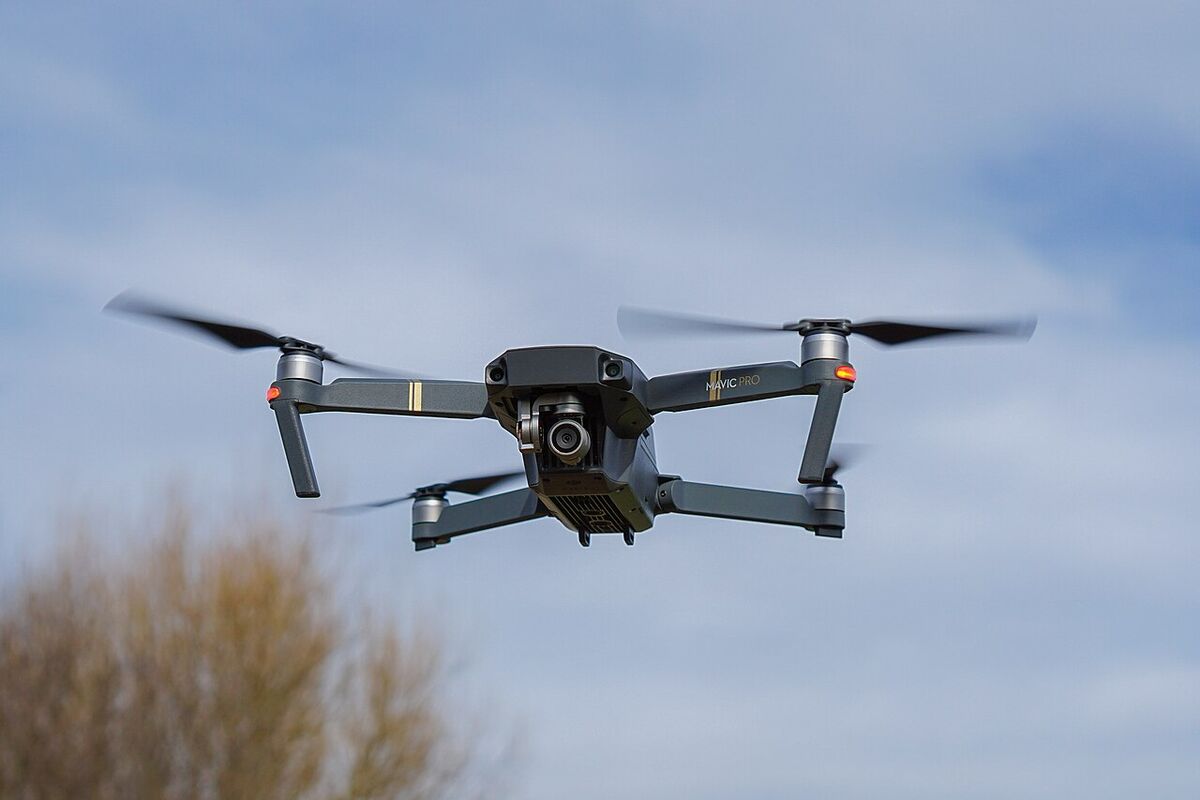
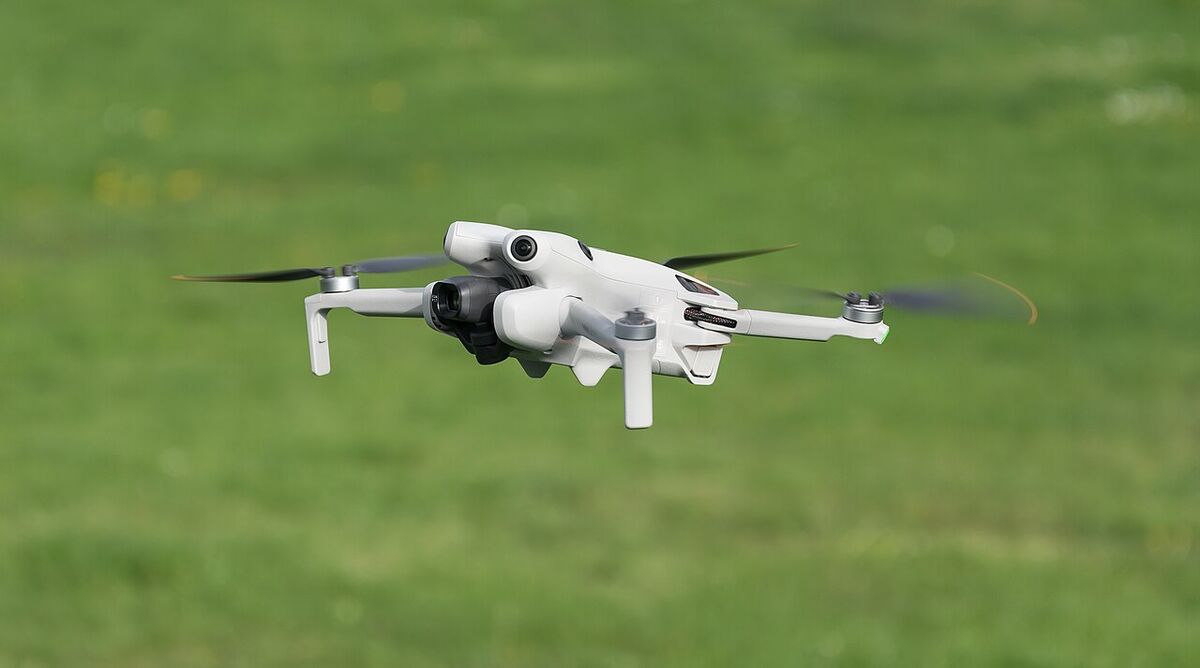
Passenger vehicles with all-solid-state batteries will be premium products at first, but the technology is already being deployed in smaller commercial applications like drones, electric motorcycles, and industrial equipment.
If you are thinking about buying a high-end EV in the next year or two, pay close attention to the battery specs. Solid-state batteries are crossing the threshold from science fiction to showroom reality, and they are set to reshape how we think about energy storage.