Framework Modular Laptop Review: Is Ditching Apple Worth It in 2024?
- Hardware, Review, Technology
- Exienent
- · Updated
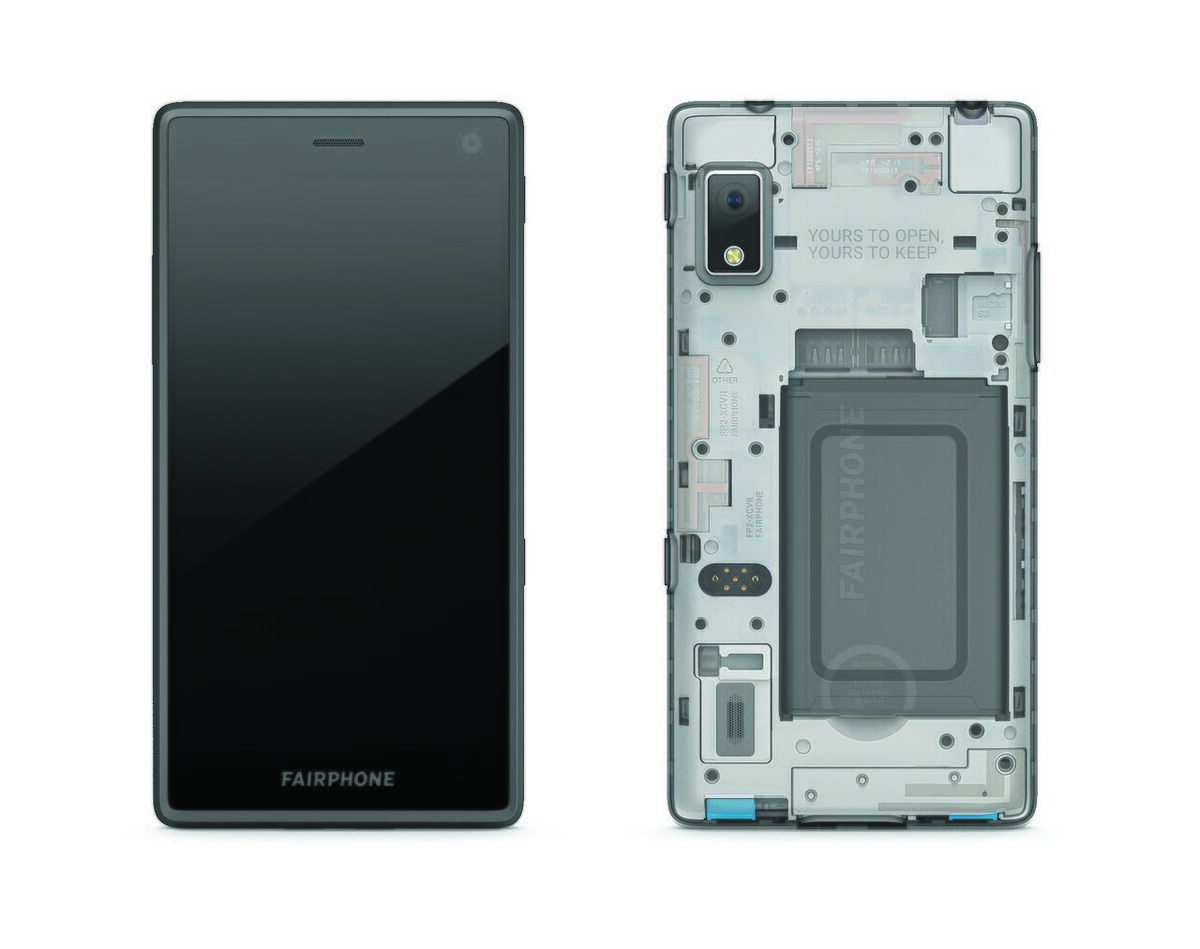
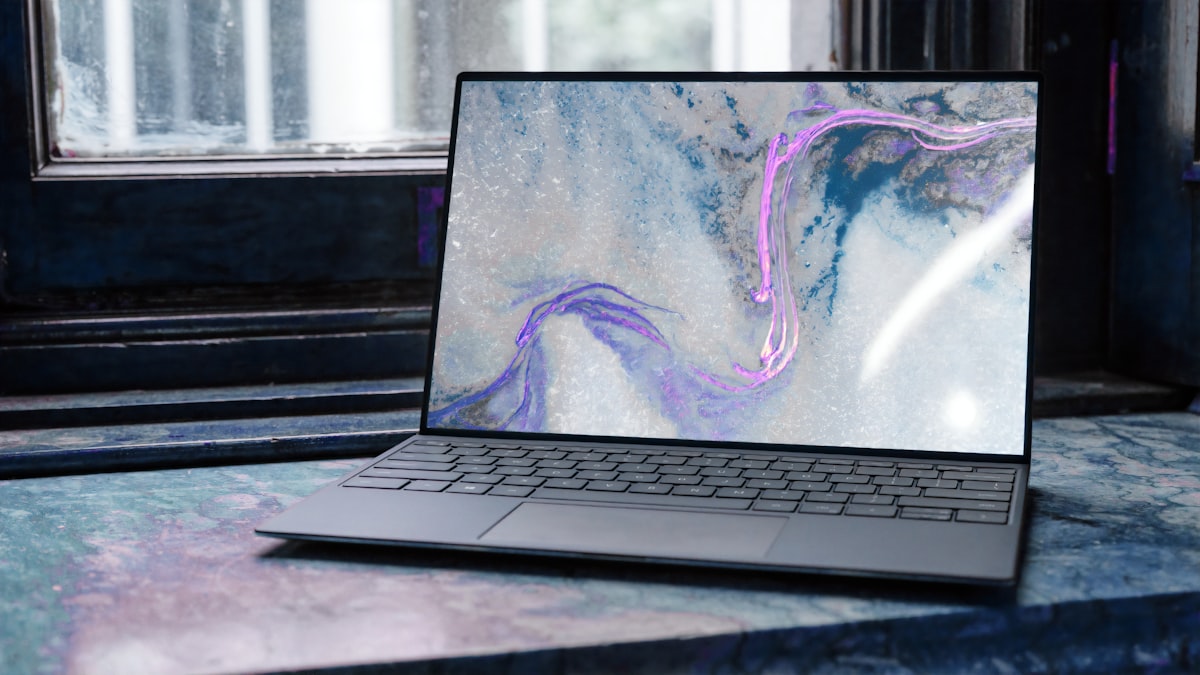
The Framework Laptop is a genuinely good laptop that also happens to be repairable. Built around modularity, upgradability, and the Right to Repair, it offers a premium aluminum chassis, swappable ports, and parts you can replace yourself with a single screwdriver. Its main compromises are average battery life and thin-sounding speakers.
The case for it starts with a familiar problem. On some thin, expensive, sealed flagship laptops, the keyboard, battery, RAM, and storage are glued or soldered to a single motherboard. A minor coffee spill that should mean a new keyboard can instead mean replacing the entire logic board, effectively totaling the machine. If you are tired of disposable, unrepairable technology, Framework is built as the opposite. Here is what living with a fully modular laptop looks like in 2024.
What is it like to build a Framework Laptop?
Building the DIY edition feels like Legos for adults. It doesn't arrive as a finished laptop but in several smaller, beautifully packaged boxes: the main chassis, plus separate boxes for your RAM, storage drive, Wi-Fi card, and expansion cards.
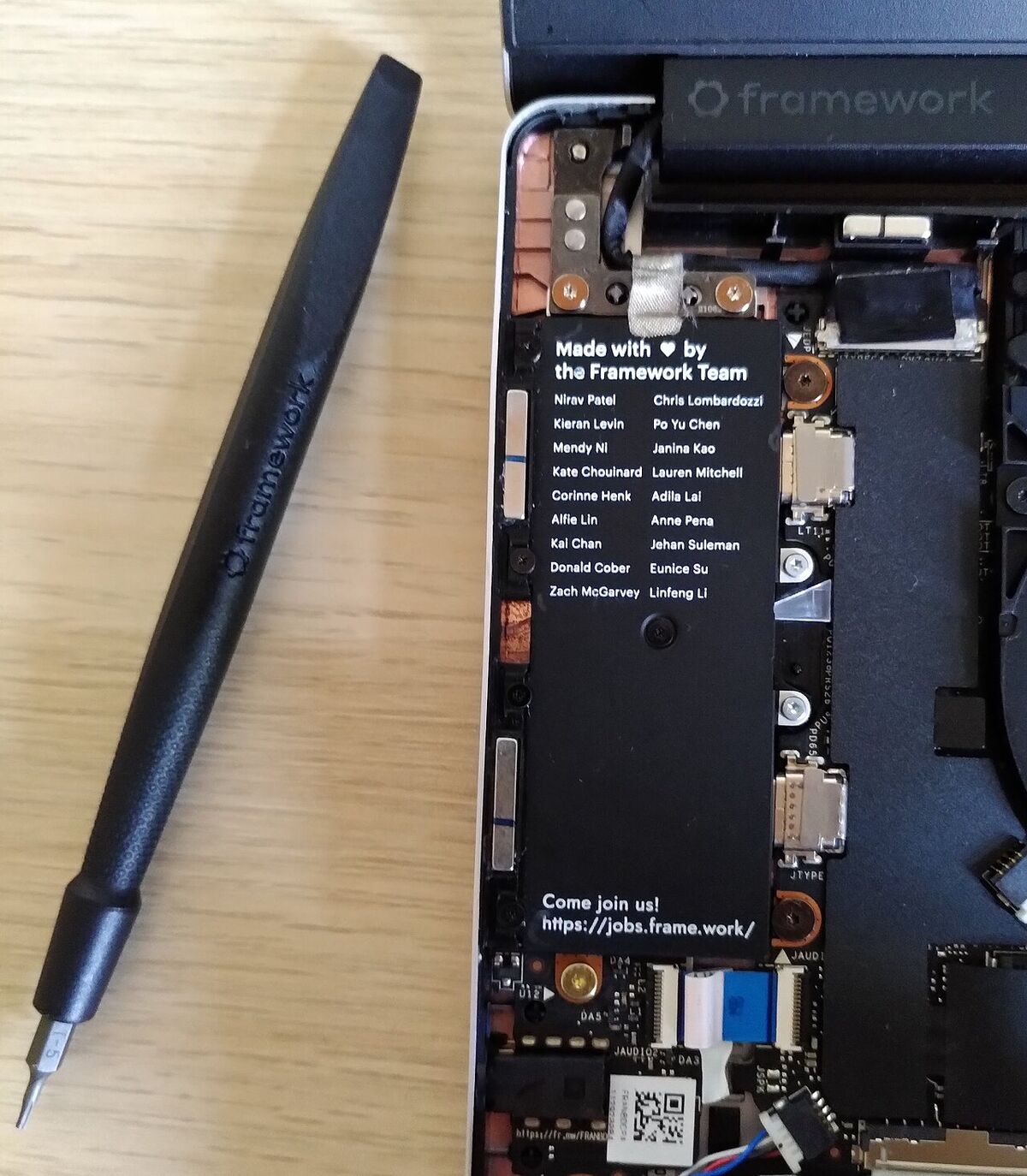
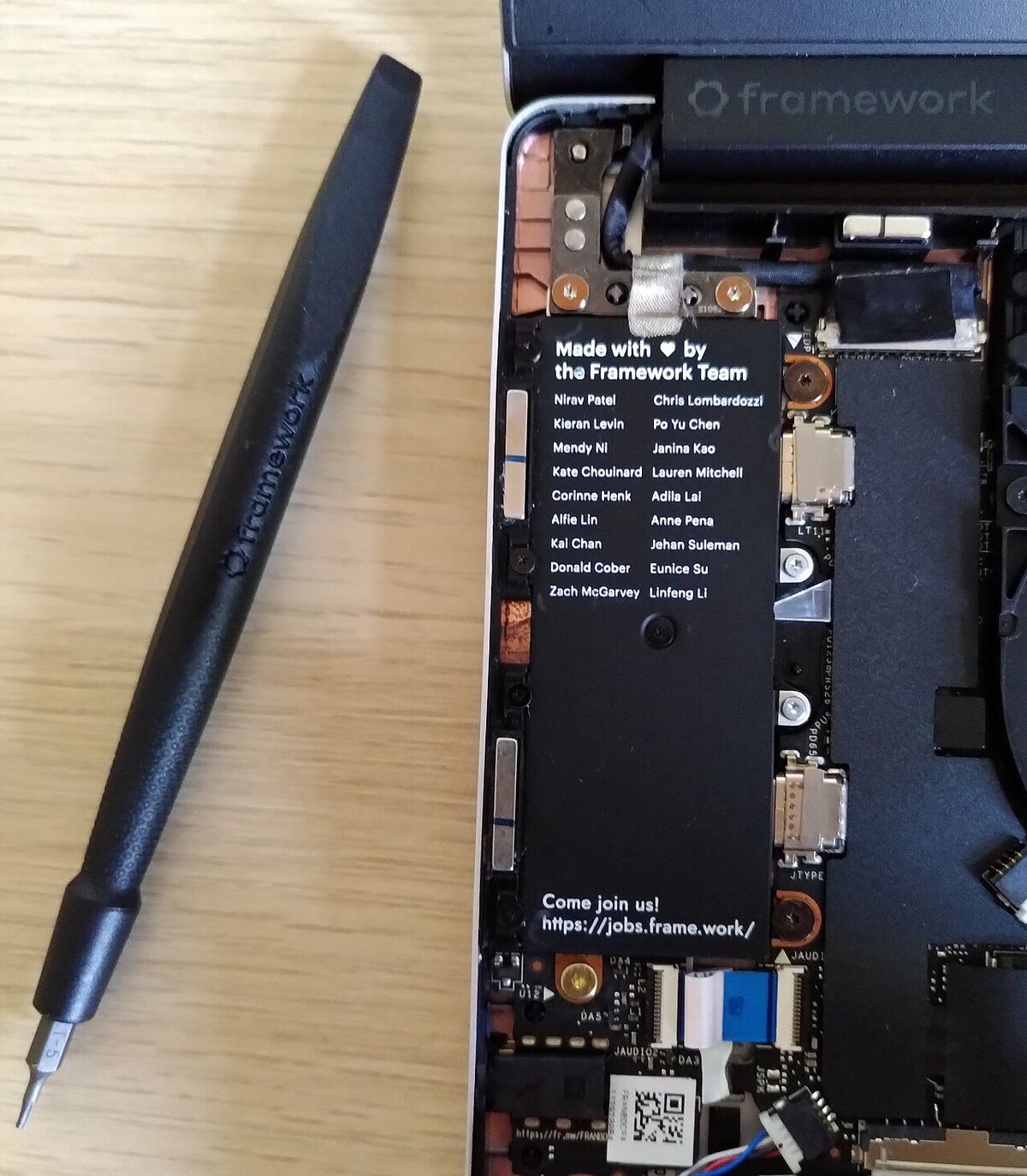
It comes with exactly one tool: a tiny, high-quality screwdriver. That is all you need to assemble or completely disassemble the entire machine.
Assembly is quick, and it can feel surprisingly empowering. Instead of treating your computer like a mysterious black box you aren't allowed to touch, you see how it is put together. Snapping the RAM into place yourself can forge a weird emotional connection with the device.
How does the Expansion Card system work?
The Expansion Card system replaces fixed ports with swappable modules, and it is arguably the laptop's best everyday feature.
Most modern ultra-thin laptops force you to live the "dongle life," carrying a messy bag of adapters just to plug in a basic USB-A flash drive or connect to a projector via HDMI.
Framework solves this with four recessed bays (two on each side). You buy little square modules that slide into these bays. Want four USB-C ports? Great. Need an HDMI port for a presentation today, but a MicroSD card reader tomorrow for editing drone footage? Slide one out and pop the other in. It takes two seconds.
- No more dongles: You can mix ports to suit your work, for example two USB-C ports, one USB-A, and a 1TB expansion card that acts as a super-fast, built-in external drive for video files.
- Hot-swappable: You don't need to turn the computer off to change them. Just pull one out and push a new one in.
Is the Framework actually a good laptop?
Yes. Many people assume a modular laptop must be clunky, ugly, or slow, and that couldn't be further from the truth.
The chassis is made of premium milled aluminum. It is very sturdy and looks and feels like a top-tier premium laptop. The 3:2 aspect ratio screen is bright, sharp, and well suited to reading documents or writing code, as it gives you more vertical space than a standard 16:9 widescreen.
Performance can be excellent. Because you aren't paying the "Apple Tax" for pre-installed RAM and storage, you can pair a top-of-the-line CPU with 64GB of RAM and a 2TB NVMe SSD for less than a similarly spec'd MacBook.
What are the Framework Laptop's downsides?
It's not perfect. Buying into a modular ecosystem from a smaller company means a few compromises.
- Battery Life: Battery life is just "okay" for standard work (web browsing, typing, light photo editing). If you are coming from an M-series Apple Silicon Mac that lasts 15 hours, you will feel the difference, so plan to bring your charger.
- Speaker Quality: The bottom-firing speakers get the job done for Zoom calls and casual YouTube watching, but they lack the rich, booming bass of higher-end consumer laptops. Audiophiles will want headphones.
How easy is it to repair a Framework Laptop?
Repairs can be remarkably easy. Take a cracked screen bezel, say from a pet chewing on it: on a sealed laptop, that could mean sending the whole machine away for a week.
With the Framework, you order a new bezel from the Marketplace on Framework's website for $49. The bezel is held on entirely by strong magnets, so you peel the broken one off with a fingernail, snap the new one into place, and the laptop looks brand new again in seconds.
That kind of repair is what makes it hard to imagine going back to a sealed laptop.
Is the Framework Laptop worth it?
I think so. The Framework laptop isn't just a gimmick; it is a philosophical shift in how we own technology, and proof that we don't have to sacrifice premium design or high performance for repairability.
In 2024, as e-waste continues to pile up globally, choosing a machine you can actually upgrade, swapping out the mainboard for a faster one next year rather than throwing the whole laptop in the trash, feels like the responsible choice. If you are tired of treating expensive electronics as disposable commodities, this is the laptop you've been waiting for.