Nvidia's Blackwell Architecture: A Practical Look at the Future of AI
Nvidia's Blackwell architecture is not just a step up from Hopper; it's a complete rethinking of how we handle AI at scale, with big gains in training and especially inference for large language models. The catch is power and cooling, and for most companies the honest answer to "do we need it?" is probably no.
When the Hopper architecture dropped, many thought we had hit the ceiling of what a single GPU could do. The H100 was a monster, devouring power and spitting out tokens at a rate we hadn't seen before. But then Nvidia did what Nvidia does best: they moved the goalposts again. Enter Blackwell.
If you are just tuning into the AI hardware space, or if you're trying to figure out if your company actually needs to drop millions on these new chips, here is an unfiltered breakdown of what makes Blackwell tick, based on the published specs and whitepapers.
How Much Faster Is Blackwell for AI?
Nvidia claims a massive leap in training and inference speeds with Blackwell, especially for the massive large language models (LLMs) that are dominating the industry right now. When Nvidia announced Blackwell, it wasn't shy about the performance claims.
But what does that actually mean for everyday operations?
- Massive Parameter Models: If you are trying to train a trillion-parameter model, the Hopper architecture could handle it, but it required a massive cluster and a lot of patience. Blackwell is designed to make these workloads significantly more manageable. The interconnect speeds and memory bandwidth have been pushed to levels that almost seem unnecessary—until you realize how hungry these new AI models are.
- Inference at Scale: This is where I think Blackwell is going to be a game-changer. Training is one thing, but serving these models to millions of users in real-time is where the real bottleneck lies. Blackwell’s specialized tensor cores are optimized specifically for inference, meaning we should see lower latency and higher throughput when querying AI models. This directly translates to cheaper operating costs per token.
How Much Power Does Blackwell Need?
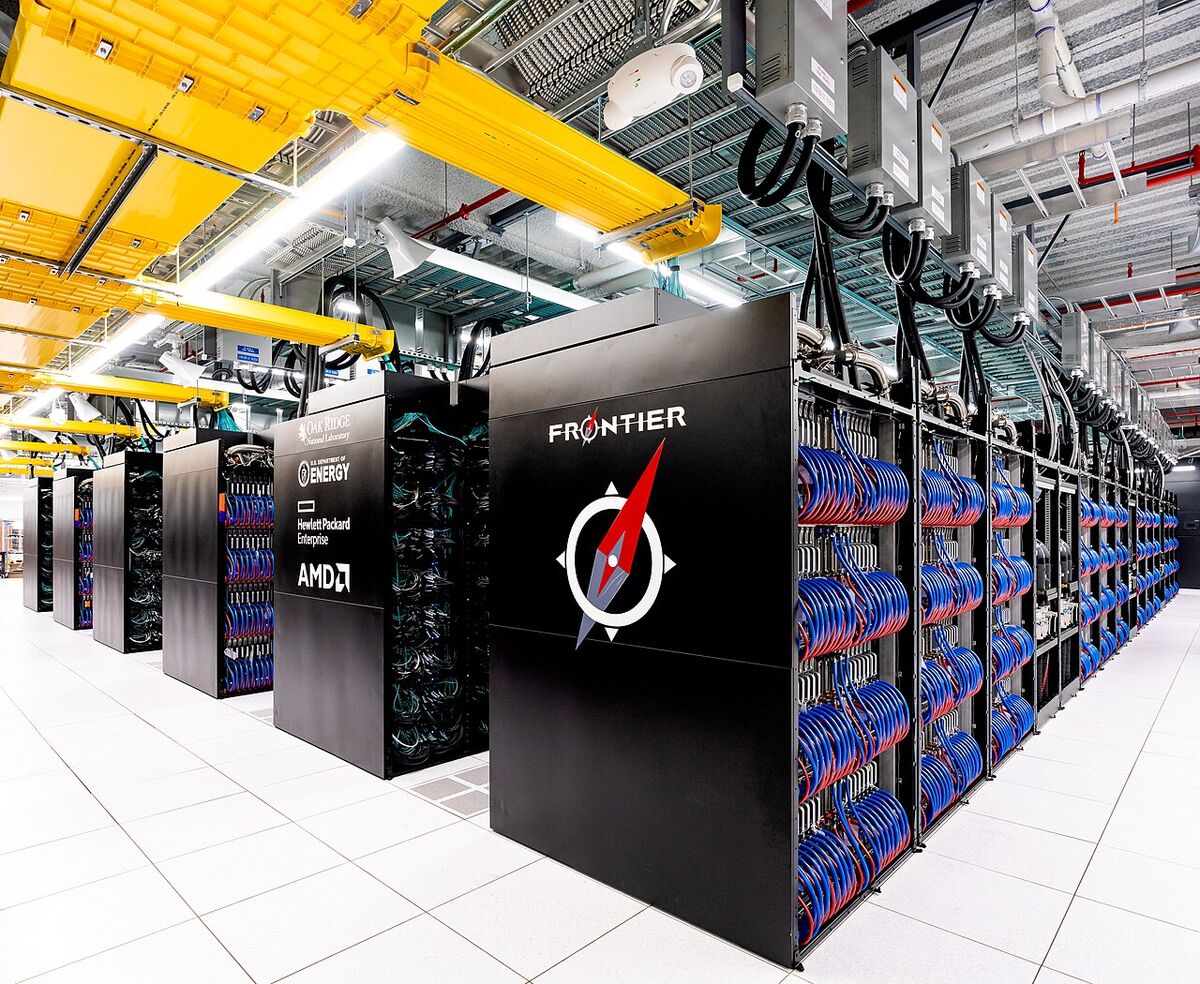
Blackwell chips are incredibly power-hungry, and power consumption is the elephant in the room for anyone planning a deployment.
We are reaching a point where the limiting factor for data centers isn't space or even capital—it's getting enough electricity to the racks without melting the building.
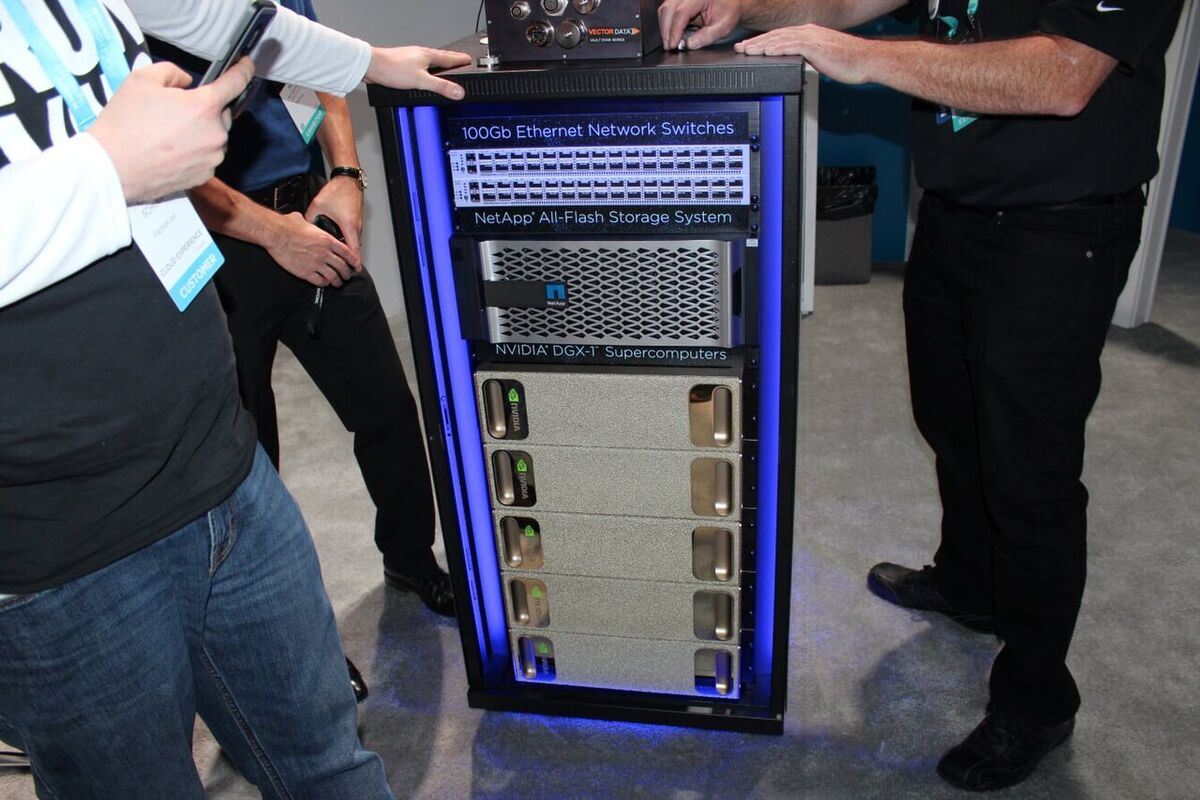
The thermal design required to keep a Blackwell cluster cool is insane. Liquid cooling is no longer a luxury; it's practically a requirement.
If you are planning to deploy these, your biggest headache isn't going to be writing the software—it's going to be HVAC and power distribution.
Does Your Company Actually Need Blackwell?
For most companies, the honest answer is probably no. This is the million-dollar question, and it depends on the size of the models you work with.
- Fine-tuning 7B or 13B models for internal use: dropping the cash on a Blackwell setup is overkill. You can get incredible performance out of the previous generation hardware (or even cloud instances) for a fraction of the cost.
- Hyperscalers and AI startups building the next foundational model: Blackwell isn't a luxury; it's table stakes. The efficiency gains in training massive models can pay for the hardware over time, simply because you can iterate faster and get to market quicker.
What Does Blackwell Mean for the AI Industry?
Blackwell shows once again why Nvidia essentially owns the AI hardware market. It is a phenomenal piece of engineering. But it also highlights a growing divide in the tech world. There are the companies that can afford to play at the cutting edge, building their own massive clusters, and then there is everyone else who will rely on cloud providers to rent access to these chips.
It’s an exciting time to be in the space, but also a slightly terrifying one if you're footing the bill. Real-world benchmarks will matter once these hit production environments at scale. Until then, it's safe to say the AI arms race is far from over.