What Happens When You Let an AI Personal Nutritionist Control Your Diet?
An "AI Personal Nutritionist" is an app that ingests your biometric data, lifestyle habits, and even genetic markers to tell you what to eat and when. Paired with a smartwatch, a smart ring, and a continuous glucose monitor, it can build a highly personalized eating plan that adapts day to day, remove meal-planning decision fatigue, and reveal how specific foods affect your blood sugar. The trade-offs are higher grocery costs, awkward social dining, and eating that can start to feel clinical. It is a powerful tool, not a replacement for a doctor or registered dietitian.
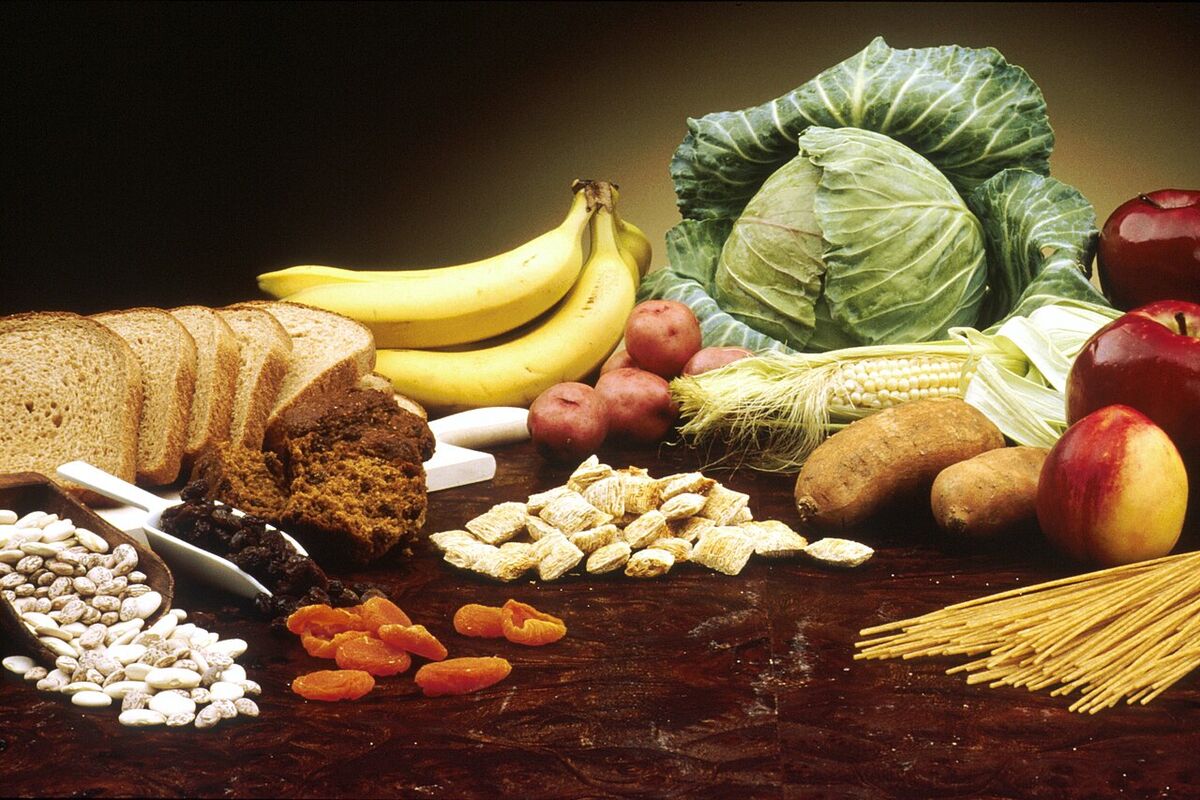
The appeal is easy to understand. You may know the mid-afternoon slump—it hits around 3 PM, your brain fogs up, and a nap sounds better than answering emails. Fad diets like keto, paleo, and intermittent fasting give generic advice, but no two bodies are the same. In 2026, the intersection of AI and personalized health has exploded, and standard food pyramids are giving way to algorithms that tailor advice to your own data.
How do you set up an AI nutritionist?
Setting up an AI nutritionist means handing over far more data than a simple "what is your height and weight?" questionnaire. The onboarding process is intense.
The Data Ingestion Phase:
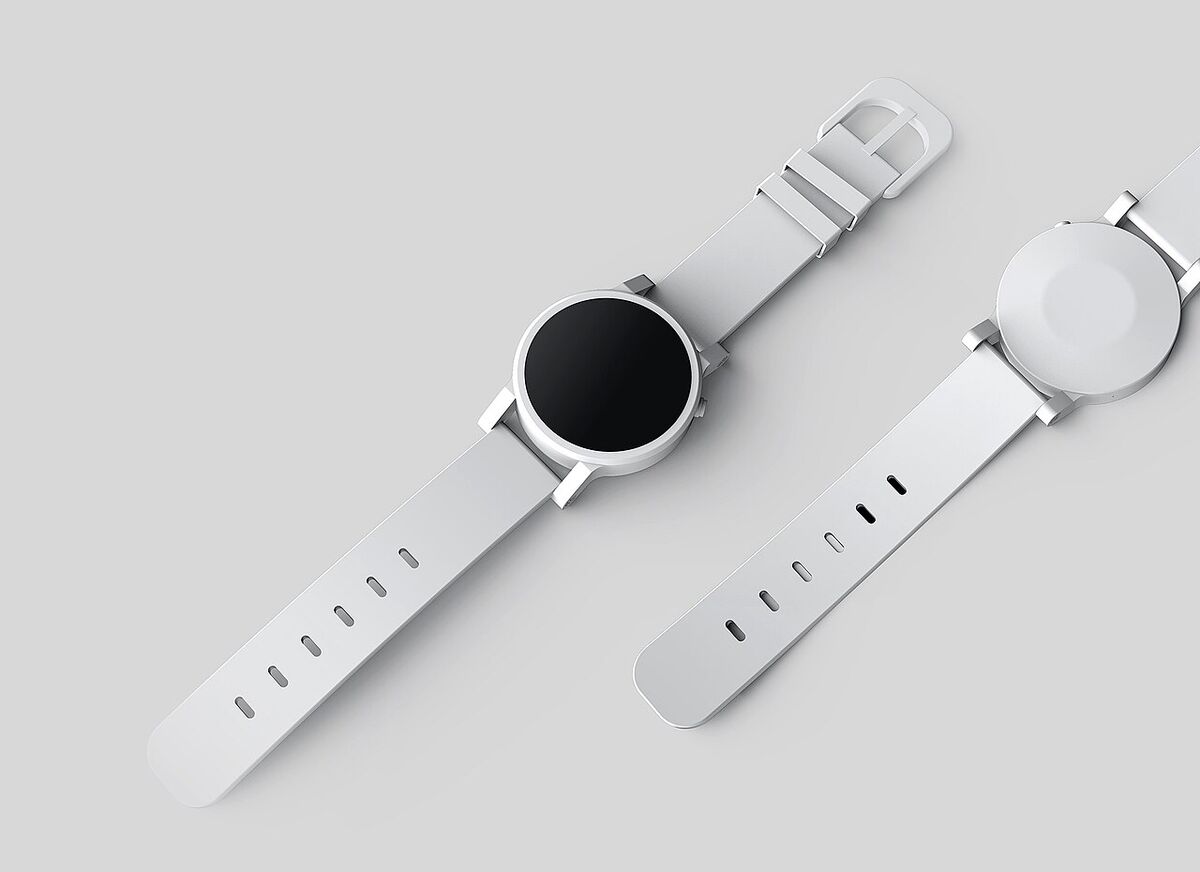
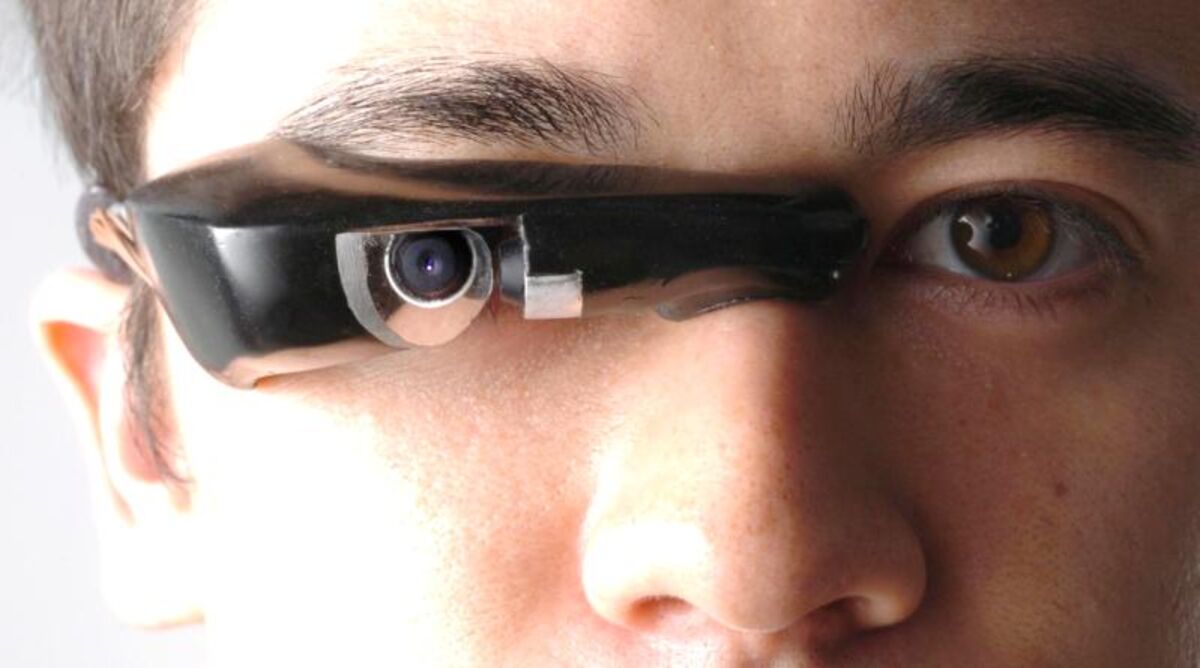
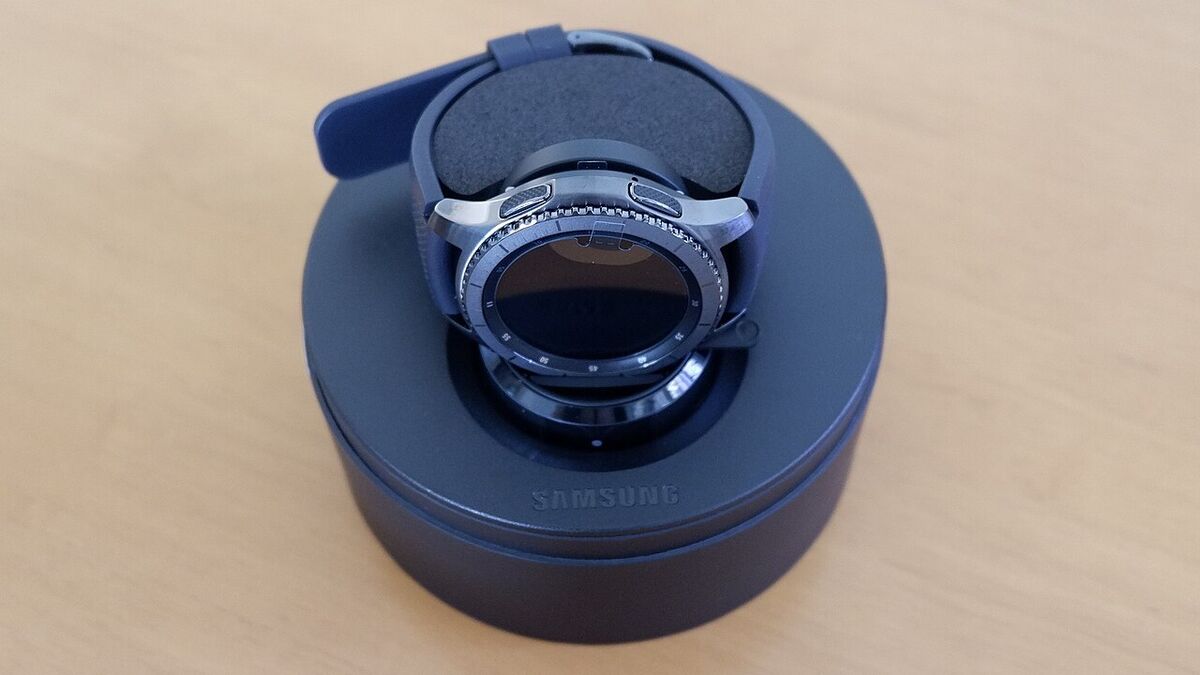
- Wearable Syncing: The app connects to your smartwatch and smart ring, feeding the AI continuous data on sleep cycles, daily step count, resting heart rate, and workout intensity.
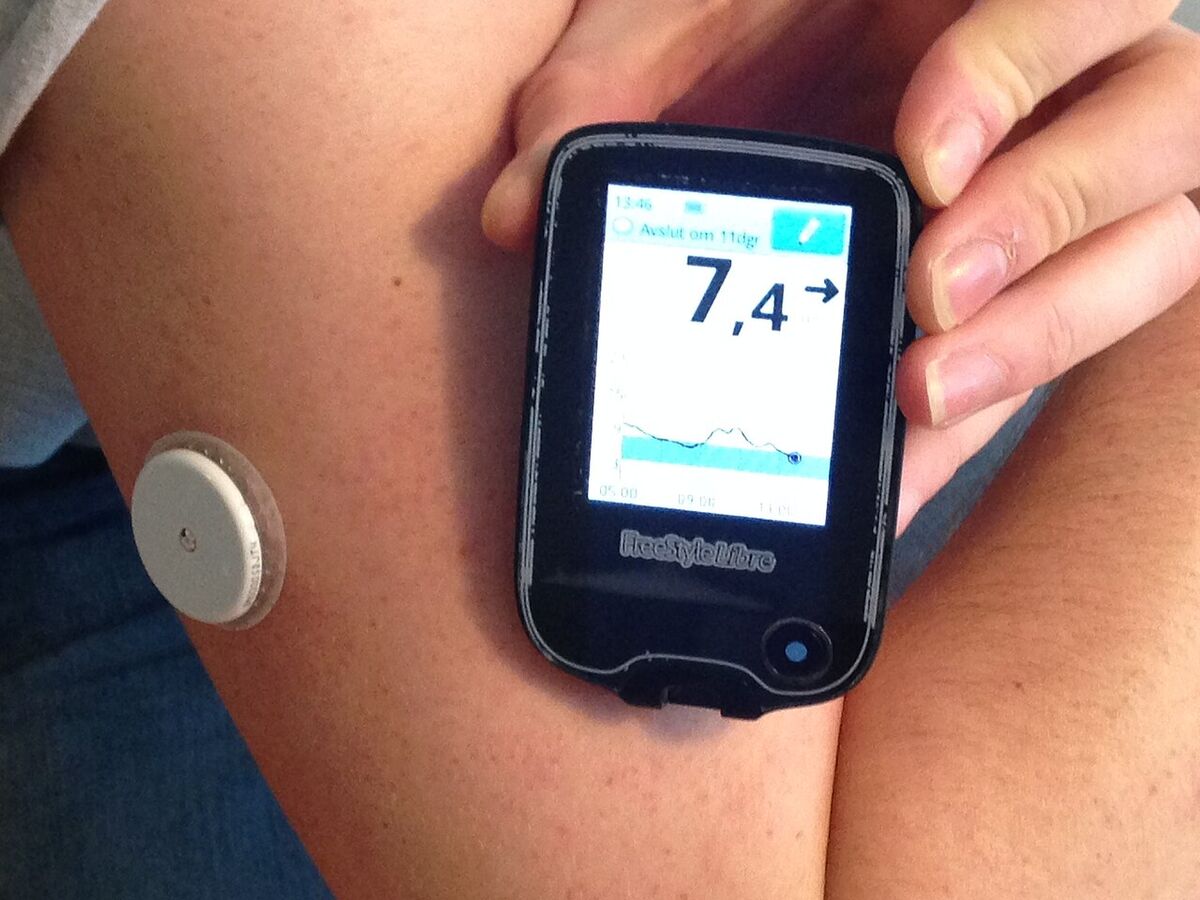
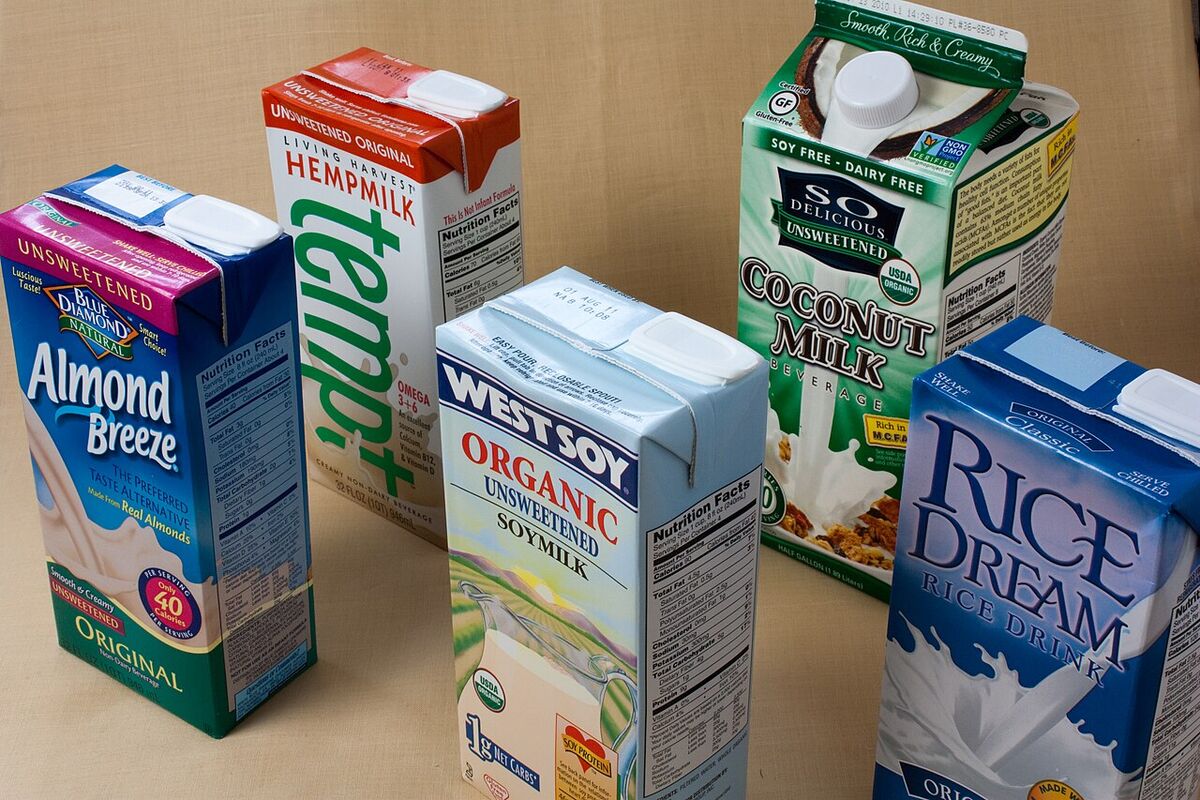
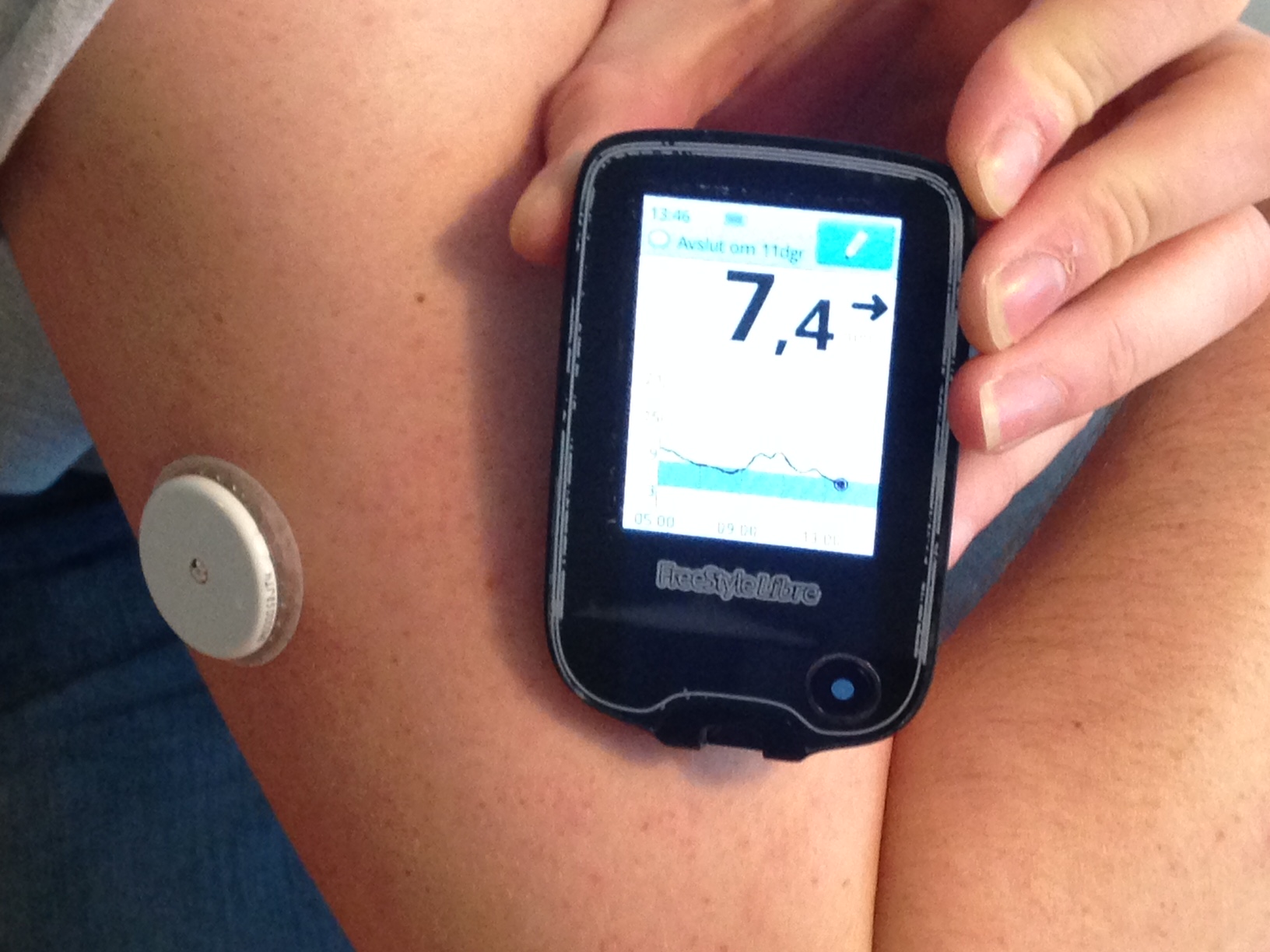
- Continuous Glucose Monitor (CGM) Integration: This is the game-changer. You wear a small CGM patch on your arm for an initial period, and it tracks how your blood sugar reacts in real time to different foods. Foods you assume are harmless, such as oat milk, may turn out to spike your glucose more than you'd expect.
- Dietary Preferences & Goals: You set a goal—say, "sustained energy and mild fat loss"—and note preferences such as a Mediterranean-style diet while avoiding dairy.
Once the algorithm crunches the numbers, it generates a personalized nutritional blueprint. It isn't just a list of recipes; it is a specific metabolic strategy.
What is it like to eat by the algorithm?
Eating by the algorithm means the AI decides not just what you eat but when, based on your circadian rhythm and upcoming activities. Expect an adjustment period.
The early days: a shock to the system
On a day with a heavy gym session planned, the app might push a carbohydrate-heavy meal two hours beforehand. On rest days, it may sharply reduce carbs and bump up healthy fats.
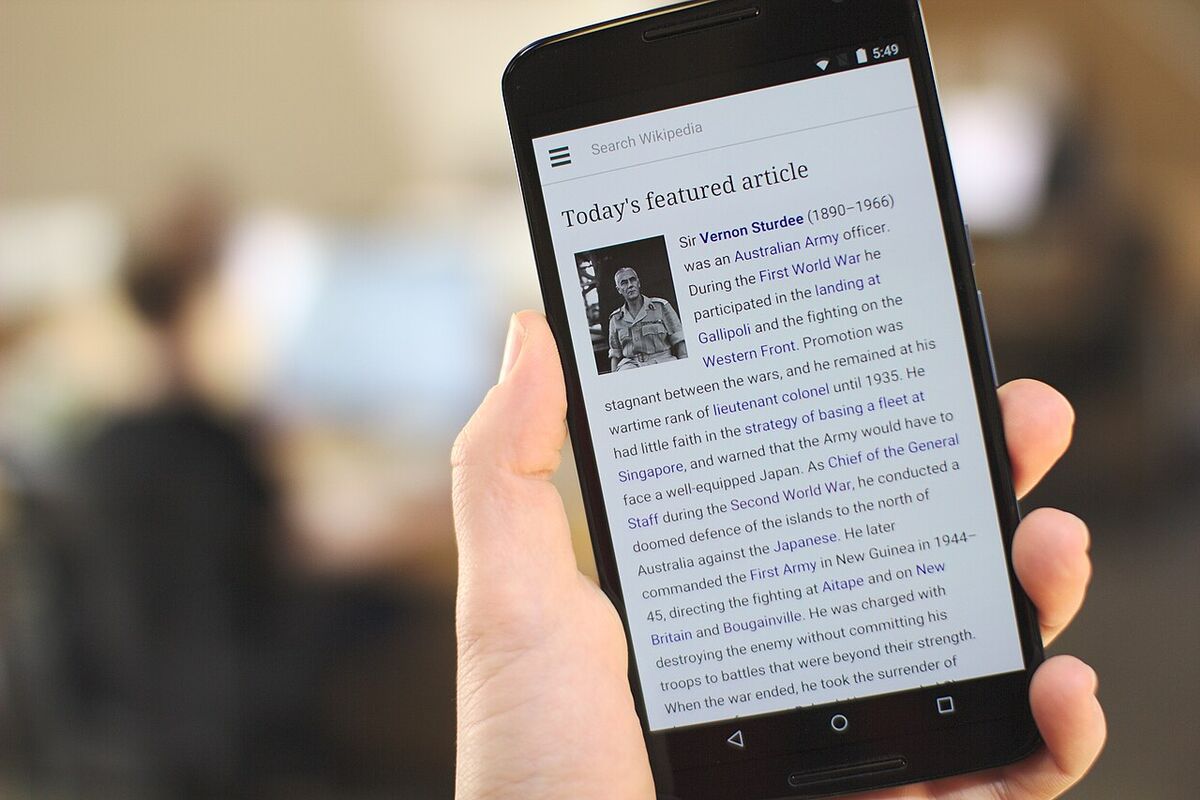
The biggest hurdle is giving up decision-making. Instead of opening the fridge and grabbing whatever looks good, you get a notification like: "Based on your poor sleep last night, we recommend increasing your intake of Omega-3s for lunch to support cognitive function. Here is a recipe for a Walnut and Salmon Salad." It can feel slightly dystopian, but also strangely comforting.
Can it improve your energy levels?
It may, for some people. The mechanism is the CGM data: the AI can identify that a go-to breakfast, such as a banana and oatmeal, is followed by a sharp blood sugar spike and crash for you, then swap it for high-protein, savory options like eggs and avocado to keep glucose steadier.
Steadier glucose could mean fewer sugar cravings and fewer afternoon crashes, and some users may notice better sleep. Results vary from person to person, and a nutrition app can't diagnose why you feel tired; persistent fatigue is worth discussing with a doctor.
The grocery bill reality check
The catch is that a highly optimized, AI-generated diet isn't cheap.
The app can suggest very specific, high-quality ingredients to meet micronutrient goals. If its calculations say you are low on magnesium, it won't just say "eat a banana"; it may point you to specific brands of pumpkin seeds or wild-caught fish.
And while integration with local grocery delivery services is convenient, buying exactly what the AI demands can push your grocery spending noticeably above your usual budget.
What are the pros and cons of AI nutrition?
AI nutrition's main strengths are convenience and real-time adaptation; its weaknesses are cost and the human side of food.
Pros:
- Zero Decision Fatigue: Not having to plan meals or worry about macronutrients is a huge mental relief.
- Data-Driven Adjustments: If you slept poorly or had an intense workout, the AI can immediately adjust your caloric and nutrient targets for the next day. Human dietitians simply can't offer that level of real-time responsiveness.
- Uncovering Hidden Triggers: Combining AI with CGM data can reveal how your body responds to particular foods in ways you never noticed.
Cons:
- The Social Aspect of Food: The AI doesn't understand that sometimes you just want to eat pizza with your friends. Sticking strictly to the algorithm makes social dining difficult.
- Cost and Accessibility: Premium AI nutrition services, combined with the cost of wearables and specific groceries, make this a luxury experience right now.
- It Can Feel Clinical: Eating becomes a biological transaction rather than a joyful experience.
Will AI replace human dietitians?
Not entirely, and not yet. Human empathy, understanding emotional eating, and working within tight budgets are areas where AI still struggles, and anyone with a medical condition should involve a professional before changing their diet.
However, if you are a data nerd, an athlete, or someone frustrated by generic diet advice, I think an AI personal nutritionist is a powerful tool. It can teach you a lot about your own metabolism in a short time. You may not follow it strictly forever, but the insights it provides can change how you think about what you eat.