Gym Clothes That Track Your Heart Rate: A 2026 Smart Fabric Review
- Technology
- Exienent
- · Updated
Smart Fabrics (E-Textiles) are clothes with biometric sensors woven into the fabric, and in 2026 they are a serious alternative to wrist wearables for workouts and health tracking: they look like normal athletic gear, go in the washing machine, and read heart rate from the chest like an ECG strap. They are not yet a full smartwatch replacement, because a shirt cannot show messages, navigation or pay for coffee.
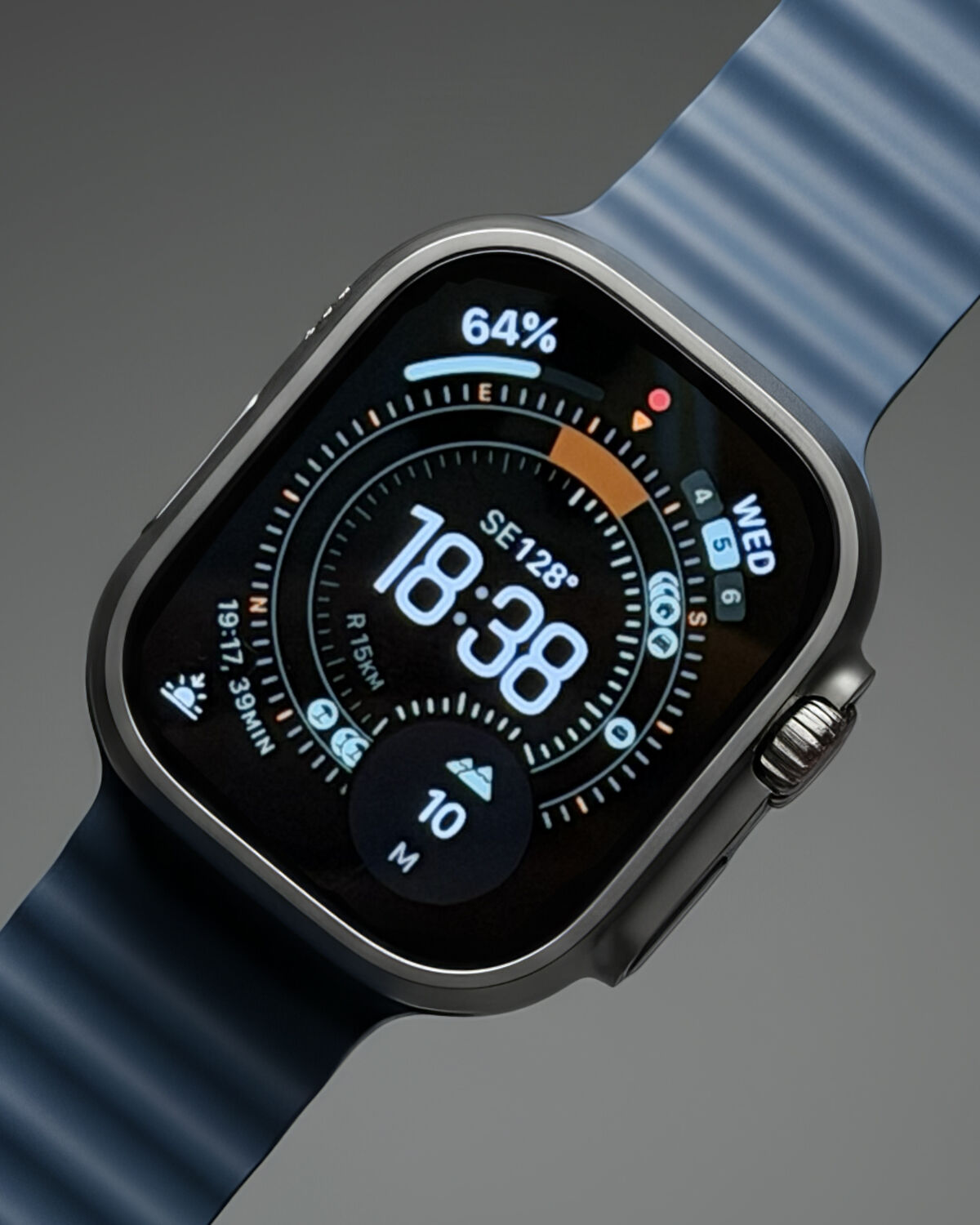
A smartwatch delivers great data, but wearing a miniature smartphone on your wrist 24/7 has real drawbacks: it can be uncomfortable when lifting weights, annoying while sleeping, and an eyesore when you want to dress up. The new wave of smart fabrics that reached the mainstream consumer market earlier in 2026 promises to move that tracking into your clothes instead.
What Is a Smart Fabric?
A smart fabric is clothing whose sensors and wiring are part of the fabric itself. When you hear "smart clothes," you might picture a stiff, robotic jacket with visible wires and a heavy battery pack in the pocket. That was the tech of 2020.
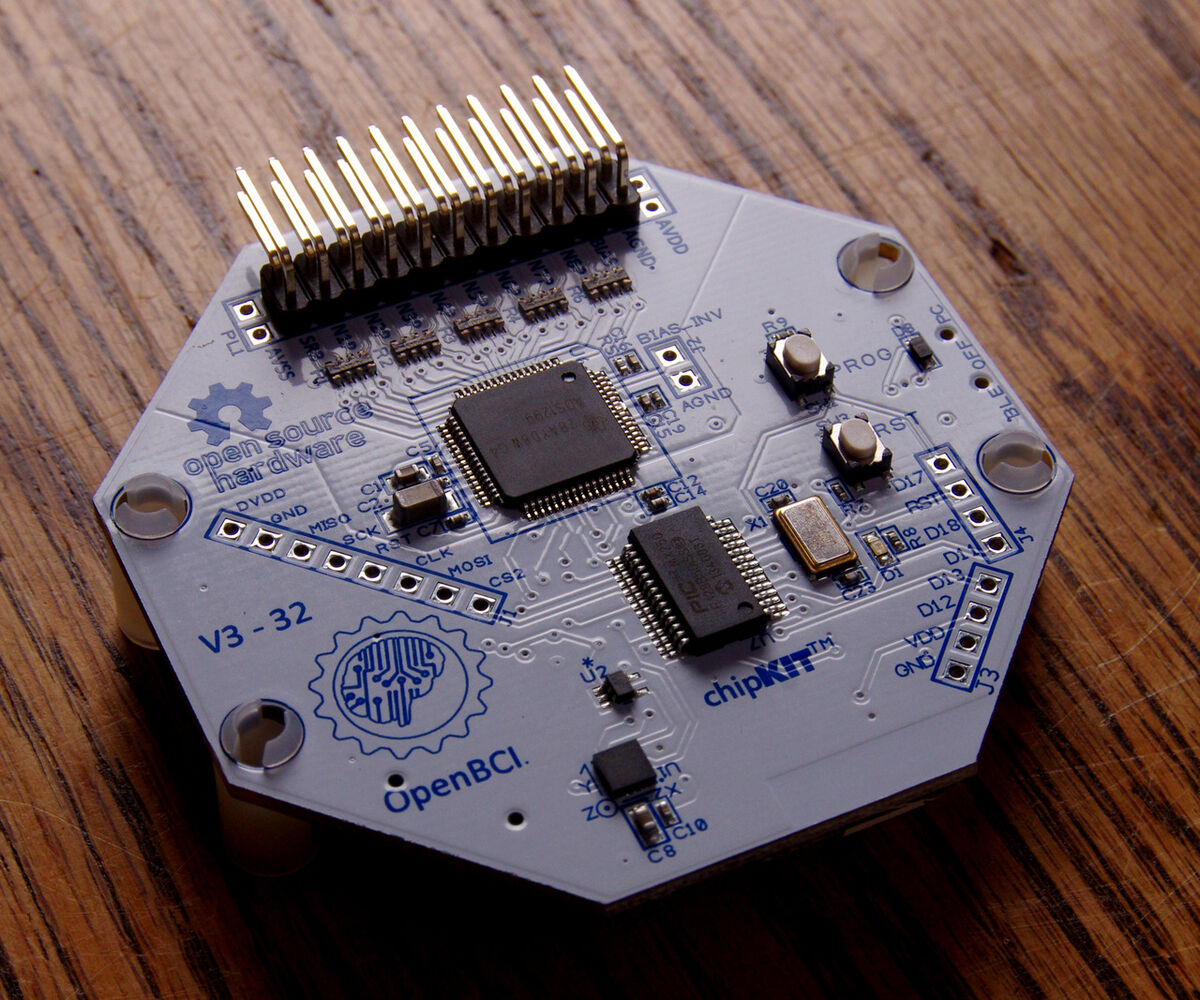
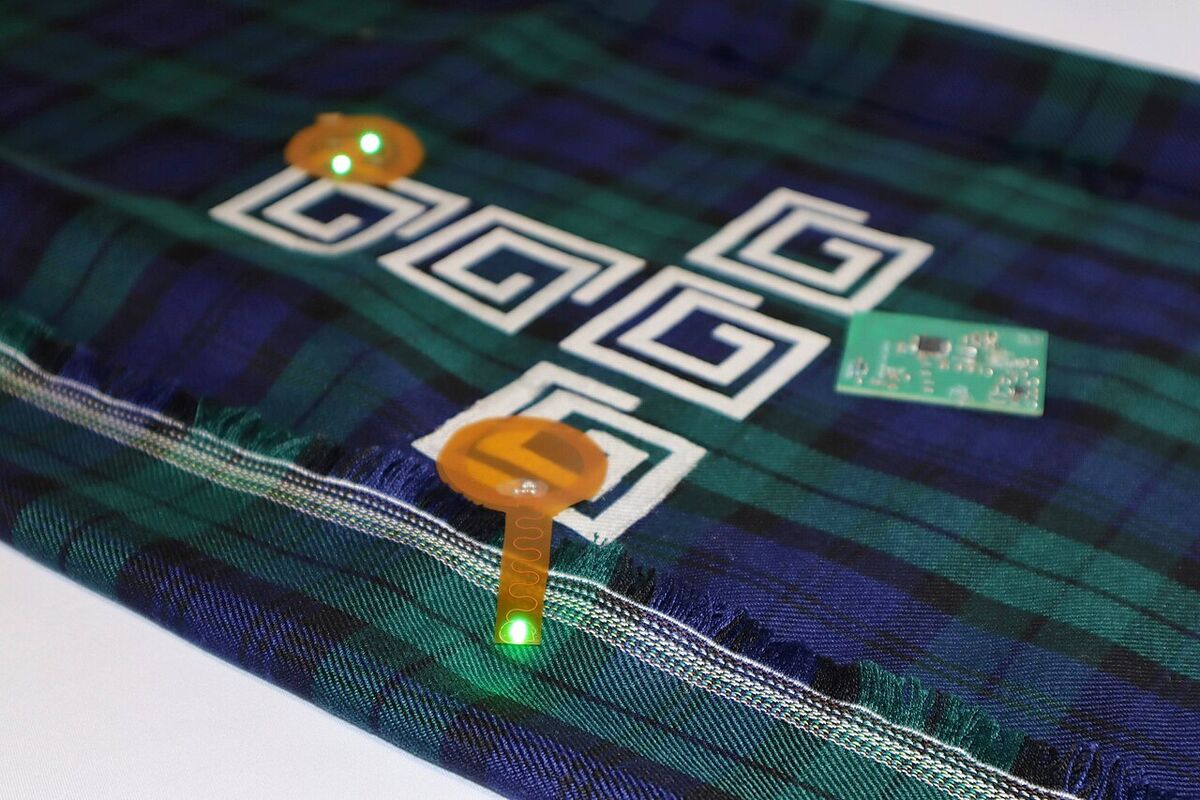
The smart fabrics of 2026 are indistinguishable from normal Lululemon or Under Armour athletic gear. The secret lies in highly conductive, microscopic threads—often made of graphene or carbon nanotubes—that are physically woven into the fabric. These threads act as sensors and wiring, connecting to a tiny, coin-sized transmitter that snaps onto the collar or waistband. You can wash them, fold them, and sweat in them just like a normal cotton t-shirt.
How Do Smart Fabrics Perform During Workouts?
For workouts, smart compression shirts and shorts designed for weightlifting and running offer two advantages: physical freedom and better-placed sensors.
Without a watch digging into your wrist, push-ups and kettlebell swings are more comfortable. The bigger difference is data quality. A smartwatch uses optical sensors on the wrist to estimate heart rate, which often lags during intense workouts. A smart shirt places biometric sensors directly across the chest, working like an ECG chest strap, so heart rate readings can be faster and more reliable during hard efforts.
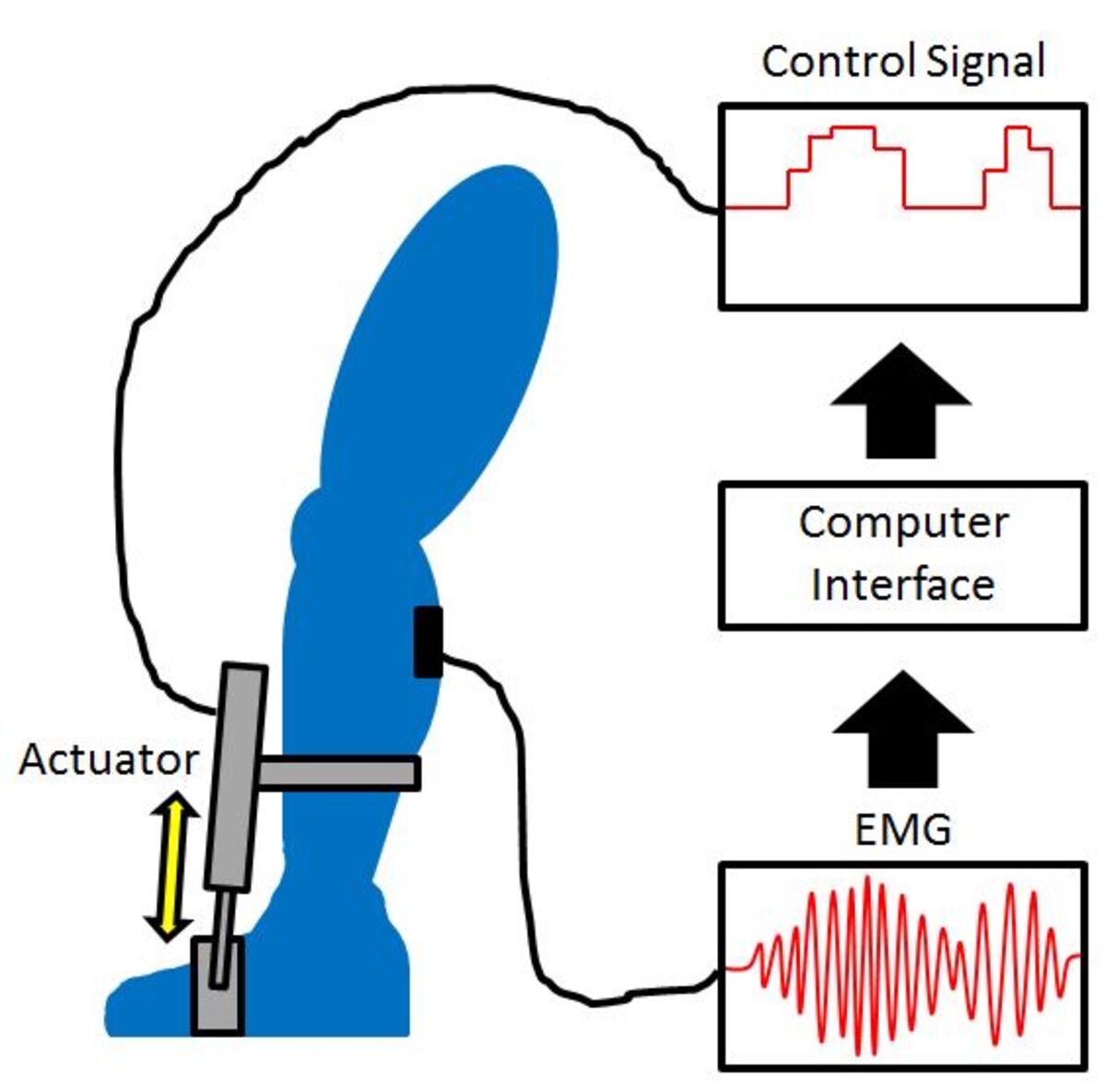
Some smart shorts also have sensors woven into the thighs that measure muscle activation (EMG). A companion app can flag whether you are favoring one leg during squats or whether your hamstrings are fatiguing before your quads—a bit like having a biomechanics coach built into your gym clothes.
Can Smart Clothing Track Health in Everyday Life?
Yes—beyond the gym, there are "casual" smart undershirts and even smart socks.
A smart undershirt can act as a daily health monitor, tracking resting heart rate, respiratory rate, and posture through the workday without being noticeable. If you slump over your keyboard, a gentle haptic vibration from the collar module can remind you to sit up straight.
Smart socks map the pressure distribution of your feet as you walk. That data can reveal gait asymmetry, which may be worth discussing with a doctor or physiotherapist, for example if it relates to an old injury. The socks flag patterns; they do not diagnose.
Will Smart Fabrics Replace Smartwatches?
Not yet. Smart fabrics are excellent for dedicated activities like working out, running, or detailed health monitoring, offering data a wrist-based tracker struggles to match, with unbeatable comfort.
However, they are still just sensors. If you want to see a text message, check navigation, or quickly pay for a coffee, a shirt cannot do that.
| Smart fabric | Smartwatch | |
|---|---|---|
| Heart rate sensing | Chest sensors, like an ECG strap | Optical wrist sensor, can lag |
| Extra data | Muscle activation, posture, foot pressure | Steps, sleep, heart rate |
| Messages, navigation, payments | No | Yes |
| Comfort | Feels like normal clothing | Can get in the way |
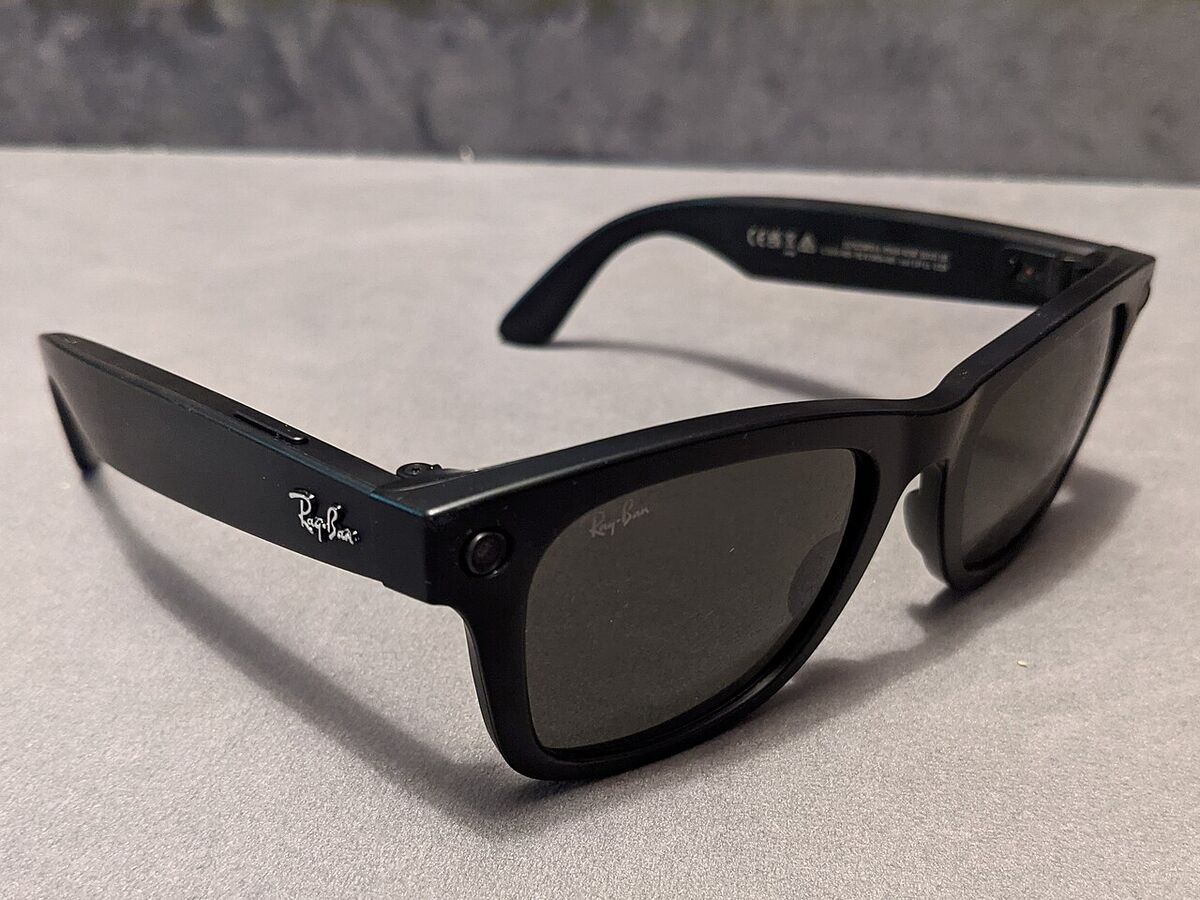
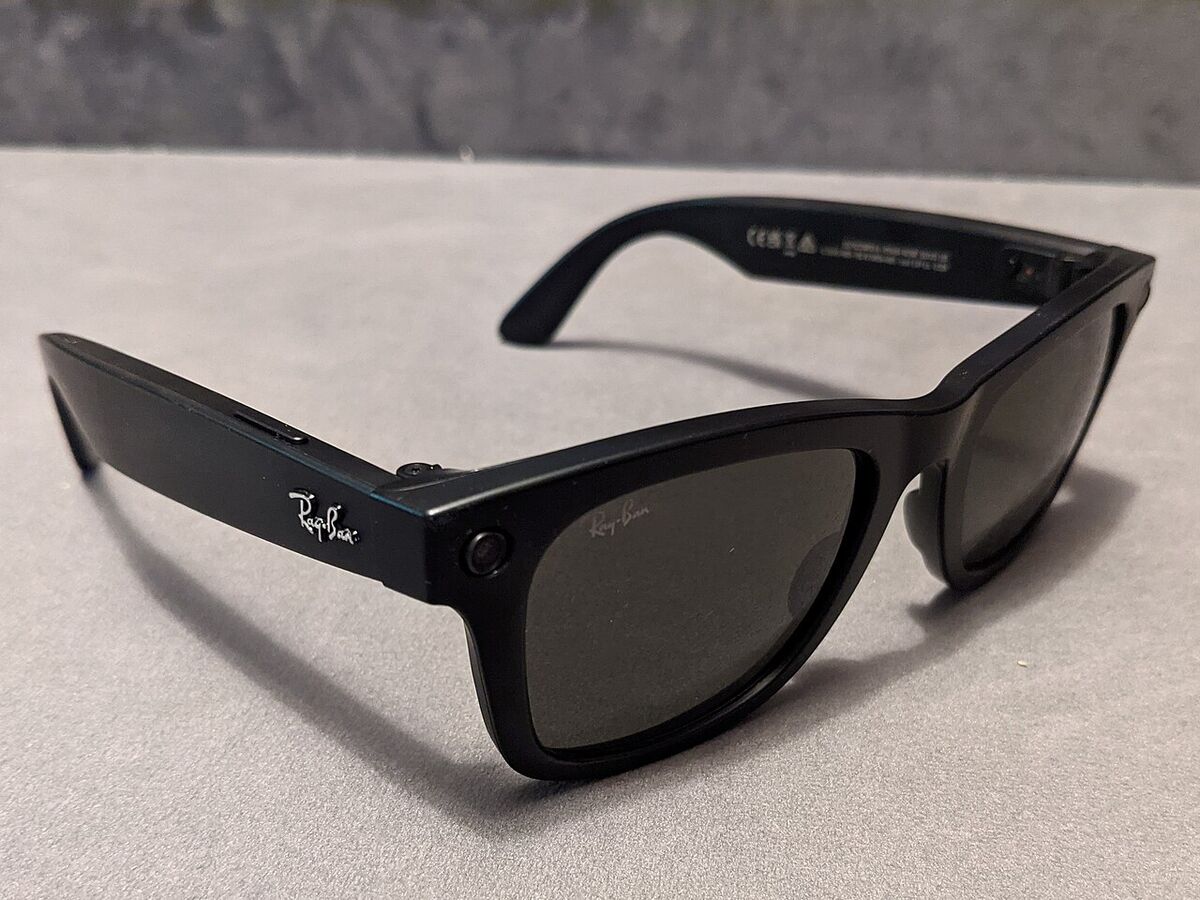
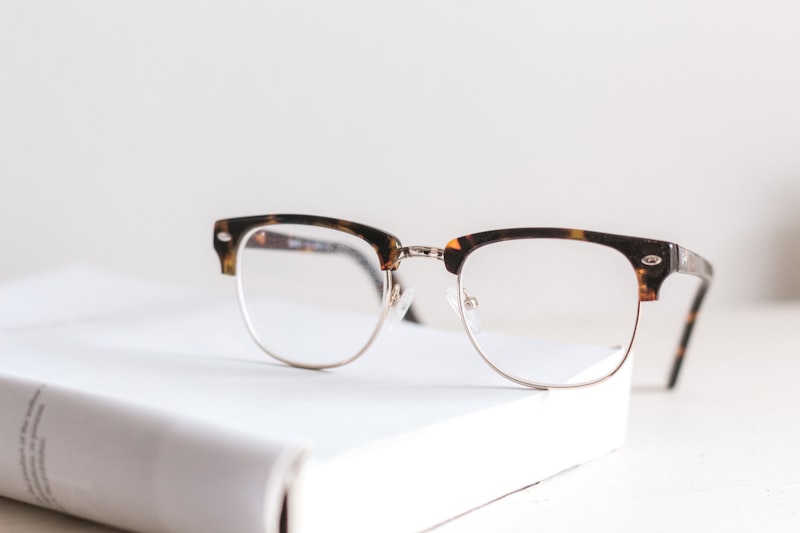
The future I see isn't smart fabrics replacing other wearables, but an Ambient Computing ecosystem: the shirt gathers accurate biometric data, transmits it to the AI on your phone, and you might check the summary on a pair of smart glasses.
Who Should Try Smart Fabrics?
If you are a data nerd, an athlete, or someone tired of a block of metal strapped to your wrist, I think the 2026 generation of e-textiles is well worth trying. It feels like magic, and being able to throw the magic into the washing machine afterward is the best part.