Why Confidential Computing is the Must-Have Tech Trend for 2026
- Technology, Cybersecurity
- Exienent
- · Updated
Confidential Computing protects data while it is actively being used, by processing it inside a hardware-based Trusted Execution Environment that no one outside can see into—not even the cloud provider. It has rapidly moved from a niche enterprise buzzword into one of Gartner's defining strategic technology trends for 2026, driven largely by AI's appetite for sensitive data.
We all know the feeling of hesitating before hitting "upload" on a sensitive document. Even with passwords, encryption, and firewalls, handing our data over to the cloud still requires a massive leap of faith. Confidential Computing removes the need to just trust that the server processing your data is secure: the hardware itself guarantees that no one can peek at what you are doing. As AI models become thirstier for our proprietary data, understanding how to keep that data locked down while it's in use is becoming an absolute necessity for developers and businesses alike.
What Problem Does Confidential Computing Solve?
Confidential Computing closes the last gap in data security: data in use. For years, cybersecurity has focused heavily on two main areas:
- Data at rest: Encrypting files when they are stored on a hard drive or database.
- Data in transit: Encrypting information as it travels across the internet (like when you see HTTPS in your browser).
But there's always been a glaring vulnerability: Data in use.
Whenever an application needs to actually process data—say, a machine learning model analyzing a medical record, or a financial app calculating a credit score—that data has to be decrypted in the server's random access memory (RAM). In that brief window, the information is exposed in cleartext. If a hacker, a malicious insider, or even a compromised operating system process gains access to the machine at that exact moment, they can snatch the data.
Confidential Computing solves this by performing computations within a hardware-based Trusted Execution Environment (TEE), often called an enclave.
How Does a Trusted Execution Environment (TEE) Work?
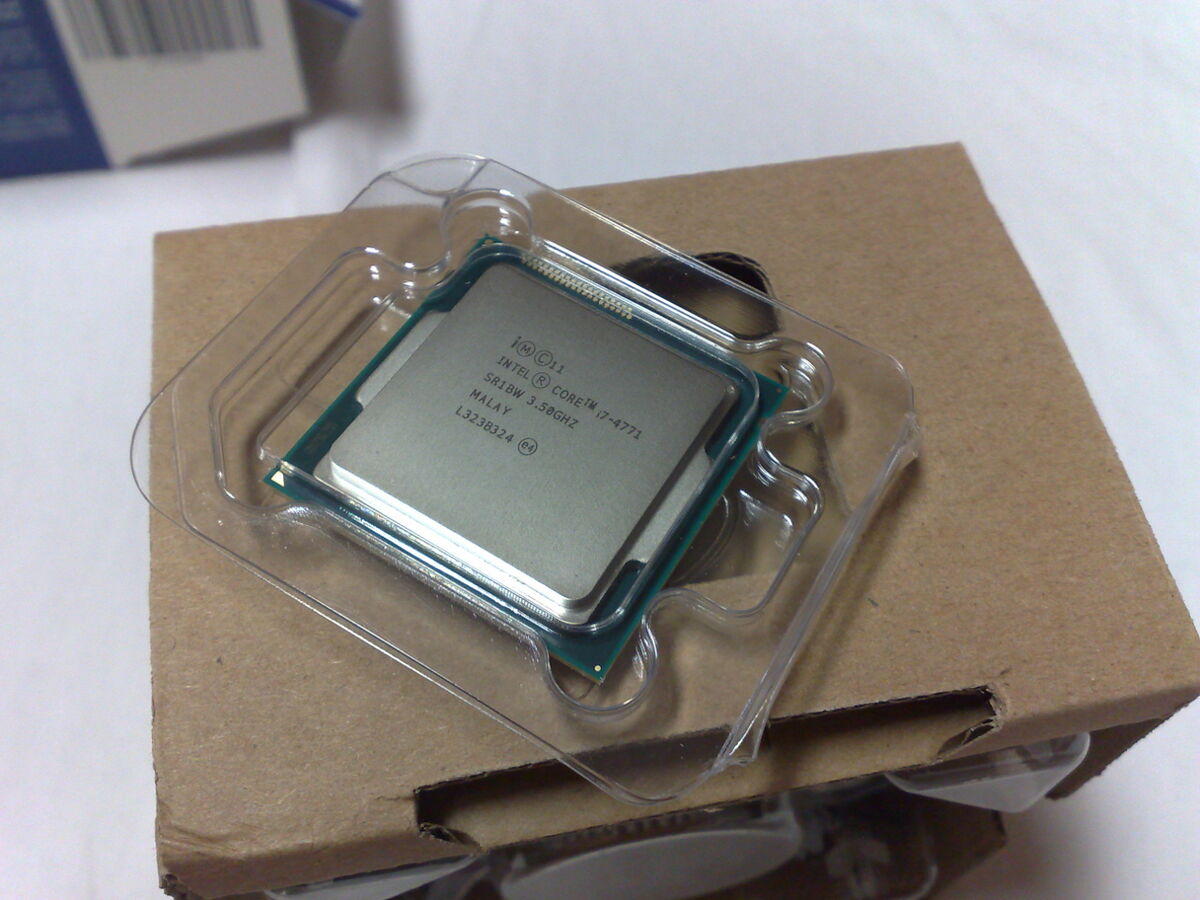
A TEE works like a highly secure, impenetrable vault built directly into the computer's processor (CPU). When an application needs to process sensitive data, it sends the encrypted data into this vault.
Here is what happens inside:
- Isolation: The hardware ensures that nothing outside the vault can look inside. The operating system, the hypervisor, the cloud provider's administrators—none of them have access.
- Verification: Before sending data to the vault, your system can ask the processor to mathematically prove it is a genuine, secure enclave running the exact code you expect. This is known as remote attestation.
- Decryption and Processing: The data is decrypted only inside the vault, processed, re-encrypted, and then sent back out.
Because the security is anchored in the silicon chips themselves (like AMD's SEV or Intel's TDX technologies), it drastically reduces the attack surface. You no longer have to blindly trust the software stack or the infrastructure provider.
Why Is Confidential Computing Taking Off in 2026?
Three colliding forces explain why the technology is blowing up specifically in 2026.
1. The AI Privacy Dilemma We are in an era where everyone wants to leverage generative AI and Large Language Models (LLMs). However, hospitals, law firms, and tech companies can't just send highly regulated, proprietary data to a public AI supercomputing cluster without risking massive privacy breaches. Confidential Computing allows organizations to rent public cloud GPUs and CPUs to train or query AI models while keeping their training data completely invisible to the cloud host.
2. The Rise of Multi-Cloud and Edge Environments Companies rarely stick to just one cloud provider anymore. They mix AWS, Azure, Google Cloud, and edge computing devices. Managing security across untrusted, highly distributed infrastructure is a nightmare. Hardware-level encryption in use provides a consistent security baseline regardless of whose server rack the code is running on.
3. Regulatory Pressures Governments around the world have steadily tightened data protection laws. As standards evolve, relying on software-level isolation is no longer enough to meet compliance for handling financial or biometric data.
How Do You Get Started with Confidential Computing?
Start with the confidential offerings your cloud provider already has; you don't need to buy custom hardware. The major cloud providers have already done the heavy lifting for developers and IT architects looking to future-proof their systems.
Here are some practical steps to start experimenting:
- Explore Cloud Offerings: Look into confidential Virtual Machines (VMs) on your preferred platform, such as Azure Confidential VMs, Google Cloud Confidential Computing, or AWS Nitro Enclaves.
- Start with High-Risk Workloads: Don't try to migrate your entire infrastructure at once. Identify your most sensitive processes—like key management services, proprietary algorithms, or databases holding Personally Identifiable Information (PII)—and move those to confidential instances first.
- Check Your AI Pipeline: If you are fine-tuning AI models using sensitive enterprise data, investigate confidential AI platforms. They ensure your competitive advantage isn't leaked during the training phase.
- Use Open Source Frameworks: Look into projects like the Confidential Computing Consortium (CCC) and frameworks like Enarx or Gramine, which make it easier to package and run applications inside TEEs without rewriting all your code.
What Does Confidential Computing Mean for the Future of Security?
Security in 2026 isn't just about building taller software walls; it's about fundamentally rethinking where we place our trust. By anchoring security in the processor itself, Confidential Computing ensures that our most sensitive data remains ours, even when we hand it over to the cloud. It is a massive paradigm shift, and one that will define the next decade of digital infrastructure.