Commuting by eVTOL Air Taxi: The End of Gridlock Traffic?
- Technology, Lifestyle
- Exienent
- · Updated
Commuting by eVTOL (electric vertical takeoff and landing) air taxi in 2026 is a practical, if not yet universal, alternative to sitting in freeway traffic. In cities where urban air mobility services have expanded, a short flight between neighborhood vertiports and downtown hubs can replace a long drive, and subscription pricing has brought the cost close to that of driving and parking. The catches are weather groundings and strict luggage limits.
Instead of creeping along the freeway at ten miles an hour while the same morning radio shows play on repeat, commuters can now book a seat in the air. Stepping onto a vertiport roof for the first time can feel surreal, like something pulled straight out of a sci-fi movie, but the service is designed to settle into an ordinary daily routine.
How does a daily eVTOL commute work?
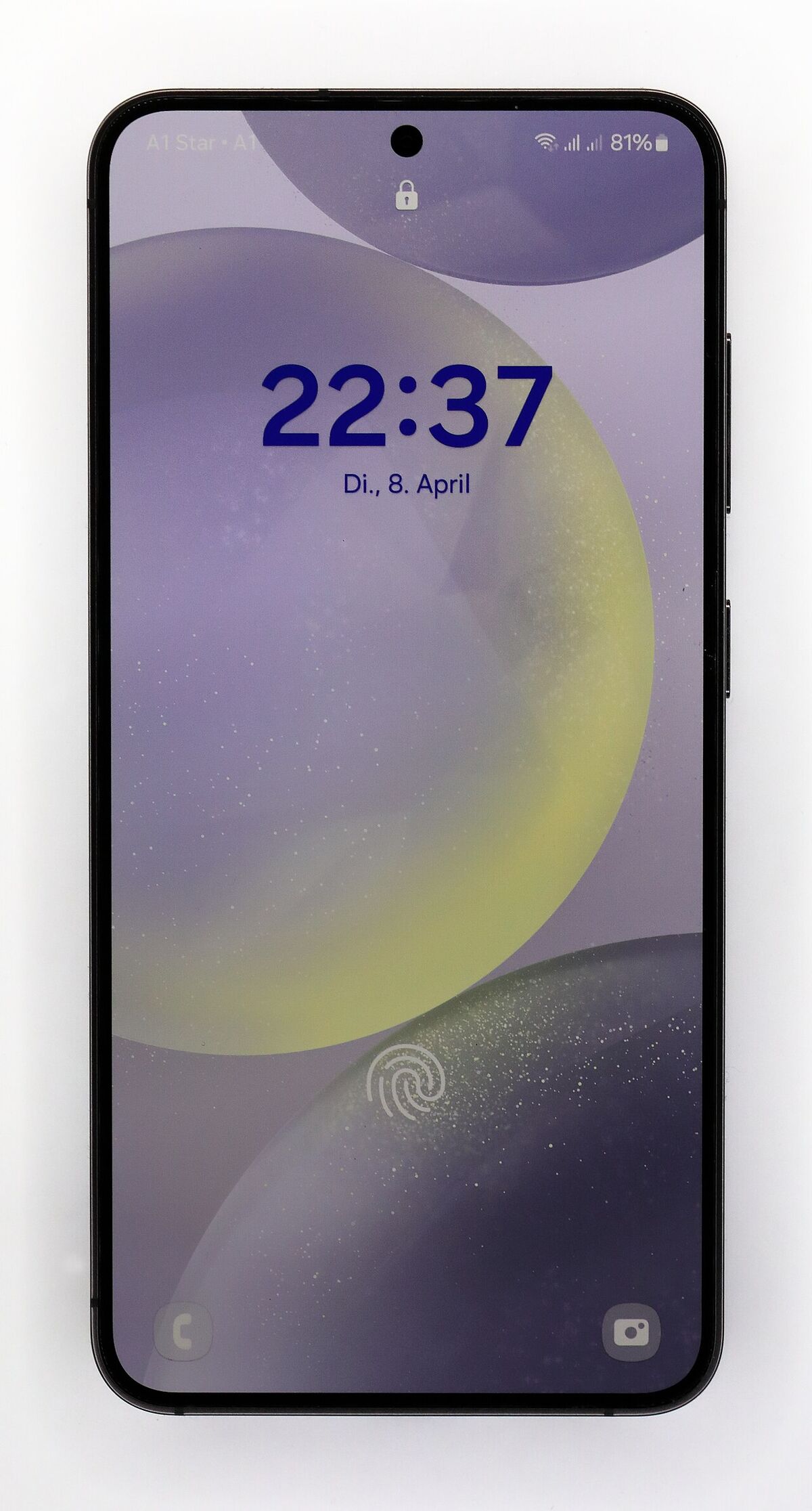
A daily eVTOL commute starts at a designated neighborhood vertiport, essentially a modernized helipad retrofitted onto the top of a repurposed parking garage. Booking happens in a phone app that looks exactly like any ride-sharing app you're already used to: you reserve a seat on a flight heading to a downtown transit hub, ideally a few blocks from your office.
When the aircraft arrives, it's startlingly quiet. If you're expecting the deafening roar of a traditional helicopter, you'll be surprised. The multiple electric rotors produce more of a pronounced, high-pitched hum—almost like a massive drone. You can have a normal conversation on the boarding platform without shouting.
The cabin holds four passengers and the pilot. The seats are comfortable, similar to a premium economy airline seat, with massive windows that wrap around the sides and floor. There is no runway taxiing; the aircraft lifts straight up smoothly and accelerates forward. Within seconds, you can be looking down at the freeway interchange where cars sit stuck behind brake lights.
Is an eVTOL commute worth the time and cost?
For a long, congested drive, it can be, because the biggest change is the time saved. The flight itself is far shorter than the same trip by car, and even with a short walk to the vertiport and a quick biometric security check, a commute that once took over an hour can shrink considerably.
Cost is the question everyone asks. When these services first launched, they were priced as luxury experiences. With the current subscription model, commuters pay a flat monthly rate for access, which is surprisingly accessible. Once you factor in the gas you're no longer buying, the wear and tear on your car, and the downtown parking fees you avoid, the eVTOL subscription can come out only slightly more expensive than driving.
In my view, buying back a large chunk of every day is easily worth that slight premium. That time can go to reading or sleeping in, and arriving at the office without the stress of navigating aggressive drivers.
What are the drawbacks of commuting by air taxi?
The two main drawbacks are weather and luggage. Unlike a train or a car, if the sky is angry, you aren't flying: severe thunderstorms can ground the service entirely, so you still need a backup way to get to work on those days.
Luggage capacity is also strictly limited. You are allowed a standard laptop backpack and a small carry-on item. If you need to transport large boxes, equipment, or an oversized gym bag, you're going to have a problem. The weight distribution in these lightweight electric aircraft is carefully managed.
What is the future of eVTOL commuting?
eVTOL commuting is at the very beginning of a massive infrastructure change. Right now, the routes are point-to-point between major hubs. But as battery density improves and fully autonomous flights (currently in heavy testing) become the norm, the cost will drop further, and the routes will become hyper-localized.
Commuting by eVTOL isn't just a fun gimmick for tech enthusiasts anymore. It is a highly practical, stress-reducing alternative to ground traffic. If you live in a city where this service is rolling out, I'd recommend booking just one flight to experience it. You might find yourself dreading the freeway the very next day.