The Shocking Truth About Your Electricity Bill: What a Smart Home Energy Monitor Reveals
- Lifestyle, Technology
- Exienent
- · Updated
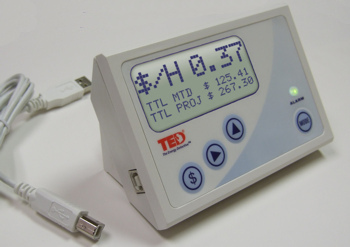
A smart home energy monitor installs in your main electrical panel and reads the electrical signature of every appliance in real time, so you can see exactly which devices are pulling power—including phantom loads from electronics that look switched off. It is most useful when your bill is unexpectedly high and you can't work out why; for casual curiosity, its $150–$300 upfront cost may be overkill.
An electricity bill can spike for no obvious reason even when you aren't running the air conditioning or haven't bought big new appliances. The usual tricks—turning off lights when leaving a room and unplugging a phone charger—often barely move the needle, because without device-level data you are flying blind about what is actually drawing power.
How Does a Smart Home Energy Monitor Work?
Unlike the little plugs you put between an outlet and a single device, a whole-home monitor clips around the main power mains in your electrical panel. Working around the breaker box requires real care; if you aren't comfortable, please hire an electrician.
Rather than just showing a big total-watts number, modern monitors use machine learning. Every appliance has a unique electrical signature: when your refrigerator's compressor kicks on, it draws power differently than a toaster heating up or a TV turning on. The monitor's AI analyzes these micro-fluctuations on the power line and attempts to identify and name individual devices.
Once it has learned your home, the companion app can show a dashboard of when your AC turned on, how much it costs to run the dishwasher, and how long an old basement dehumidifier is running.
What Are Phantom Loads?
Phantom loads (also known as vampire power) are electricity drawn by devices even when they appear to be turned off or are in standby mode. Finding them is often more valuable than tracking the big appliances you already know about.
Three common places an energy monitor can expose them:
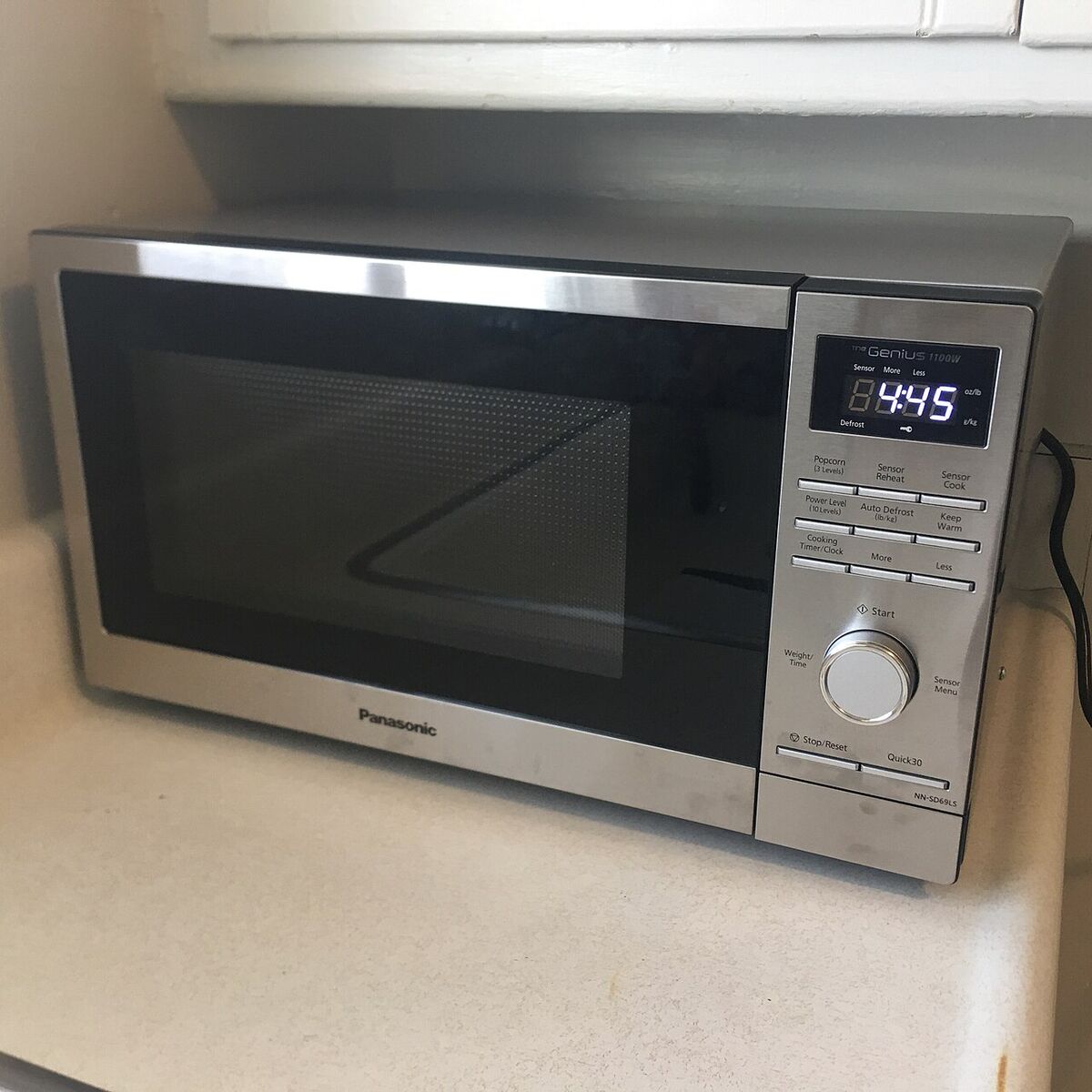
- The Entertainment Center: A TV and soundbar aren't necessarily off when the screen goes black. A smart TV maintaining its Wi-Fi connection, a soundbar in standby, and a forgotten streaming stick can together draw power around the clock, which adds up over a year for doing nothing.
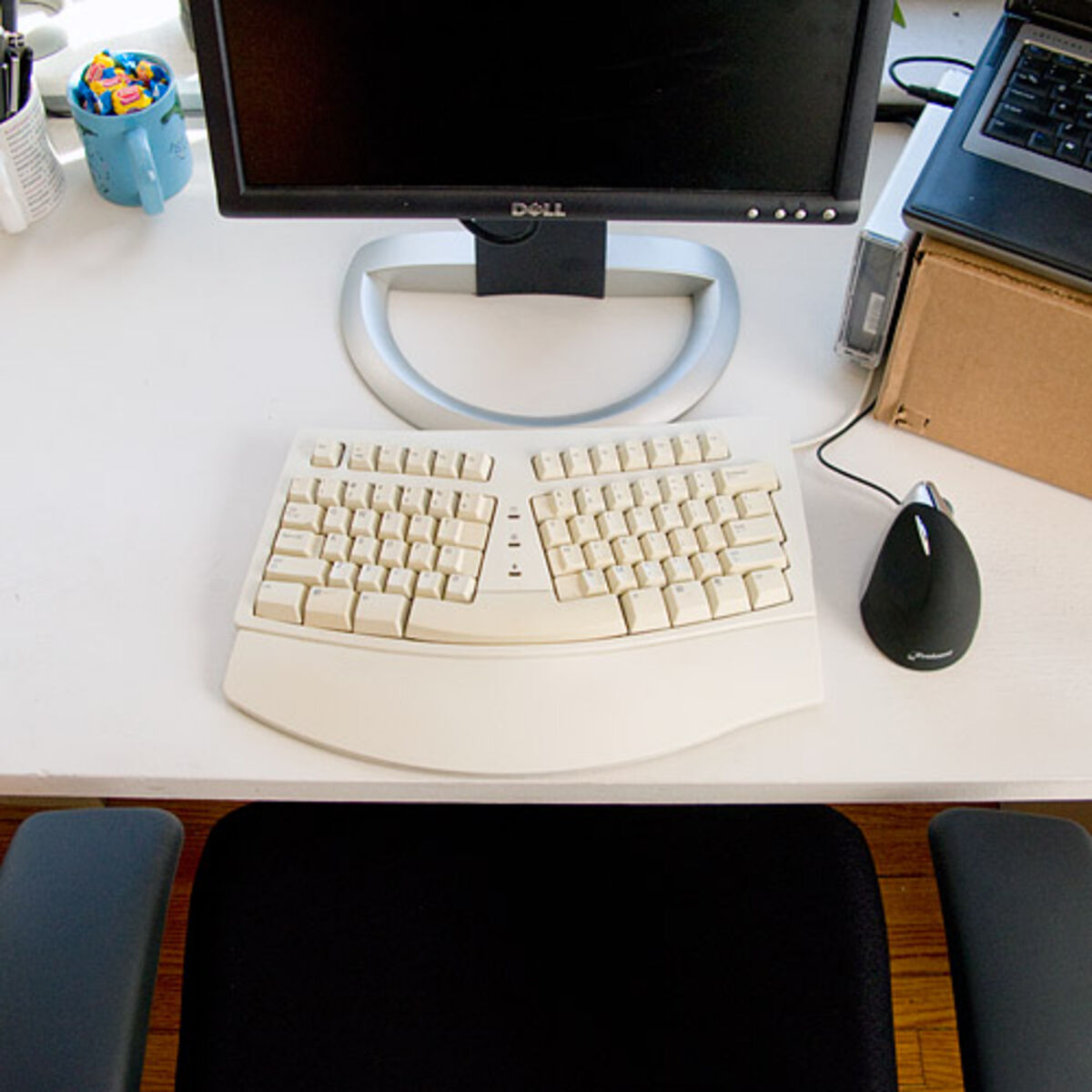
- The Desktop PC Setup: Leaving a gaming/work PC "asleep" rather than shutting it down, with several monitors on standby, can show up as a constant drain. Shutting the PC down at night can visibly lower the overnight baseline on the energy graph.
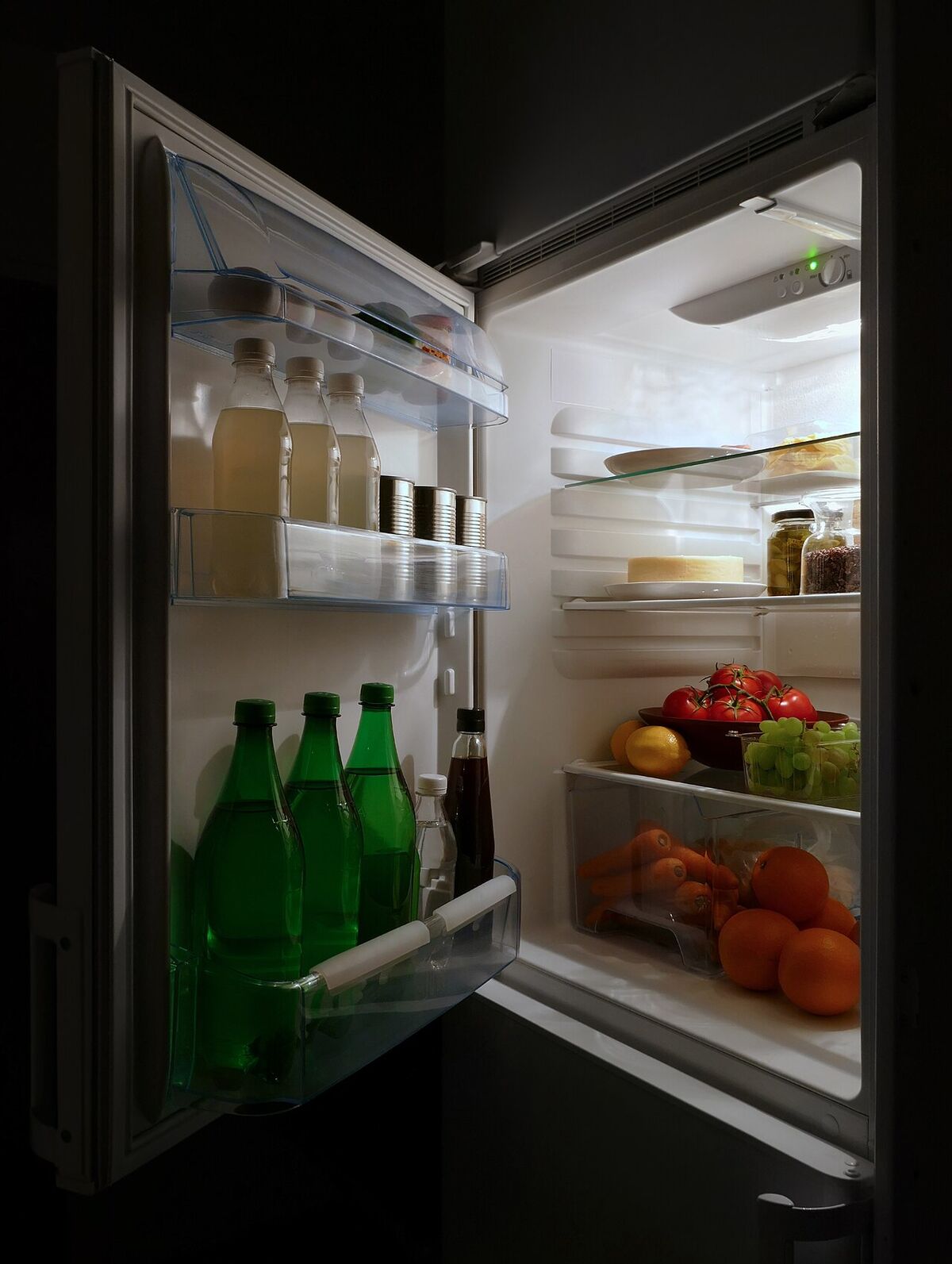
- The Old Second Fridge: An old mini-fridge kept for drinks may cycle its compressor more often than a main kitchen fridge, using a lot of power for very little cooling. Seeing its monthly cost in dollars can make the case for unplugging it and taking it to a recycling center.
Can Real-Time Energy Data Change Your Habits?
Real-time data can turn energy saving into a game. Switching on an electric kettle and watching the app's power graph spike instantly makes your home's consumption tangible.
Walking around the house turning things off just to see the graph drop turns conservation from a vague, annoying chore into an immediate feedback loop. A household can even compete to see who can get the "always-on" baseline usage lowest before bed.
Is a Smart Home Energy Monitor Worth It?
If you are just casually curious about your power bill, a whole-home energy monitor might be overkill. The upfront cost (usually between $150 and $300) means it can take months to pay for itself through any savings you find, and how much you save depends on your home and habits.
| Good fit | Probably overkill |
|---|---|
| Your bill is unexpectedly high and you can't find the cause | You are only casually curious about usage |
| You enjoy digging into data | You don't want to pay $150–$300 upfront |
But if you are a data nerd, or your electricity bill is unexpectedly high and you cannot figure out why, I think installing a smart home energy monitor is incredibly empowering. It takes the mystery out of your utility bill, and identifying phantom loads and changing a few small habits may lower what you pay. Now, excuse me while I go check if I left a light on upstairs.