The Rise of 'Sober Curious': Why Evening Wine Is Giving Way to Elaborate Mocktails in 2026
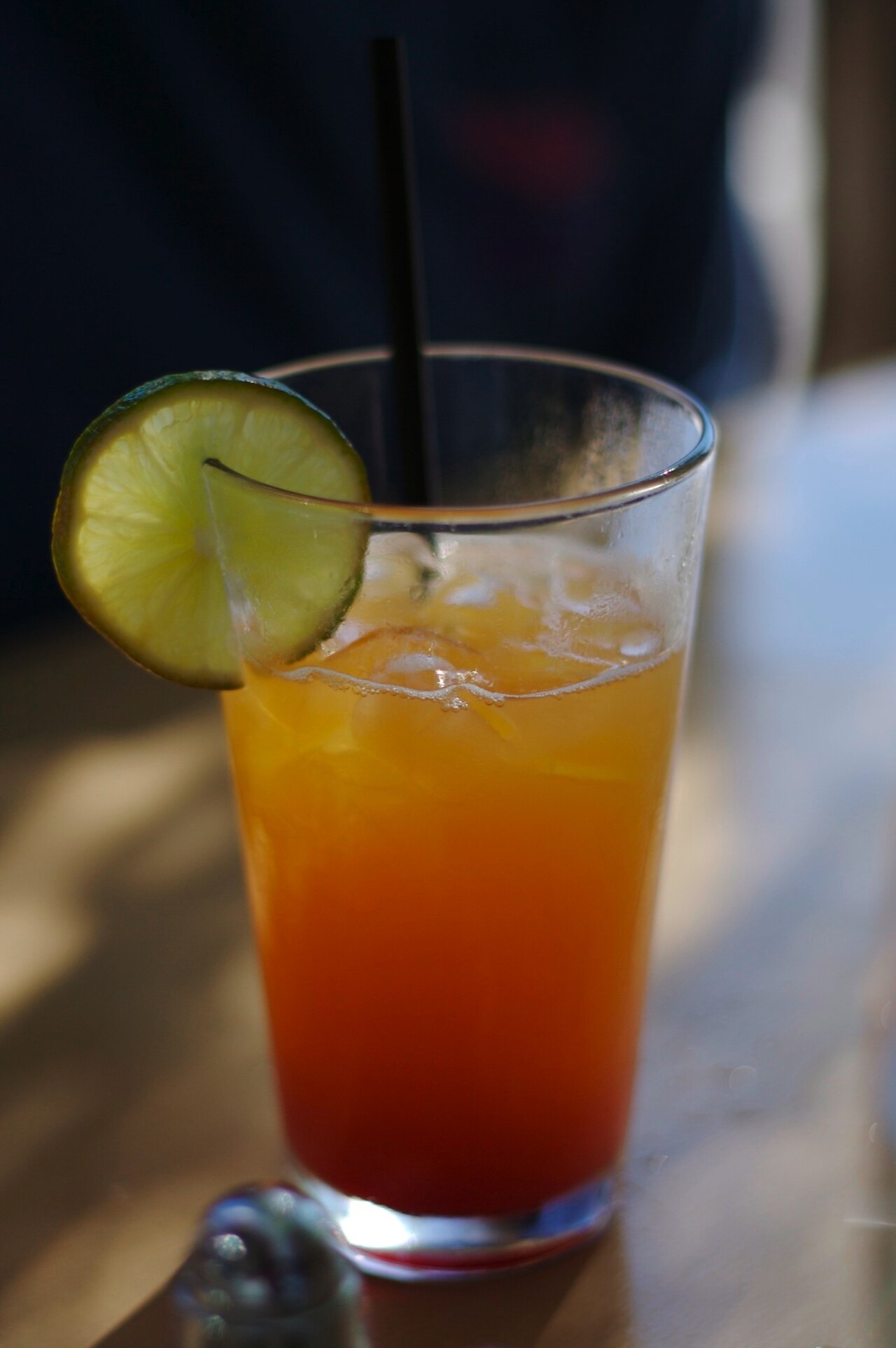
Being "sober curious" means questioning your relationship with alcohol rather than swearing it off for life, and the trend has real numbers behind it: Gallup found that only 54% of US adults said they drink in 2025, the lowest in its records, and for the first time a majority said even moderate drinking is bad for health. Zero-proof spirits and carefully made mocktails let people keep the evening ritual of a crafted drink while leaving the alcohol out.
What does "sober curious" mean?
It means making alcohol a choice instead of a default. Being sober curious doesn't imply a drinking problem or a vow of lifelong abstinence; it's an experiment in noticing when and why you drink, and what changes when you don't.
A typical example is the after-work glass of wine. It isn't about getting drunk; it's a ritual that marks the end of the workday. The sober curious question is whether you need the alcohol for that ritual, or just the pause.
Are fewer people drinking alcohol?
Yes, at least in the US. Gallup's annual consumption survey shows a steady drop:
| Year | US adults who say they drink |
|---|---|
| 2023 | 62% |
| 2024 | 58% |
| 2025 | 54% (record low) |
Source: Gallup, 2025. Among adults aged 18 to 34, half said they drink, down from 59% in 2023, and about two-thirds of that age group said moderate drinking is harmful.
Does an evening drink really help you unwind?
Not in the way it seems. Alcohol can make you feel relaxed, but it disrupts sleep later in the night. A 2013 sleep-lab study in Alcoholism: Clinical and Experimental Research found that alcohol suppressed REM sleep in the first half of the night and increased wakefulness and lowered sleep efficiency in the second half.
In other words, the relaxation in the evening can come at the cost of worse sleep and a foggier next morning.
What is driving the zero-proof drinks trend?
The alternatives have improved. Non-alcoholic spirits now imitate the bitterness and botanicals of gin, whiskey or amaro, so a zero-proof drink can be more than soda with a slice of lemon.
A replacement ritual might look like this:
- Fill a heavy tumbler with a large ice cube.
- Add a measure of a smoky non-alcoholic spirit and a dash of citrus bitters.
- Top with tonic and garnish with a sprig of rosemary.
It takes a little effort and looks like a proper drink, which is the point: it satisfies the ritual without the ethanol. Note that some "non-alcoholic" products contain small traces of alcohol, so check the label if you need to avoid it completely.
What is a "functional" or "nootropic" mocktail?
It's a zero-proof drink with added ingredients marketed for mood or focus, such as ashwagandha, L-theanine or lion's mane mushroom. The evidence for these is mixed. The US National Center for Complementary and Integrative Health says some ashwagandha preparations may help with stress and insomnia, but evidence on anxiety is unclear, rare cases of liver injury have been reported, it should be avoided in pregnancy, and it isn't recommended for people with thyroid disorders.
Treat functional mocktails as a nice drink, not a treatment, and check with a doctor if you take medication.
Is going sober curious worth trying?
It's an easy experiment because it doesn't have to be all or nothing. Try a few alcohol-free evenings a week, keep the ritual with a well-made zero-proof drink, and notice how you sleep and feel the next day. If you're worried about how much you drink, or about anxiety or sleep, talk to a health professional.
For more on exercise and the body, Anti-Skincare Trend: Why Doing Less Can Help Skin and Quitting Coffee for Matcha: Energy and Focus pick up where this leaves off.