Replacing a Bedroom Window with a Transparent OLED Smart Screen
- Hardware, Smart Home, Lifestyle, Technology
- Exienent
- · Updated
A transparent OLED smart window replaces ordinary glass with a see-through display that can overlay digital scenery on the real view and, with an active noise-canceling frame, damp street noise. It is most compelling in dense city apartments with a poor view and constant traffic noise; its weaknesses are washout in direct sunlight, the risk of software glitches in a structural part of your home, delicate cleaning, and a very high price.
Who Is a Transparent OLED Window For?
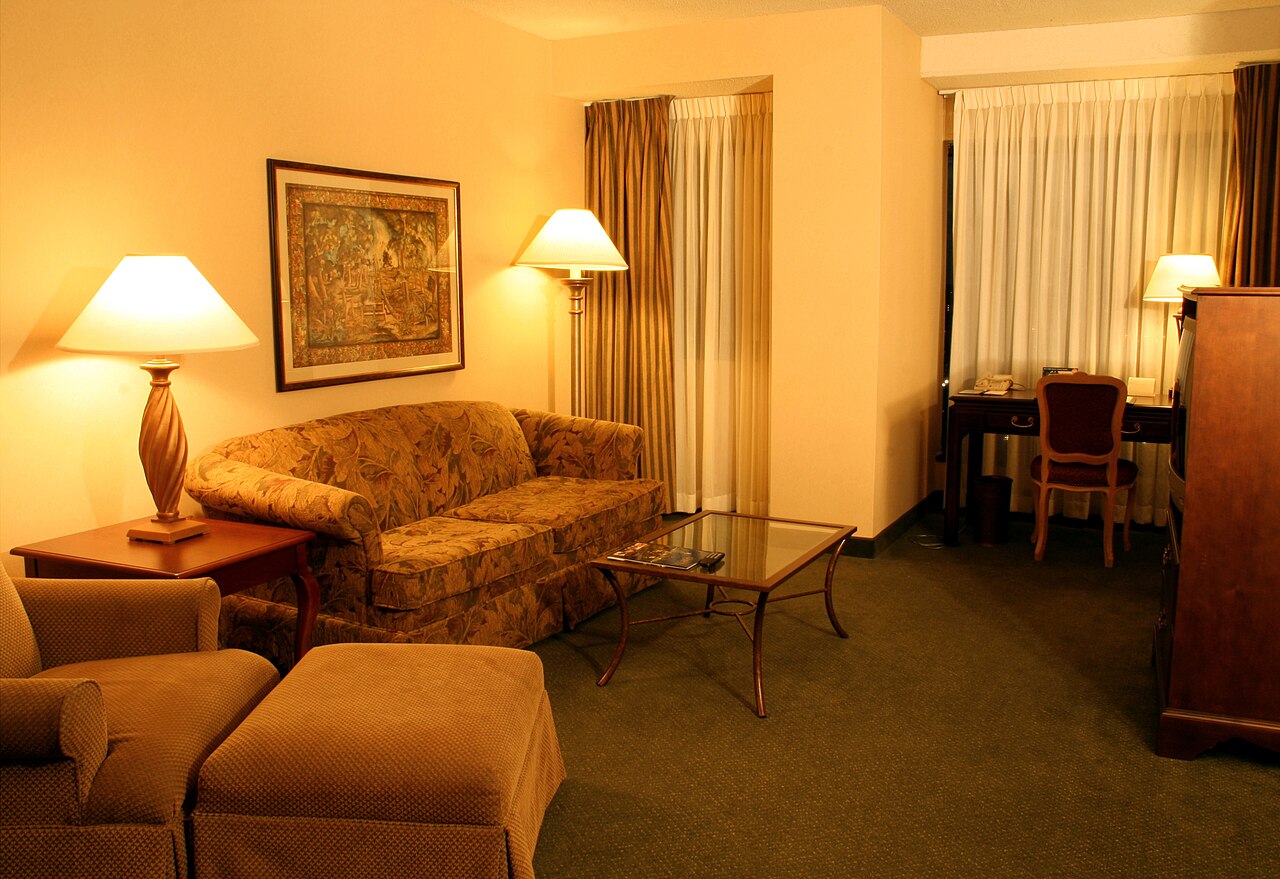
The clearest case is a busy city apartment where the bedroom window faces a dull brick wall of the adjacent building and the hum of traffic and sirens echoes up from the street. In that situation, people often keep the blinds drawn just to maintain a shred of privacy and sanity, effectively living in a dimly lit cave.
The Transparent OLED Smart Window has been gaining traction in high-end 2026 smart home builds as a radical alternative to acoustic paneling. It promises to address noise, cover an unappealing view, and act as a massive digital canvas.
The upgrade described here is a standard double-pane window ripped out and replaced with a 55-inch transparent smart glass panel. Below is what living with this kind of sci-fi centerpiece involves, how the tech holds up, and whether it is worth considering.
What Is a Transparent OLED Window?
Unlike a standard TV screen, a Transparent OLED panel doesn't have a solid backlight. The pixels themselves emit light, and when they are turned off, the glass is essentially clear (the model described here has about a 40% transparency rate).
It looks and functions just like a normal window, letting in natural sunlight during the day. But the moment you turn it on, vibrant graphics are overlaid directly onto the real-world view outside.
It runs a customized smart home operating system, heavily integrated with standard voice assistants. The standout feature of this setup, however, is the acoustic glass layering. The installation includes a specialized active noise-canceling frame that emits counter-frequencies to dampen outside street noise.
What Are the Benefits of a Transparent OLED Window?
Replacing a structural element of your home with a giant piece of technology feels risky, but the potential benefits are substantial.
- Customizing Reality: The most obvious benefit is the sheer visual impact. With a brick wall as the real view, you can run a high-resolution, subtly animated background of a dense forest or a rainy cyberpunk cityscape. It can drastically change the mood of the room. The contrast is sharp enough to feel immersive, yet the transparency keeps the room from feeling claustrophobic.
- A Different Morning Routine: Instead of reaching for your phone to check the weather or your calendar, the information can glow softly in the corner of the window. A routine can be programmed so the window slowly transitions from 100% opaque (acting as a blackout curtain) to fully transparent over 30 minutes, mimicking a natural sunrise, with the daily agenda hovering in the air.
- Quieter Nights: The acoustic dampening technology is the unsung hero. While the digital visuals are flashy, a window that actively cancels the low-frequency drone of city traffic can make a bedroom noticeably quieter than standard double-pane glass, which may help some people sleep better.
What Are the Downsides?
As impressive as the technology is, living with a massive screen as your primary source of natural light comes with a few harsh realities.
- Direct Sunlight is the Enemy: Transparent OLEDs look phenomenal at night or on cloudy days. However, when direct afternoon sunlight hits the glass, the digital image washes out completely. You can barely see the UI elements. If you plan on installing one in a south-facing room, be prepared for it to just be a normal, slightly tinted window for half the day.
- Software Glitches in the Wall: A smart TV crashing is annoying. A smart window crashing is deeply unsettling. The operating system can freeze while the window is in "opaque" mode, leaving you in a dark room until you climb up and hard-reset the power unit hidden in the frame.
- The Smudge Factor: It is still a window, which means it gets dirty. But cleaning it is nerve-racking. Using standard harsh glass cleaners can damage the outer protective coating of the OLED panel, so specialized microfiber cloths and distilled water are needed, and because the panel is highly reflective, every single smudge or dust particle is agonizingly visible.
Is a Transparent OLED Window Worth the Price?
It depends on your view and your budget. There is no getting around it: this is an incredibly expensive piece of luxury hardware. Between the custom glass pane, the specialized framing, and the professional installation, the total cost is substantial.
If you already have a beautiful view of a lake or a park, putting a digital overlay on top of it is probably a waste of money. But if you live in a dense urban environment where your view is compromised and the noise is relentless, a Transparent OLED Smart Window is more than a gimmick. It can be a real quality-of-life upgrade that redefines the atmosphere of a room and turns the most depressing wall in an apartment into its most striking feature.