Why does rain smell so good? The hidden science behind the scent of rain
- Environment, Lifestyle
- 27 Sep, 2026
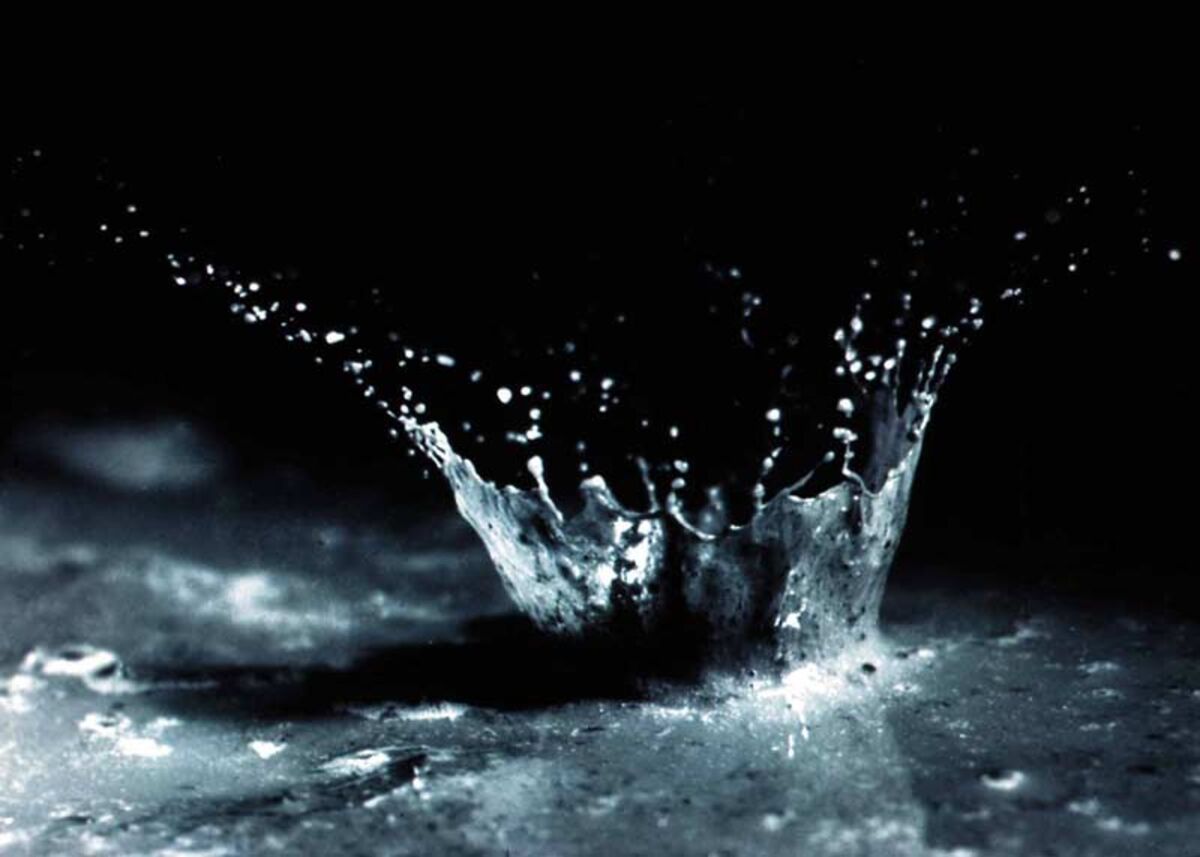
We have all experienced it. You are walking outside on a hot, dry summer afternoon. Suddenly, the sky darkens, and the first few heavy drops of rain begin to hit the pavement and the dry dirt. Immediately, before the ground is even fully wet, you are hit with it—that incredibly distinct, earthy, fresh smell.
I have always loved that smell. For a long time, I just assumed water itself somehow smelled different when it hit hot concrete. But recently, I learned that this scent actually has a scientific name, and the chemistry behind why it happens (and why humans love it so much) is absolutely fascinating.
The Origin of Petrichor
That magical scent of rain on dry earth is called petrichor. The term was coined back in 1964 by two Australian scientists, Isabel Bear and Richard Thomas. They created the word by combining two Greek words: petra (meaning stone) and ichor (the mythical ethereal blood of the gods).
But petrichor isn't just one single thing. It is actually a complex chemical cocktail that gets released into the air when water hits dry soil.
The Role of Plant Oils and Bacteria
So, where exactly does the smell come from? During long dry spells, certain plants secrete specific oils to protect themselves and stop seeds from germinating in harsh conditions. These oils slowly accumulate in dry rocks and soil.
At the same time, a very common type of soil-dwelling bacteria called Actinomycetes goes to work. As these bacteria decompose organic matter in the earth, they produce a chemical byproduct called geosmin. Geosmin has an incredibly potent, earthy aroma.
When the first raindrops hit the porous soil, they trap tiny air bubbles. These bubbles then shoot upward, bursting out of the water drop like microscopic aerosol sprays. This rapid action forcefully ejects the accumulated plant oils and the geosmin right into the air we breathe.
Why Humans Love the Scent of Rain
Here is the most interesting part: humans are unbelievably sensitive to geosmin. In fact, our noses can detect it at concentrations as low as a few parts per trillion. To put that in perspective, a shark's ability to smell blood in the water is roughly on the same level.
But why are we so hyper-sensitive to this specific earthy smell? Many evolutionary anthropologists believe it goes back to our ancient ancestors. For early hunter-gatherers, survival depended heavily on finding water. The ability to smell approaching rain from miles away, or to sniff out a damp oasis in a dry landscape, meant the difference between life and death.
Our brains are literally hardwired to associate the smell of petrichor with life, plant growth, and the end of a dangerous drought.
Does All Rain Smell the Same?
Have you ever noticed that a light drizzle after a long drought smells much stronger than a massive downpour that lasts for days?
That is because light to moderate rain creates the perfect conditions for those microscopic aerosol bubbles to form and burst. A torrential downpour, on the other hand, quickly saturates the ground, preventing the aerosols from escaping and essentially washing away the oils and geosmin before they can become airborne.
Furthermore, the smell can change depending on your location. The petrichor in a dense forest, heavily influenced by pine and decomposing leaves, will smell slightly different from the petrichor hitting the hot asphalt of a city street, which mixes with ozone created by lightning.
Next time you catch that amazing earthy scent just before a storm, take a deep breath. You are not just smelling wet dirt; you are smelling ancient bacteria, protective plant oils, and a survival instinct that has been baked into human DNA for thousands of years.