Can an AI Data Center Cut Your Heating Bill? Data Center District Heating (2026)
- Environment, Technology, Lifestyle, Smart Home
- Exienent
- · Updated
Data center district heating captures the waste heat from AI servers and pipes it into nearby homes, turning one of the tech industry's biggest headaches into a neighborhood heat source. For residents close enough to connect, it can mean steady warmth, plentiful hot water, and potentially much lower heating bills.
You’ve probably read the articles about how every prompt you send to an AI model consumes a massive amount of electricity and generates intense heat. The dawn of the AI era meant building thousands of hyper-scale data centers worldwide, and cooling these giant machines became a major problem.
In 2026, some developers are flipping the script. When a massive cloud data center goes up near a residential area, local residents can push back, worried about fan noise and heavy power lines. One answer is to offer a perk: connect the surrounding neighborhood to a Data Center District Heating system, subsidized by the tech company.
Can the exhaust heat from supercomputers actually keep a family warm during a blizzard? Here is how it works, what it can offer, and where it falls short.
How Does Data Center District Heating Work?
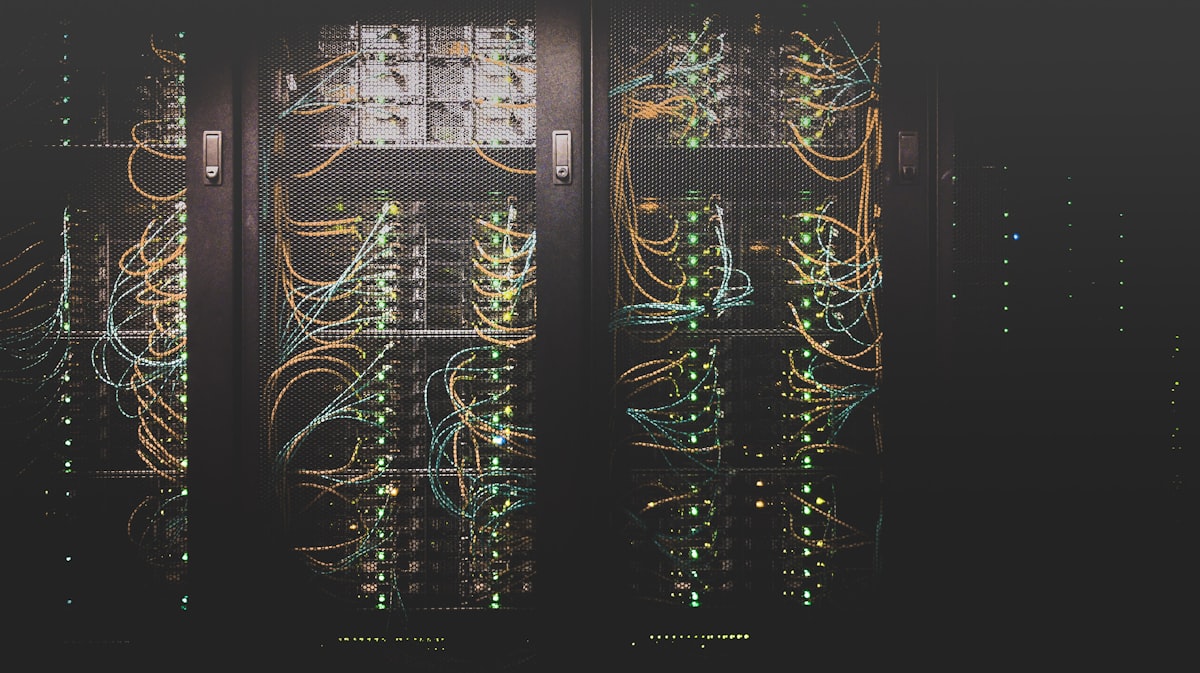
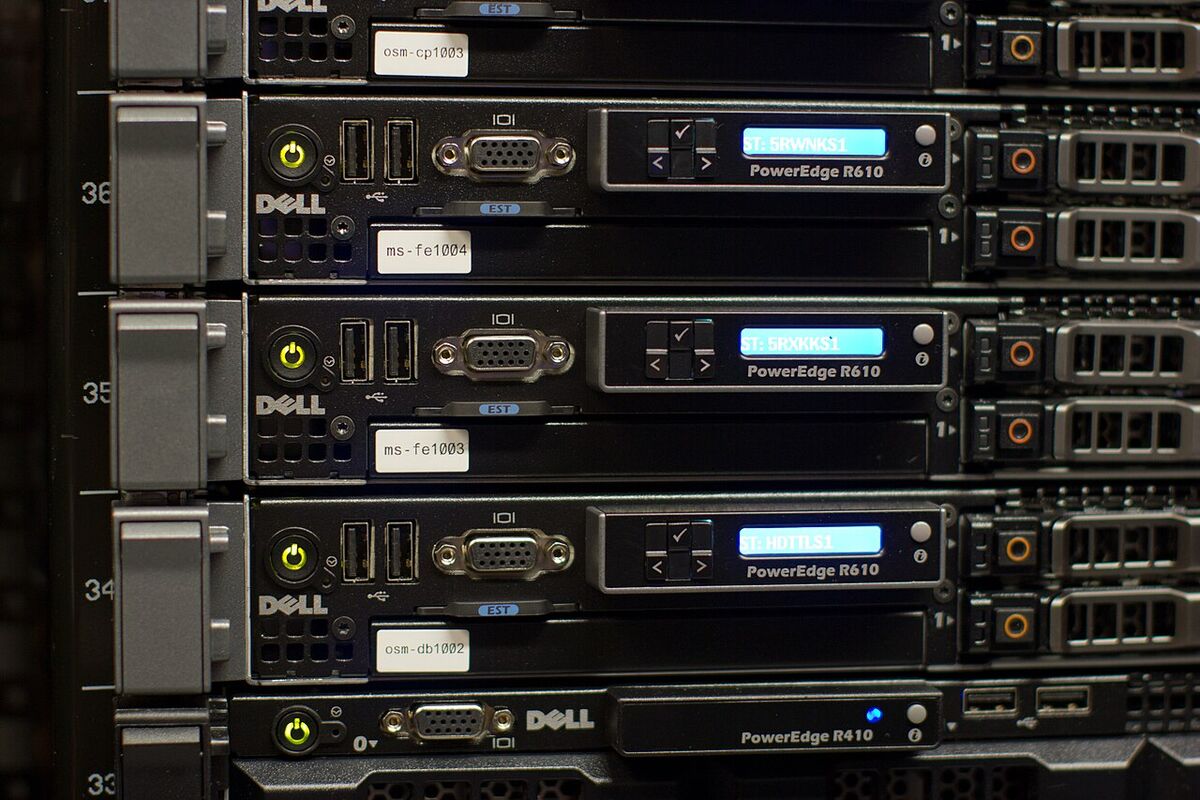
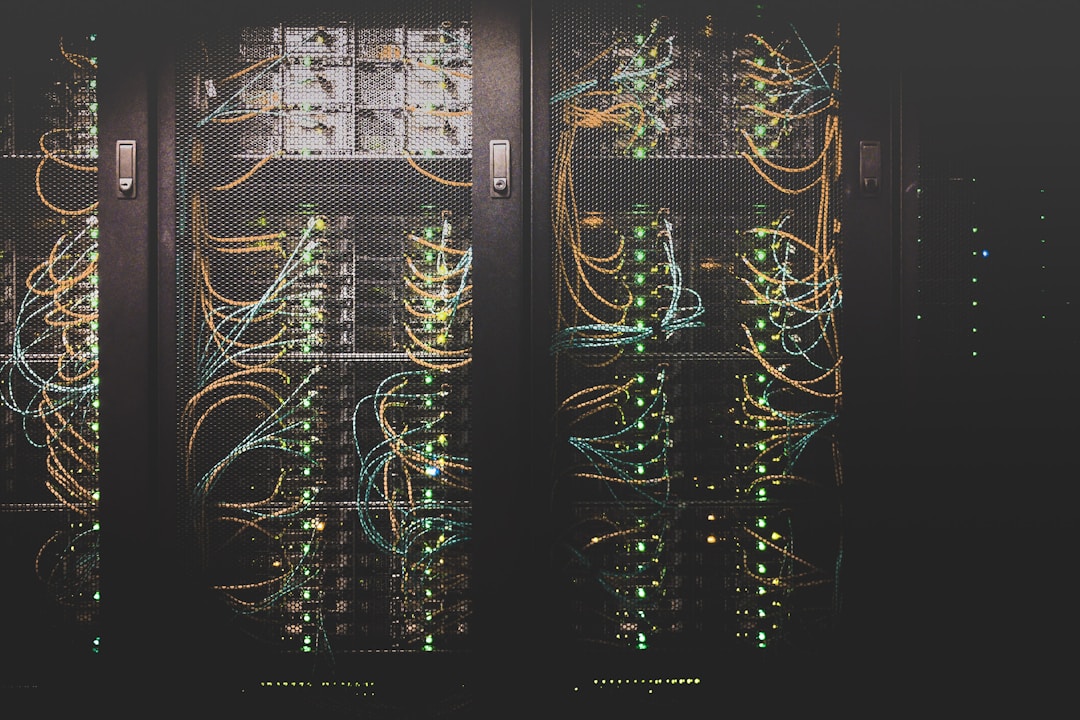
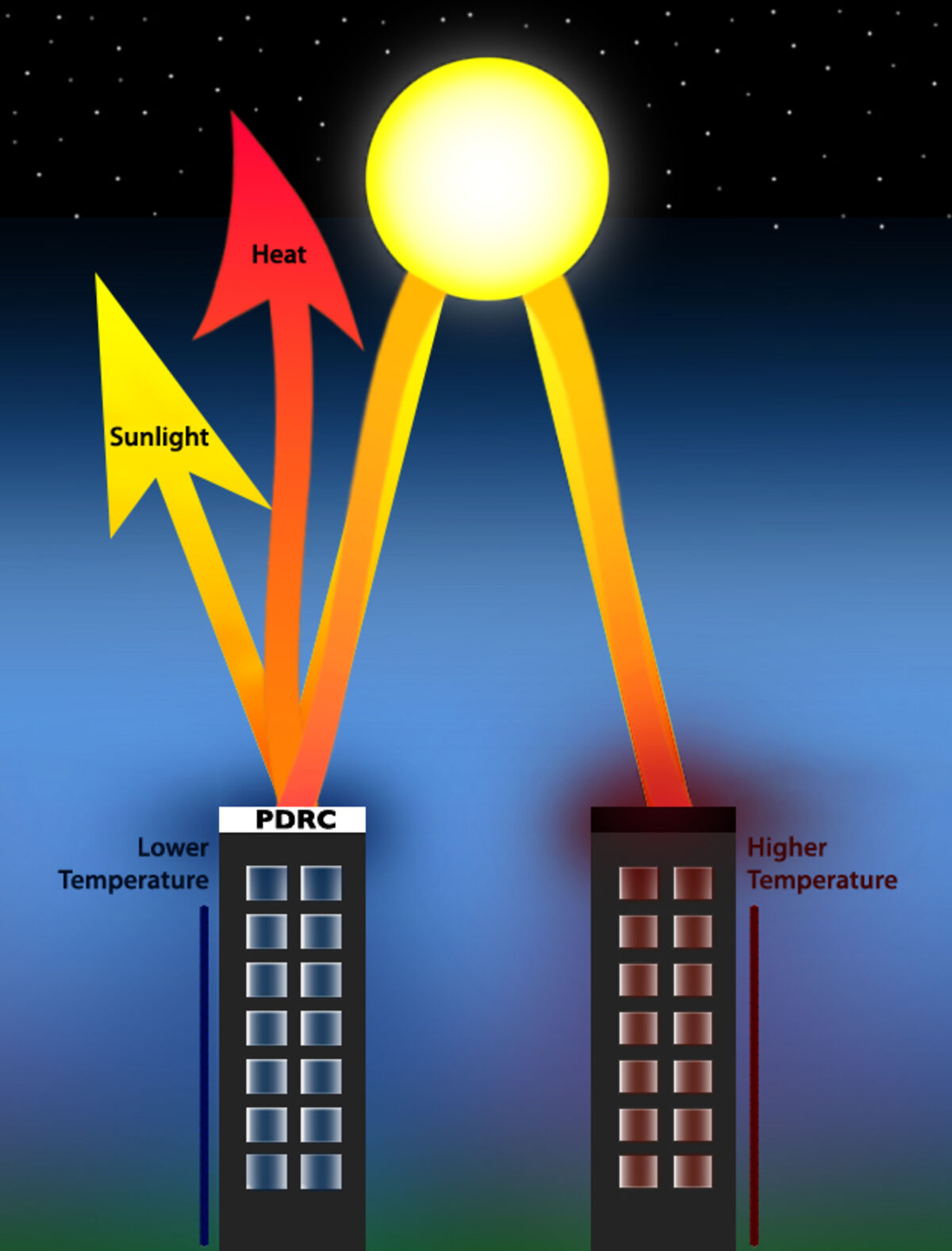
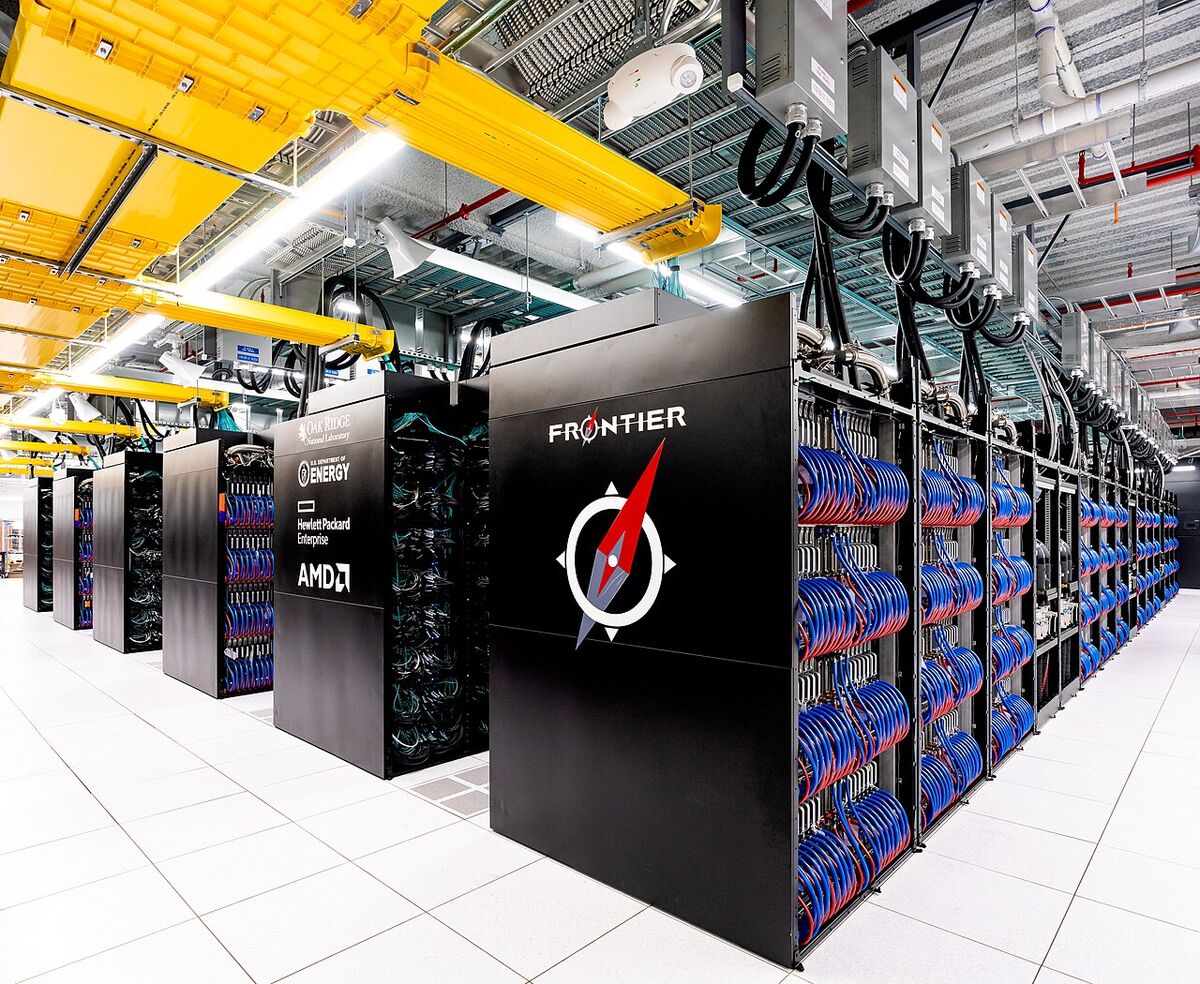
Data center district heating works by moving server heat into a water loop that feeds homes. Inside a data center, tens of thousands of server racks run 24/7, generating extreme heat as they process AI models. Traditionally, operators would blast air conditioning and vent that hot air straight into the sky.
A district heating system works differently. The hot liquid coolant used to keep the servers from melting down is piped through massive heat exchangers. This transfers the heat to a closed-loop water system that runs under the streets and into apartment radiators. Simply put: the harder Google or Microsoft’s AI works on deep learning, the toastier the living room floors nearby can get.
Can Server Heat Lower Your Energy Bill?
Server heat can lower heating costs, because the heat itself is essentially a free byproduct. It is reasonable to doubt that residual heat from computers could fight off a brutal January freeze, but the design addresses that in two ways:
- 24/7 Consistent Comfort: With a traditional gas boiler, a household may micromanage the thermostat to save money, letting the house get chilly during work hours or overnight. Because a data center generates heat constantly, a connected apartment can stay at a steady temperature around the clock, making cold mornings far easier.
- Lower Costs: Residents may only pay the electrical cost of running the circulation pumps in their building, rather than paying for the heat. Actual savings depend on the local operator, pricing, and how the system is subsidized.
Does District Heating Provide Hot Water Too?
District heating can also pre-heat the domestic hot water supply, not just warm the floors. Because the server heat is constant, a building's hot water tanks can stay fully charged.
That can solve the classic family problem where, if three people shower in a row, the last person gets stuck with lukewarm water. With a steady heat source, back-to-back hot showers become possible without the temperature dropping, which can feel like living in a luxury spa.
What Are the Drawbacks of Data Center Heating?
The main drawbacks are distance and what happens to the excess heat in summer.
- The Proximity Problem: To benefit from this technology, you have to live very close to the data center (usually within a 2-mile radius). If the pipes have to travel too far, the heat dissipates into the ground before it reaches your home. It’s a hyper-local perk.
- Summer Heat Rejection: In the dead of winter, this system is a godsend. But during a sweltering heatwave in August, hot water for showers uses only a fraction of the heat, and the vast majority of the server heat has to be expelled through massive cooling towers on the roof of the data center. On quiet summer nights with the windows open, a low-frequency hum from those fans can be audible. It isn't necessarily a dealbreaker, but it can be noticeable.
Is This the Future of the Green City?
I think data centers are evolving from mere storage warehouses into the green boilers of the modern city. A new data center in a neighborhood is easy to dismiss as an ugly concrete block eating up electricity.
Waste heat recovery changes that picture. The energy consumed by the AI services we use daily can feel like a reason for guilt; putting that waste energy to work keeping families warm can help cut the carbon footprint of both the data center and the homes it heats.
If you ever have the chance to move into a district with this technology, it is worth a serious look.