Deep Sea Mining: Are We Destroying the Oceans for EV Batteries?
- Environment, Technology
- Exienent
- · Updated
Deep sea mining pulls battery metals from the ocean floor to feed the boom in electric vehicles and green technology, and it is rapidly becoming one of the most fiercely debated environmental and technological issues of our time. At its core, it is a classic clash between our need for clean energy and our responsibility to protect the planet.
Have you ever stopped to wonder exactly where the materials for your smartphone battery or your electric vehicle actually come from? For a long time, the answer was terrestrial mines. But as the demand for green technology has skyrocketed in 2026, companies are looking in a very different direction: straight down into the deep ocean.
What Are Deep Sea Miners Looking For?
The target of all this underwater excavation isn't sunken pirate gold. It’s polymetallic nodules. These look like potato-sized lumps of rock, scattered across the deep ocean floor (sometimes miles beneath the surface).
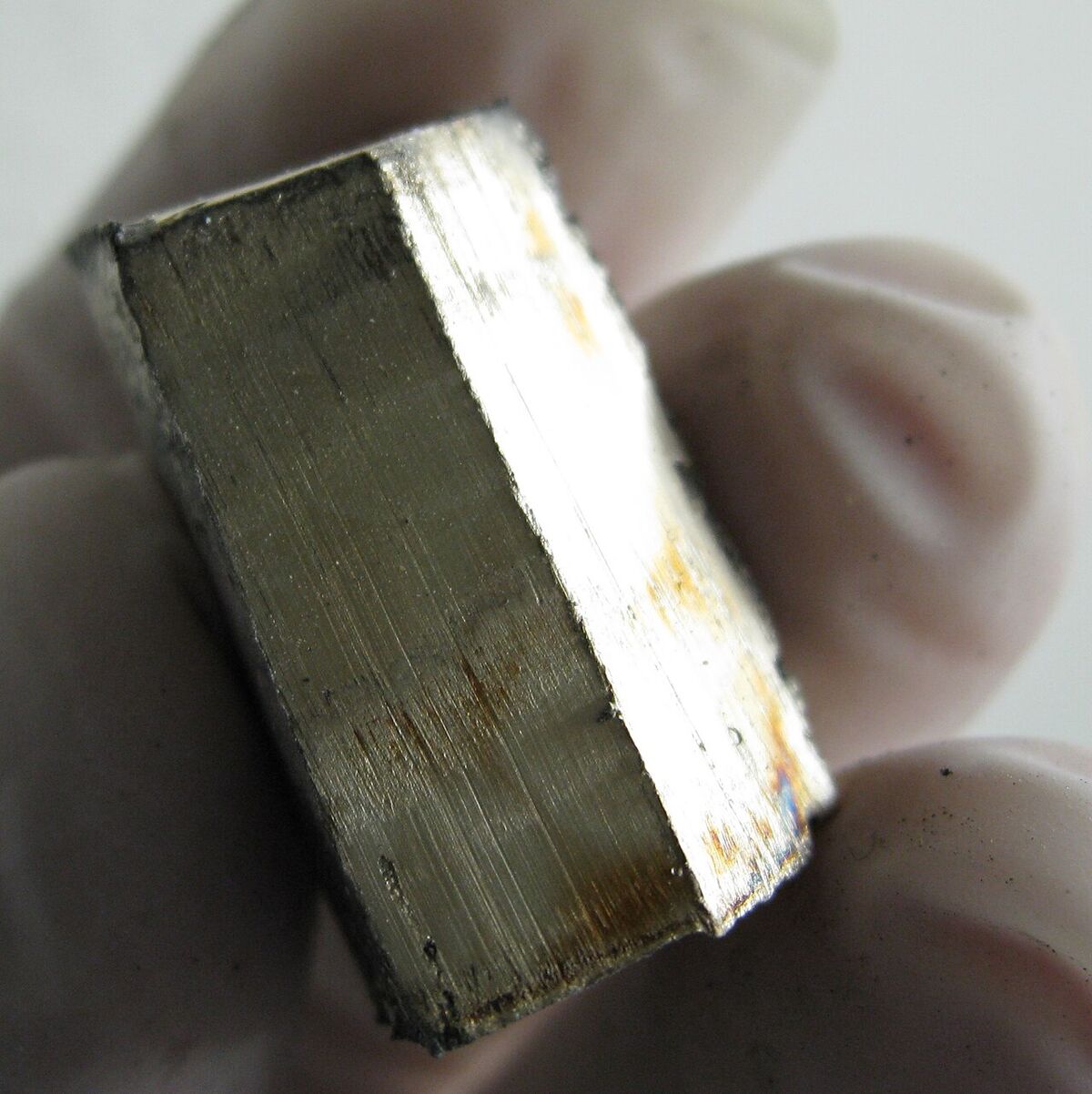
These little rocks are incredibly valuable. They are packed with high concentrations of cobalt, nickel, copper, and manganese—exactly the metals we desperately need to build the massive batteries required for EVs and grid-scale renewable energy storage. Proponents of deep sea mining argue that pulling these metals from the ocean is the only way we can scale up green technology fast enough to fight climate change.
How Does Deep Sea Mining Work?
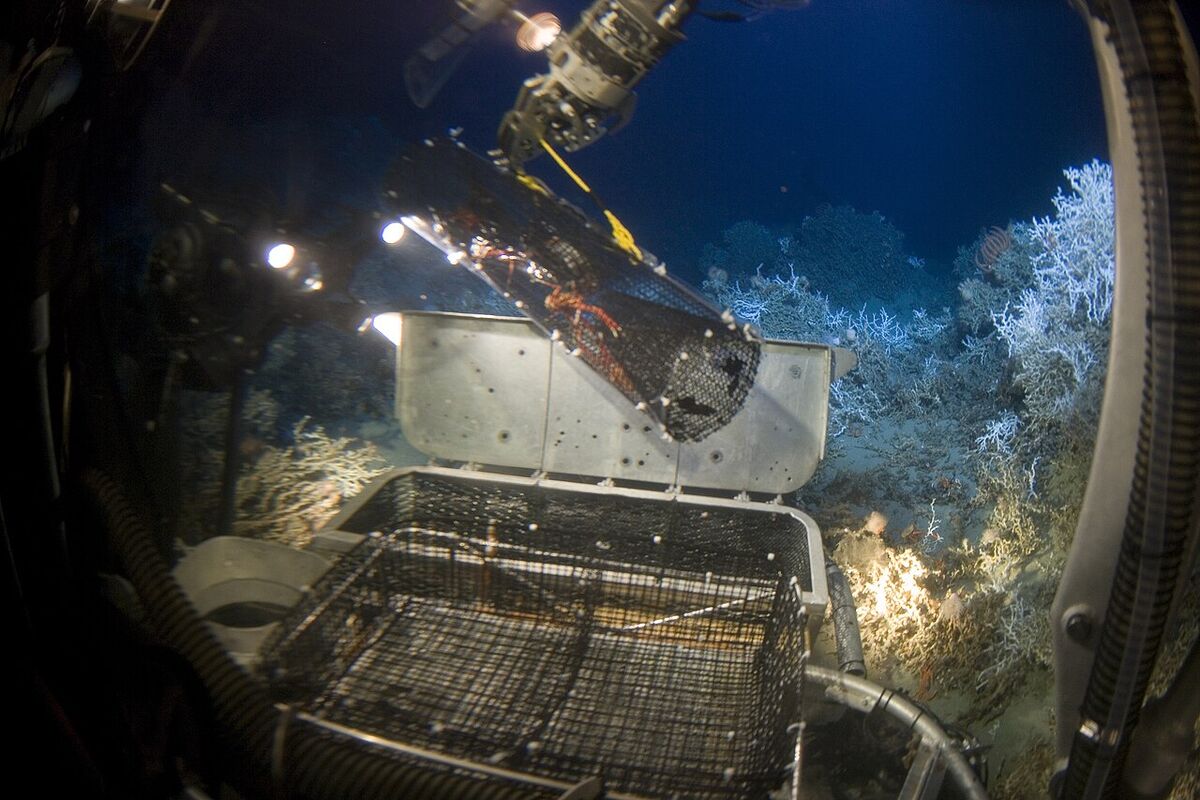
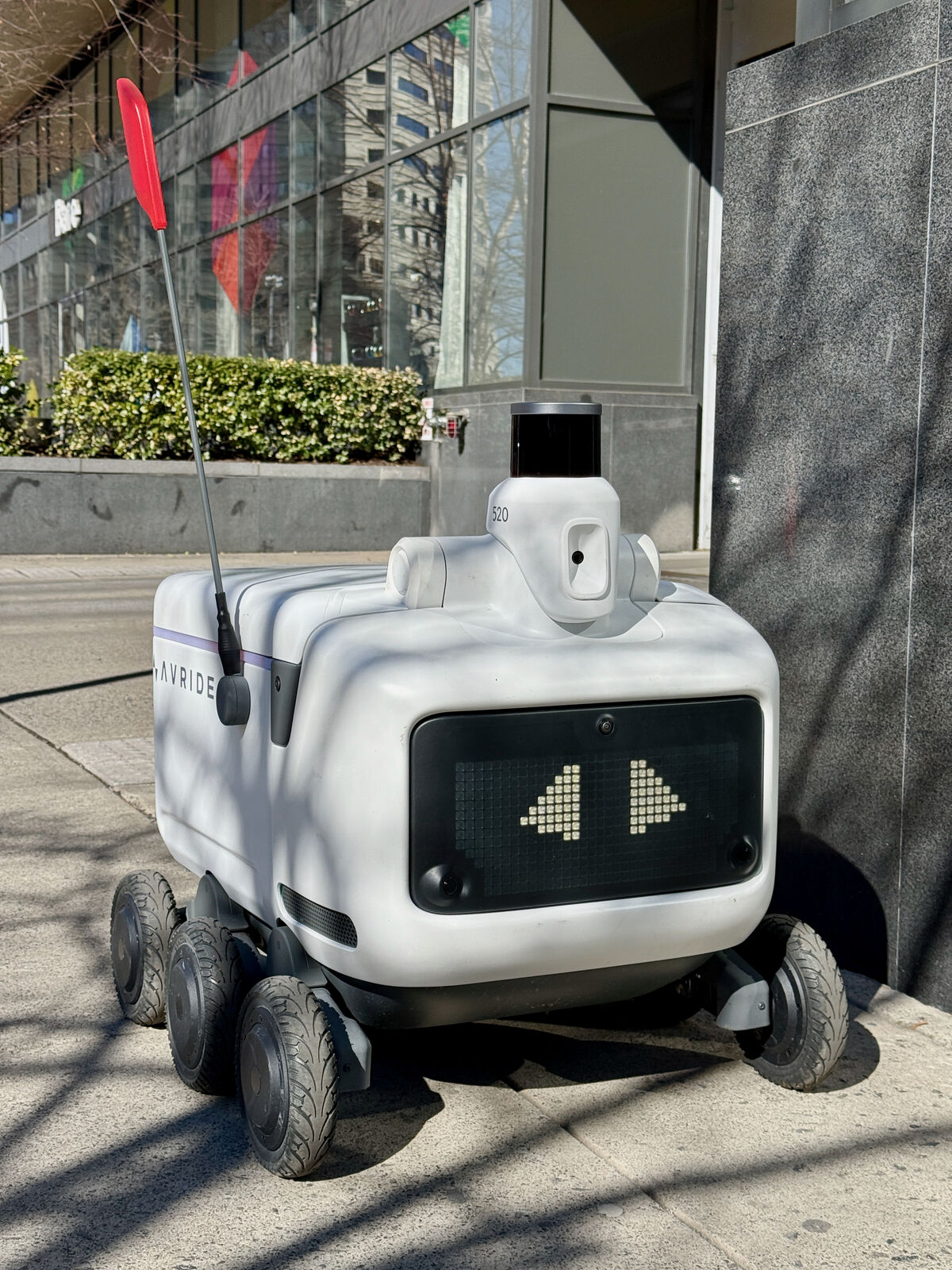
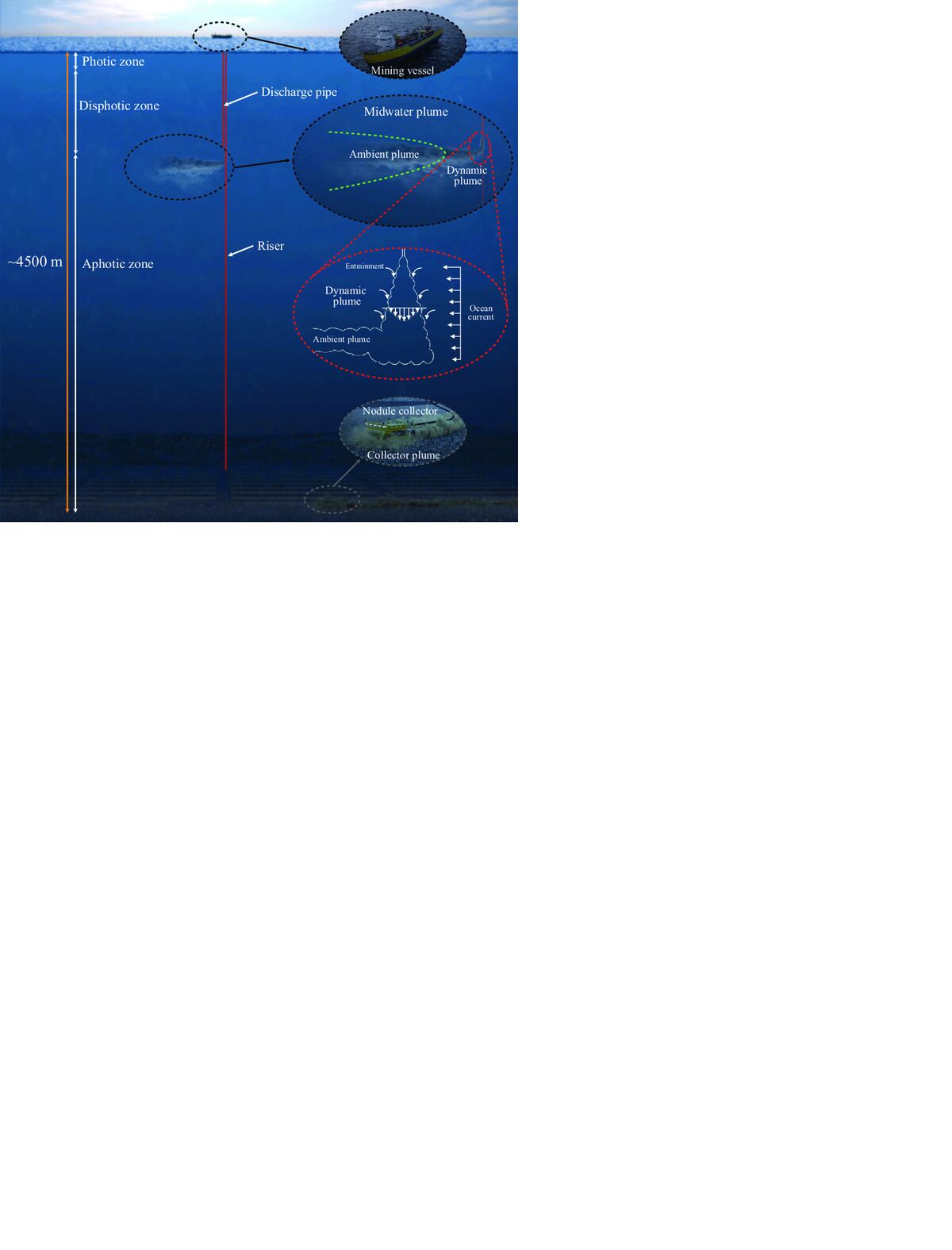
Deep sea mining works by lowering massive, remote-controlled crawler vehicles to the ocean floor. They essentially act like gigantic vacuum cleaners, sucking up the nodules, pumping them to a surface ship, and discharging the leftover sediment and water back into the ocean. The technology is as impressive as it is intimidating.
It sounds efficient, but this is where the controversy begins.
What Is the Environmental Impact of Deep Sea Mining?
The environmental impact falls on a fragile, ancient ecosystem where things grow incredibly slowly. We actually know less about the deep ocean floor than we do about the surface of the moon.
Here are the main concerns environmental scientists are raising:
- Habitat Destruction: The crawler vehicles physically crush the sea floor, destroying habitats that have existed undisturbed for millennia. The organisms living on and around those nodules are completely wiped out.
- Sediment Plumes: When the waste material is pumped back into the ocean, it creates massive underwater dust storms called sediment plumes. These plumes can drift for miles, choking marine life, blocking out the tiny amount of bioluminescent light deep sea creatures rely on, and potentially suffocating coral reefs.
- Noise Pollution: The deep ocean is naturally a very quiet place. The grinding noise of mining machinery can disrupt the communication and navigation of marine mammals like whales and dolphins across vast distances.
Should We Mine the Deep Sea for Clean Energy?
There is no easy answer, which leaves us in a really difficult spot. We need these metals to transition away from fossil fuels, which are currently causing massive damage to our climate. But in our rush to save the atmosphere, are we willing to permanently sacrifice the deep ocean?
Right now, international regulations are struggling to keep up with the technology. Some countries are pushing ahead aggressively, while others are calling for a complete moratorium on deep sea mining until we better understand the long-term impacts.
So, the next time you plug in your electric car or charge your phone, it’s worth thinking about the journey those materials took. The shift to a green economy is absolutely necessary, but as deep sea mining shows us, even "clean" energy comes with a hidden cost.