The Doctor on Your Wrist: How a Smart Biosensor Tattoo Works (2026)
- Health, Technology, Lifestyle, Wearables
- Exienent
- · Updated
A Smart Biosensor Tattoo is an ultra-thin electronic film you apply to your skin like a temporary sticker, and it wirelessly sends readings such as glucose, hydration, and stress to your smartphone. Widely hailed as the ultimate healthcare trend of 2026, it needs no charging and is barely noticeable once applied. The trade-offs are a short lifespan of about three to four weeks, possible skin irritation, and the risk of data anxiety.
Why Are People Looking Beyond Smartwatches?
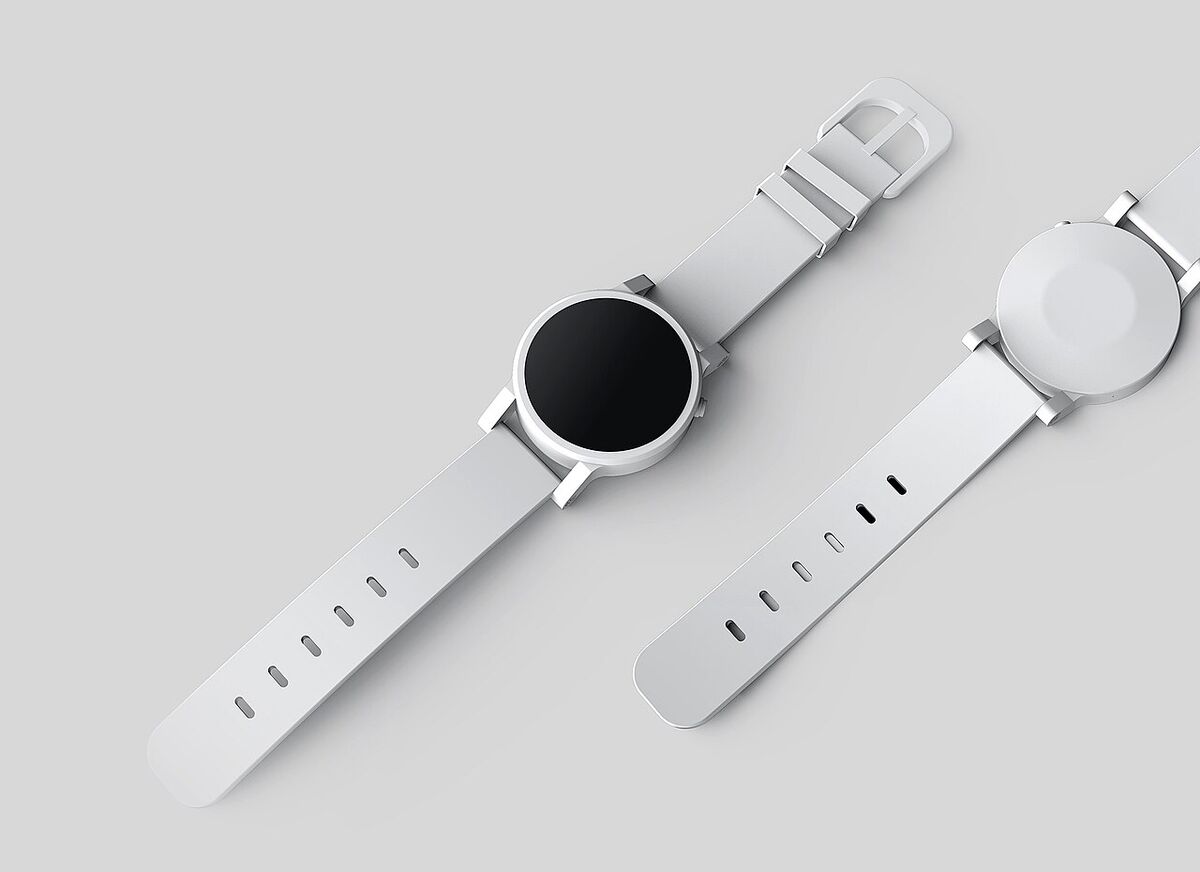
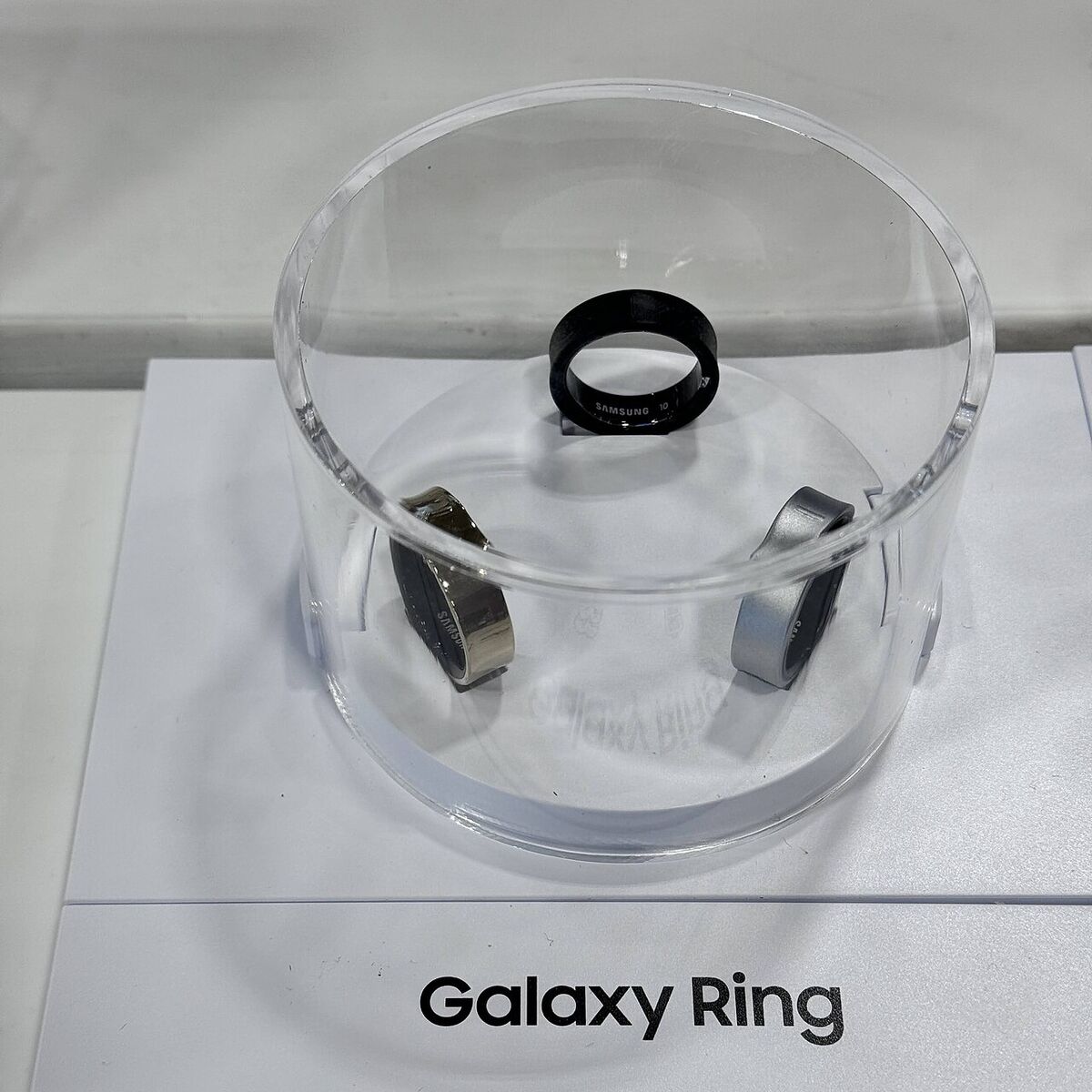
Smartwatches solved some problems but created others: the daily charging routine and the discomfort of sleeping with a bulky device on your wrist. Plenty of people who were once obsessed with checking their heart rate and closing their daily rings have seen an expensive smartwatch end up collecting dust in a drawer.
The smart tattoo promises to remove that friction. Interestingly, these devices are now applied at specialized dermatology clinics rather than bought off a store shelf.
What Exactly Is a Smart Tattoo?
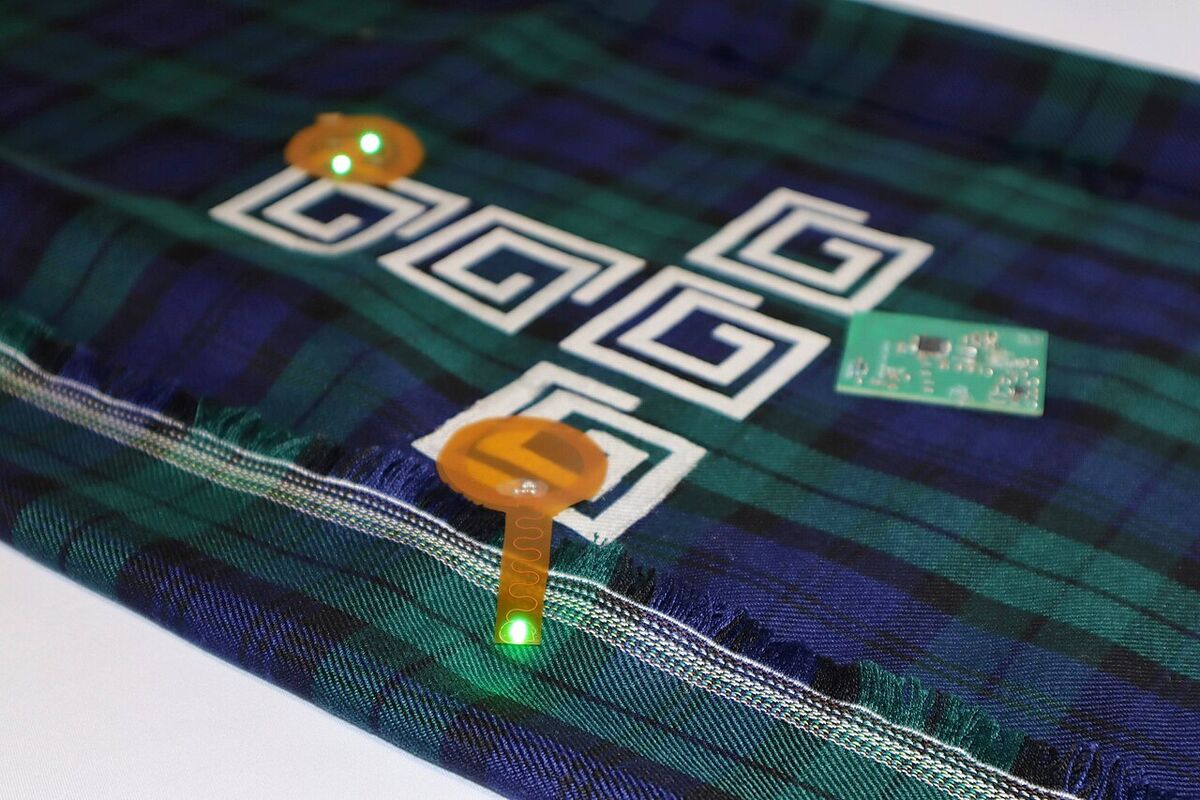
Despite the name, a smart tattoo involves no needles. Think of it like those temporary rub-on tattoos you used to get as a kid. It consists of highly flexible, microscopic electronic circuits and biosensors printed onto a transparent, biocompatible polymer film. You just wet the backing and press it onto your skin.
If you look closely, you can see a geometric mesh of delicate gold lines. It has a very cool, cyberpunk aesthetic, and with short sleeves it can easily pass for a decorative tattoo.
What Can a Smart Biosensor Tattoo Track?
It tracks glucose, hydration, and stress by analyzing the micro-components of your sweat and reading electrical signals directly from the skin surface.
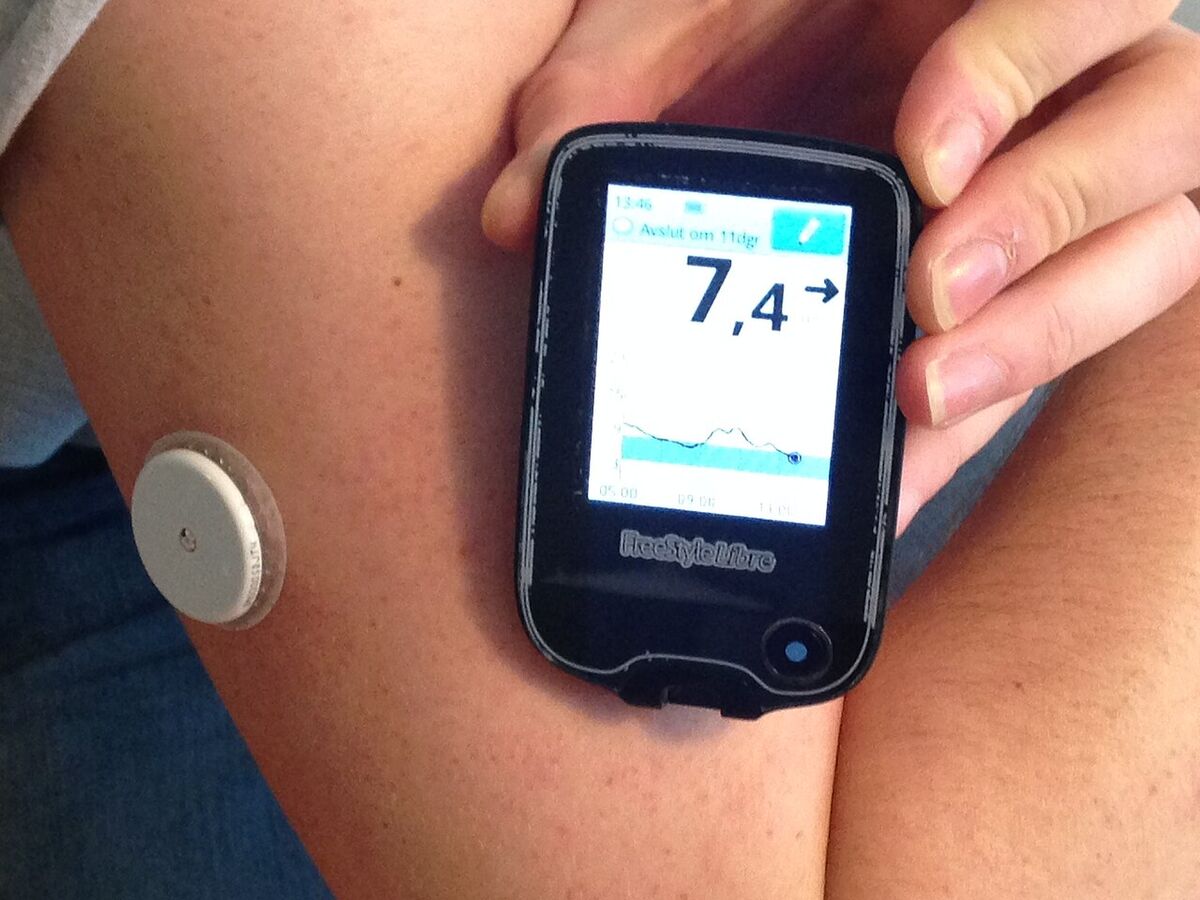
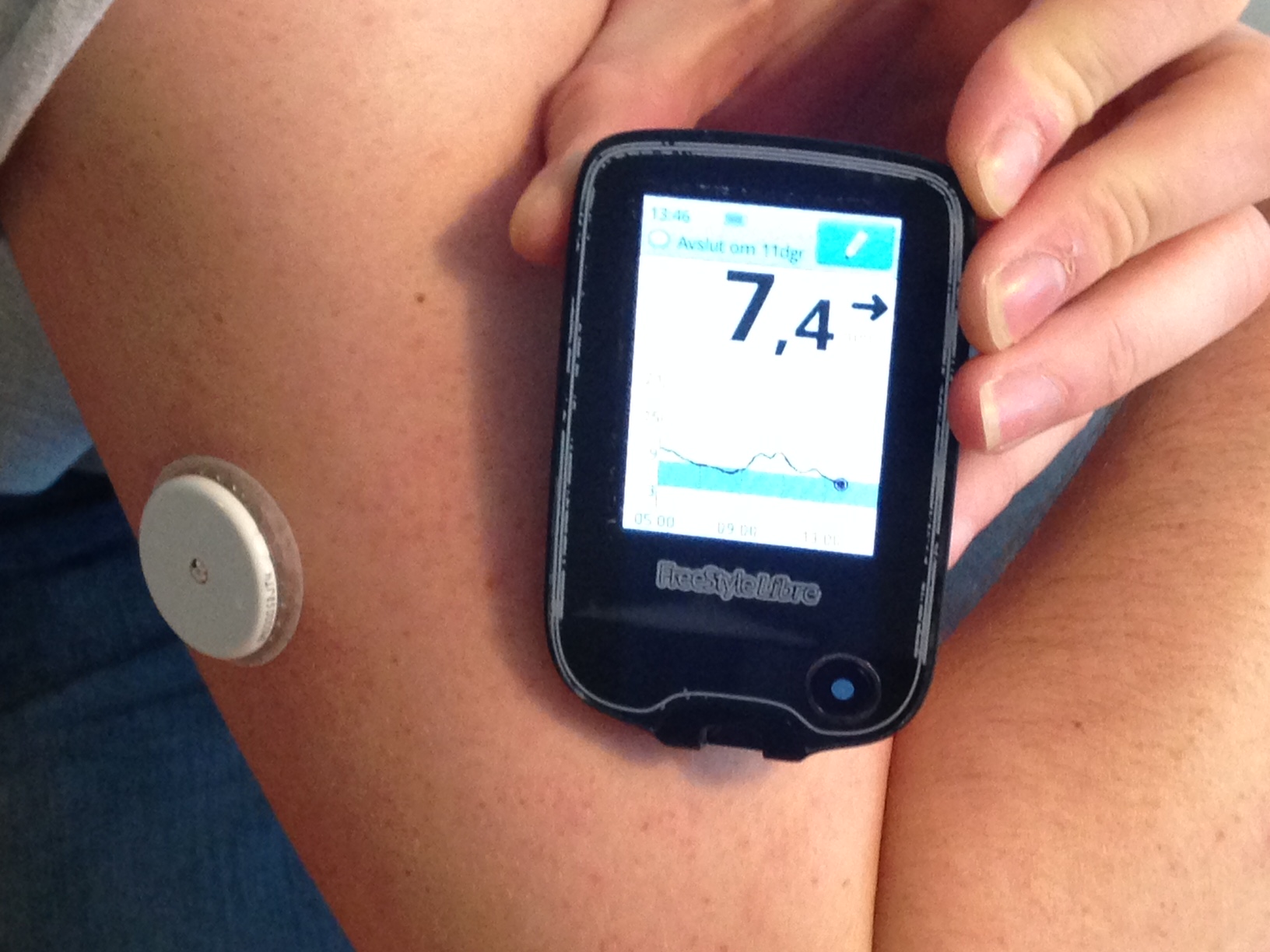
- Needle-Free Continuous Glucose Monitoring: This is the killer feature. You no longer need to prick your finger or wear a bulky patch with a filament under your skin. The tattoo analyzes glucose levels in your sweat and shows the spikes on your phone in real time. Seeing how a sugary drink like a vanilla latte moves your numbers can be a wake-up call, though anyone managing a medical condition should follow their doctor's guidance.
- Precision Hydration Tracking: During a workout, the sensors calculate your sweat loss, and your phone can buzz with an alert telling you exactly how much water to drink. Prompts like these may help you rehydrate more deliberately.
- Stress and Fatigue Analysis: By measuring galvanic skin response and micro-fluctuations in skin temperature, it gives a real-time stress score from 0 to 100. A tense meeting, for example, may show up as a sharp spike on the graph.
Why Is It Easier to Wear Than a Smartwatch?
The biggest advantage is that it is easy to forget you're wearing it. Because it is only a few micrometers thick, it flexes with your skin, with no friction or resistance.
Showering, swimming, or heavy weightlifting doesn't get in the way. Even better, you never have to plug it in: it harvests energy autonomously from body heat and ambient radio frequencies. It is the truest definition of a "wear-and-forget" device.
What Are the Downsides of Smart Tattoos?
It isn't perfect. As an early-stage consumer technology, there are a few distinct drawbacks.
- Limited Lifespan: Human skin naturally sheds dead cells. Because of this, the smart tattoo only lasts about three to four weeks. Having to schedule an appointment and pay for a replacement every month is definitely a hassle.
- Potential for Skin Irritation: People with sensitive skin or allergies to certain medical adhesives might experience redness or rashes. A patch test is mandatory before getting one.
- Data Anxiety: When you have access to every metric of your body in real time, it's easy to become a hypochondriac. Seeing a high stress score can itself make you more stressed out.
Is the Future of Wearables Already on Our Skin?
I think so. The Smart Biosensor Tattoo is not just a neat gadget; it points to a fundamental shift in how we approach preventative healthcare. We are moving away from the era of strapping heavy, rigid hardware to our bodies, and entering the era of Invisible Healthcare.
In a year or two, second and third-generation models that last for months and feature even more advanced sensors are likely to arrive. If you are serious about tracking your health and love living on the cutting edge, this technology is worth watching closely.