The Cure Is You: How Personalized mRNA Cancer Vaccines Became a Reality in 2026
- Health
- Exienent
- · Updated
Personalized mRNA cancer vaccines are therapeutic treatments built from the genetic code of a patient's own tumor. Given after surgery, they teach the immune system to recognize and attack lingering cancer cells. In 2026 they are FDA-cleared and covered by insurers, and five-year trial data in high-risk melanoma show a roughly 50% lower risk of recurrence or death when combined with standard immunotherapy.
A few years ago, the letters "mRNA" were blasted across every news channel in the world, primarily associated with ending a global pandemic. But while the world was focused on how this technology fought off a virus, scientists in labs across the globe were quietly turning that exact same mechanism toward an even older, more complex enemy: Cancer.
By 2026, the narrative has shifted. The conversation is no longer limited to early phase clinical trials or theoretical mice models. These vaccines are officially here, and they are changing how medicine thinks about surviving a cancer diagnosis. The recent five-year durability data are striking, so let's look at what these vaccines are, how they are made for each patient, and why they matter.
Is an mRNA Cancer Vaccine a Preventative Vaccine?
No. When we hear the word "vaccine," we naturally think of something you get as a kid to stop you from getting sick in the first place, like the measles shot.
An mRNA cancer vaccine works entirely differently. It is a therapeutic vaccine. You don't get it to prevent cancer; you get it after you have been diagnosed, usually following surgery to remove the primary tumor. Its job is to hunt down the microscopic, invisible cancer cells that the surgeon couldn't see, the ones that cause the cancer to return years later.
How Is a Personalized Cancer Vaccine Made?
A personalized vaccine is made from the patient's own tumor, which is why personalized is the key word. This isn't a mass-produced drug sitting on a pharmacy shelf. It is a custom piece of biological software written specifically for one body.
Here is how the process looks for a patient in 2026:
- The Tumor is Sequenced: After a surgeon removes the tumor, it is sent to a specialized lab. The lab analyzes the genetic makeup of the cancer cells, comparing it to your healthy cells.
- Finding the Target: The AI-driven software in the lab looks for "neoantigens"—unique protein markers that exist only on the surface of your specific cancer cells, not on your healthy cells. These are the fingerprints of your cancer.
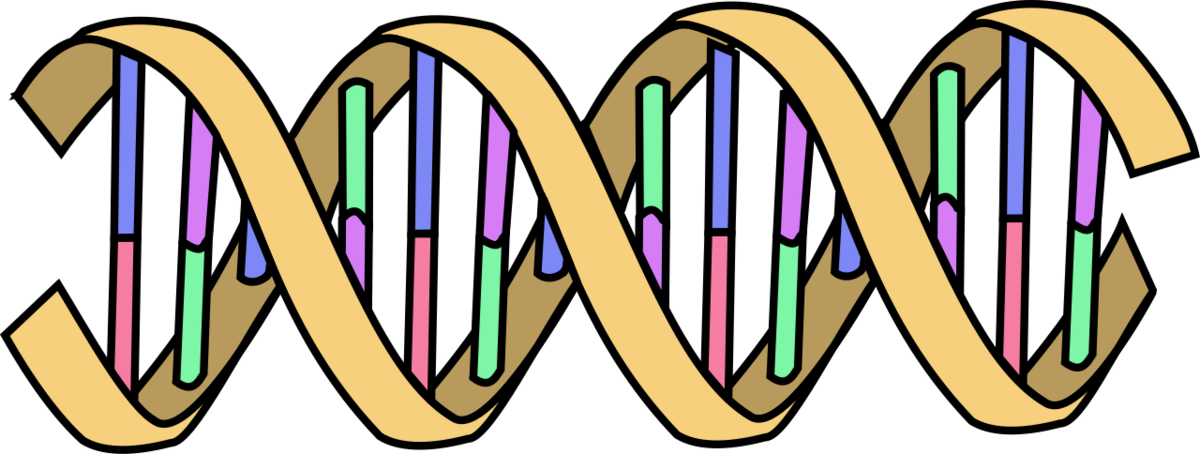
- Writing the Code: The lab selects up to 34 of the most unique neoantigens and generates a specific strand of messenger RNA (mRNA) that carries the "recipe" for these markers.
- The Shot: The custom vaccine is manufactured (which now takes just a few weeks instead of months) and injected into your arm.
How Does the Vaccine Train the Immune System?
The vaccine doesn't kill cancer cells directly. Instead, it enters your immune cells and hands them a wanted poster.
The mRNA instructs your cells to briefly produce the harmless neoantigen proteins. Your immune system sees these unfamiliar proteins, realizes they don't belong, and trains its most aggressive T-cells to attack anything bearing that specific marker.
Because the vaccine was built using the genetic code from your specific tumor, the newly trained T-cells are designed to ignore healthy tissue and hunt down lingering cancer cells hiding in the body. It is a precision strike.
What Does the Real-World Data Show in 2026?
The data are now concrete. The recent five-year follow-up results from the pivotal trials (like the KEYNOTE-942 study for high-risk melanoma) have been the talk of the medical community.
Patients who received the personalized mRNA vaccine combined with standard immunotherapy saw their risk of the cancer returning or causing death drop by roughly 50% compared to those who just received standard immunotherapy alone. That kind of durable, long-term response is almost unheard of in advanced oncology. Individual results vary, and whether this treatment fits a given case is a decision for the patient's oncologist.
And it isn't just melanoma anymore. Promising data are emerging for pancreatic cancer, lung cancer, and aggressive forms of brain cancer like glioblastoma.
Why Is 2026 the Tipping Point?
What makes 2026 the tipping point isn't just the science—it is the infrastructure. A few years ago, manufacturing a custom vaccine for a single person was a logistical nightmare.
Today, the entire ecosystem has matured. Supply chains are optimized, the AI algorithms that select the neoantigens are highly accurate, and major insurance providers (including Medicare) have established clear pathways to cover the treatment because the math adds up: a custom vaccine is expensive upfront, but it is far cheaper than years of endless chemotherapy and hospital stays for relapsed cancer.
A New Era of Medicine
Cancer is a deeply personal disease. It mutates and adapts in ways that are unique to every single patient. For decades, we tried to fight this highly individualized disease with blunt, one-size-fits-all tools like radiation and toxic chemotherapy.
Personalized mRNA cancer vaccines represent the moment medicine finally adapted to the enemy. Instead of only poisoning the body and hoping the cancer dies first, doctors can give a patient's own immune system the exact lines of code it needs to keep fighting. In my view, it is a profoundly elegant answer to one of humanity's darkest problems.