The 'Coffee Nap' Hack: Why Caffeine Before a Nap May Actually Work
- Health, Lifestyle, Technology
- Exienent
- · Updated
A coffee nap means drinking a cup of coffee and immediately taking a nap of about 20 minutes. Because caffeine takes roughly 20 minutes to reach your brain, it kicks in just as you wake up, so the combination may leave you more alert than coffee or a nap alone.
We've all been there. It's 2:30 PM, you're sitting at your desk, and suddenly a wave of exhaustion hits you like a truck. You stare blankly at your monitor, trying to force your brain to work, but all you want to do is crawl under your desk and sleep.
The usual fix is to chug another cup of black coffee. Sometimes it works, but it can also leave you jittery and anxious while still feeling profoundly tired. Drinking coffee right before a nap sounds like the exact opposite of what you're supposed to do, but the reasoning behind it is surprisingly solid.
Why Does a Coffee Nap Work?
It works by combining two ways of dealing with adenosine, a molecule in your brain that makes you feel tired.
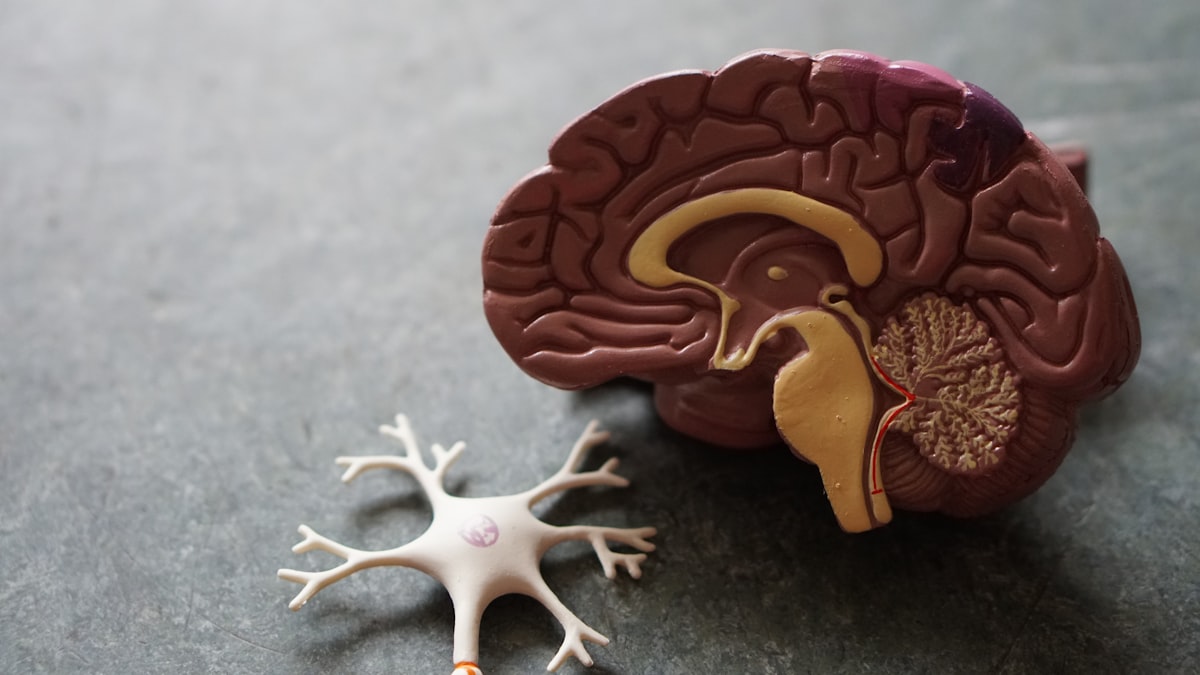
From the moment you wake up, adenosine starts building up in your brain. It acts as a depressant to your central nervous system, and when adenosine levels get high enough, they plug into specific receptors in your brain, making you feel tired. This is your body's natural sleep pressure.
When you sleep, your brain clears out this adenosine. When you drink coffee, the caffeine doesn't actually give you energy—it just acts as an imposter. Caffeine molecules are shaped very similarly to adenosine, so they plug into those same receptors, blocking the adenosine from attaching and keeping you from feeling tired.
Here is where the coffee nap comes in. Caffeine takes about 20 minutes to be absorbed through your stomach and reach your brain. If you drink a cup of coffee and immediately take a 20-minute nap, you are doing two things simultaneously:
- The nap naturally clears out a bunch of the adenosine that was making you tired.
- When you wake up 20 minutes later, the caffeine is just arriving at your brain. Because the nap cleared out the adenosine, the receptors are wide open for the caffeine to plug into.
In theory, you get the restorative benefits of a quick sleep, combined with a perfectly timed caffeine kick that has less competition.
How Do You Take a Coffee Nap?
Drink coffee fast, then lie down with a 20-minute alarm set.
The Setup: Around 2:00 PM, when your eyes start glazing over, brew a quick cup of coffee. Iced coffee is easier to drink fast, which is crucial. Drink it down within a few minutes, set an alarm on your phone for exactly 20 minutes, put on an eye mask, and lie down somewhere quiet, such as a couch.
What Can a Coffee Nap Feel Like?
The first attempts can feel strange, and the effect may build as your body gets used to the routine.
At first: Knowing you just consumed caffeine can make it hard to actually fall asleep. You may end up just lying there with your eyes closed, breathing deeply. Even so, when the alarm goes off, you may not feel the grogginess that can follow a regular nap, and a sense of alertness can follow shortly after standing up.
With practice: Once the routine is familiar, it may become easier to drift off into a light sleep before the alarm. Waking from that short sleep with caffeine arriving can leave the brain fog lifted and give a steadier, less jittery energy for the rest of the workday.
As a habit: For some people, it can become a go-to on days when they need to power through a heavy workload. Results vary, and if you feel exhausted every afternoon despite enough sleep, it is worth talking to a doctor rather than relying on caffeine.
What Are the Rules for a Successful Coffee Nap?
Drink quickly, keep the nap short, and do it early enough in the day. Otherwise, you may just end up ruining your night's sleep.
- Speed is Key: You have to drink the coffee quickly. Don't sip a hot latte over 30 minutes. An espresso shot, a quick cup of drip coffee, or cold brew works best.
- Keep it Under 20 Minutes: Do not sleep longer than 20-25 minutes. If you enter deep sleep (which happens around the 30-minute mark), waking up will cause sleep inertia—that groggy, disoriented feeling that makes you feel worse than before you napped.
- Timing Matters: Don't do this too late in the afternoon. Aim for between 1:00 PM and 3:00 PM. A coffee nap at 5:00 PM can easily mess with your ability to fall asleep at night.
- Don't Stress if You Don't Sleep: Even just closing your eyes and entering a state of relaxed rest for 20 minutes (what researchers call a "hypnagogic state") may be enough to clear out some adenosine and make the hack work.
We are living in an era of constant burnout and digital fatigue. While getting a full 8 hours of sleep at night is always the ultimate goal, life happens. When you hit that inevitable afternoon wall, consider skipping the sugary energy drinks and trying a coffee nap instead.