Why 'Micro-Workouts' Can Replace a 1-Hour Gym Session in 2026
- Health
- Exienent
- · Updated
Micro-workouts, which some researchers call "exercise snacking," are short 1-5 minute bursts of exercise repeated several times a day. For people who can't fit an uninterrupted hour at the gym into a busy schedule, they offer a practical alternative to doing nothing at all. They won't replace dedicated training for high-level athletic goals, but they can make daily movement far easier to sustain.
Why Does the "All or Nothing" Approach Fail?
An "all or nothing" mindset can easily end in nothing. If a workout only counts when it means an agonizing, sweat-drenched hour at the gym, then a busy professional working from home in 2026 has a problem: finding a solid 60-minute block (plus travel and shower time) can be almost impossible.
Skipping exercise entirely, combined with hours of hunching over a laptop, can leave you with poor posture and low energy. Micro-workouts address this by scattering tiny bursts of exercise throughout the day instead of demanding one big block.
What Exactly Is a Micro-Workout?
A micro-workout is exactly what it sounds like: a very short burst of physical activity, usually lasting anywhere from 1 to 5 minutes, done multiple times throughout the day.
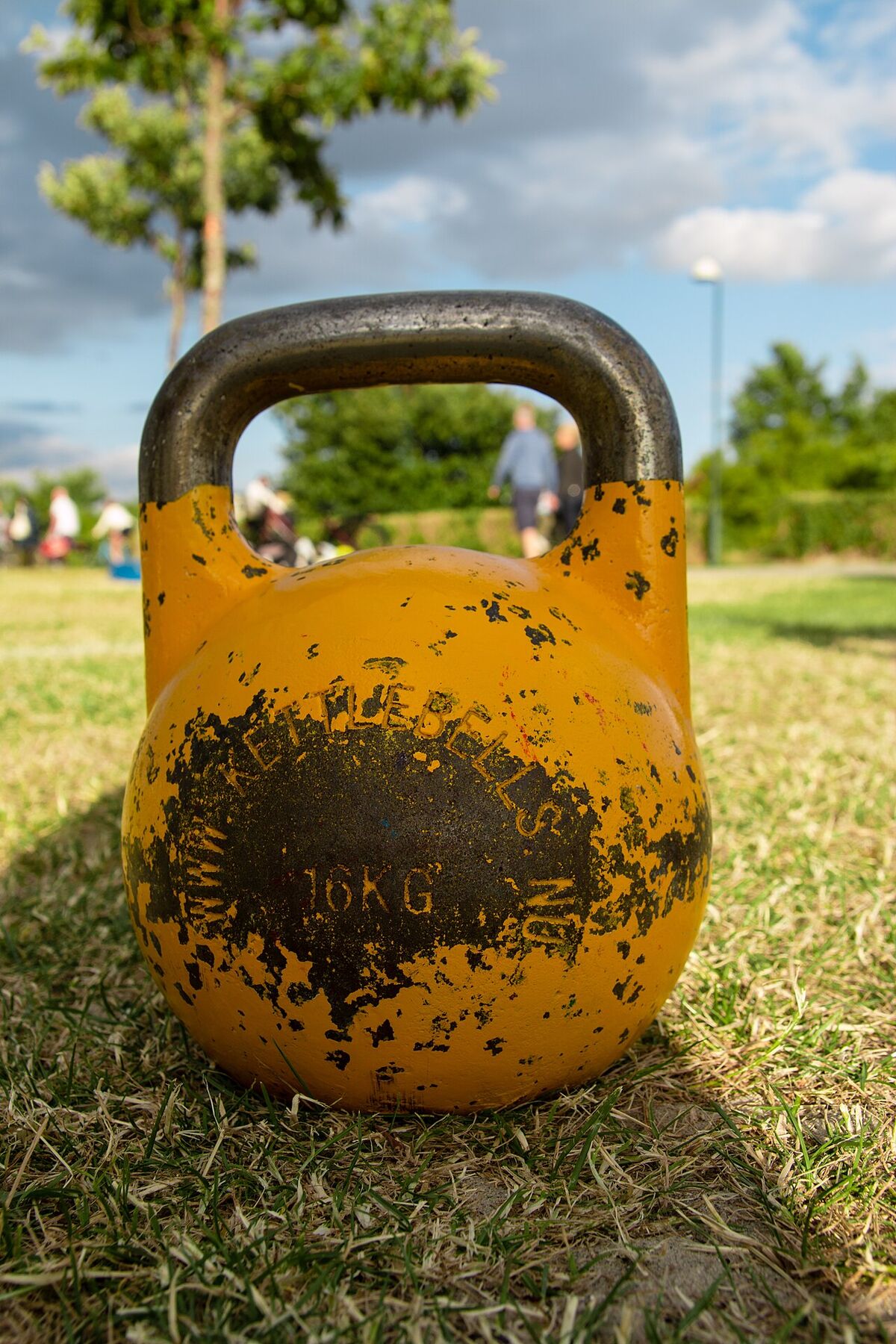
Think of it like snacking, but instead of reaching for a handful of chips, you are reaching for a kettlebell or doing a quick set of push-ups. The goal isn't to exhaust yourself; it's to frequently interrupt long periods of sitting with meaningful movement.
What Does a Daily "Exercise Snacking" Routine Look Like?
A workable routine can be incredibly simple. One approach is to keep a single kettlebell (for example, 16kg) right next to your desk, because equipment you can't see is equipment you won't use. A sample work-from-home day might look like this:
- 9:00 AM (Before emails): 2 minutes of kettlebell swings. Just enough to get your heart rate up and blood flowing before you start reading the morning chaos.
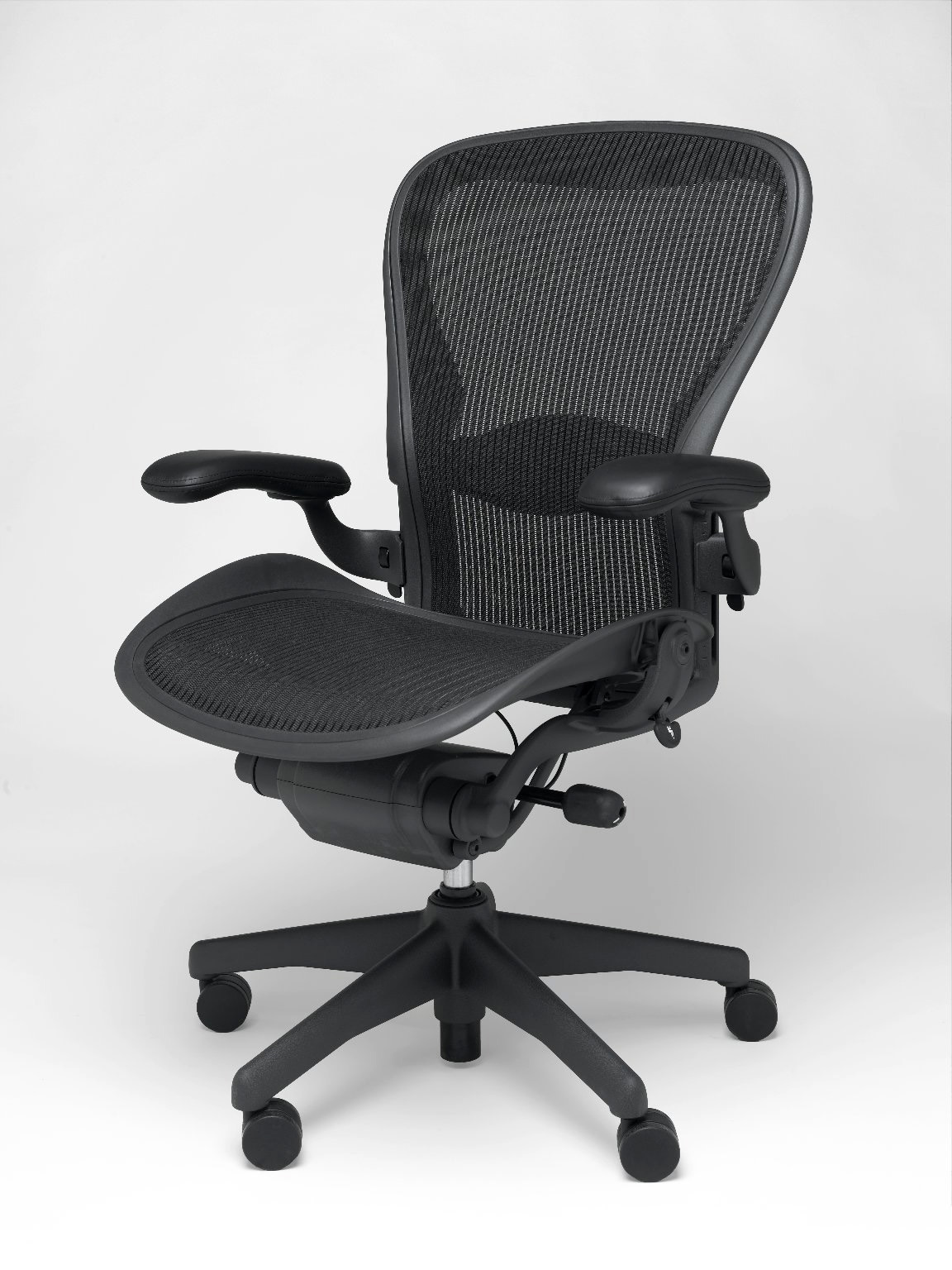
- 11:30 AM (Between meetings): 1 minute of deep bodyweight squats. This opens up the hips, which can get tight from sitting in an office chair all morning.
- 2:00 PM (The afternoon slump): 2 minutes of push-ups or plank holds. Instead of a third cup of coffee to fight the post-lunch crash, a quick burst of effort may help you feel more awake.
- 5:00 PM (Logging off): A quick 5-minute mobility flow or yoga stretch to transition out of "work mode" and signal that the workday is done.
Total dedicated workout time? Roughly 10 to 15 minutes a day, spread out across the working hours.
What Benefits Can Micro-Workouts Offer?
It's fair to be skeptical that 2 minutes of swinging a weight can do anything. The potential benefits are less about intensity and more about frequency.
1. Fewer Afternoon Energy Crashes
Sitting perfectly still for 4 hours can leave you feeling sluggish. Getting your heart pumping every couple of hours may help reduce that 2 PM brain fog and keep you more alert through the day.
2. Less Stiffness from Sitting
Frequent movement doesn't give your muscles much chance to freeze up in a hunched position, which may ease some of the stiffness that comes with desk work. Persistent back or neck pain is a different matter, though, and worth checking with a doctor or physiotherapist.
3. Consistency Over Intensity
Because a micro-workout only takes 2 minutes, it's hard to argue "I don't have time." You don't even need to change into gym clothes or shower afterward because you rarely break a heavy sweat. That low barrier can make it possible to work out every day without feeling burnt out.
Is the Gym Dead?
No. I don't think micro-workouts will turn you into an Olympic weightlifter or a marathon runner. If you have specific, high-level athletic goals, you still need dedicated, long training blocks.
But for someone who just wants to stay active and feel more energetic while working a desk job, I think exercise snacking is a genuinely useful option. It redefines what a "workout" has to be.
If you are struggling to find time for fitness, stop looking for a free hour. Just find two minutes, grab a kettlebell, and do something right now.