Switching from White Noise to Brown Noise for Ultimate Focus
- Health, Technology, Lifestyle
- Exienent
- · Updated
Brown noise is a deeper, softer cousin of white noise that emphasizes low frequencies and rolls off the harsh highs. For focus work in a noisy space, it can mask distracting speech while feeling less sharp than white noise, which makes it worth trying if white noise tires your ears.
If you work in a modern open-plan office, or try to concentrate in a noisy coffee shop, you probably already know the struggle. The constant hum of chatter, the clacking of keyboards, and sudden bursts of laughter from the next desk over can shatter your focus.
One fix is noise-canceling headphones and a "Static White Noise" playlist. But high-pitched white noise played for hours can feel harsh, almost like listening to an old TV tuned to a dead channel, and for some listeners it may even contribute to discomfort or headaches. That is where brown noise comes in.
What actually is brown noise?
Brown noise (also called red noise) is a sound that covers a wide range of frequencies but heavily emphasizes the lower ones while rolling off the higher, harsher ones.
You're probably more familiar with White Noise. White noise contains all frequencies across the spectrum of human hearing played at the exact same intensity. Because it includes those high-frequency sounds, it can sometimes sound sharp or hissy, like a fan or radio static.
If white noise sounds like a hissing radiator, brown noise sounds like a deep, powerful waterfall, a strong river current, or the distant rumble of thunder. It has a heavy, bass-driven quality to it.
Why can brown noise help you focus?
Brown noise can help with focus because it covers up distracting sounds without the sharp edge of white noise. Here is why it can work better than other background sounds.
1. Does brown noise block out conversations?
It can mask them well. The biggest enemy of deep work isn't just noise; it's intelligible noise. If you can hear a conversation happening nearby, your brain will naturally try to process the words, pulling you out of your flow state.
Because human speech typically occupies the mid-range frequencies, the deep, heavy rumble of brown noise does a strong job of masking it. Chatty coworkers nearby can fade into a low-frequency hum. It can feel like putting a thick, acoustic blanket over the entire room.
2. Is brown noise easier on the ears than white noise?
It can be. The high frequencies in standard white noise can make your ears feel physically tired after a while.
Brown noise, by contrast, can sound warm and comfortable. Because the harsh high frequencies are dialed down, it may be easier to listen to for long stretches without listening fatigue. It just hums in the background, out of the way.
3. Is brown noise good for ADHD?
Brown noise has recently gained massive popularity within the ADHD community on social media, but that popularity is not the same as a proven treatment.
The idea is that its heavy, immersive quality may provide just enough sensory input to occupy the part of the brain that wants to be distracted, leaving the rest free to focus on the task in front of you, almost like an anchor for attention. I think it is worth experimenting with if a racing mind makes complex tasks hard to start. Anyone managing ADHD should treat it as a possible aid, not a substitute for advice from a doctor.
How can you try brown noise yourself?
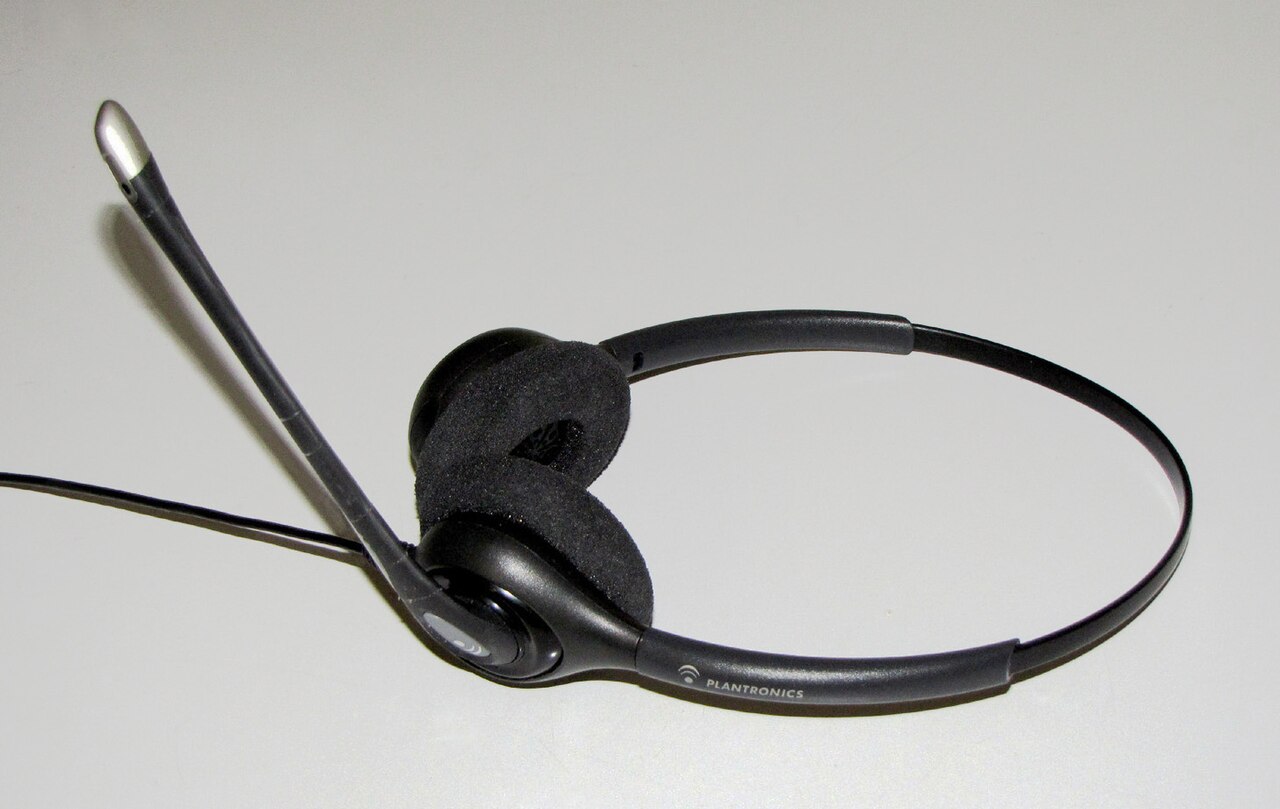
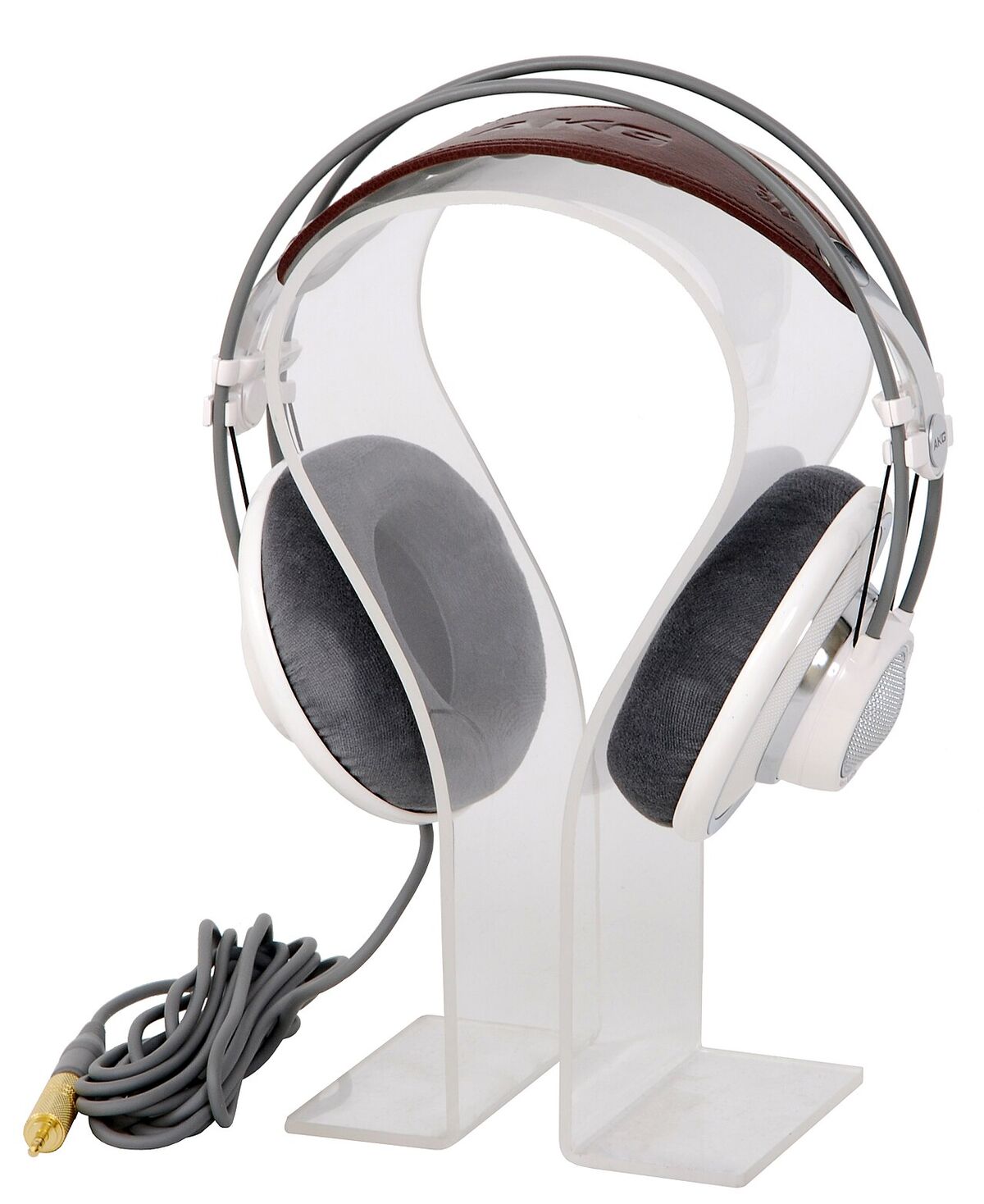
Search for "Brown Noise" on any streaming platform—there are thousands of 10-hour uninterrupted tracks available. You don't need any special equipment, though a decent pair of headphones (especially ones with active noise cancellation) will make the experience much better.
Personally, I prefer tracks that are pure, synthesized brown noise rather than "nature sounds," as I find the consistency less distracting.
If office chatter keeps derailing you, or your current white noise playlist feels too harsh, switching to the deep rumble of brown noise is an easy experiment. It might turn out to be one of the more useful productivity tweaks you try this year.